Amateur stargazers equipped with Unistellar smart telescopes have emerged as vital allies in the global effort to monitor and deflect near-Earth asteroids.
Unistellar Network Delivers Breakthrough Data
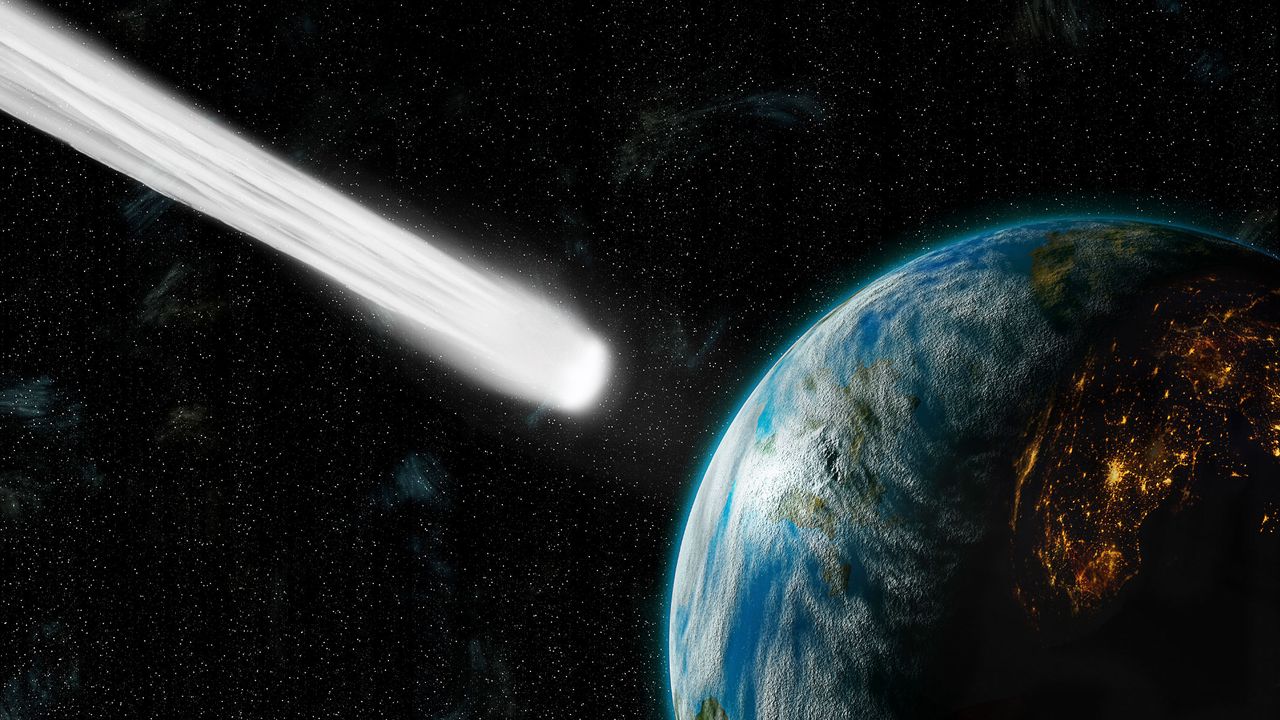
Unistellar Network Delivers Breakthrough Data (Image Credits: Cdn.mos.cms.futurecdn.net)
A telescope from the Unistellar network in South Africa captured critical observations during NASA’s Double Asteroid Redirection Test, or DART, mission. Those images helped confirm that the spacecraft successfully altered the path of its target asteroid. Professional astronomers published the findings, marking a milestone for distributed observing networks.
Citizen scientists also measured the brightness of interstellar comet 3I/Atlas at 17.8 magnitude. This data assisted researchers like Dr. Ariel Graykowski in refining models of the object’s properties. Such contributions highlight how hobbyist observations fill gaps left by major observatories.
Partnership Powers Planetary Protection
Unistellar collaborates with the SETI Institute to harness a worldwide array of smart telescopes. Owners contribute real-time data on near-Earth objects, comet structures, exoplanet transits, and more. The setup overcomes challenges faced by large facilities, including scheduling bottlenecks and limited sky coverage.
This model echoes distributed computing projects like SETI@home but delivers immediate astronomical insights. Astronomers gain extra data points, while participants engage in genuine research. All Unistellar models support these efforts, though advanced versions like the eVscope 2 and eQuinox 2 excel in faint-object detection.
Steps to Launch Your Own Observations
Getting started requires minimal setup. First, users acquire a Unistellar telescope and register through the companion smartphone app. The platform lists upcoming missions on its scientific events prediction page.
Observers then select a target by entering its right ascension and declination coordinates. The telescope’s GoTo function aligns automatically for imaging. After the session, data uploads directly to the SETI Institute’s database. Support teams assist with issues like mirror collimation or thermal adjustments.
- Purchase and set up a Unistellar smart telescope.
- Create a citizen science account in the app.
- Browse and select active planetary defense missions.
- Observe using app-guided coordinates.
- Submit observations for professional analysis.
- Monitor Slack channels for feedback and credits.
Expanding Horizons in Citizen Science
Contributors often earn recognition, including co-authorship on papers. The network continues to grow, incorporating observations of asteroid occultations and satellite passes. Even those without smart telescopes can join using traditional equipment.
Looking forward, Unistellar partners with Skymapper to integrate Web3 technology. This initiative will verify observations via a tokenized system, rewarding users with points redeemable for astronomy perks. Such innovations promise to weave individual skywatchers deeper into space exploration.
Key Takeaways
- Unistellar users provided pivotal DART mission data, confirming asteroid deflection.
- The network supports multiple research areas beyond planetary defense.
- Anyone with the app can participate, with expert support ensuring quality data.
Unistellar’s approach democratizes astronomy and strengthens Earth’s defenses against cosmic threats. What missions intrigue you most? Share your thoughts in the comments.