You’ve probably walked through a forest and felt something ancient surrounding you. That’s not just your imagination running wild. Every tree, every patch of moss, every creature darting through the underbrush carries whispers of ecosystems that existed millions of years ago. The prehistoric forests that once blanketed North America weren’t just pretty landscapes. They were the architects of the natural world you see today.
Think about this for a moment. The soil beneath your feet, the air you breathe, even the patterns of rainfall across the continent trace their origins back to ancient woodlands that towered over dinosaurs. These primordial forests laid down foundations that continue shaping American ecosystems in ways most people never notice. Let’s dive in and discover how these vanished giants still exert their influence across modern America.
They Created the Coal That Powered a Nation
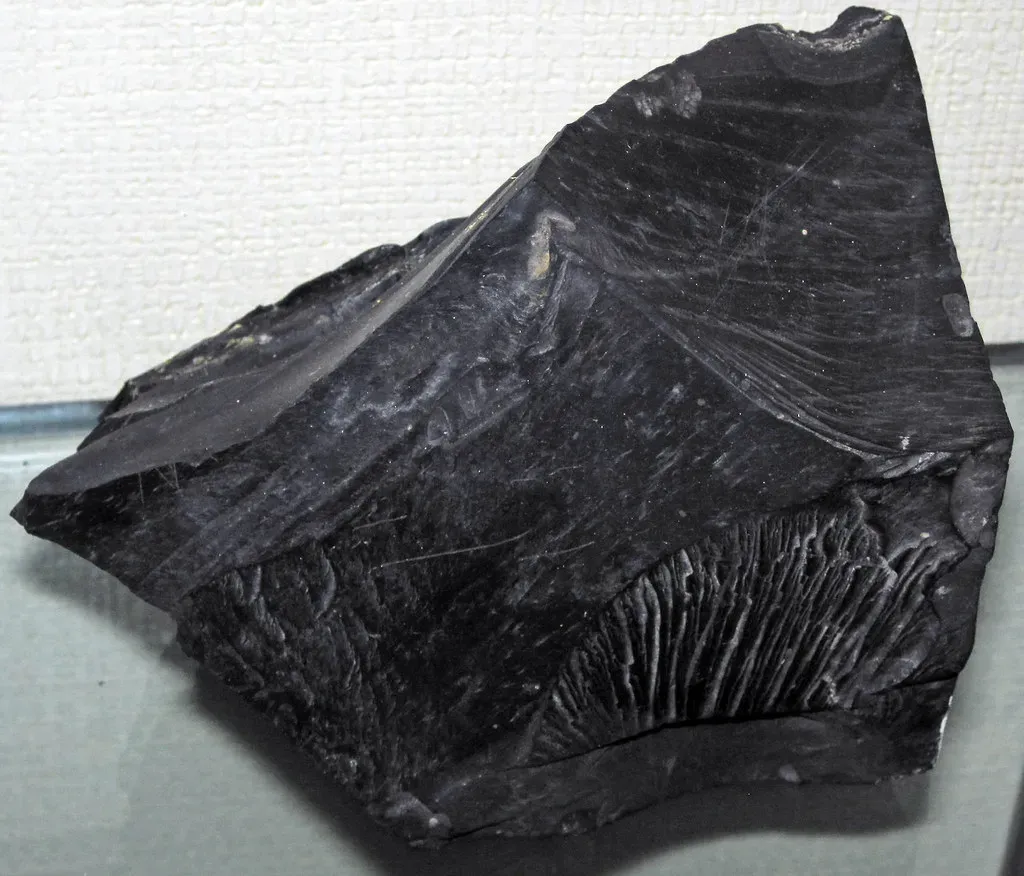
The vast swamp forests of the Carboniferous Period, roughly three hundred million years ago, produced the coal deposits found throughout northern Europe, Asia, and midwestern and eastern North America. Picture enormous wetlands stretching across tropical regions, filled with tree ferns towering over one hundred feet and giant club mosses dominating the landscape. These swamp forests hosted seedless plants like lycopsids that flourished and became the primary carbon source for characteristic coal deposits, though they underwent a major extinction event after a drying trend during the Pennsylvanian.
Here’s the thing that blows my mind. These prehistoric forests extracted nearly one hundred thousand million tonnes of carbon from the atmosphere every year. When those massive trees died, they didn’t decompose like modern vegetation. Instead, they accumulated in oxygen poor swamps, eventually transforming into the coal seams that fueled the Industrial Revolution and shaped the economic landscape of America for centuries. This carbon rich rock was essential to the technological progress of the Industrial Revolution, fundamentally altering the trajectory of human civilization.
They Engineered America’s Richest Soils
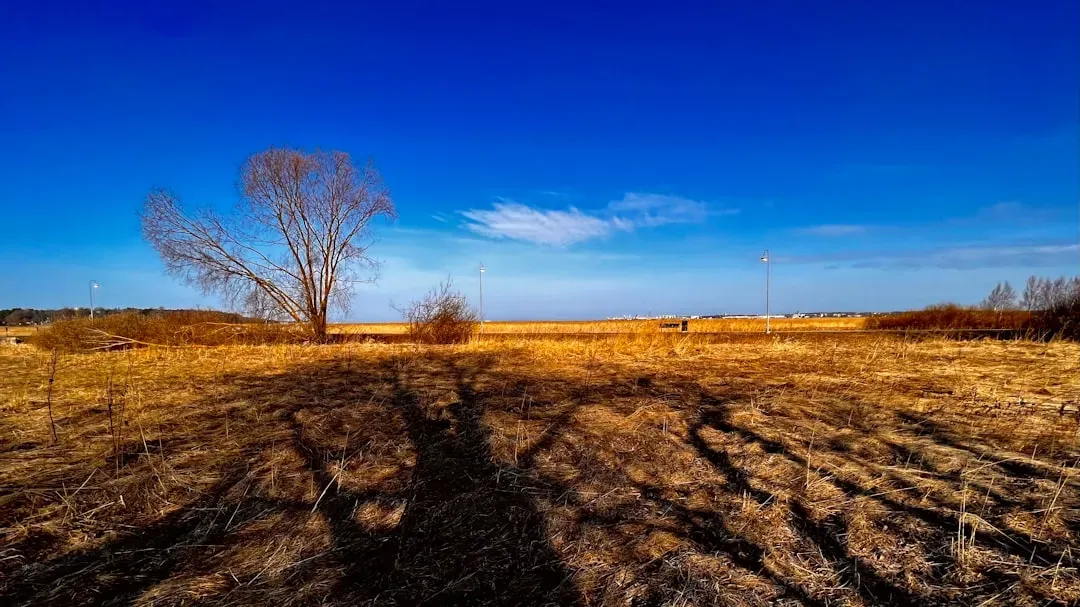
The chernozems of the North American tallgrass prairie contain a humus fraction nearly half of which is charcoal, an outcome not anticipated because the antecedent prairie fires capable of producing these deep rich black soils are not easily observed. Those prairie fires weren’t accidents of nature. They were deliberate land management by Indigenous peoples who understood something European settlers would take centuries to figure out.
Archaic Indians began using fire in a widespread manner, with intentional burning taken up to mimic natural fires that cleared forest understories, making travel easier and facilitating growth of herbs and berry producing plants important for food and medicines. The burning enriched soils with nutrients and created the fertile foundations that would eventually support America’s agricultural heartland. Without these ancient fire management practices and the forests they shaped, the modern Great Plains might look completely different. Mollisols formed under grassland vegetation influenced by closely matted roots in dense sod, with roots eventually decaying underground and turning into humus that gives these soils their dark brown or black color.
They Established Climate Patterns We Still Experience
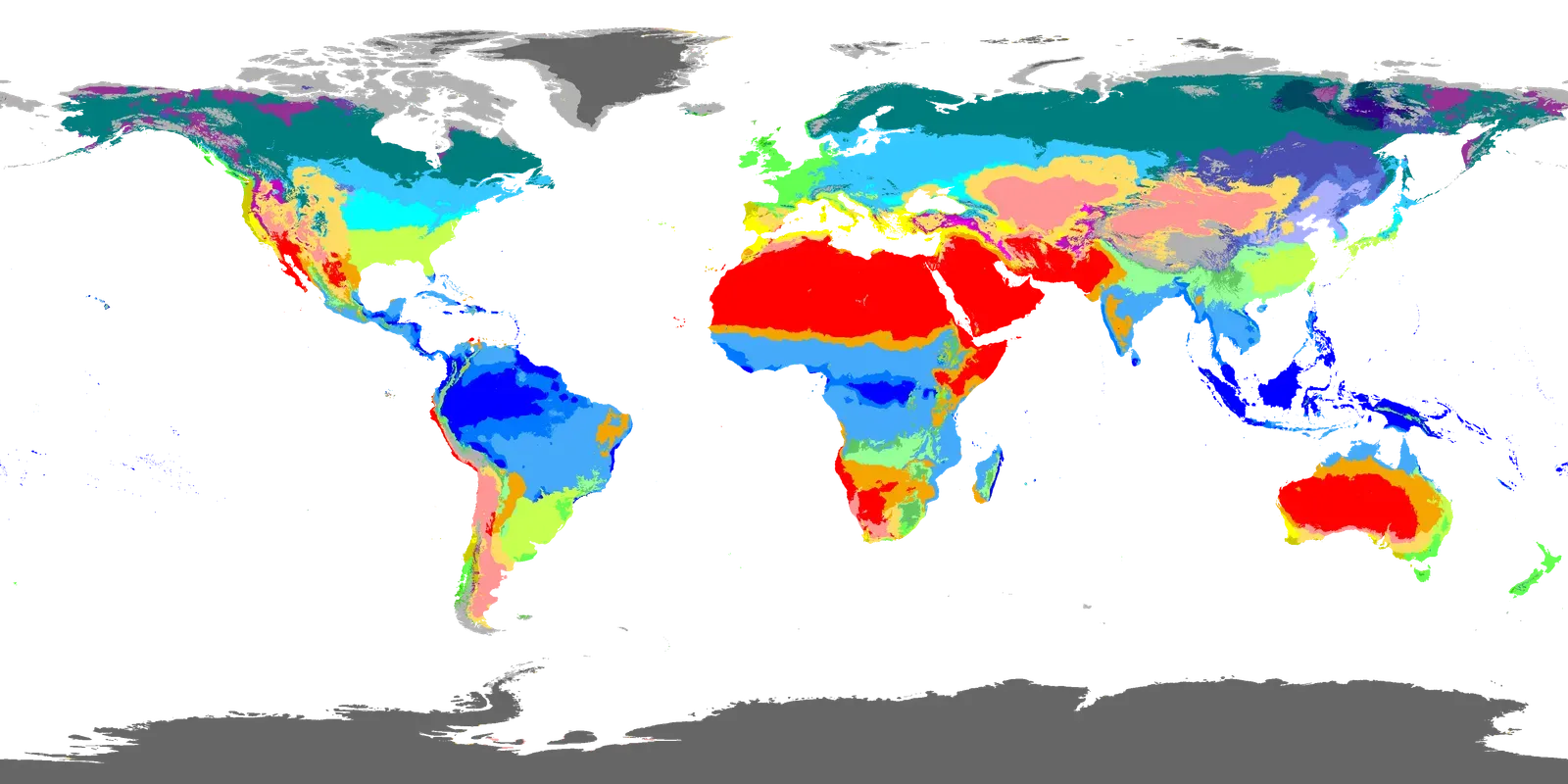
Let’s be real, when you think about climate, you probably don’t think about trees from millions of years ago. Yet prehistoric forests fundamentally altered atmospheric conditions in ways that echo through time. The growth of Carboniferous forests removed huge amounts of carbon dioxide from the atmosphere, leading to oxygen levels that peaked around thirty five percent compared with twenty one percent today.
This atmospheric transformation didn’t just affect giant insects and early reptiles. The resurgence of forests in very late Carboniferous caused lowering of global temperatures and a return of extensive polar ice in southern Gondwana as forests’ rapid growth sequestered carbon dioxide. Think about that. Ancient forests literally cooled the planet and triggered ice ages. Coal forest habitats remained stable for about ten million years before contracting, probably due to drainage changes, coinciding with marked increases in global temperatures and significant contraction of the southern polar ice sheet. The relationship between forests and climate wasn’t just important back then. It established patterns that continue influencing weather systems across North America today.
They Created Refugia That Preserved Biodiversity
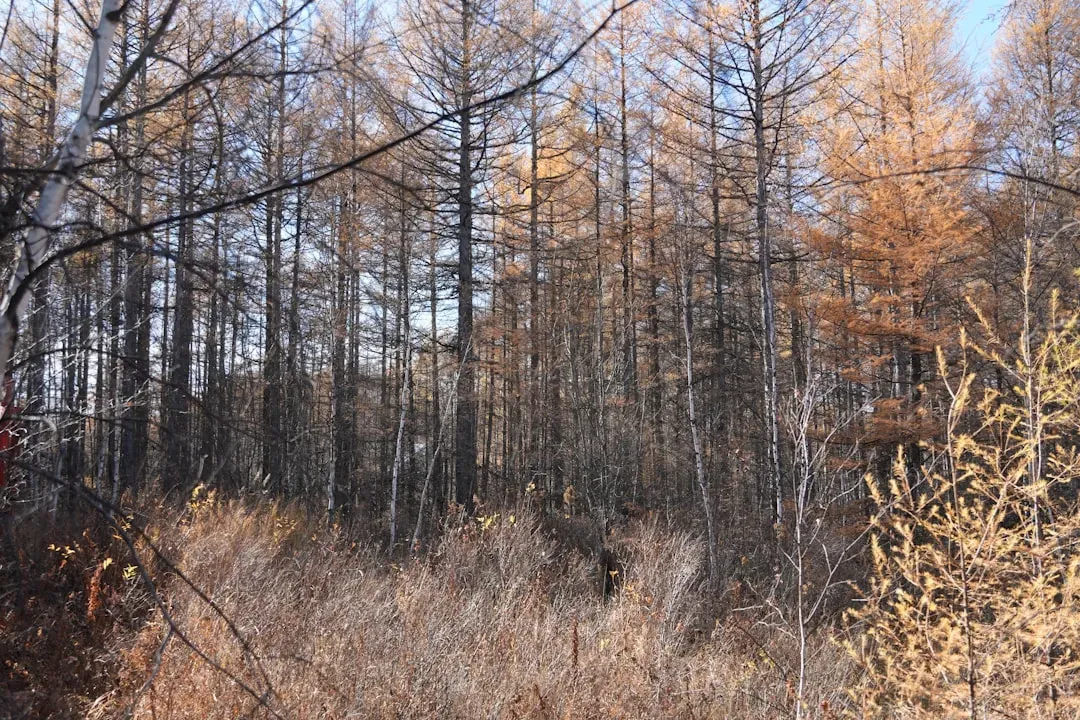
Climate at glacial maximum reduced prairies and deciduous forests to such small refuges that scientists only recently found them, discovering grasslands shrank back to the Texas panhandle and Edwards Plateau while mixed deciduous forest remnants survived only in small pockets along bluffs of rivers emptying into the Gulf of Mexico. These tiny refuge areas became biological treasure chests, preserving genetic diversity through the harshest climatic periods.
Here’s where it gets fascinating. When ice retreated, trees chased it north and climbed lost mountain heights, but they did not move in concert with each other as each tree species moved independently. The forests that emerged weren’t simple recreations of what existed before. They were entirely new combinations of species that had weathered the ice ages in separate refugia. As climate warmed ten thousand years ago, spruces came first to areas like Lake Superior, quickly followed by aspen, birch and tamarack as pioneer species, while hardwoods like American elm, black ash, oaks and maples had to wait for conditions created by pioneer trees. This sequential recolonization created the complex forest ecosystems you see across America today.
They Gave Us Living Fossils Like Redwoods and Sequoias
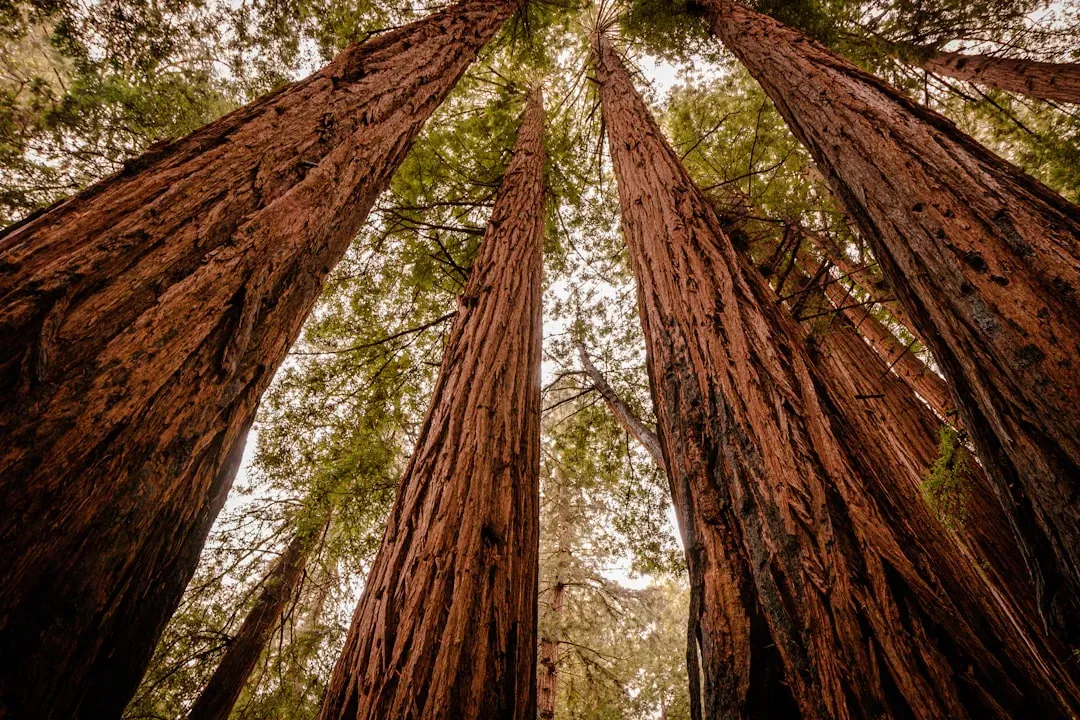
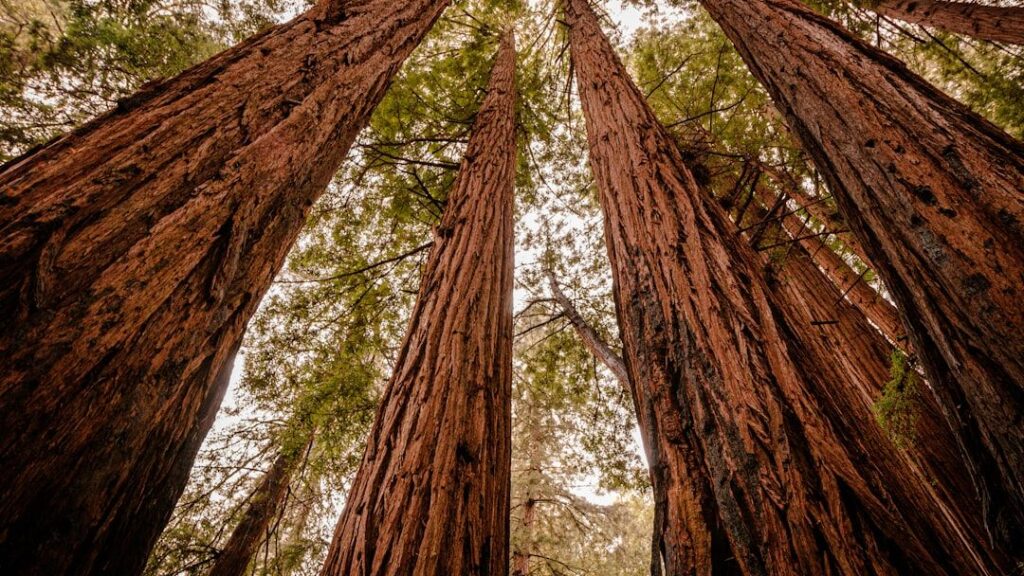
Fossil remains of the genus Sequoia from the Jurassic Period have been found in North America, Greenland, and the Eurasian continent suggesting vast forests, though only three species survived the Ice Ages including the giant sequoia and coast redwood in California and the dawn redwood in remote Southwest China. Walking among these ancient giants is literally stepping back in time. Coast redwoods are evergreen, long lived, monoecious trees living twelve hundred to twenty two hundred years or more.
I know it sounds crazy, but these trees are direct descendants of forests that existed when dinosaurs roamed the earth. Redwoods have been around for about two hundred forty million years and in California for at least twenty million years. They’re not just pretty tourist attractions. They represent an unbroken lineage stretching back through geological epochs, surviving mass extinctions that wiped out countless other species. Redwood trees have existed along California’s north coast for almost twenty million years, but studies from the 1940s showed that twenty five million years ago Sequoia trees covered much of the Northern Hemisphere including most of England, Western Europe, and parts of Russia, China, and Japan. The fact that these magnificent organisms still exist provides scientists with invaluable windows into prehistoric ecosystems.
They Shaped How Native Americans Managed Landscapes
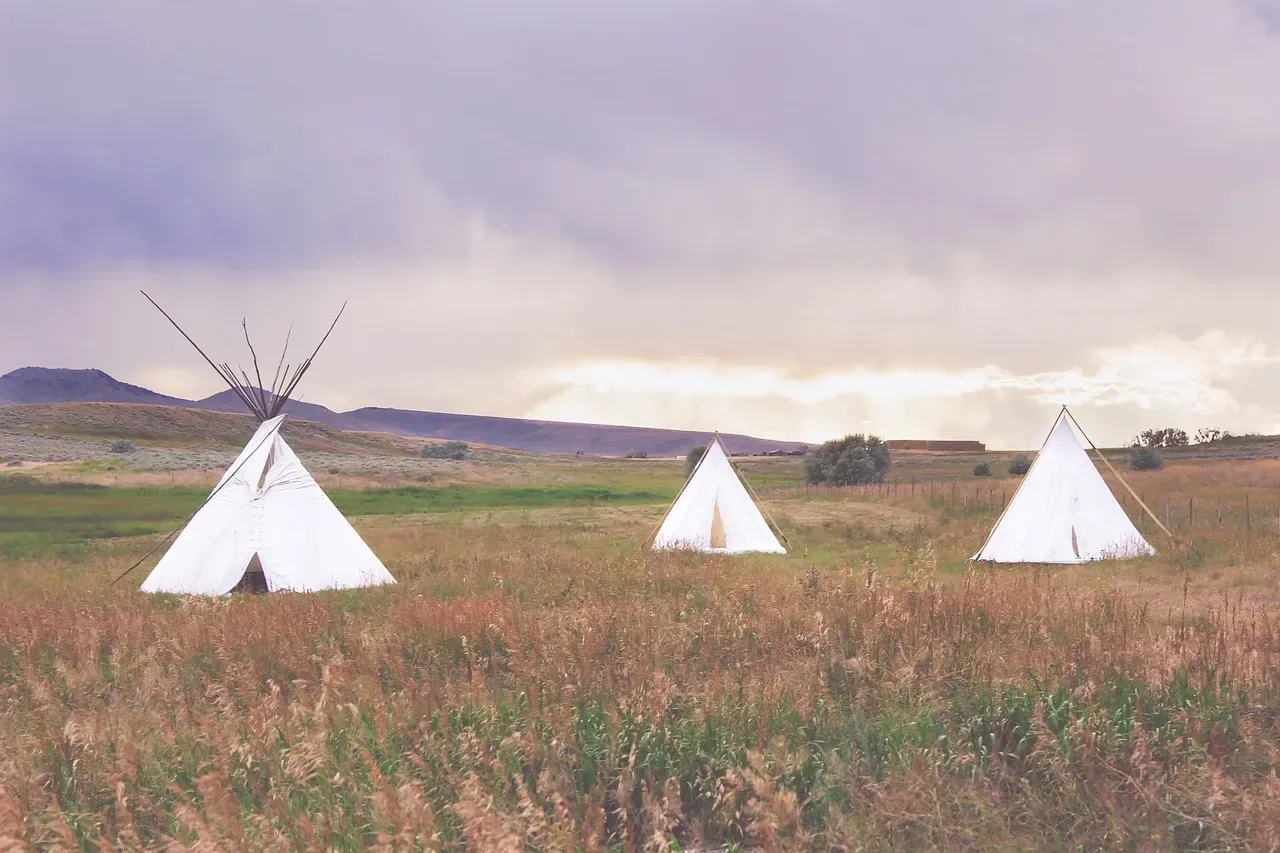
By 1500, millions of acres had been cleared to plant corn, squash, and other domesticated plants, with Native Americans also setting fires to improve visibility, facilitate travel, and control forest habitat by eliminating unwanted plants and encouraging more desirable ones like blackberries and strawberries. This wasn’t random burning. It was sophisticated ecological engineering based on thousands of years of accumulated knowledge about how forests responded to fire.
The fires frequently used by Native Americans to alter the environment decreased dramatically after devastating population losses from disease and wars, with the halt in periodic burning triggering changes where prairies became woodlands, savannas transformed into forests, and previously open eastern forests developed dense undergrowth. When European settlers arrived in the 1700s, they weren’t seeing pristine wilderness. They were witnessing the result of over two centuries of reforestation following Indigenous population collapse. The forests they encountered had already been fundamentally shaped by prehistoric and historic human management practices, creating a landscape far different from what would have existed without human influence.
They Determined Which Species Could Survive Ice Ages
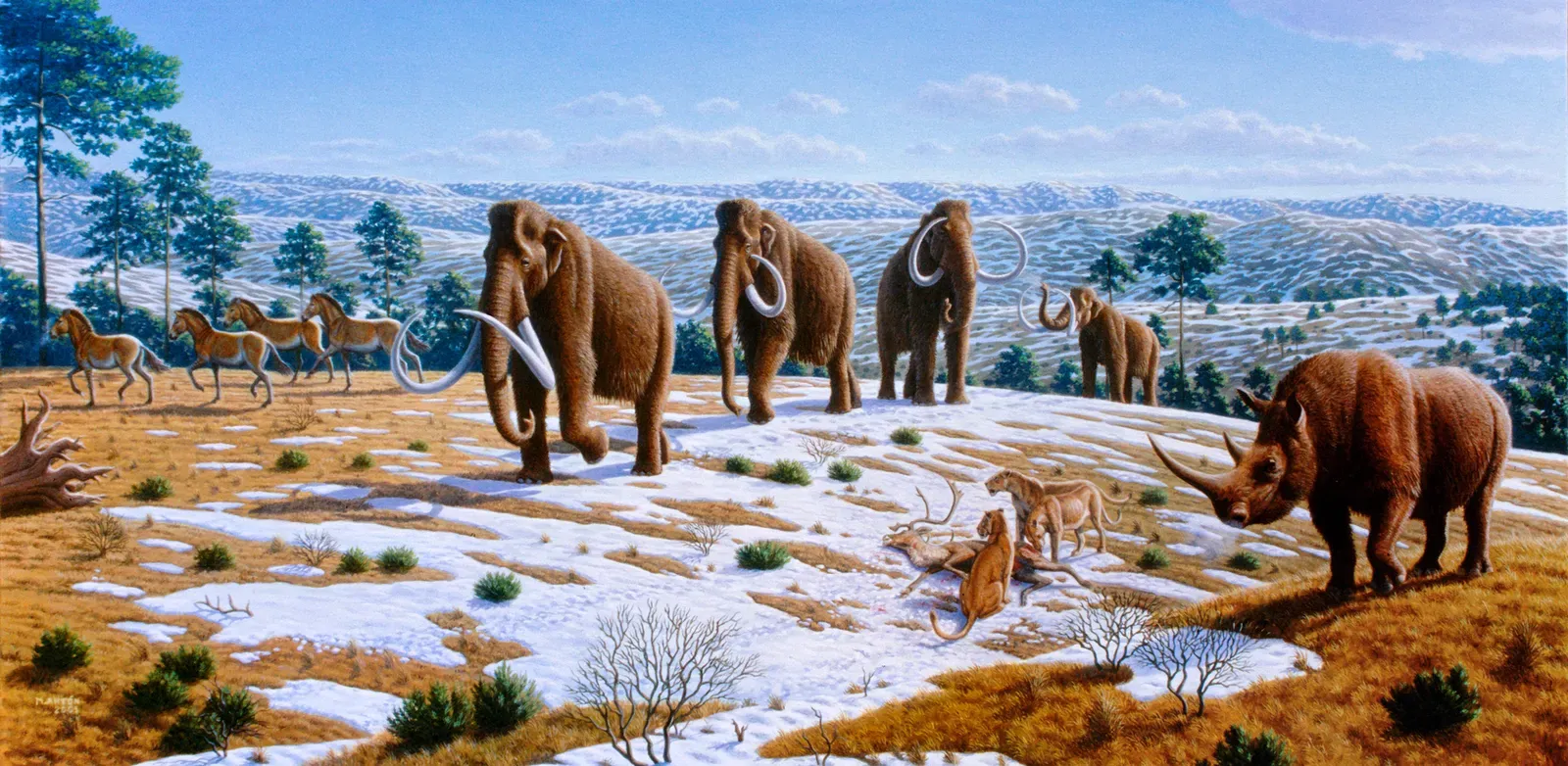
At the peak of glacial periods, ice covered seventy five percent of North America, nearly two miles thick in places, with trees on the front lines buried and pulverized beneath surging glacier lobes as species’ geographic ranges shifted southward. Honestly, it’s hard to imagine the scale of this transformation. Forests that had dominated the continent for millions of years were pushed into narrow strips of survivable habitat.
Because North America extends to lower latitudes, there was always room for most tree species to retreat, and throughout the Pleistocene forests advanced and retreated with the glaciers. This north south orientation of the continent became crucial. In Europe, east west mountain ranges blocked southward migration, causing many species to go extinct during glacial periods. North America’s geography allowed forests to survive and return, though not all species made it. More than ninety nine percent of old growth eastern forests have been cleared for agricultural and urban environments or replaced by second growth forests devoid of once dominant American chestnuts. The composition of modern forests reflects which species successfully navigated these prehistoric climate rollercoasters.
They Created Interconnected Underground Networks Still Active Today
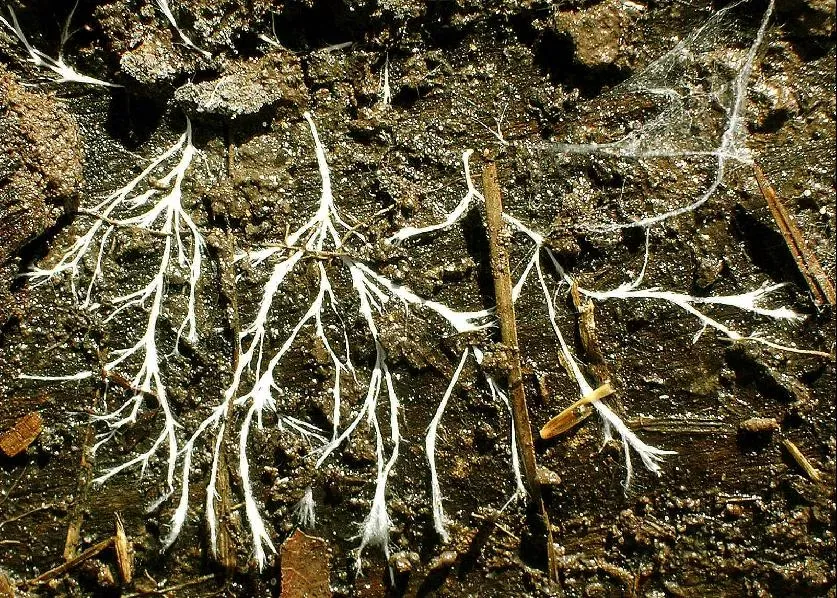
Old forests fix large quantities of atmospheric carbon dioxide, produce oxygen, create microclimates and irreplaceable habitats in sharp contrast to young forests, with old forests continuing to sequester carbon and fix nitrogen while creating microclimates that slow global warming. But there’s something else happening beneath the surface that most people never consider. Studies comparing second growth and old growth forests showed nitrogen fixing foliose lichens were much more abundant in older forests, with certain species completely absent from newer stands, and loss of old trees likely means losing many organisms along with their benefits including nitrogen fixation capabilities.
Even fragmented old growth forests still carry the ecological legacy of the past including microbes, genetics, and biodiversity, and this legacy can spread into adjacent stands, with enthusiasts hopeful that protecting layers around remaining patches can help old growth nurse surrounding secondary forest back to health. It’s like these ancient forests created underground communication and nutrient networks that persist even after the original trees are gone. Modern forests growing on sites once occupied by prehistoric woodlands benefit from soil communities and mycorrhizal networks established millennia ago. These invisible connections represent one of the most profound but least understood ways that prehistoric forests continue shaping contemporary ecosystems.
A Legacy Written in Every Landscape
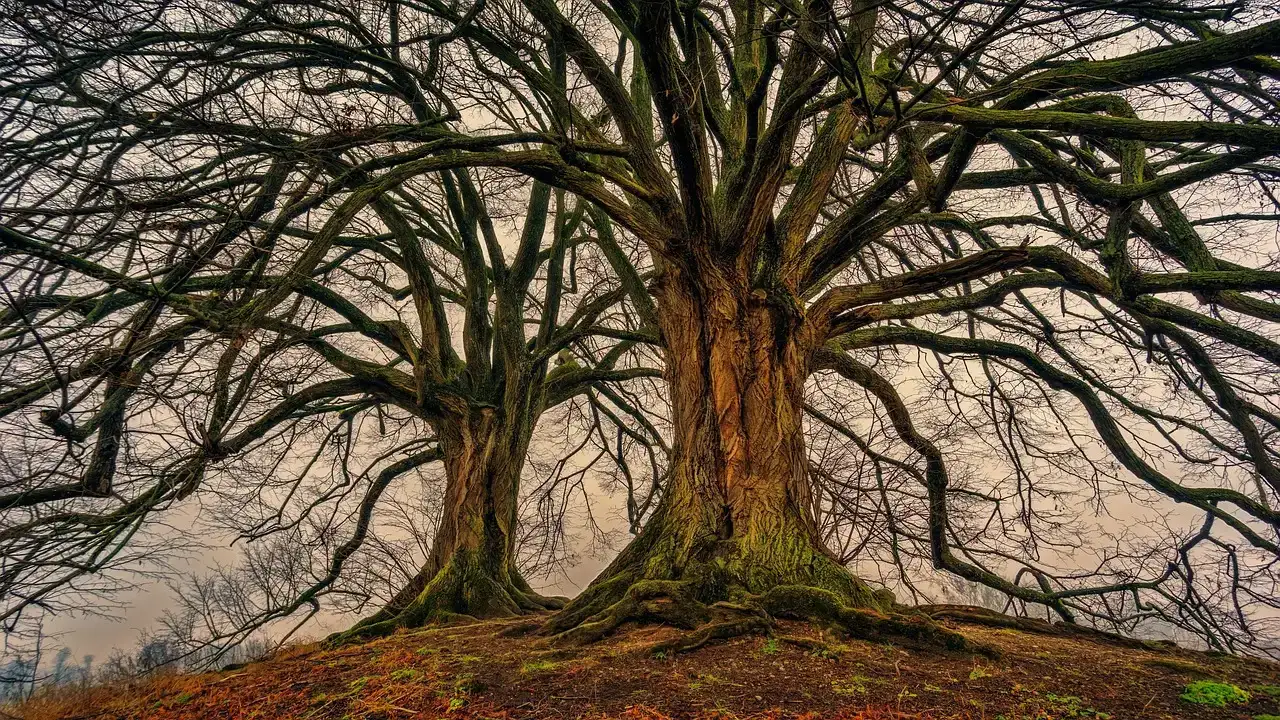
The forests that towered over ancient America weren’t just scenery. They were ecosystem engineers that fundamentally altered everything from atmospheric composition to soil chemistry to species distributions across the continent. Modern forests are at once largely unchanged and completely transformed, with the same taxa remaining despite ample opportunities for invasion and loss, yet relative abundance and distribution of most taxa have shifted dramatically with weakened relationships between forest composition and environment.
Every time you breathe deeply in a forest, you’re benefiting from systems established by trees that lived millions of years before humans existed. The soil supporting modern agriculture traces its fertility to prehistoric fire regimes and ancient plant decomposition. The future of forests and humanity will depend largely on understanding how different tree species and forest types across North America change in response to forces of both nature and humanity, as there are no more frontiers and only a future with the forests we have and consequences of the decisions we make.
What do you think about how these ancient ecosystems still influence the world around you? Did any of these connections surprise you? The story of prehistoric forests isn’t just history. It’s a continuing saga written into every corner of the American landscape.