
Mediterranean Europe – Centuries-old olive groves face widespread abandonment, threatening unique ecosystems and deep-rooted traditions.
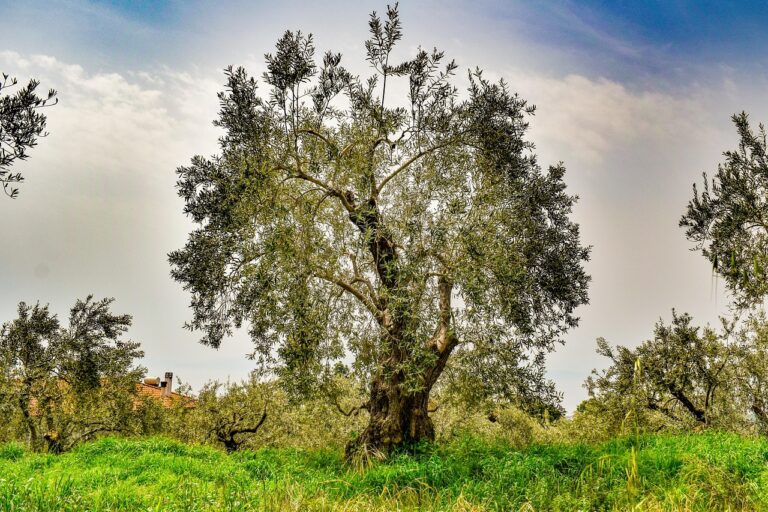
440 Million Trees Left to Wither (Image Credits: Imgs.mongabay.com)
440 Million Trees Left to Wither
Italy alone counts approximately 440 million abandoned olive trees, a staggering figure that underscores the crisis’s magnitude. Rural depopulation has accelerated this trend, as younger generations leave for urban opportunities, leaving vast landscapes untended. Diseases like Xylella fastidiosa compound the issue, ravaging trees in regions such as Puglia. Climate change intensifies these pressures through prolonged droughts and erratic weather patterns.
Federica Romano, program coordinator for the UNESCO Chair on Agricultural Heritage Landscapes at the University of Florence, highlighted these drivers during a recent Mongabay Newscast discussion. Human-induced environmental shifts exacerbate the degradation, turning productive groves into overgrown thickets. Wildlife in these areas now contends with disrupted habitats, as unchecked growth favors invasive species over native flora.
Ecological Fallout Hits Wildlife Hard
Abandoned groves erode biodiversity, a cornerstone of Mediterranean ecosystems. Open olive landscapes once supported diverse bird populations, pollinators, and ground-dwelling species adapted to this agro-mosaic. Neglect leads to soil degradation, increased erosion, and heightened wildfire risks from accumulated dry brush.
Studies reveal shifts in plant diversity, with annual species declining as woody invasives dominate. This homogenization harms insects and small mammals reliant on varied understory. Romano emphasized how these changes ripple through food webs, diminishing resilience for local wildlife. Restoration efforts could reverse this by reinstating balanced habitats.
Cultural Symbols at Stake
Olive trees embody more than agriculture; they represent peace, resilience, and continuity across millennia. Romano noted, “Olive groves hold [a] deep cultural significance that goes far beyond agriculture [and] food production across Europe. Olive trees have symbolized peace, resilience and continuity through thousands of years, appearing in religious contexts, but also in arts and historical narratives.” Abandonment severs these ties, fading traditions tied to harvest festivals and communal oil production.
- Ancient trees, some millennia old, vanish without care.
- Landscapes lose their iconic patchwork appearance.
- Socioeconomic chains break, as rural economies crumble without this staple crop.
Practical Paths to Revival
Innovative initiatives offer hope. Adoption schemes allow individuals and companies to sponsor tree maintenance, yielding oil in return. Tuscany’s Ager Oliva restores groves through such programs, removing over 500 tons of CO2 while boosting biodiversity. Umbria’s Le Olivastre revives 1,500 ancient trees, fostering community events and education on sustainable practices.
Agroforestry integrates trees with grazing or cover crops, enhancing soil health. Agroecology promotes resilient farming against pests and drought. Romano advocates these approaches to blend conservation with productivity. Resistant varieties and early disease detection, including sniffer dogs for Xylella, show promise in containment.
Key Takeaways
- Address depopulation via incentives for young farmers.
- Deploy agroecological methods to combat disease and climate threats.
- Expand adoption and rewilding to restore 440 million trees in Italy alone.
Europe’s olive groves can rebound through targeted action, preserving vital habitats and cultural legacies. Collective efforts now will safeguard this Mediterranean treasure for future generations. What steps would you take to support these groves? Share in the comments.