
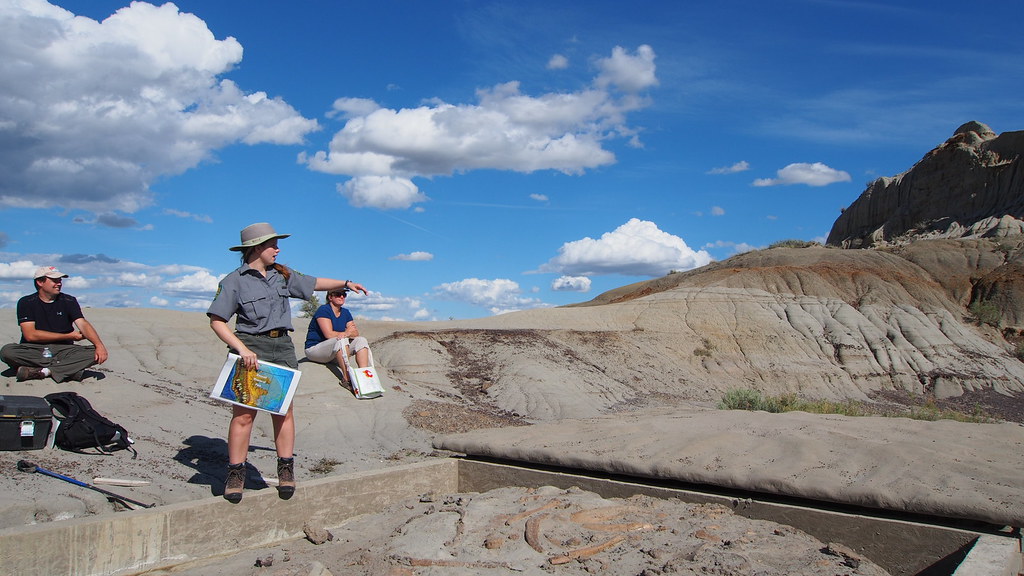
Ever watched someone spend eight hours uncovering just seven inches of ancient bone and wondered what keeps them going? Fossil hunting demands a level of patience that seems almost superhuman to the rest of us. It’s not just about digging in the dirt or scanning rocky beaches. It’s about developing a mindset that embraces slowness, accepts uncertainty, and finds joy in the tiniest of discoveries.
Fossil hunting can take lots of time and patience, and honestly, that’s putting it mildly. Whether you’re dreaming of becoming a professional paleontologist or simply want to bring more mindfulness into your everyday life, the habits of fossil hunters offer surprising lessons. Let’s explore how you can develop this rare quality that transforms ordinary people into patient seekers of ancient treasures.
Embrace the Art of Slow, Deliberate Observation
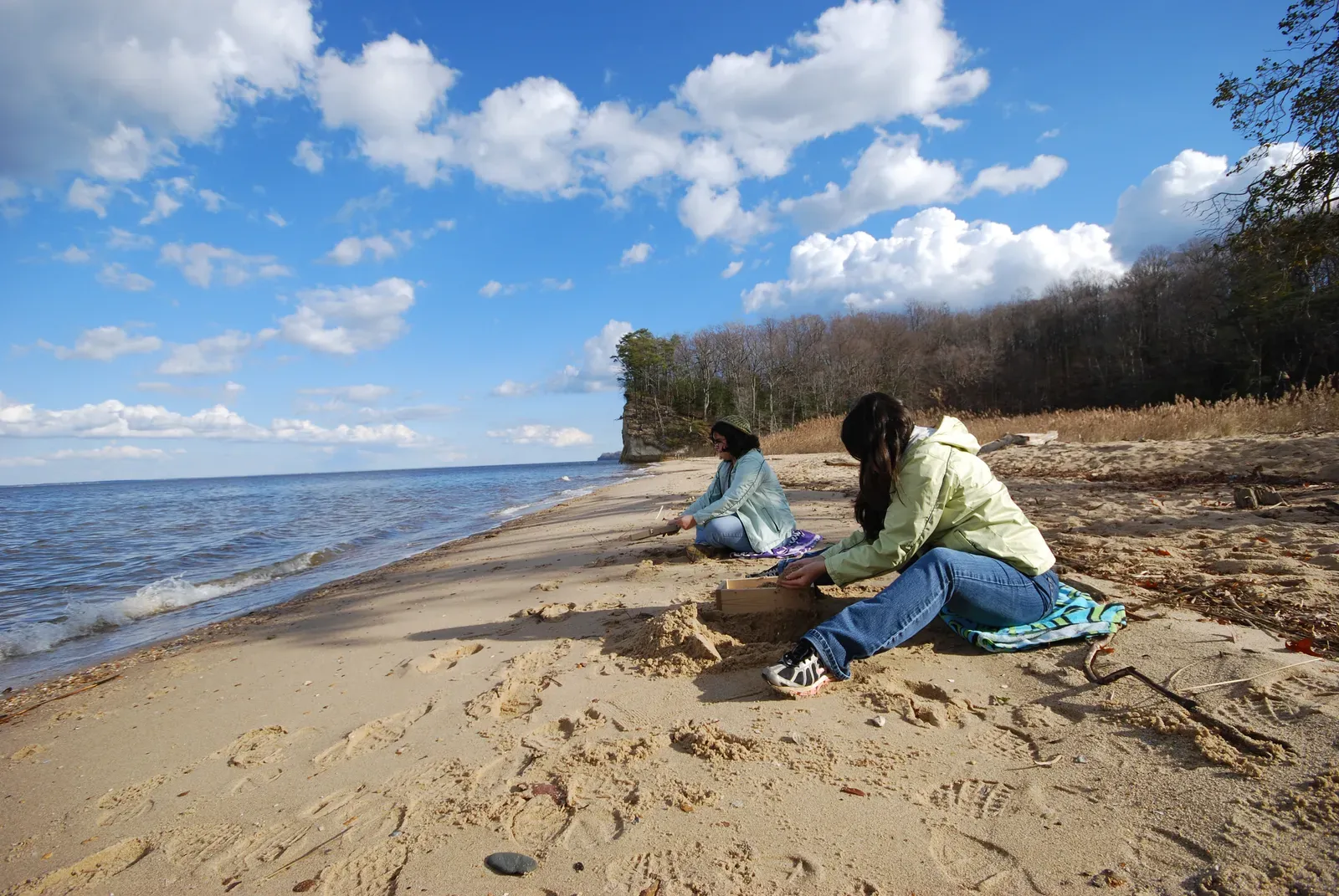
The most important tool you need for fossil hunting is your eyes, and success is largely down to luck, but the longer you spend on the activity, the more chance you have of spotting cool finds. Think about what that really means for a moment. You’re training yourself to look at the same patch of ground, the same cliff face, the same pile of pebbles with fresh eyes every single time.
Paleontologists simply take in everything they see, and when they find a fossil it’s usually because they just happened upon it, though experience hones skill in noticing unusual rocks. Start practicing this in your daily life by choosing one small area to observe closely for ten minutes. Notice textures, patterns, colors you’d normally overlook. This trains your brain to slow down and actually see rather than just glance. You’ll be amazed at what you’ve been missing.
Accept That Not Every Day Yields Treasure
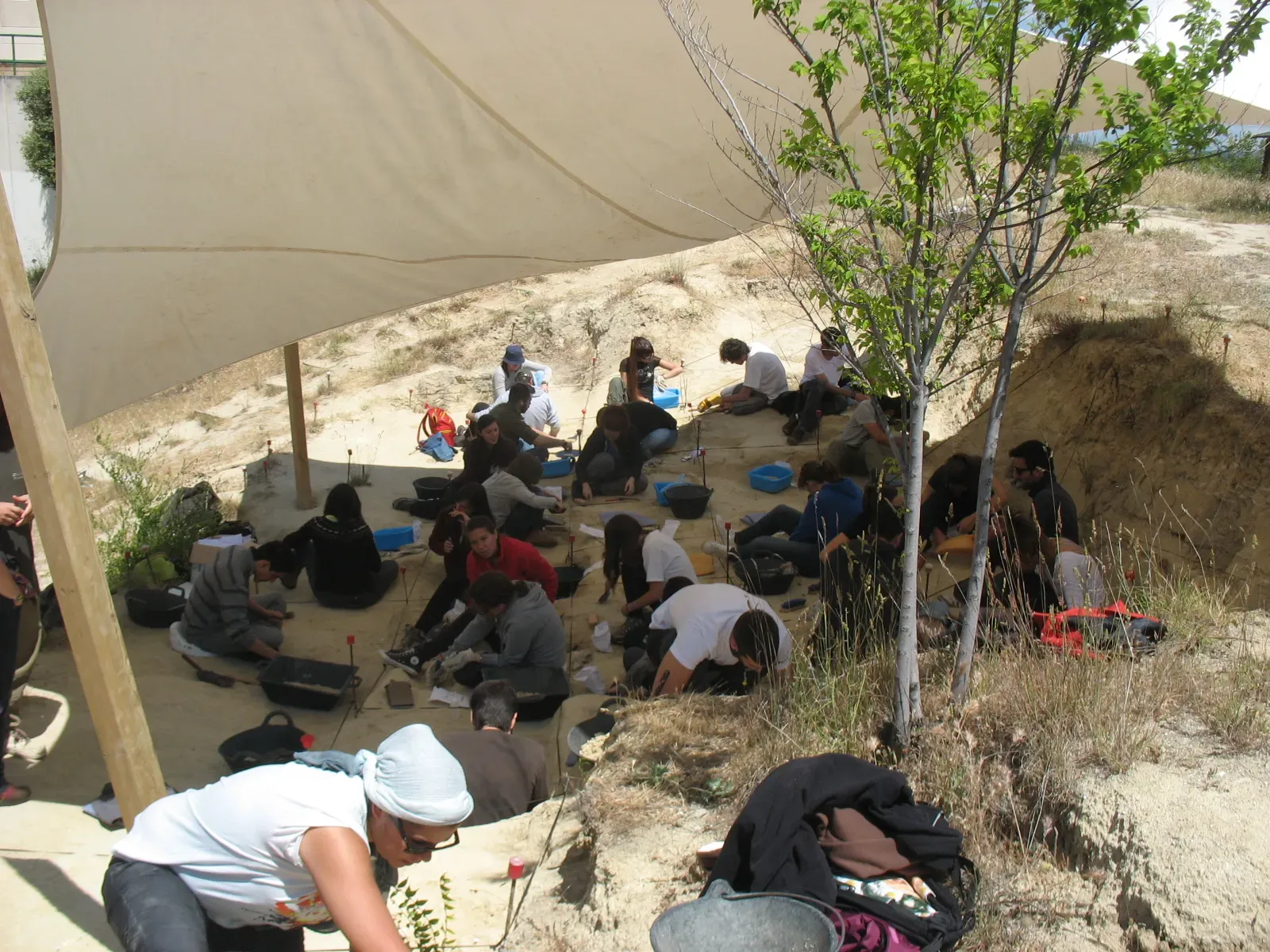
Here’s the thing about fossil hunting that nobody tells you upfront. Fossils at this location are not always easy to find so you will need to have a bit of patience and a little bit of luck. Some days you’ll search for hours and find absolutely nothing. Other days, something incredible appears right at your feet within minutes.
Learning to be okay with empty-handed days is crucial. The most important lesson of fossil hunting is to keep at it, as you never know what you’re going to find, and the more rocks you look at and pick up, the better your chances are of finding a fossil. This acceptance of uncertainty builds resilience in other areas too. When you stop expecting immediate results from every effort, you free yourself from constant disappointment. You learn to value the search itself, not just the finding.
Work in Microscopic Increments
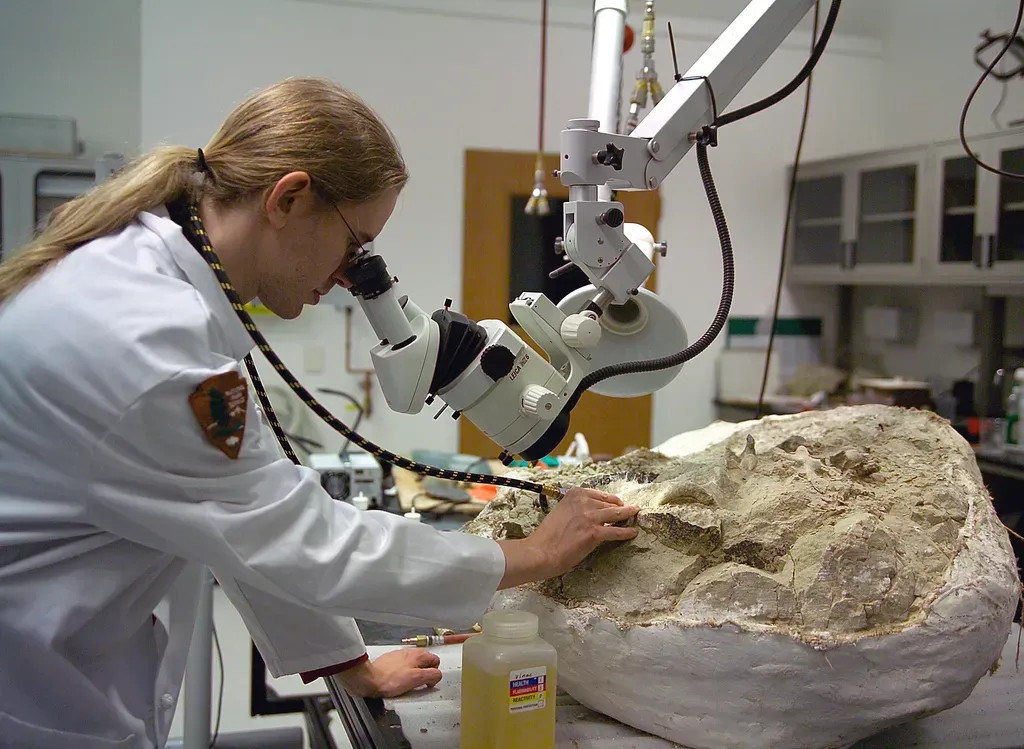
Imagine spending an entire workday to reveal just a few inches of fossil. It takes a lot of patience to work at a dig site, with one example being eight hours to uncover seven inches of bone along a rib. That level of detailed, painstaking work would drive most people absolutely crazy.
Manual dexterity is one of the top things you need to be a fossil preparator, along with a lot of patience. You can cultivate this skill by taking on projects that require tiny, repetitive actions. Try intricate model building, detailed embroidery, or even coloring mandalas. The key is choosing activities where rushing ruins everything. You’ll discover that working grain by grain, stitch by stitch, actually becomes meditative once you surrender to the pace.
Develop Tolerance for Uncomfortable Conditions
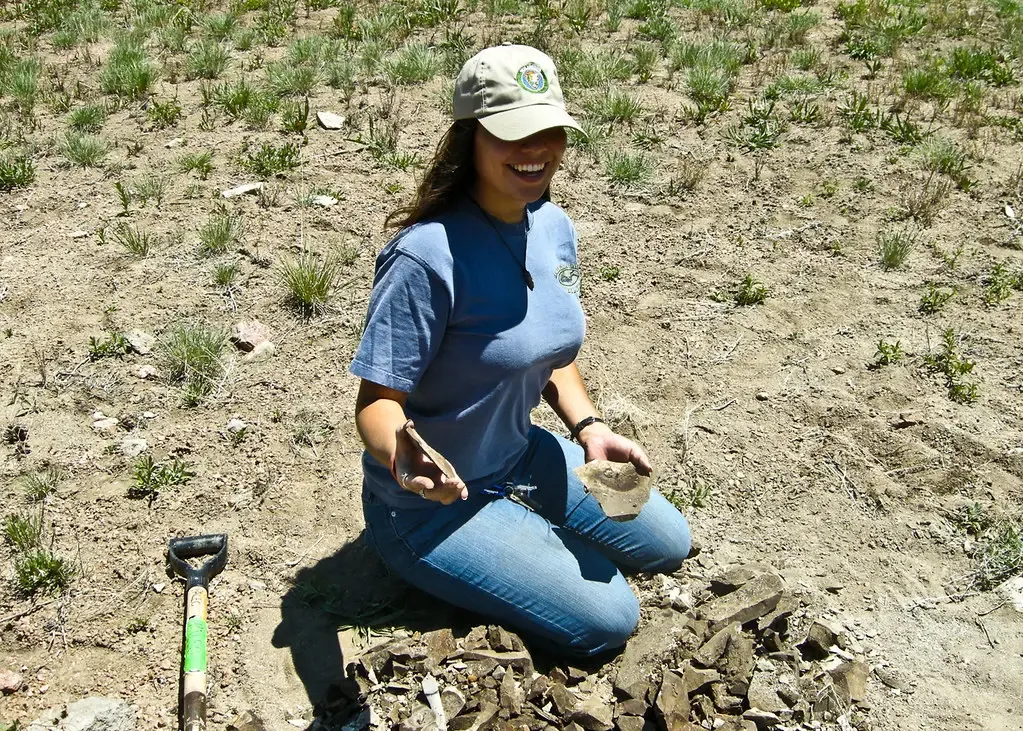
While going on an expedition to search for fossils may sound glamorous, it involves a lot of hard work – sometimes in pretty extreme environments. Fossil hunters work in blazing heat, bitter cold, and everything in between. They deal with physical exhaustion, isolation, and the constant challenge of unpredictable conditions.
Building patience often means building discomfort tolerance. You don’t need to book a trip to the Gobi Desert to practice this. Start small by sitting with minor discomforts instead of immediately fixing them. Delay gratification deliberately. Wait five extra minutes before checking your phone, sit through commercials without fast-forwarding, or take the scenic route instead of the fastest one. These small acts train your nervous system to handle waiting without anxiety.
Cultivate Scientific Curiosity Over Instant Answers
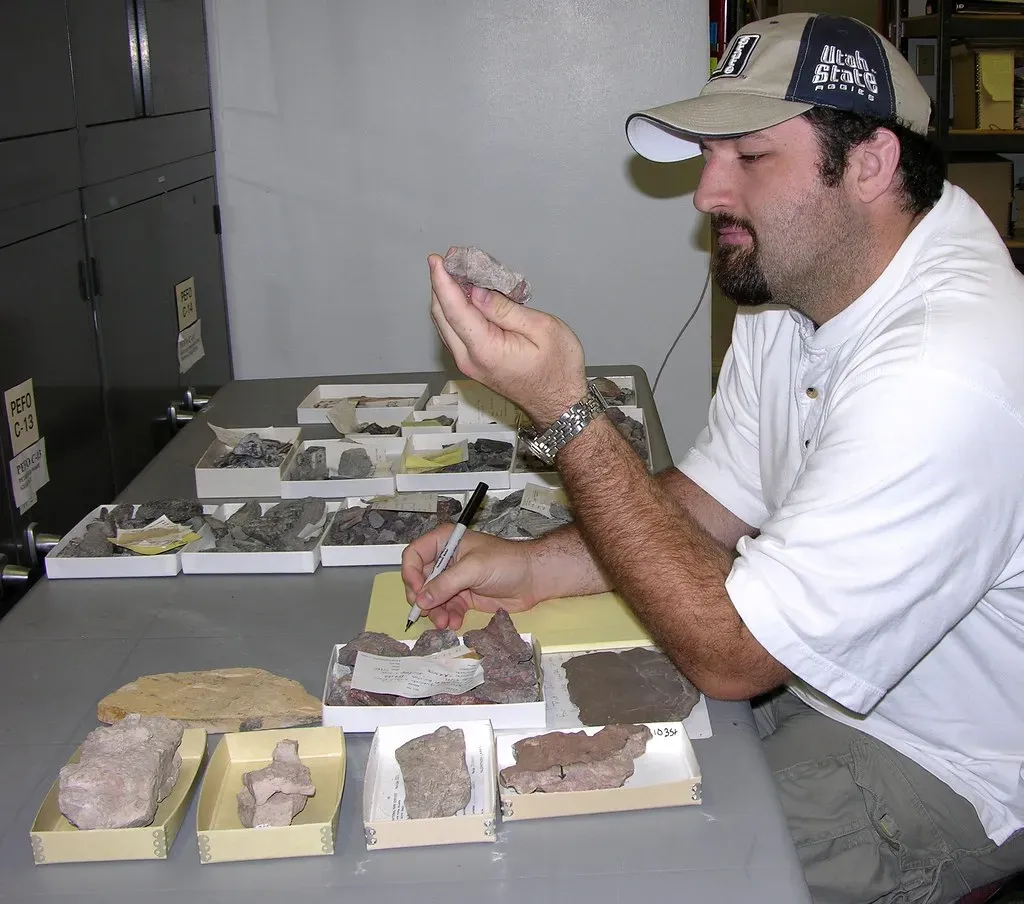
Successful fieldwork requires hard work, perseverance, and a bit of luck. Fossil hunters aren’t just looking for things; they’re asking questions that might take years or even decades to answer. The process of excavating fossils, analyzing specimens, and piecing together ancient ecosystems can span years or decades, requiring patience and perseverance.
Shift your mindset from needing immediate answers to enjoying the investigation itself. When you encounter a problem or question, resist the urge to immediately search for the solution online. Sit with the mystery for a while. Let your mind wander around possibilities. Read broadly rather than narrowly. This approach transforms learning from a race to a journey, and you’ll find yourself naturally developing more patience for complexity.
Practice the Long Game Perspective
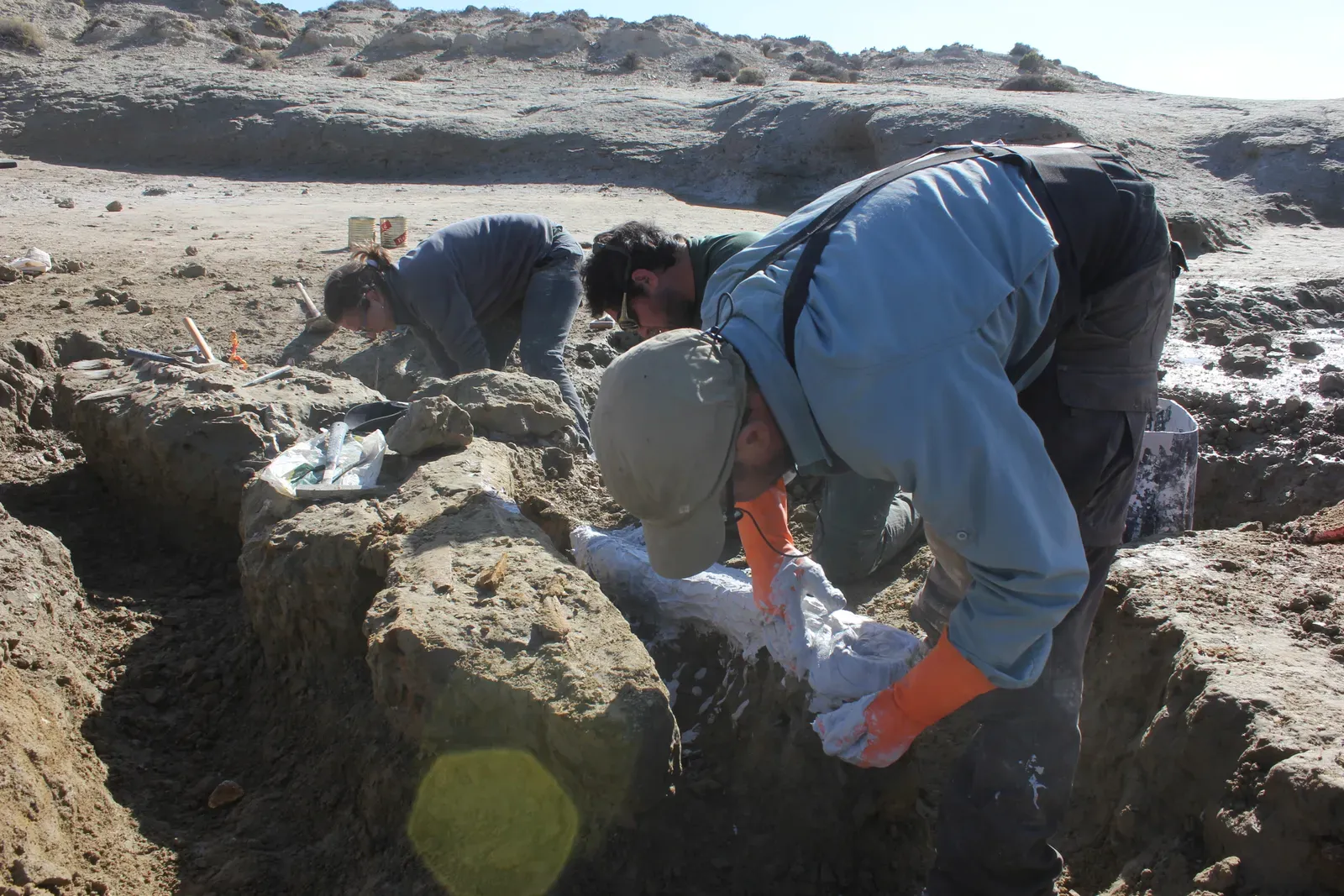
If you want to be like a paleontologist, you’ll want to work slowly and carefully, remembering to take photos, videos, and notes when you find fossils. Every tiny action matters because it contributes to something much larger than the moment. Fossil hunters understand they’re part of a continuum stretching millions of years backward and potentially decades forward.
You can adopt this long game perspective in your own pursuits. Whether you’re learning a skill, building a relationship, or working toward a goal, remind yourself that meaningful things take time. Document your progress not to show others, but to remind yourself how far you’ve actually come. When you zoom out and see the bigger picture, today’s frustrations shrink to their proper size. isn’t really about waiting; it’s about trusting the process even when progress feels invisible.
Conclusion
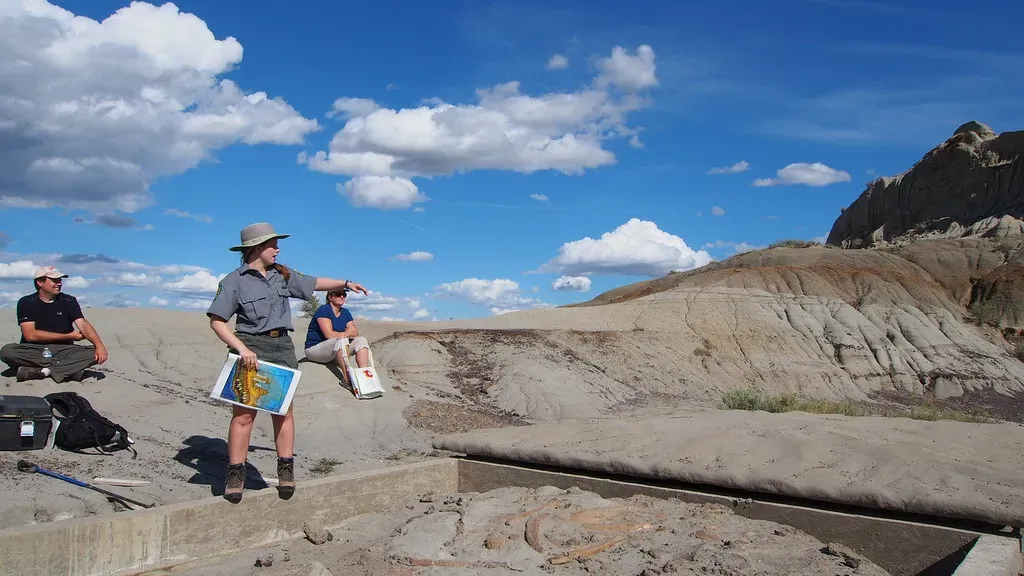
isn’t something you’re born with. It’s forged through repetition, through countless hours of searching with nothing to show for it, through the willingness to work slowly when everything in our modern world screams for speed. These six approaches offer you a roadmap to developing that same quality, whether you ever pick up a rock hammer or not.
What speaks to me most about fossil hunting is this: these people spend their entire careers searching for fragments of creatures that died millions of years ago. They know most days won’t yield discoveries. They accept that their most significant find might not happen until years into their work, or possibly never. Yet they keep looking, keep carefully brushing away sediment grain by grain, keep returning to barren hillsides with hope renewed. That’s not just patience. That’s faith in the value of the search itself. Have you considered what you might discover if you brought that same mindset to your own life?