
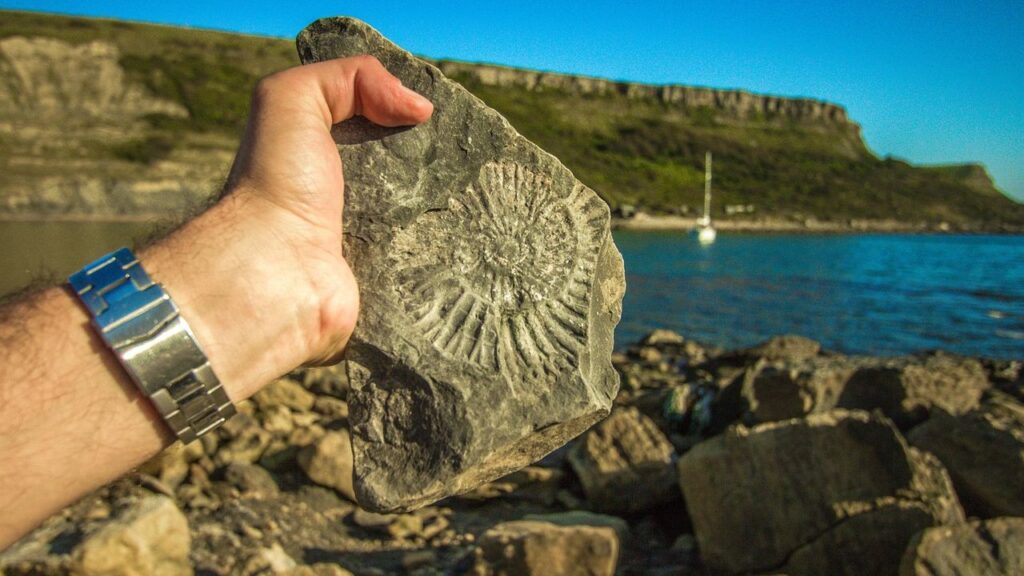
There’s something profoundly magnetic about walking along the Atlantic coast with your eyes fixed on the sand. You’re searching for remnants of creatures that ruled the seas millions of years before humans even existed. The Atlantic seaboard is more than a vacation destination; it’s a living museum where the past literally washes ashore with every tide.
Amid rugged foothills and rock cliffs along the Atlantic Ocean, this phenomenon is revealing one of North America’s richest caches of fossils. From ancient sharks with teeth the size of dinner plates to prehistoric whales that once roamed shallow seas, the coastline holds secrets that continue to captivate scientists and amateur collectors alike. What will you find on your next beach walk?
The Power of Tides in Fossil Revelation

The world’s highest tides rush and recede over 40 feet twice per day in the Bay of Fundy, and this phenomenon is revealing one of North America’s richest caches of fossils. It’s hard to wrap your head around how transformative these tides are until you witness them yourself. Once the tide begins to roll in, it rises a foot every six minutes, and can easily overwhelm a beach in less than an hour.
These relentless tides act like nature’s own excavation crew. The coastal cliffs along the Bay of Fundy are constantly assailed and eroded by extreme ocean tides and storms and reveal new fossils every day, making the surrounding cliffs and beaches the best places to go fossil hunting in Nova Scotia. Every storm, every surge of seawater chips away at ancient rock formations, freeing fossils that have been locked away for millions of years. “It’s a race against the tides,” says Matt Stimson, a geology and paleontology curator at the New Brunswick Museum in Saint John. What the ocean gives, it can just as quickly take away.
Megalodon Teeth: The Crown Jewels of the Coast
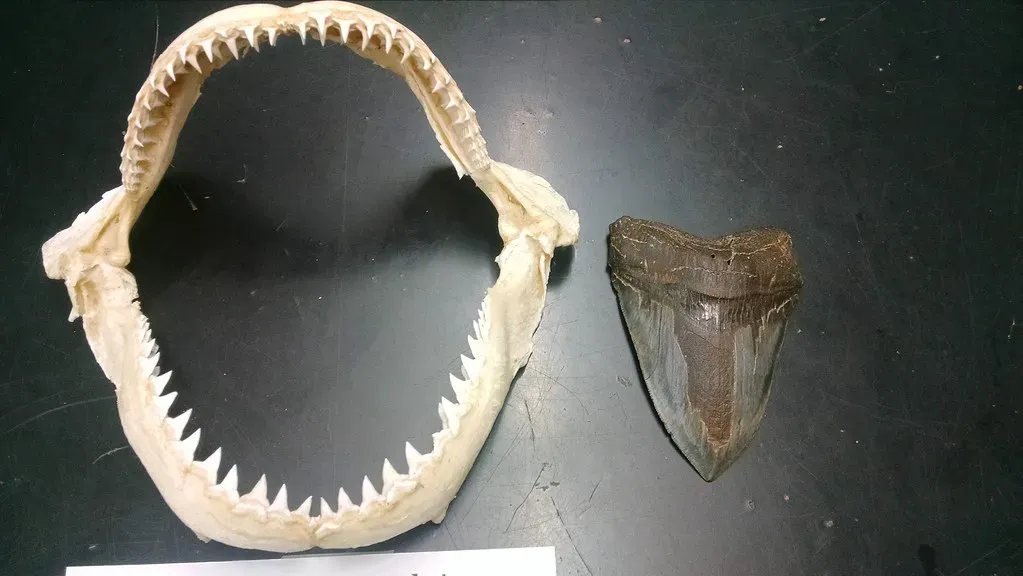
Let’s be real, finding a megalodon tooth is the holy grail for most fossil hunters. In the United States, they are mostly found along the southeastern Atlantic coast in Florida, Georgia, North and South Carolina, and Maryland. These massive predators once patrolled waters that are now part of our familiar coastline, and their teeth remain as spectacular proof of their existence.
The tooth came from the upper left jaw of a megalodon that was probably 45 to 50 feet long and lived about 15 million years ago. Imagine that for a moment. A nine-year-old girl in Maryland made headlines when she discovered one of these ancient treasures in the Chesapeake Bay on Christmas morning. While the Calvert Cliffs are famously fossil-producing, megalodon teeth this big are hard to come by, and there are none in the Calvert Marine Museum’s collection over six inches. The thrill of discovery never gets old, whether you’re a seasoned paleontologist or a curious child with brand new waders.
The Calvert Cliffs Treasure Trove
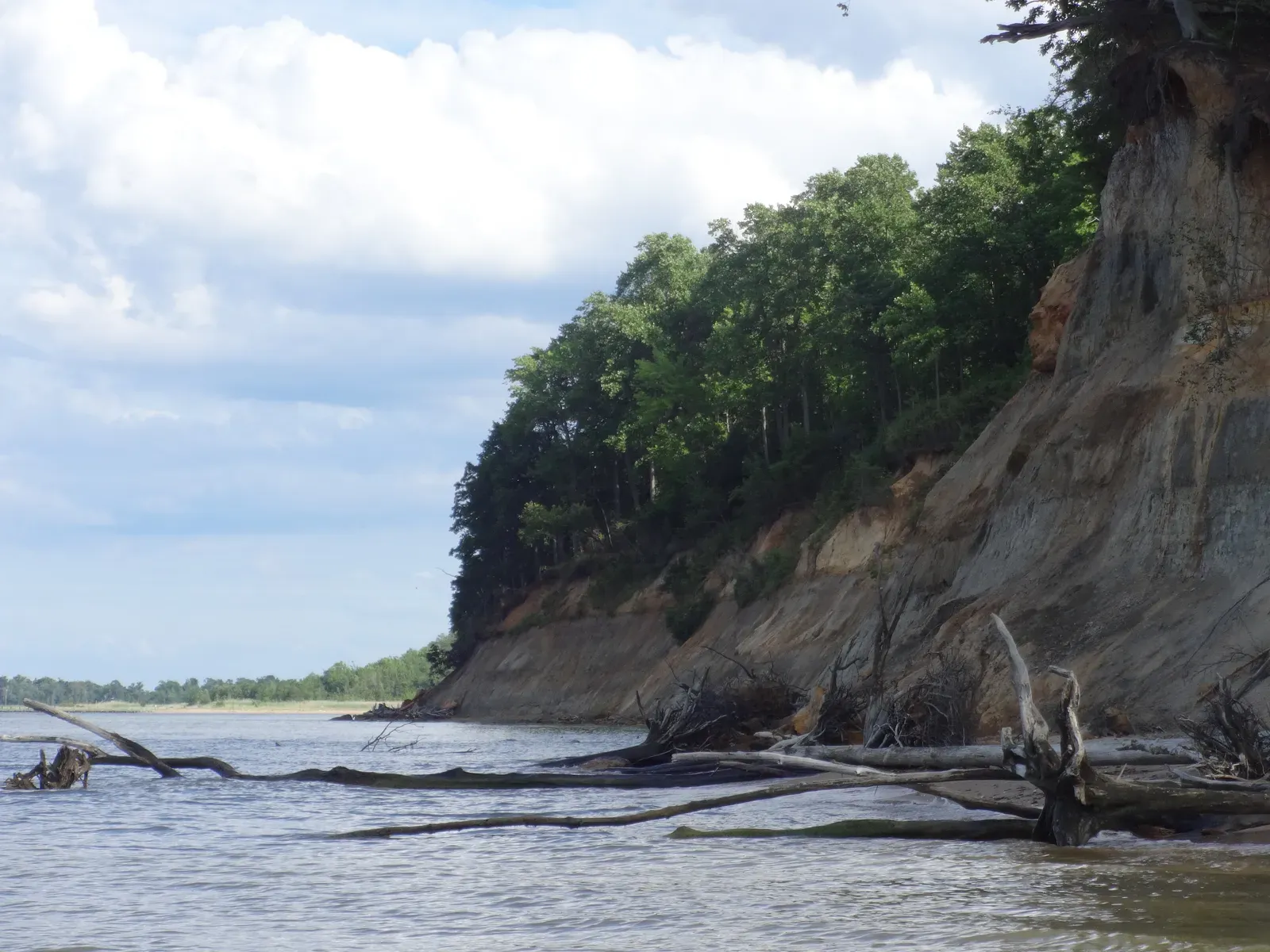
These cliffs, composed of sedimentary rocks from the Miocene epoch, hold a wealth of marine fossils dating back 10 to 20 million years. Walking along the Calvert Cliffs shoreline, you’re essentially time traveling through ancient seabeds where massive marine predators hunted their prey.
Shark and ray teeth are common fossils in Cretaceous and Cenozoic sediments throughout the Coastal Plain. Here’s the thing: you don’t need fancy equipment to start finding fossils. SLOWLY walk the beach near the water line and look for anything black, as fossils are often very dark in color and contrast from sand and other shells. Honestly, patience is your best tool. The Middle Eocene Gosport Sand in southwestern Alabama contains more than 500 species of fossil mollusks. The sheer variety is staggering.
Ancient Whale Discoveries From Coastal Excavations

The 14 million year old fossils were found by Dr. Alton Dooley and other scientists from the Virginia Museum of Natural History. Whale fossils along the Atlantic seaboard have unlocked mysteries about how these creatures evolved from land dwellers into ocean giants. 50% of the skeleton was recovered, making it one of the most complete whales in the eastern United States.
Fossils attributed to the type species B. cetoides were discovered in the southeastern United States. These prehistoric whales, particularly Basilosaurus, represent a pivotal moment in marine mammal evolution. Basilosaurus is a genus of large, predatory, prehistoric archaeocete whale from the late Eocene, approximately 41.3 to 33.9 million years ago, and was the first archaeocete and prehistoric whale known to science. The discovery of such complete specimens along our coast is nothing short of remarkable.
North Carolina’s Copper Red Megalodon Mystery

Among the most fascinating discoveries tied to this legendary shark is the copper-red North Carolina Megalodon tooth, a fossilized treasure that captures both natural history and collector fascination. Not all megalodon teeth look the same, and that’s what makes certain finds extraordinarily special. Over millions of years, iron-rich minerals seeped into the teeth, infusing them with that striking red tint.
These copper red colored teeth are quite rare and very difficult to find which adds to their rarity. I know it sounds crazy, but the chemical composition of the sediment where these teeth fossilized created something that looks like a natural gemstone. The rivers that produce them – such as those in the northeastern corner of the state – yield limited quantities, making each discovery an event worth celebrating. For collectors, stumbling upon one of these rare specimens is like winning the lottery.
Footprints Frozen in Time

Significant recent discoveries include invertebrate and vertebrate tracks trapped in stone along the beaches of the Atlantic coast, as when researchers stopped looking just for bones, the discoveries were eye-opening. Think about it: an animal only leaves one skeleton, but it can leave thousands of footprints during its lifetime.
They include the jaw of a proto-reptile about the size of a salamander and the tracks of the continent’s earliest, possibly tiniest, dinosaur (about two inches long). These trace fossils tell stories that bones alone never could. The otherworldly red sandstone cliffs of Dennis Beach and neighboring Waterside Beach have revealed ancient tetrapod and proto-dinosaur footprints. You can actually see where these creatures stepped, stumbled, and moved through their ancient world. It’s intimate in a way that’s hard to describe.
The Thrill of Amateur Discovery

Paleontology, the study of fossils is one of the few fields where discoveries can come from experts and amateurs alike. You don’t need a PhD to make a meaningful contribution to science. While researchers make most of the discoveries in this less visited province, citizen scientists – students, local residents, and even visitors – have been involved in a number of significant finds.
The next time you walk along the beach, look closely at everything you pass; sometimes the most incredible treasures are hidden in plain sight! The vast majority of people walking these beaches have no idea what’s beneath their feet. It might be safe to assume that almost daily someone finds a fossil on our barrier island beaches. Every incoming tide is a fresh opportunity, every storm a potential revelation. The question isn’t whether fossils are out there, but whether you’ll be the one to spot them.
Conclusion
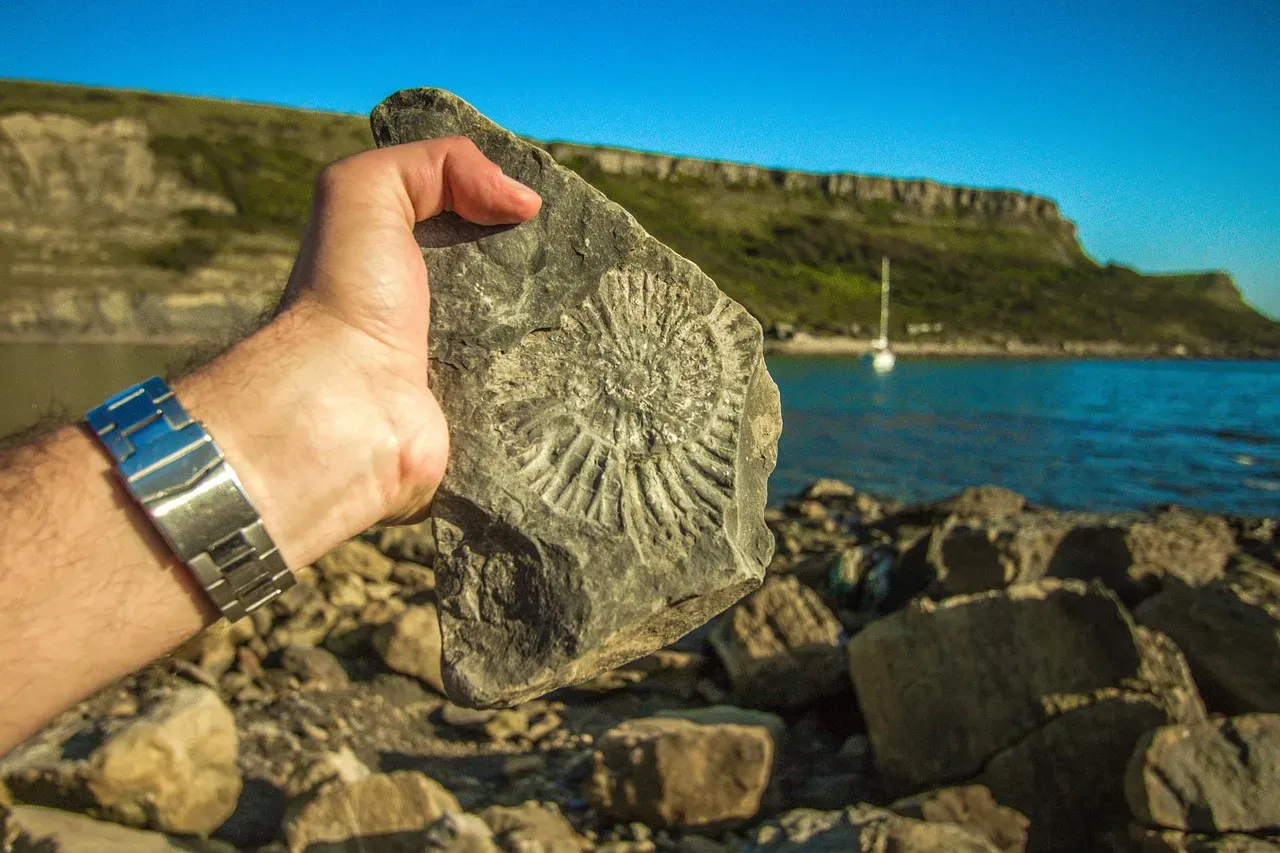
The Atlantic seaboard remains one of the most accessible and rewarding fossil hunting destinations on the planet. From massive shark teeth to delicate impressions of ancient footprints, the coastline continues to yield treasures that reshape our understanding of prehistoric life. Strong storm surges and high waves often act as natural excavators, stirring up the seabed, eroding the shoreline and shifting layers of sediment, to expose fossils that have been hidden for millions of years.
Whether you’re a seasoned collector or someone who’s never searched for fossils before, the coast offers something magical: a tangible connection to Earth’s deep past. The next megalodon tooth, whale vertebra, or dinosaur footprint could be waiting just beneath the next wave. Have you checked your local beach lately?