Imagine you’re walking through a quiet cornfield in Iowa, maybe checking on drainage pipes or hunting for berries, when your boot strikes something unusually large buried in the soil. You dig a little deeper, and suddenly you’re staring at a bone the size of a soccer ball. It’s hard to wrap your head around what that means at first.
Then it hits you. You’ve just stumbled onto a graveyard from another world entirely, a world where giants roamed freely and the landscape looked nothing like the orderly rows of soybeans you see today. These weren’t just any giants, though. These were mammoths, towering creatures with massive tusks and shaggy coats designed for survival in one of the harshest climates Earth has ever known.
The Midwest’s Hidden Mammoth Legacy
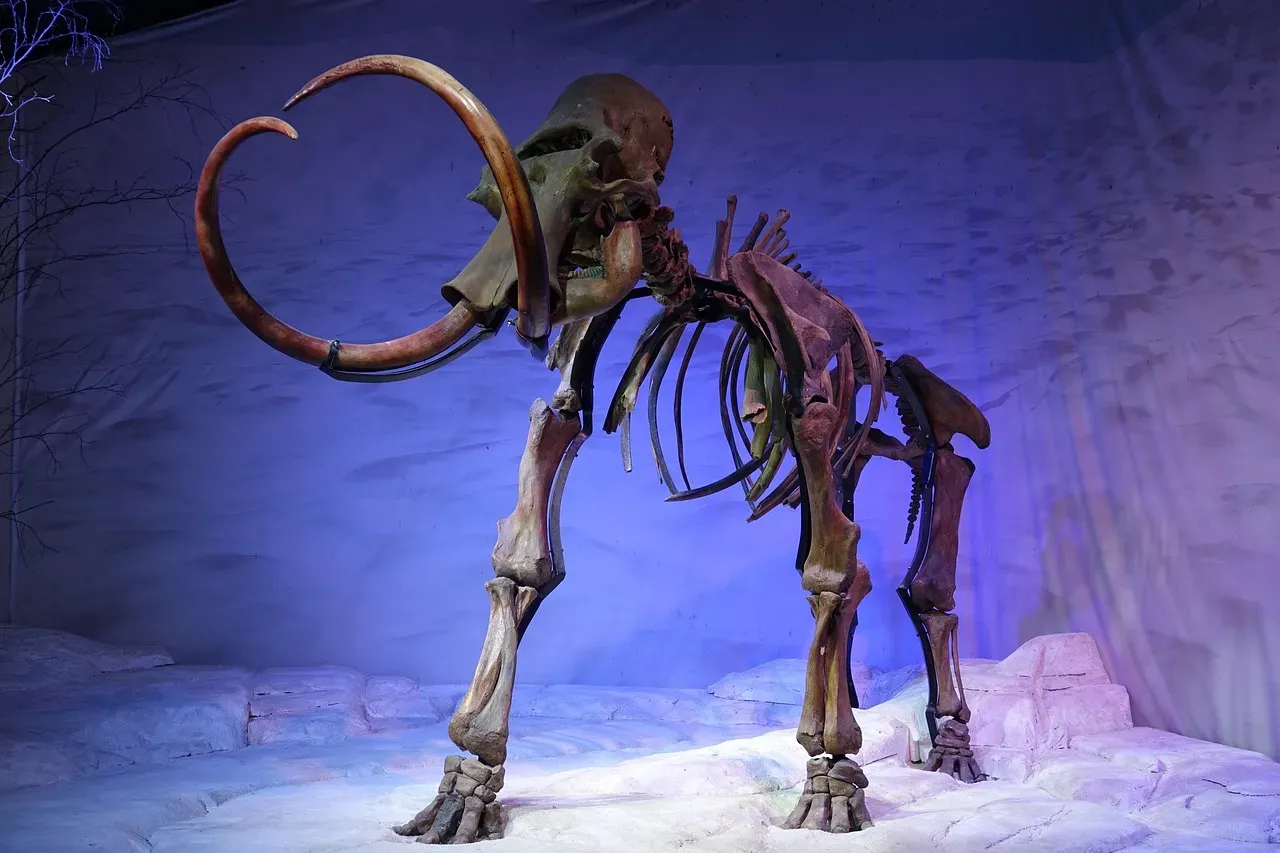
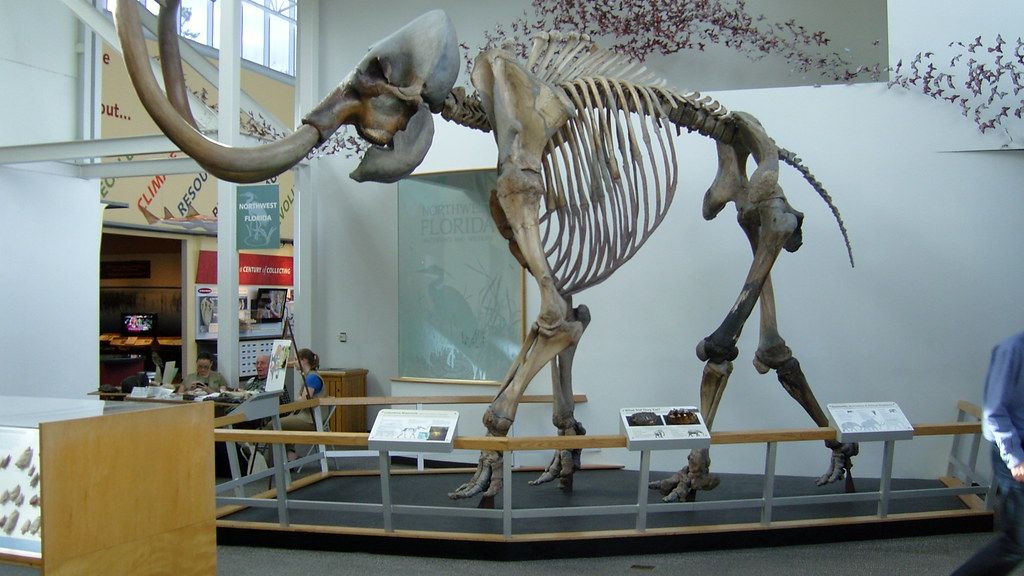
The American Midwest holds one of the most remarkable concentrations of Ice Age treasures anywhere on the continent. The region has some of the highest densities of terminal Pleistocene proboscideans, with over 627 localities and more than 1,600 specimens curated in 45 repositories from 12 states. That’s an astonishing number when you really think about it.
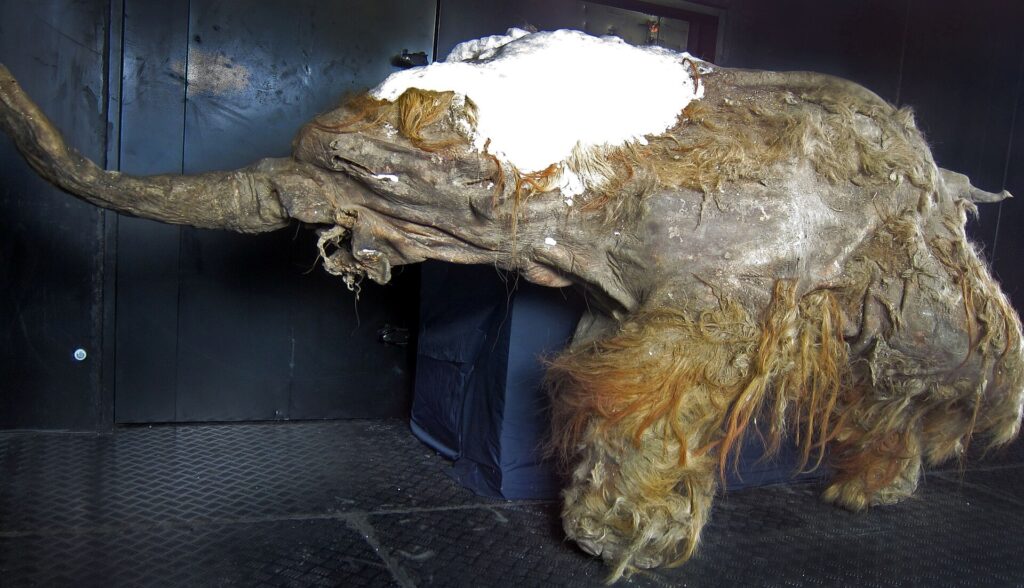
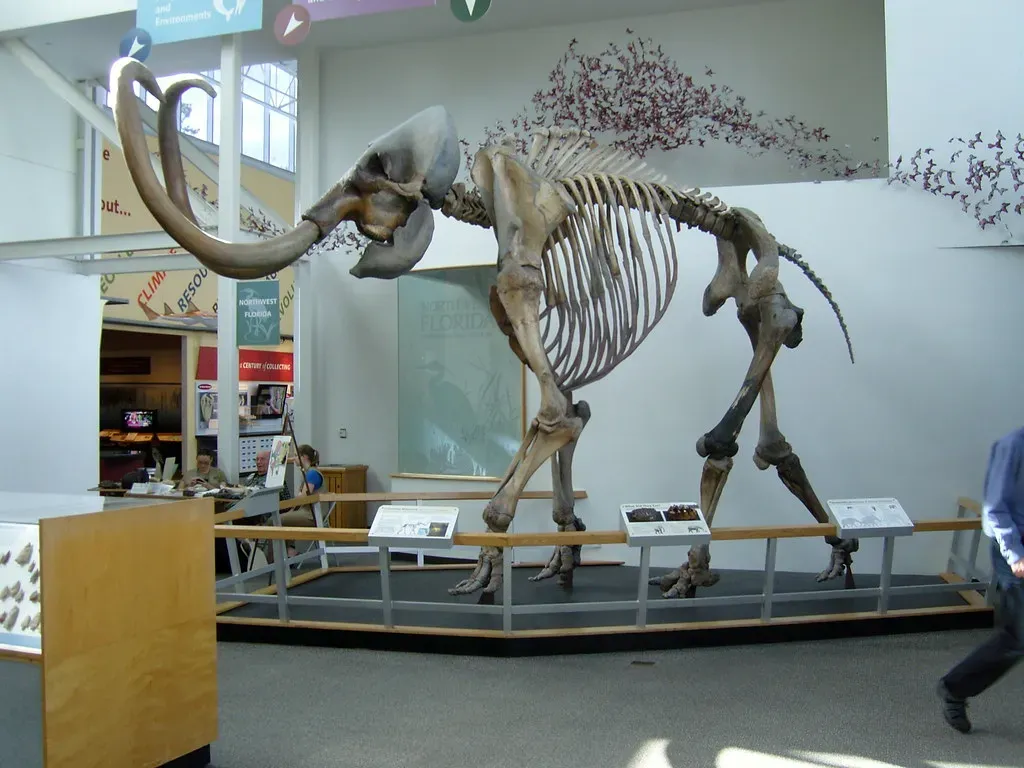
Although the region is dominated by the American Mastodon, two species of mammoths were also documented for the Midwest: woolly mammoths and Jeffersonian mammoths. These creatures lived during a time when the landscape itself was radically different. Picture vast stretches of cold grassland where thick sheets of ice loomed just to the north.
When Two Worlds Collided in Iowa
In 2010, an Oskaloosa man and his sons discovered part of an Ice Age mammoth skeleton while hunting for berries on their land, including an entire mammoth femur, intact. The knee joint of the femur is the size of a soccer ball, which gives you some sense of just how enormous these animals truly were. The discovery turned out to be just the beginning of something far more intriguing.
As of 2015 the site is thought to contain parts of at least three woolly mammoths, none of them complete, and examination of the teeth suggests that all the individuals are the smaller woolly mammoths. The discovery of separate species at the same site has raised a host of questions, including whether the species lived together, at the same time, or years apart. It’s hard to say for sure, honestly.
Nebraska’s Battle Frozen in Time
The fossils were discovered in 1962 in the Nebraska Panhandle, when a pair of workmen stumbled on a large thighbone while installing an electric line on a ranch. What they found was completely unprecedented. The two mammoths’ tusks are locked together, intertwined like a pair of twisted tree trunks.
Scientists believe that like modern elephants, male mammoths periodically produced extra testosterone, which drove them to fight over mates. The two Columbian mammoths, around 40 years old each, battled for mating rights, but with the broken tusks allowing each to jockey in close, the titans locked together and never separated, eventually falling to the ground after hours of exhaustive pushing or moments after a decisive twist. They died together, still entangled in their ancient struggle.
South Dakota’s Mammoth Death Trap
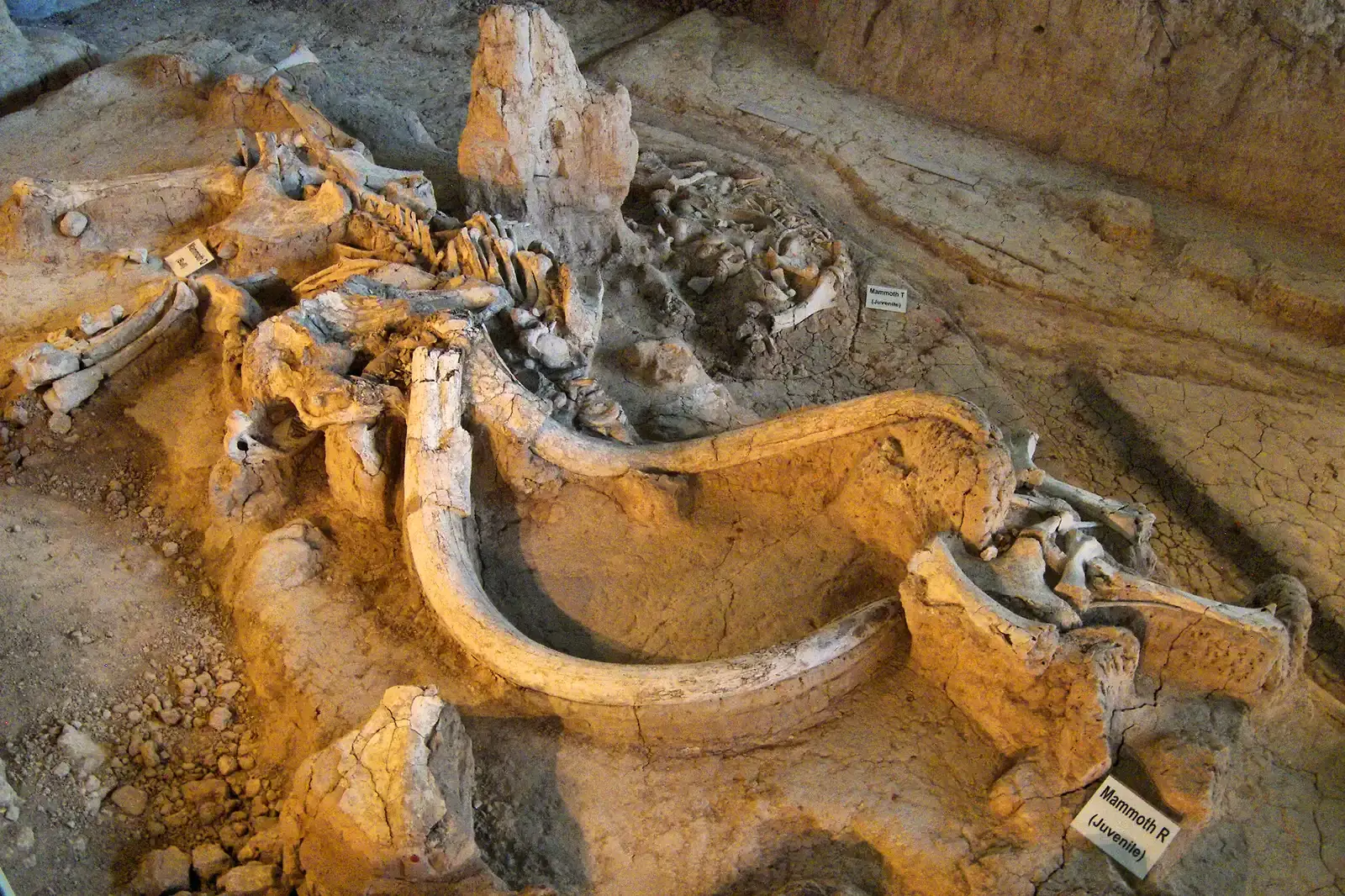
Hot Springs, South Dakota, houses what might be the most extraordinary mammoth site in the entire world. The site contains the largest concentration of mammoth remains on Earth, preserved in a sinkhole that formed around 140,000 years ago. Even though the site is nowhere near being completely excavated, already 61 mammoths have been found.
Here’s what makes this site so unusual. All of the mammoths are males and most of these males are young adults, with no female mammoths found to date. Because of the steep sides of very slippery Spearfish Shale, mammoths were occasionally trapped as they were unable to find a foothold and climb out of the sinkhole during periods of low water, ultimately dying of starvation, exhaustion, or drowned in the pond. You can almost imagine these young males, wandering alone and taking risks, drawn to the water and unable to escape once they ventured inside.
Michigan’s Farmer and His Unexpected Harvest
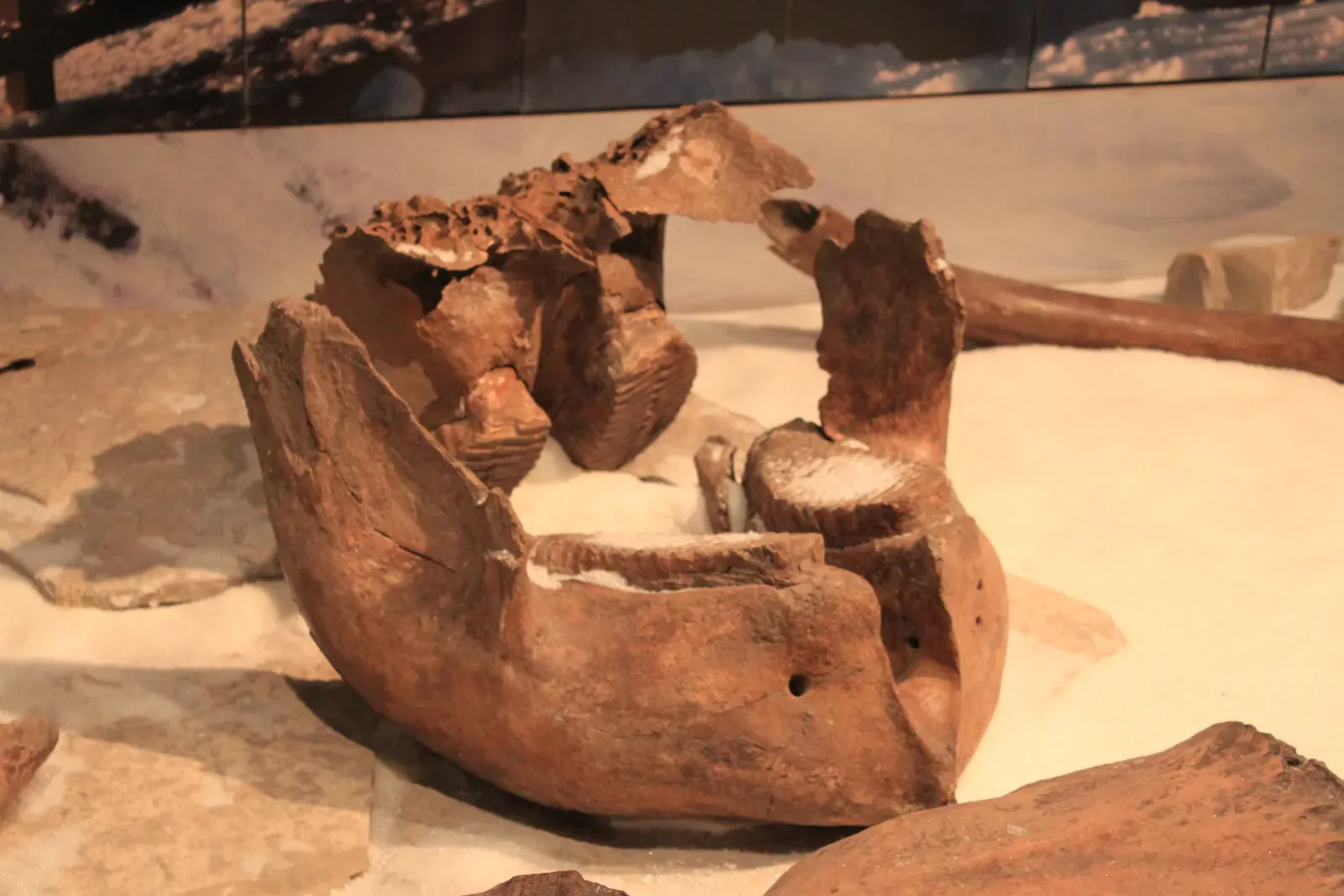
Farmer James Bristle and his neighbor were digging a trench to install a drainage pipe in his wheat field on the outskirts of Chelsea, Michigan, when their backhoe suddenly struck something hard about eight feet underground, which turned out to be an enormous three-foot-long bone. Buried for 15,500 years in the clay of a former pond bed and protected from exposure to oxygen, a massive woolly mammoth skull with both 9-foot tusks still attached came into view, belonging to an adult male in its mid 40s.
The discovery got even more fascinating when researchers examined the site more closely. The woolly mammoth was scavenged by Native Americans, somewhere around 15,500 years ago. Mammoths roamed North America until their disappearance about 11,700 years ago, and the remains of only 30 of the massive prehistoric animals have previously been found in Michigan. Think about that for a moment. Only thirty specimens discovered in an entire state.
The Mystery of Their Disappearance
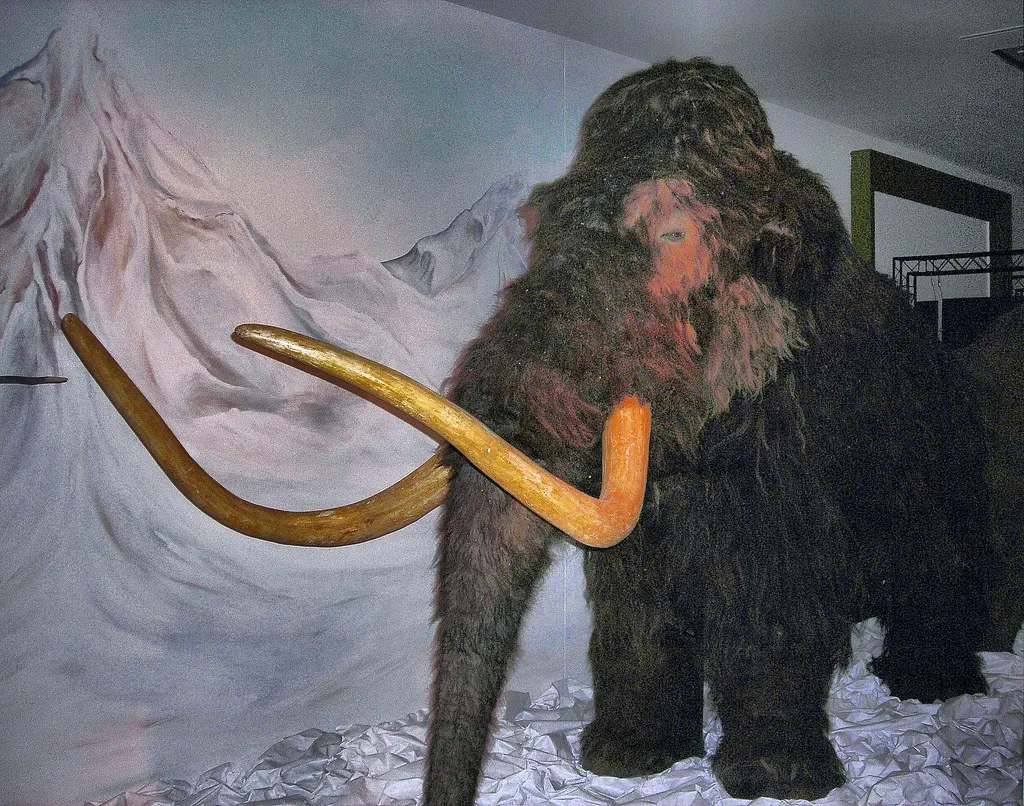
Woolly Mammoths remained in the Midwest long after the ice had receded, ultimately going extinct in Illinois roughly 13,300 years ago, and in New York state roughly 12,200 years ago. The reasons for their extinction have puzzled scientists for generations. Woolly mammoths were driven to extinction by climate change and human impacts, with climate change having a helping hand from humans.
As the last glaciers retreated and the planet warmed, mammoths experienced a catastrophic loss of habitat, with 90% of the animals’ former habitat disappearing as prime mammoth habitat progressively shrank from 7.7 million square kilometers 42,000 years ago until just 0.8 million square kilometers remained 6,000 years ago. A rapidly warming climate some 14,000 years ago transformed the open, grassy areas used by mammoths and other large grazers into less productive shrubland. Still, these massive creatures had survived similar changes before, which suggests something else tipped the scales this time around.
What These Bones Tell Us Today
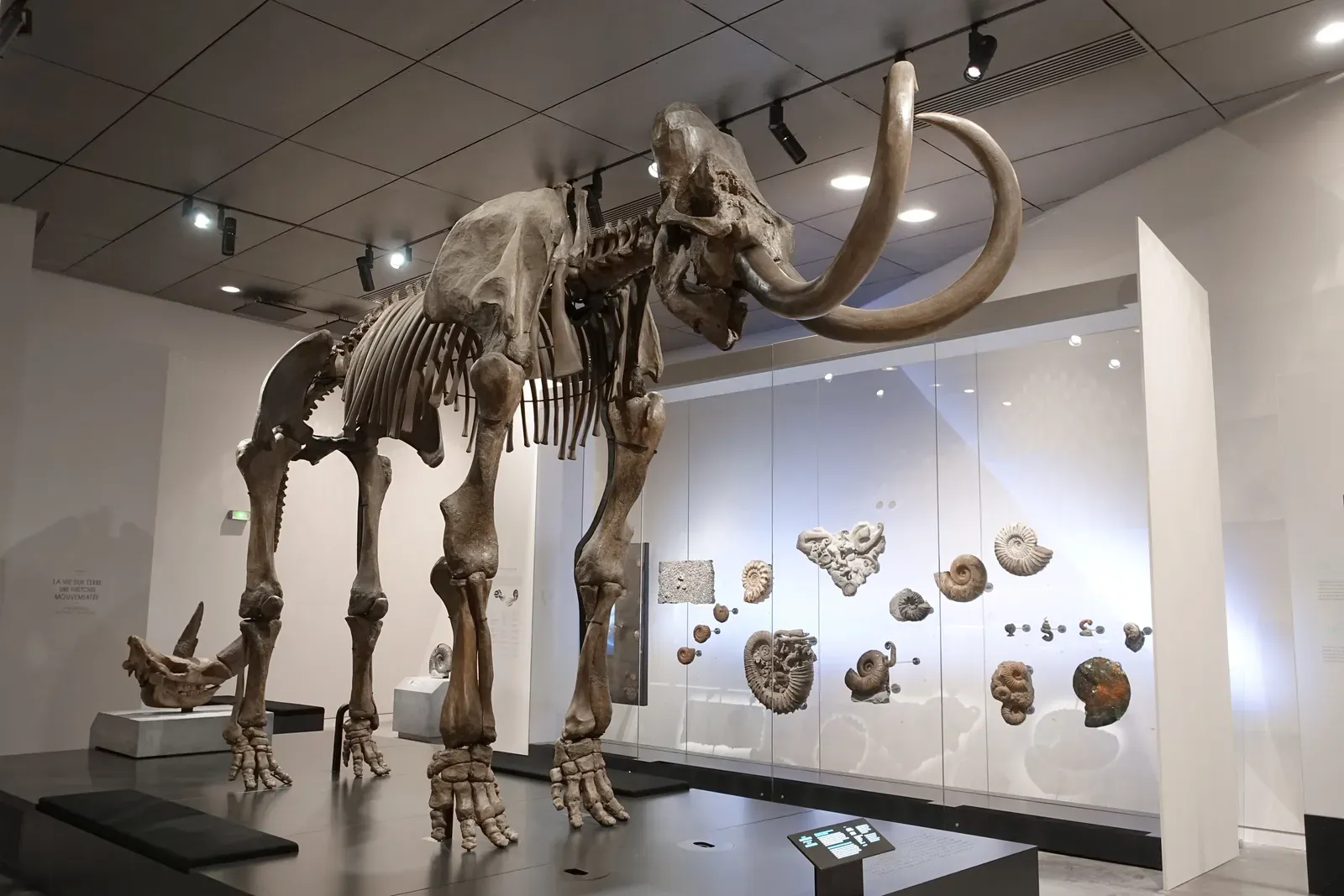
Scientists are studying soil and plant materials from the sites, and tests on the bones for carbon, nitrogen and oxygen isotopes will give insight into the temperature of the water the animal drank, the kinds of plants it ate, and date the time of death, probably within 50 years. Each discovery adds another piece to an enormous puzzle stretching back more than 10,000 years.
The wonderful preservation of bones and other biological remains at the site such as plants and invertebrates could offer a detailed snapshot of the landscape this mammoth lived in before it died and may even offer clues to how and why they went extinct. The Midwest’s mammoth graveyards aren’t just about the past. They’re windows into understanding how dramatic environmental changes affect large animals, lessons that echo into our present world where elephants and other megafauna face their own survival challenges. These ancient bones remind us that even giants can vanish when their world transforms too quickly.
What would you do if you found mammoth bones in your backyard? Tell us in the comments.