You’ve probably met someone who seems unshakable in the face of challenges. They don’t crumble when plans fall apart or panic when life throws curveballs their way. While some might call it luck or natural talent, there’s something deeper at play. These people possess specific personality traits that form the foundation of a truly resilient character.
What separates those who bounce back stronger from those who get stuck in adversity? It’s not about avoiding emotions or pretending everything is fine. Resilience isn’t some magical quality only a few lucky people have. Rather, it’s built on specific characteristics that anyone can develop and strengthen over time. Let’s explore the traits that set resilient individuals apart and why they make such a powerful difference.
You Accept Your Emotions Instead of Running from Them

Resilience is your capacity to respond to adversity in ways that allow you to adapt and continue moving forward, and it’s more about how you respond when emotions show up. Here’s the thing: pushing away uncomfortable feelings doesn’t actually make you stronger. Acceptance means allowing emotions to be present without immediately trying to fix or escape, and when you stop treating emotions themselves as problems to solve, you have the resources to deal with the situation causing the stress.
Think about the last time you faced something truly difficult. Did you try to distract yourself constantly, or did you give yourself permission to feel what you were feeling? Learning to accept emotions helps build a more resilient personality. The people who navigate life’s storms most successfully aren’t those who feel nothing, they’re those who feel everything yet still keep moving forward.
You Have Self-Awareness About Your Strengths and Weaknesses

Self-awareness is a trait that sets people with strong personalities apart, as they have a clear understanding of their strengths, weaknesses, emotions, and motivations. You know what you’re good at, where you struggle, and you’re not afraid to admit either. This kind of honesty with yourself is rare.
Being self-aware allows you to make conscious decisions, evaluate and adjust your actions based on self-reflection, helps you recognize when you’re wrong and take responsibility for your actions, and empowers you to continuously learn and grow. I think that’s what makes it so valuable. When you truly understand yourself, you stop wasting energy pretending to be someone you’re not. You can focus instead on becoming better at what actually matters.
You Maintain Optimism Even When Things Look Bleak

Psychologists have identified optimism and a positive attitude as factors that appear to make a person more resilient. Yet optimism isn’t about ignoring reality or forcing positivity when everything feels awful. It’s about maintaining hope that things can improve, even when you can’t see how just yet.
Optimism has been shown to help blunt the impact of stress on the mind and body in the wake of disturbing experiences, giving people access to their own cognitive resources and enabling cool-headed analysis of what might have gone wrong. Resilient people understand that setbacks are temporary, not permanent. They don’t spiral into catastrophic thinking. Instead, they hold onto the belief that they have some control over their future, which honestly makes all the difference when you’re in the middle of something hard.
You Can Regulate Your Emotions Under Pressure

The ability to manage your emotional responses separates those who thrive under stress from those who get overwhelmed by it. The ability to regulate emotions appears to make a person more resilient. It doesn’t mean you don’t feel intense emotions; it means you don’t let those emotions hijack your decision-making.
Self-regulation means managing your emotions and behaviors to respond effectively to situations, rather than reacting impulsively or destructively. When you’re in a heated conversation, can you pause before saying something you’ll regret? When anxiety surges, can you talk yourself through it instead of letting panic take over? These moments reveal your level of emotional regulation. Developing this skill gives you tremendous power over how your life unfolds, because you’re responding intentionally rather than just reacting.
You Learn from Failure Instead of Being Defeated by It
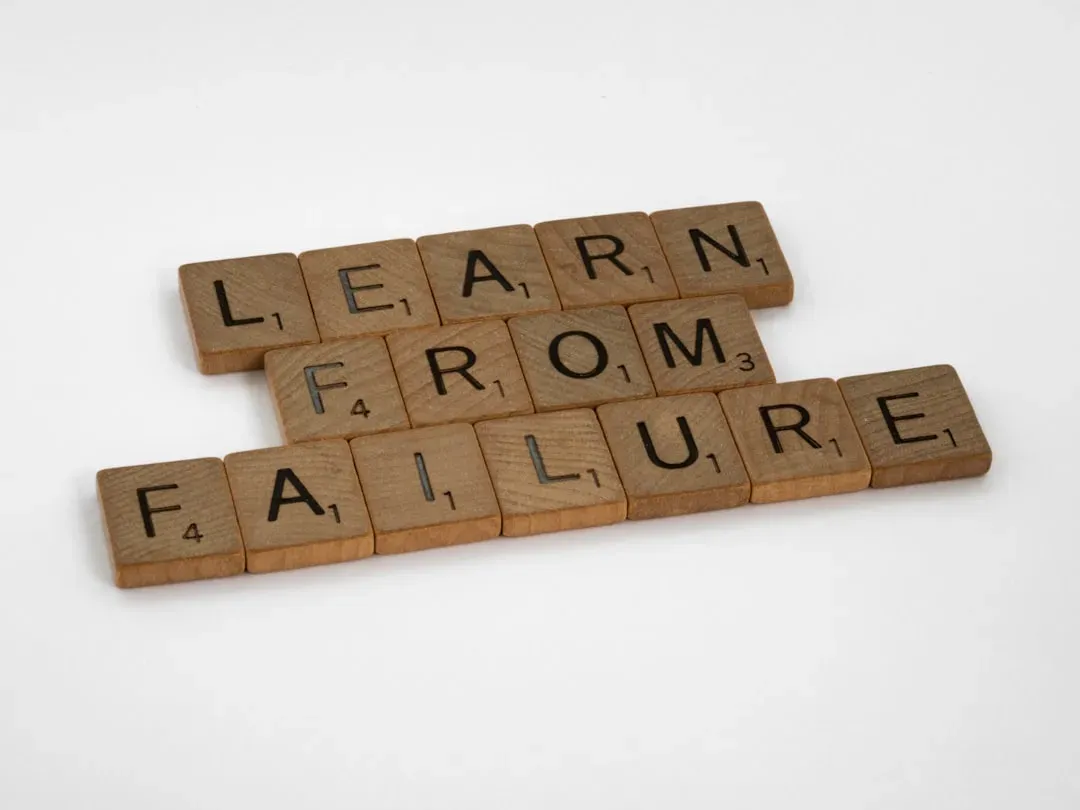
The ability to see failure as a form of helpful feedback appears to make a person more resilient. Everyone fails sometimes. What matters is what you do afterward. Do you see failure as proof that you’re not good enough, or do you treat it as information about what to try differently next time?
Resilient people don’t let setbacks deter them from their goals; they learn from them and use these experiences to grow stronger. I’ve noticed that people with strong, resilient characters have a completely different relationship with failure. They’re disappointed, sure, they might even feel frustrated or sad. Still, they don’t let one failure define their entire sense of self. They extract the lesson, adjust their approach, and try again.
You Adapt Flexibly to Changing Circumstances

Mental agility means being open-minded and flexible, adapting to new situations, and learning from past experiences. Life rarely goes according to plan. The ability to pivot when circumstances change is crucial for resilience. Rigid thinking keeps you stuck; flexibility allows you to find new paths forward.
Resilience involves successfully adapting to difficult or challenging life experiences through mental, emotional, and behavioral flexibility and adjustment to external and internal demands. Maybe the job you wanted doesn’t work out, so you explore an unexpected opportunity that turns out even better. Perhaps your relationship changes, and you find ways to connect differently. Resilient people don’t cling desperately to one specific outcome. They stay focused on their values while remaining open to different ways of achieving what matters to them.
You Build and Maintain Strong Social Connections

External factors that influence resilience include social support systems, including relationships with family, friends, and community, as well as access to resources and opportunities. Nobody becomes resilient in isolation. Your relationships matter enormously when it comes to weathering life’s challenges.
A supportive network of family and friends significantly nurtures resilience, providing the emotional backing necessary during hard times. Do you have people you can call when everything falls apart? Resilient individuals invest in their relationships before they desperately need them. They ask for help when necessary and offer support to others. They understand that being strong doesn’t mean handling everything alone. Sometimes the strongest thing you can do is admit you need someone and reach out.
Conclusion

Building isn’t about becoming invincible or pretending hardships don’t hurt. It’s about developing these seven traits that help you navigate difficulty with grace and emerge stronger on the other side. You accept your emotions rather than avoiding them. You know yourself deeply. You maintain hope even in dark moments. You regulate how you respond under pressure. You learn from mistakes instead of being crushed by them. You adapt when life demands flexibility. You nurture the relationships that sustain you through hard times.
The resources and skills associated with more positive adaptation can be cultivated and practiced. These traits aren’t fixed; they’re skills you can develop with intention and effort. The beautiful thing about resilience is that it grows each time you face something difficult and choose to keep going. Which of these traits do you already have, and which ones might you want to strengthen? The journey toward becoming more resilient starts with honest self-reflection and a willingness to grow.