Ever walked into a room and immediately sensed tension, even though everyone was smiling? Or picked up on a friend’s distress before they even said a word? Here’s the thing: not everyone can do this. Some people seem to glide through social situations like they’ve been handed a map to everyone’s inner world, while others miss even the most obvious emotional cues.
Reading people isn’t magic. It’s a skill rooted in emotional intelligence, and honestly, it might be one of the most valuable abilities you can possess in 2026. Think about it: your career success, your relationships, even your ability to navigate everyday interactions all depend on how well you understand what’s really going on beneath the surface. So how do you know if you’ve got this gift? Let’s dive in.
You Notice the Tiny Shifts in Body Language
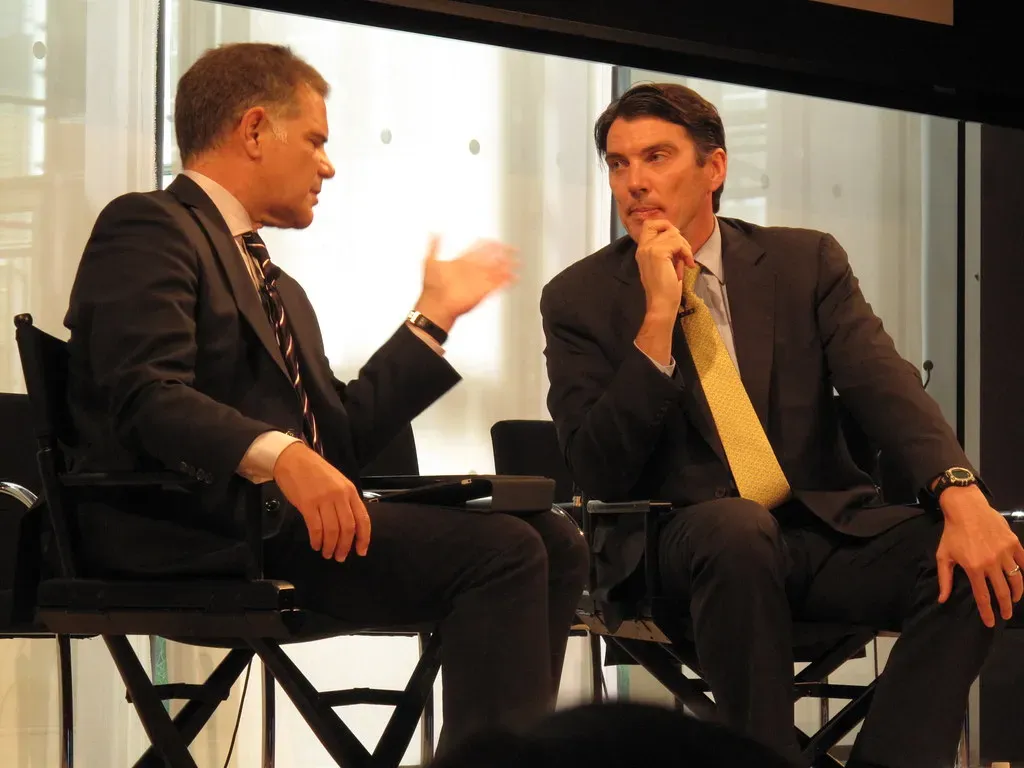
You’re skilled at reading facial expressions and body language, and you can often tell when someone is having a bad day, allowing you to respond with the right amount of sensitivity or space. Crossed arms might indicate defensiveness, frequent eye contact can signal confidence, while rapid blinking could mean someone is feeling uncomfortable. These aren’t just random observations to you; they’re pieces of a puzzle.
If you have strong emotional intelligence, you tend to read both body language and facial expressions more accurately, spotting the difference between genuine and non-genuine body language, like recognizing when someone’s smile doesn’t quite reach their eyes. You pick up on the shoulder tension, the fidgeting hands, the slightly averted gaze. It’s like you’re fluent in a language most people don’t even know exists.
You Sense What People Need Before They Ask

There’s a particular kind of awareness that lets you anticipate what others require. Maybe your colleague is stressed about a deadline and you instinctively offer help before they’ve admitted they’re struggling. Or perhaps you know when a friend needs company versus when they need solitude.
You understand how emotions change and progress over time within a situation, which means you can predict how someone is likely to respond to particular news. This empathy is crucial, especially in roles requiring interaction with others, because it’s the ability to put yourself in someone else’s shoes and see things from their perspective. You don’t just react to what people tell you; you respond to what they haven’t yet voiced.
You Recognize Emotional Patterns Quickly

You listen for patterns in how people describe others, and if everyone in someone’s stories is labeled as problematic, you’re learning more about the storyteller than about the people they’re describing. You notice whether someone can hold complexity or if they paint the world in extremes.
The ability to understand the cause of particular emotions gives you incredibly powerful information, helping you determine why someone is feeling a certain way and what’s actually happening for them at a particular time. You spot recurring themes in behavior: the coworker who gets defensive when questioned, the friend who deflects with humor, the family member who withdraws when hurt.
People Seek You Out for Advice

Whether it’s friends asking for relationship advice, family members confiding in you about their problems, or colleagues seeking your opinion on work matters, being the go-to person for advice is a sign of your ability to understand and empathize with others. Let’s be real: people don’t come to you just because you’re convenient. They come because you get it.
This shows that you have a knack for understanding people’s emotions and situations, which is a key aspect of reading people well. You’re not judgmental, you don’t impose your own agenda, and you have this uncanny ability to see situations from multiple angles. That’s rare, and people recognize it instinctively.
You Stay Calm When Others Lose Control

While some people are unpredictable in how they react depending on their mood and stress levels, making colleagues walk on eggshells, emotionally intelligent people tend to respond appropriately to emotional situations without outbursts, remaining even-tempered and thinking clearly under pressure. You don’t get swept up in the emotional storm around you.
You remain composed under pressure, actively manage your stress levels, can detect and prevent budding conflicts, and have self-control. When chaos erupts, you’re the one everyone looks to because they know you won’t make things worse. You take the time to feel your way through a problem rather than reacting in the moment.
You’re Deeply Self-Aware About Your Own Emotions

Being good at reading people isn’t just about understanding others; it’s also about understanding yourself, recognizing how your own emotions can affect the way you perceive others, and being aware of how your mood can color your interpretations. This might sound obvious, but most people lack this level of introspection.
You know yourself well and move through life with clarity and confidence, aware of your emotions and how these influence your actions and the people around you, understanding your strengths and weaknesses and actively working on them to improve. You don’t blame others for your reactions; you own them.
You Can Read Between the Lines

You don’t just hear people’s words; you read their entire presence, noticing when their enthusiasm feels forced, when their confidence seems like overcompensation, or when their casual demeanor is masking anxiety. It’s exhausting sometimes, honestly. You can’t turn it off.
You observe social and emotional cues and see past simply what is said to what someone might be experiencing underneath, caring about how your actions affect other people and being able to make predictions to avoid causing hurt. You catch the hesitation in someone’s voice when they say they’re fine. You notice the too-bright smile that doesn’t match the sadness in their eyes.
You Handle Difficult Conversations with Tact

You resolve conflicts diplomatically, practicing empathy, listening to all perspectives, focusing on creating win-win outcomes, staying calm, avoiding assigning blame, and handling disagreements with tact to prevent unnecessary tension and strengthen relationships. Conflict doesn’t terrify you because you understand it’s rarely about the surface issue.
You know what to say and how to say it, excelling at networking, reading social cues, and influencing others’ emotions, making you easy to talk to, relatable, and great at managing disagreements. You navigate tricky situations by focusing on emotions beneath the words, addressing what people are really worried about.
You Pick Up on Inconsistencies Between Words and Actions

Someone tells you they’re excited about a project, but their voice is flat and their posture screams exhaustion. You notice immediately. When someone says they’re totally fine while their jaw is clenched and their shoulders are up by their ears, you read their entire presence, noticing when enthusiasm feels forced or when casual demeanor is masking anxiety, because body language, tone, and energy often tell a completely different story than words.
There is a lot that is conveyed through nonverbal cues such as body language and tone of voice, and if you’re able to read these accurately, it’s a strong indication that you have an exceptional ability to read people and sense emotions. You trust your instincts when something feels off, even if you can’t immediately explain why.
You Notice Changes in Behavior That Others Miss

Being perceptive to minor shifts in people’s behavior or appearance is another sign of being exceptionally good at reading people, like noticing that your colleague who always shows up early has been coming in late recently, or sensing a change in your friend’s tone when they spoke about a certain topic, because these small changes can reveal a lot about a person’s emotional state and wellbeing.
You’re the person who asks if everything’s okay before anyone else has even noticed something’s wrong. That’s not nosiness; it’s genuine attunement. You pick up on the subtle withdrawal, the slightly different energy, the forced cheerfulness that’s just a degree off from normal. These details matter to you because you understand they’re rarely meaningless.
Conclusion: The Gift and the Challenge

Being exceptionally good at reading people and sensing emotions is indeed a rare and incredible gift that allows you to understand others on a deeper level, connect with them in a meaningful way, and navigate social situations with ease. It means you can offer comfort when someone needs it and be there for loved ones in a truly empathetic way.
Like all gifts, it comes with its own set of challenges because it can be exhausting, overwhelming, requiring a great deal of emotional energy and sometimes leading to emotional overload. Yet this ability to read people accurately is what sets high performers apart and drives success in both personal and professional realms. So what do you think? Did you recognize yourself in these signs? Tell us in the comments which one resonates most with you.