Have you ever wondered what secrets still lie buried beneath your feet, waiting to rewrite everything we thought we knew about history? Throughout , archaeologists working across the globe have uncovered treasures that challenge centuries of accepted wisdom. From pharaohs thought lost forever to Viking women buried with their beloved companions, each discovery adds a fascinating new chapter to humanity’s story.
What makes these finds so captivating isn’t just their age or beauty. It’s how they force us to question assumptions we’d held for generations. The ancient world continues to surprise us, revealing that our ancestors were far more capable, connected, and complex than we ever imagined. Let’s dive into eight jaw-dropping discoveries that have made an unforgettable year for archaeology.
The Lost Tomb of Pharaoh Thutmose II
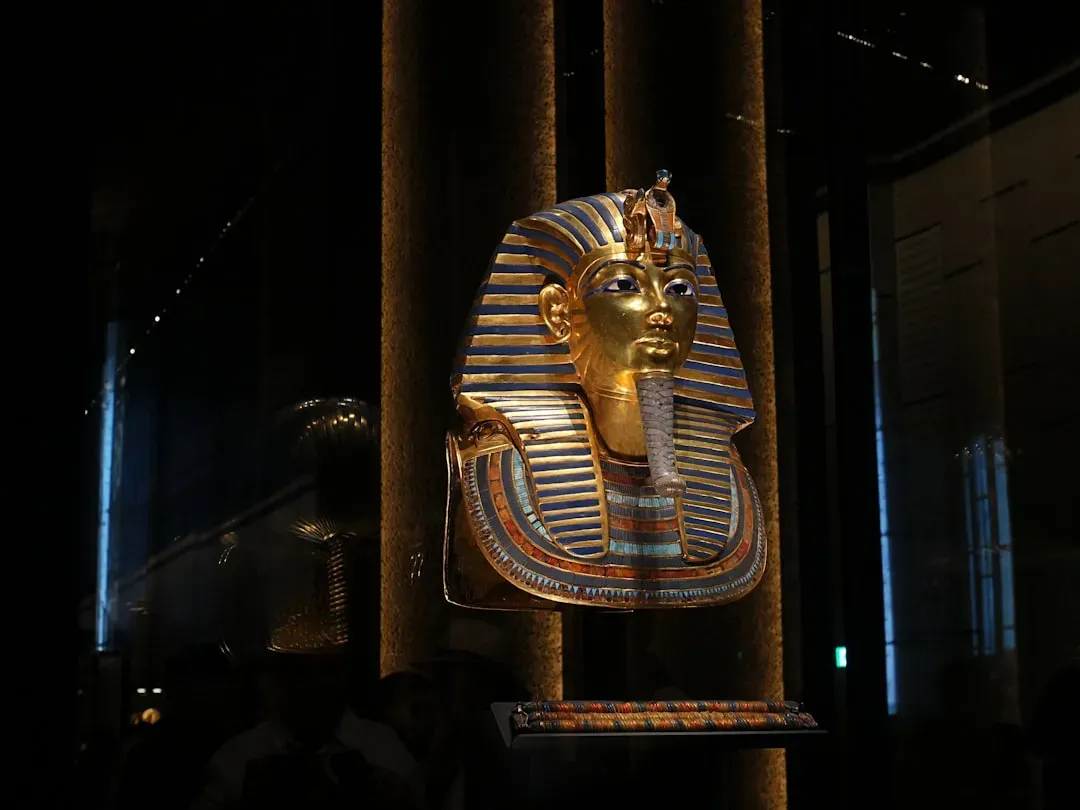
After more than a century since King Tutankhamun’s tomb was discovered in 1922, archaeologists finally unearthed another royal Egyptian burial – the long-lost tomb of Pharaoh Thutmose II. In February , a British-Egyptian team led by Dr. Piers Litherland unveiled this momentous discovery in the Western Wadis near Luxor. What makes this find particularly intriguing is its location, roughly a mile and a half west of the famed Valley of the Kings.
Accessing the burial chamber proved challenging, as the team crawled through a narrow passage barely 40 square centimeters wide before reaching the inner chamber with its striking blue ceiling adorned with scenes from the Amduat, an ancient funerary text reserved exclusively for kings. Definitive proof came from alabaster jar fragments inscribed with his name and that of Hatshepsut, marking the first objects ever linked to his interment. The tomb reveals a fascinating glimpse into the reign of this often-overlooked pharaoh who ruled around 1493 BC.
A Viking Woman and Her Loyal Dog

Archaeologists from the Arctic University Museum of Norway uncovered a rare Viking-age boat burial on Senja Island containing the skeleton of a woman with her dog, buried in what scientists believe was the ceremonial grave of a high-ranking person dated to around 900–950 CE. What began with metal detectorists discovering bronze brooches in 2023 led to a full excavation in May that revealed something truly special.
The boat imprint measured approximately 5.4 meters long, and the woman had been laid to rest with items suggesting considerable influence within her community. At her feet lay the skeleton of a small dog, possibly her pet, carefully placed with real care. The discovery challenges our understanding of Viking burial practices and demonstrates the deep bonds between Vikings and their animals. Honestly, there’s something deeply moving about imagining this woman’s final journey accompanied by her faithful companion.
Pompeii’s Dionysian Mystery Frieze
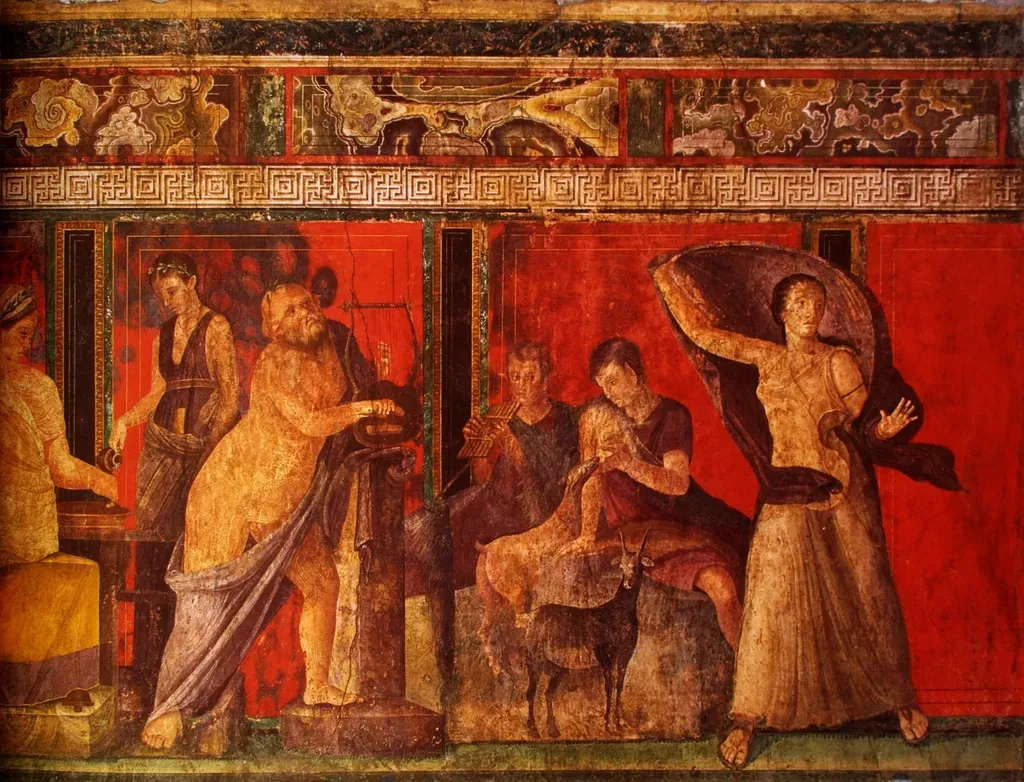
Archaeologists uncovered a new fresco in Pompeii that sheds light on ancient Dionysian mystery cults, a well-preserved painting dating back to the first century BCE discovered in a banquet hall of the House of Thiasus, standing out as one of the most important finds in over a century. The nearly life-size megalography spans three walls of the room, depicting a procession that’s simultaneously beautiful and haunting.
Compared to the Villa of the Mysteries, the newly discovered frieze adds a further theme to the imaginary world of the Dionysian initiation rites: hunting, shown through a smaller frieze depicting living and dead animals including a gutted wild boar, fawn, birds, fish and seafood. Archaeologists date the fresco to around 40 to 30 BCE, making it nearly 100 years old by the time Vesuvius erupted. The artwork reveals maenads portrayed as both ecstatic dancers and fierce hunters, offering a window into religious practices that remained shrouded in secrecy for millennia.
Malta’s Ancient Seafaring Hunter-Gatherers
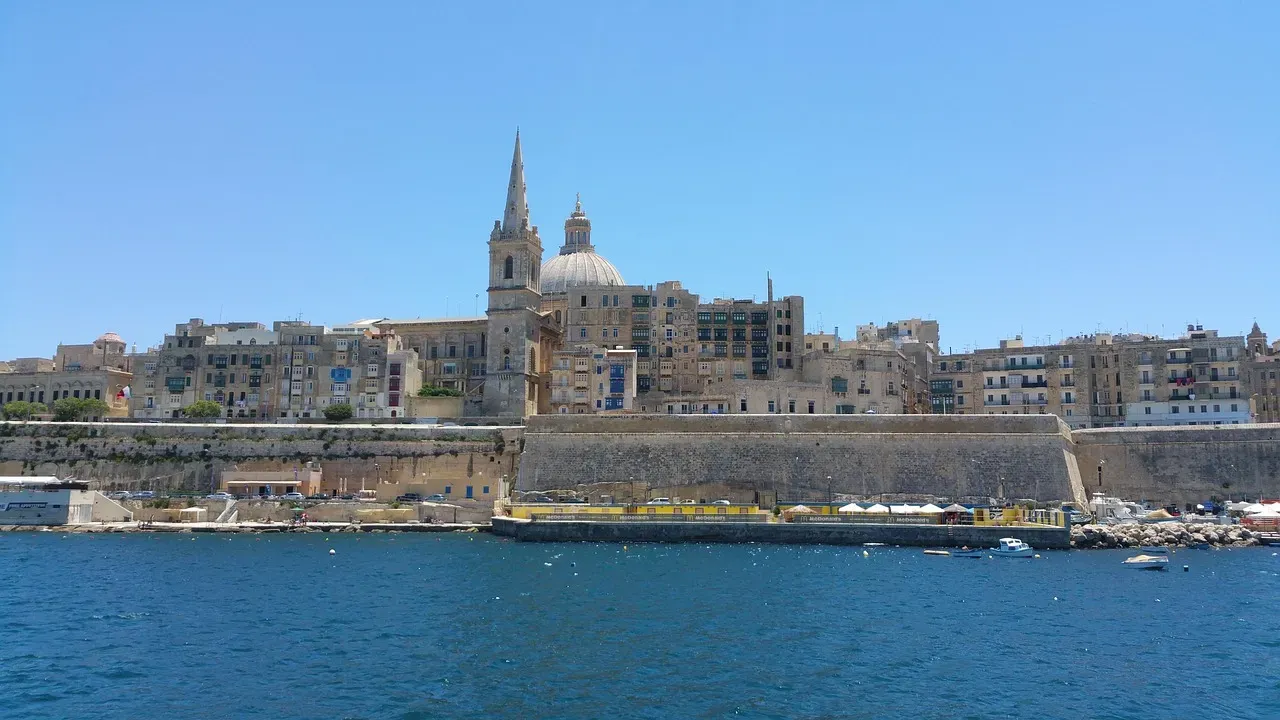
An analysis published in Nature revealed a previously unknown coastal site in Malta brimming with stone tools, hearths, shells, and animal bones that pushed back the settlement of Malta by more than 1,000 years, suggesting seafaring hunter-gatherers rather than farmers were the first to arrive, implying the longest known sea voyage made by Mediterranean hunter-gatherers. This discovery fundamentally rewrites what we thought we knew about ancient maritime capabilities.
Radiocarbon dating showed these hunter-gatherers arrived on Malta at least 8,500 years ago, eating shellfish, birds, fish, tortoises, and seals along with hunted wild deer. Let’s be real – crossing roughly 100 kilometers of open water in dugout canoes, likely spending hours in darkness, demonstrates a level of courage and skill that’s breathtaking. At their estimated speed, the crossing would have required enduring several hours of darkness, challenging previous assumptions about Mesolithic maritime capabilities.
The Neolithic Amphitheater at Karahantepe
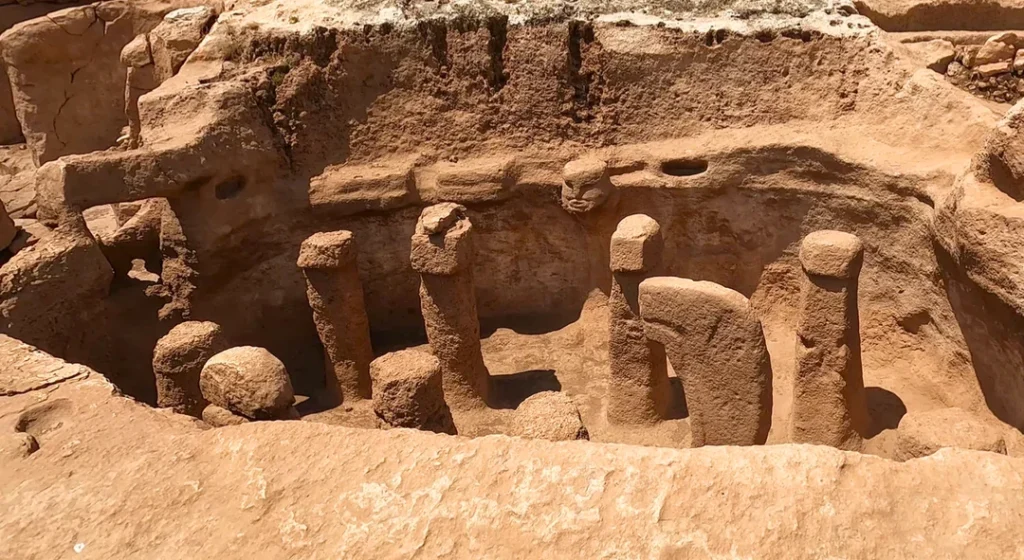
Excavations led by Istanbul University revealed a large structure resembling an amphitheater at Karahantepe, a Neolithic site near Şanlıurfa in southeastern Turkey that was inhabited from ca. 9400 to 8000 BCE, with the circular structure measuring almost 17 meters in diameter and featuring tiers of stone benches, human and animal sculptures, and carved heads embedded in the walls. The sheer ambition of this construction staggers the imagination.
This discovery suggests that communal gathering spaces existed far earlier than previously believed. The site’s architectural sophistication indicates that Neolithic communities possessed not only the technical skills to create such monuments but also the social organization necessary to conceive and execute them. It’s hard to say for sure, but the structure might have served religious, ceremonial, or perhaps even theatrical purposes, challenging our notions of what “primitive” societies could achieve.
London’s Hidden Roman Basilica
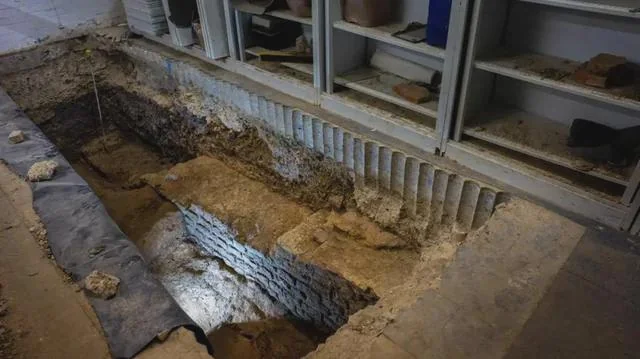
Archaeologists discovered that a central London skyscraper is built on the foundations of a vast Roman basilica dating back to around 78–84 AD, revealing the scale and sophistication of urban planning in Londinium, with the basilica being one of the largest Roman buildings ever discovered in the UK and likely serving as an administrative hub for legal proceedings, commerce, and public gatherings. The juxtaposition of modern and ancient architecture creates a powerful connection across time.
Plans are in place to preserve the site and incorporate it into the building’s basement as a public exhibition. This discovery illustrates how layers of history literally stack upon one another in ancient cities. Walking through modern London, you’d never suspect that beneath the bustling streets lies the heart of Roman Britain’s administrative power. The basilica would have been where justice was dispensed and deals were struck nearly two millennia ago.
Egypt’s Temple Discoveries Near Luxor
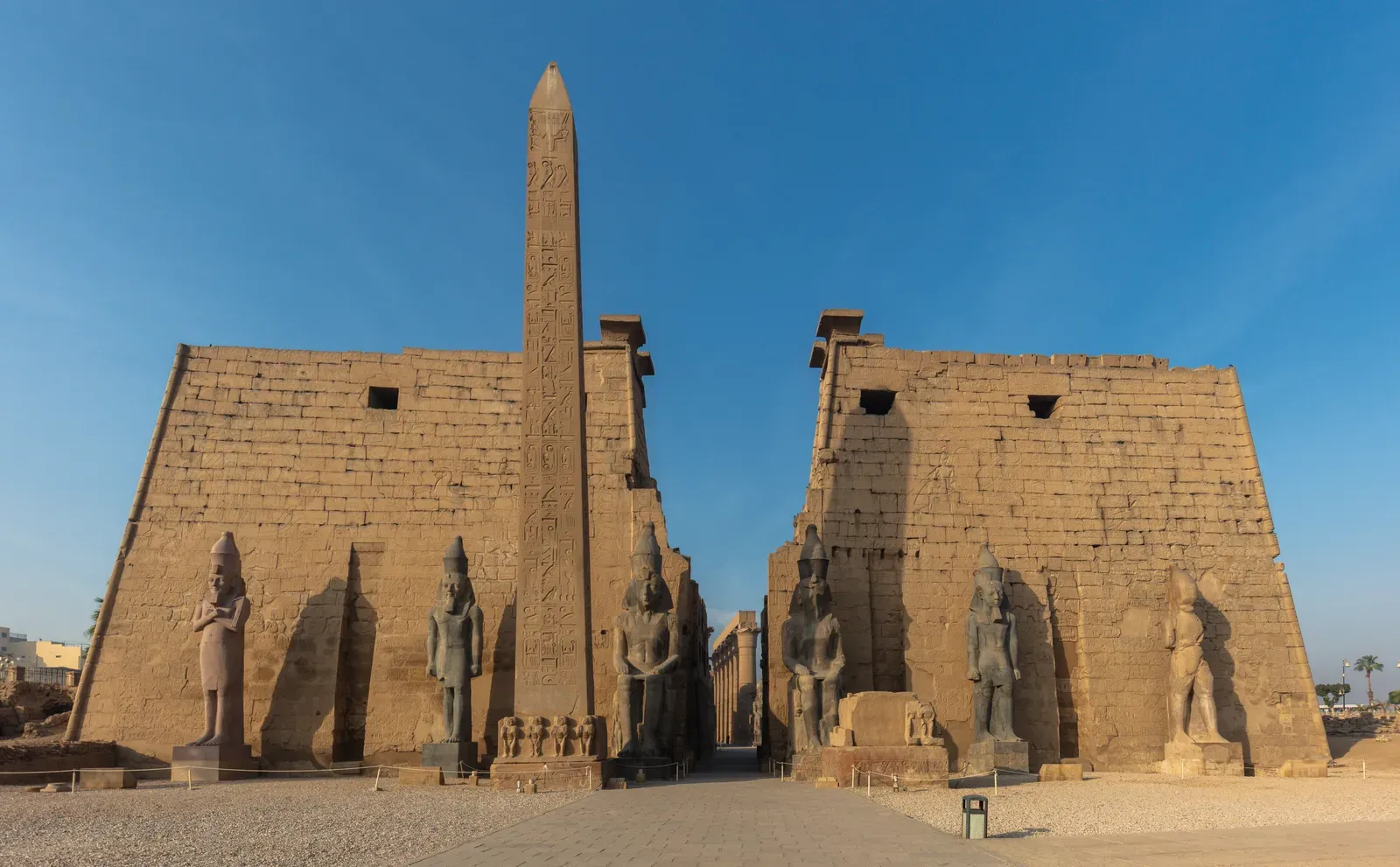
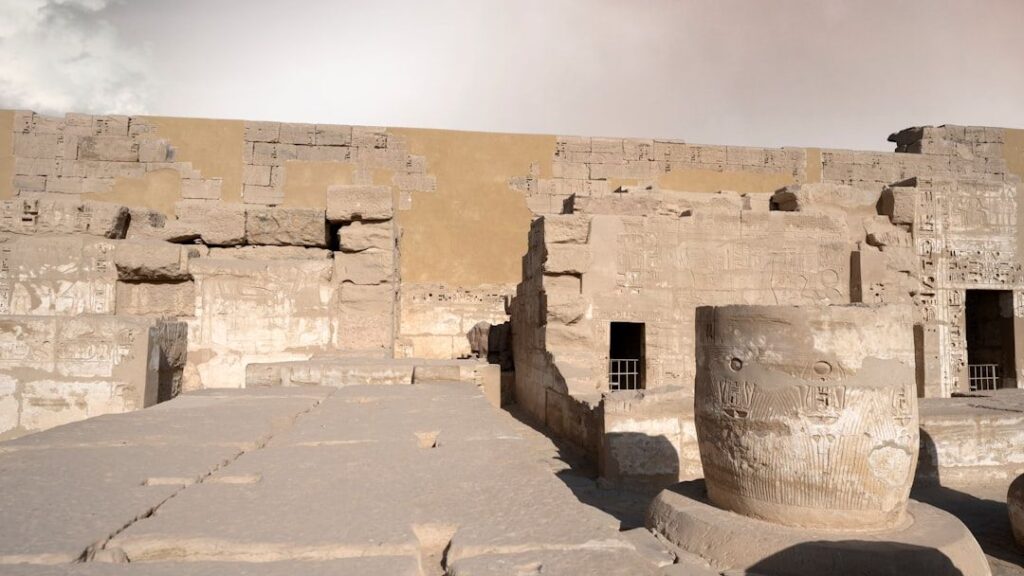
Archaeologists in Egypt unearthed significant finds near Luxor, including parts of a temple linked to Queen Hatshepsut, with a team led by Zahi Hawass discovering a well-preserved section of the Valley Temple’s foundations dating back to the 18th Dynasty. The excavation yielded over 1,000 decorated blocks and fragments with detailed carvings and inscriptions, considered rare examples of sculpture from Hatshepsut’s reign and that of her successor, Thutmose III.
These fragments provide invaluable insights into one of ancient Egypt’s most fascinating rulers. Hatshepsut remains one of the few female pharaohs who successfully ruled Egypt, and every artifact connected to her reign helps illuminate her extraordinary story. The detailed carvings demonstrate the artistic mastery achieved during the 18th Dynasty, when Egypt was at the height of its power and cultural influence.
The 7,000-Year-Old Copper Age Settlement
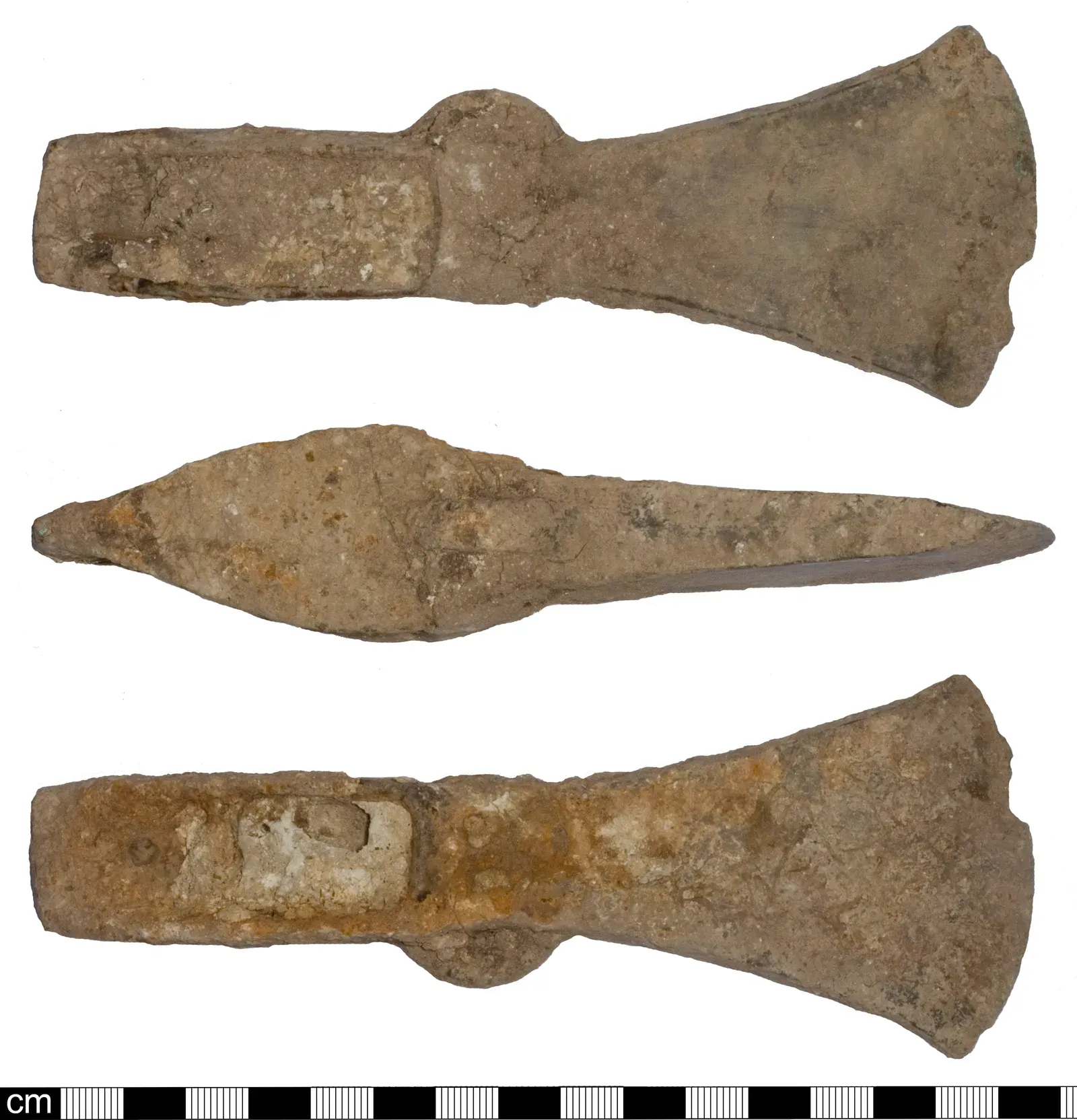
In southern Dagestan, archaeologists unveiled a 7,000-year-old Copper Age settlement designated Dagogninskoe-2, with the site revealing two distinct layers spanning millennia and the lower Eneolithic stratum buried two meters deep, featuring obsidian tools from volcanic glass that could only have originated from the South Caucasus hundreds of kilometers away, confirming that communities of the Shulaveri-Shomutepe culture spread northward into Dagestan.
The obsidian tools tell a remarkable story of ancient trade networks and cultural connections. These communities were moving valuable materials across challenging mountainous terrain thousands of years ago, demonstrating that long-distance exchange networks existed far earlier in human prehistory than many had assumed. The settlement’s layered occupation reveals how groups adapted to and transformed their environment over countless generations.
Conclusion
Each of these eight discoveries reminds us that archaeology isn’t just about digging up old things. It’s about connecting with the people who came before us, understanding their triumphs and struggles, their creativity and ingenuity. From Viking women buried with beloved pets to hunter-gatherers braving treacherous seas, from pharaohs lost to history to mystery cults shrouded in secrecy, has given us an incredible window into our shared human past.
What strikes me most is how these finds challenge assumptions we’d accepted as fact. Ancient peoples were far more capable, connected, and sophisticated than we often give them credit for. Looking ahead, who knows what other secrets are waiting to be uncovered? What other stories are buried just beneath the surface, ready to rewrite the history books once again? What would you most want to discover if you could dig anywhere in the world?