

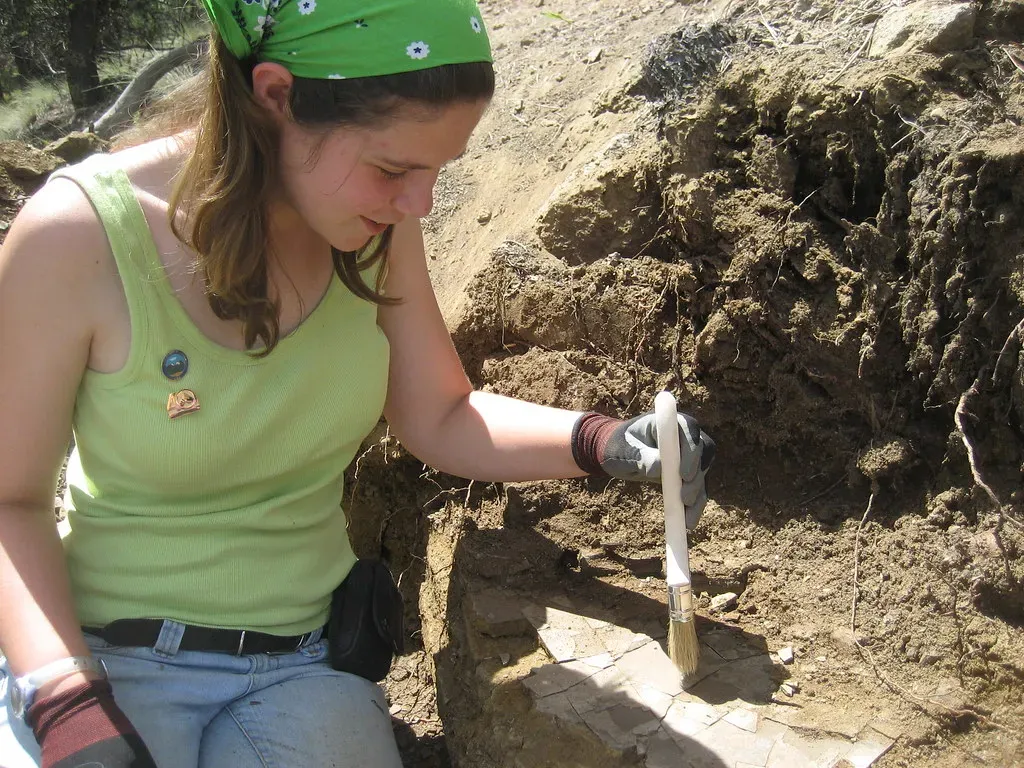
You’ve probably seen paleontologists in movies, carefully brushing away dirt from ancient bones with the patience of a sculptor. Let’s be real, though, there’s way more to this field than just dusting off fossils. The ability to truly see what others might miss is what separates someone who stumbles upon a rock from someone who uncovers a window into Earth’s distant past.
Think about it this way: every single fossil discovery that’s ever changed our understanding of life started with someone noticing something unusual. Whether you’re fascinated by ancient creatures or simply want to sharpen your scientific eye, developing can transform how you perceive the world around you. So let’s dive in.
Train Your Eye to Recognize Subtle Patterns in Rock Formations
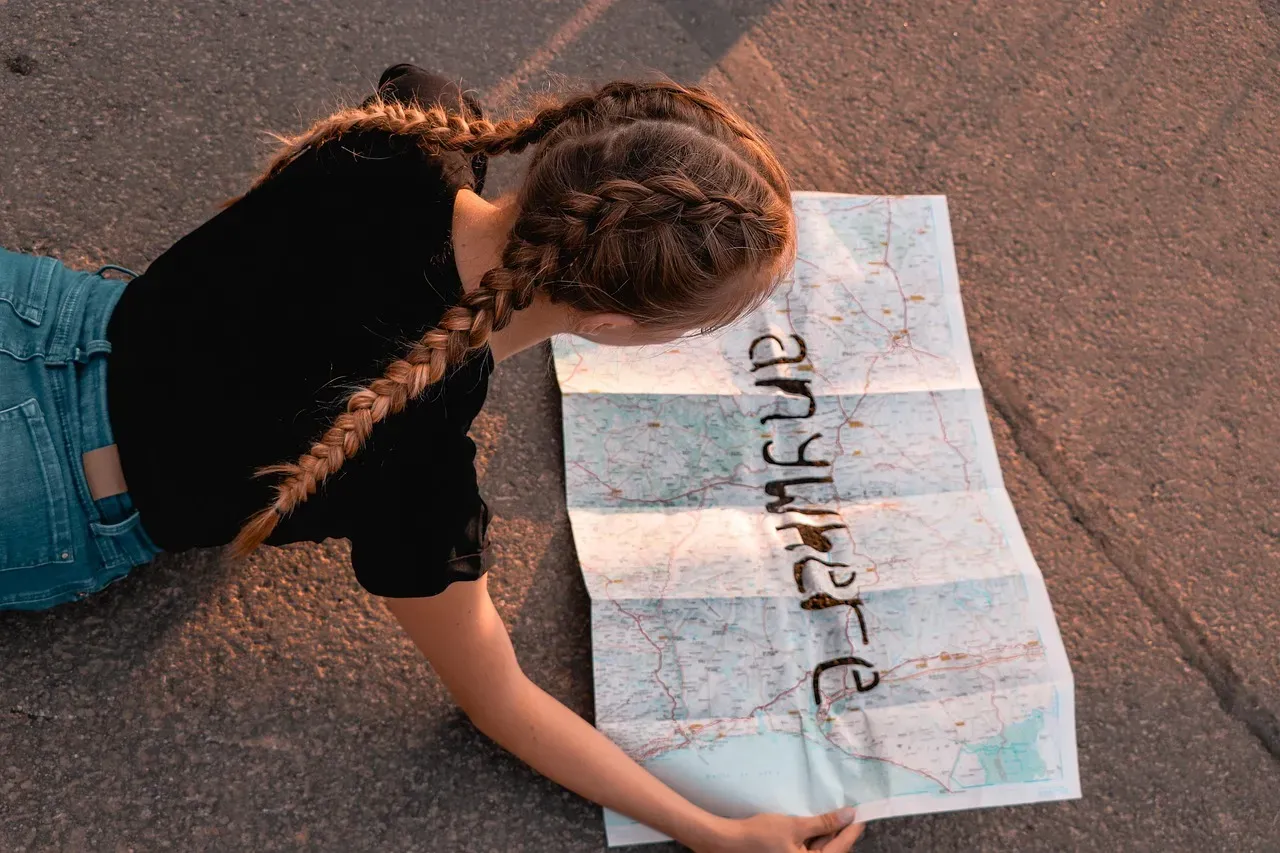
You’ll need to start by studying geologic maps to determine the age of sedimentary rocks exposed on the Earth’s surface. This foundational skill isn’t glamorous, but honestly, it’s where everything begins. By studying geological maps beforehand, you can know the age of rock formations and have a pretty good idea of the kinds of extinct animals you might find.
Here’s the thing: not all rocks are created equal when it comes to fossil hunting. Some sediments are more likely to contain fossil tracks than others, so you need to develop an instinct for which formations are worth your time. Spend time examining different types of sedimentary rock, learning to distinguish between sandstone, limestone, and shale. The more you expose yourself to various geological contexts, the faster your brain will start recognizing the subtle differences that signal potential fossil sites.
Master the Art of Surface Surveying and Prospecting
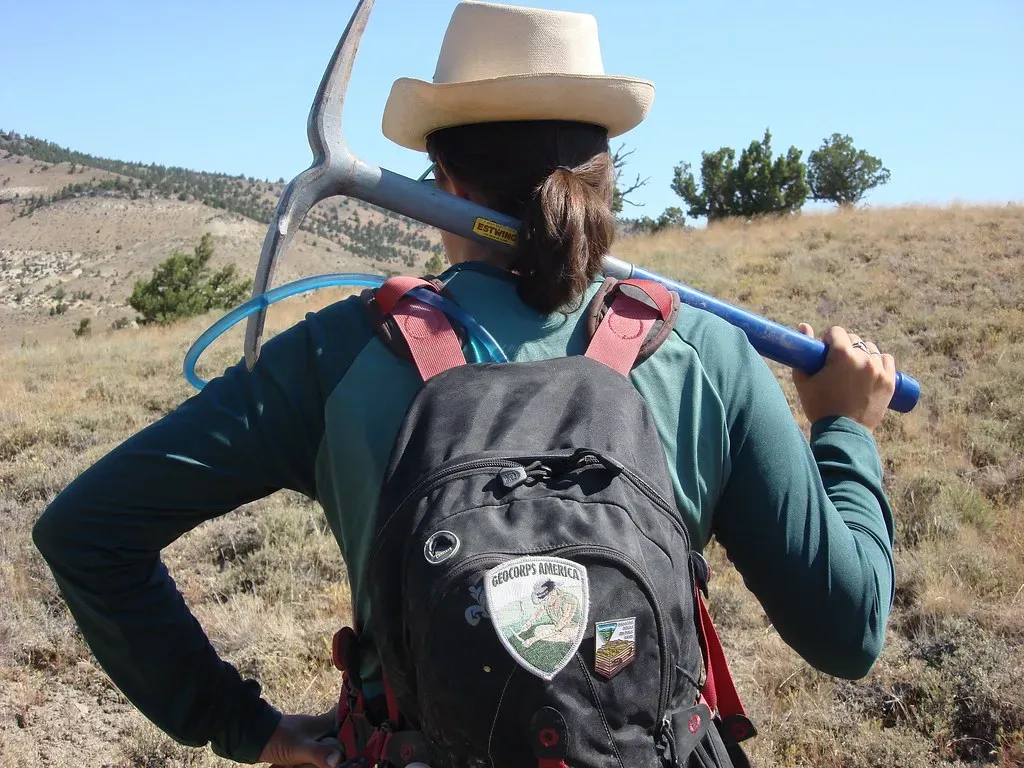
Once paleontologists arrive at the field site, they need to physically walk around and search for clues that fossils may be around or underneath them, which is called prospecting, and the best place to prospect is usually at the base of a hill. I know it sounds almost too simple, but there’s a method to this wandering. Wind and rain will erode or gradually wear away rocks, allowing some fossils to break loose from higher sediments and roll downhill, so if a fossil fragment is found, the team can then search the area to see if there may be other, more complete fossils – oftentimes higher up the hill and still embedded in rock.
Walking slowly and systematically across a landscape requires discipline. Success heavily depends on quickly learning how to distinguish fossils in a particular type of rock. You might spend hours scanning the ground, training your eyes to spot subtle color variations or unusual textures that betray the presence of fossilized material beneath weathered stone.
Develop an Eye for Detail Through Drawing and Documentation
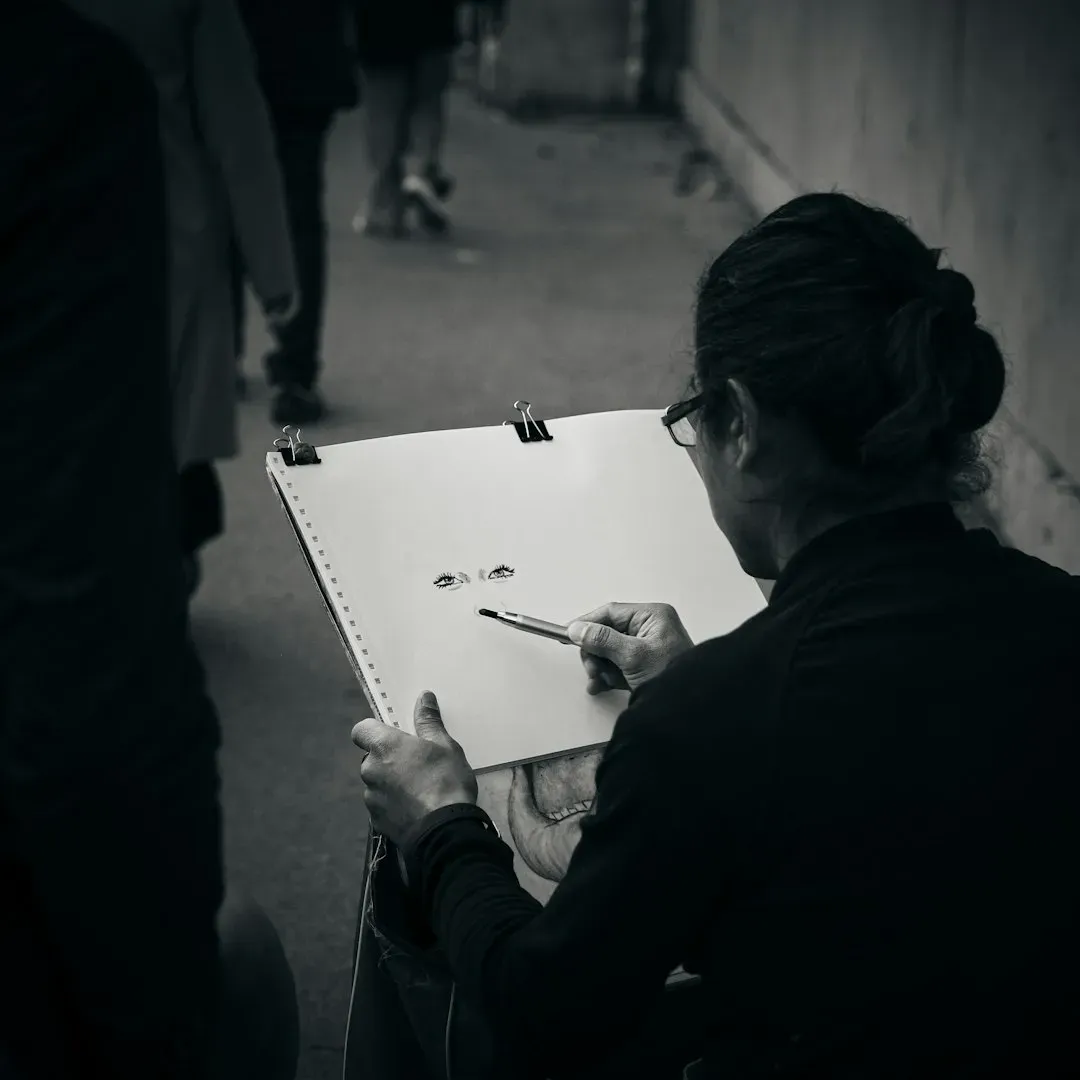
Drawing practice is a good way to improve the ability to concentrate and enhance curiosity, to see the world more expansively, more analytically, more objectively and in detail that would otherwise slip by unnoticed. This might sound unexpected, but sketching what you observe forces you to slow down and truly look. When you draw something, you notice proportions, textures, and structural details that your brain normally filters out.
Repeated practice through the act of drawing trains the brain to focus and become more adept at observation, and encouraging drawing in the science classroom can help students retain information for each lesson, thereby improving learning. Even if you think you can’t draw, the process itself sharpens your observational muscles. Try keeping a field journal and sketch fossils, rock formations, or even the landscape around potential dig sites.
Learn to Distinguish Between Direct and Indirect Evidence
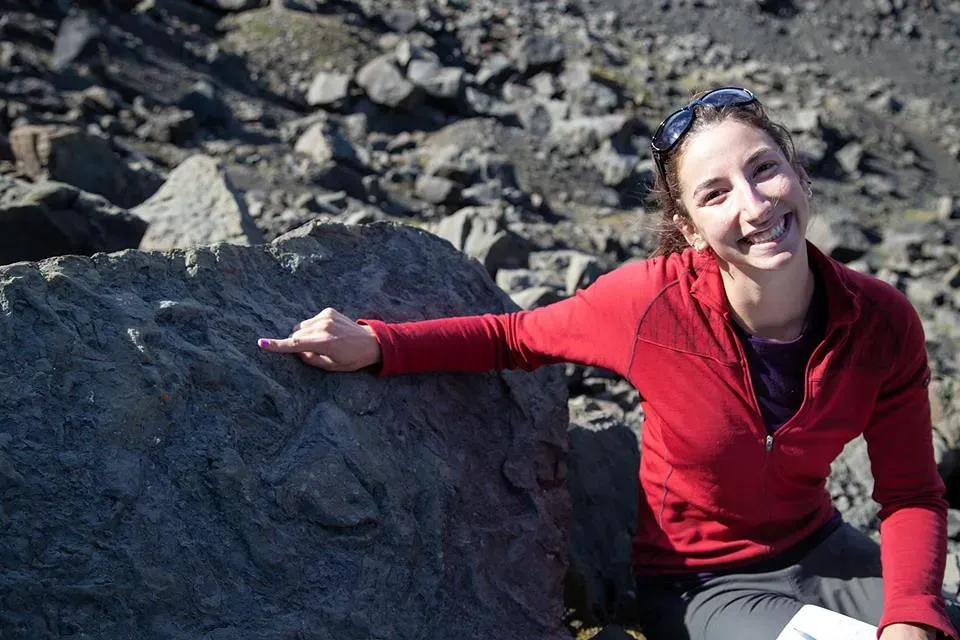
Trace fossils are produced by organisms while they were still alive and give insights into behavior that body fossils do not, as trackways can be used to calculate the speed of locomotion of extinct animals or whether they travelled in herds, and bite marks and other feeding traces, gut contents, and coprolites allow paleontologists to determine which organisms ate which kind of food. You need to become comfortable with the fact that sometimes the most revealing discoveries aren’t bones at all.
Indirect observations require a different kind of thinking. You’re essentially becoming a detective, piecing together a story from circumstantial evidence. Practice this skill by examining modern animal tracks, studying how different creatures leave their marks in mud or sand. Then apply that same analytical approach to ancient impressions preserved in stone.
Practice Systematic Measurement and Data Collection
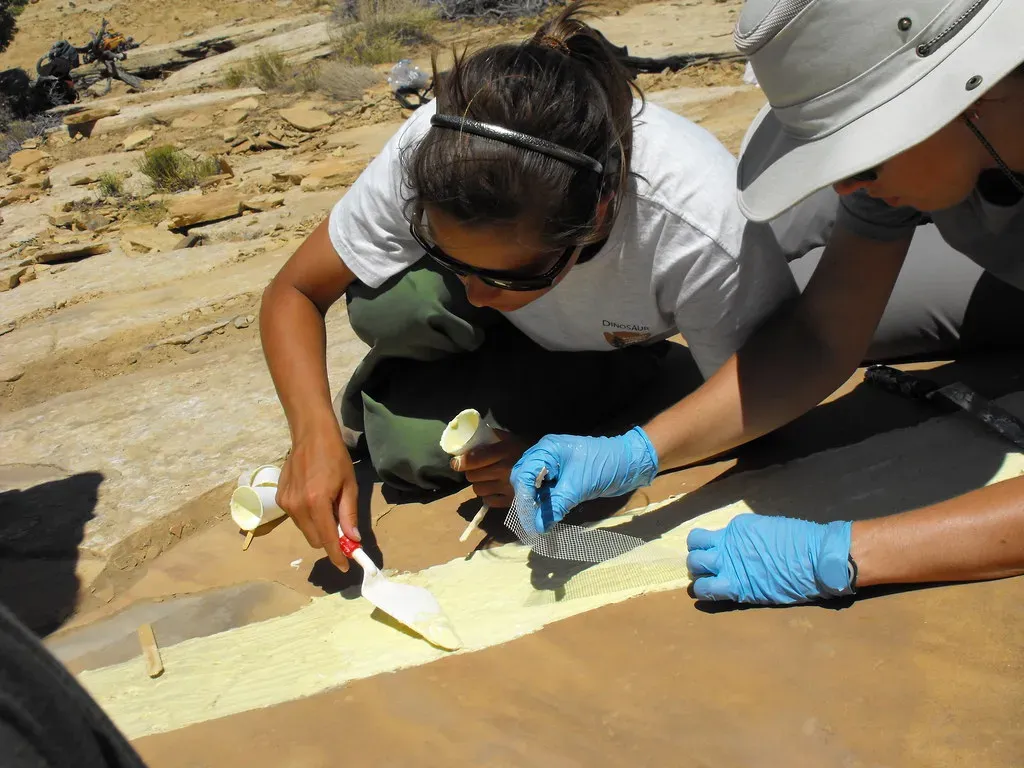
Paleontologists measure several different features of fossil footprints, including the length and width of a track as well as the lengths of the impressions of digits, and additional measurements are made of trackways, including step, stride, trackway width, and pace angle. Precision matters enormously in this field. A millimeter here or there can completely change the interpretation of how an ancient creature moved or what species it belonged to.
Progression in measurements is seen in greater degrees of precision and reliability as numeracy skills develop, with precision of measurement based on careful scientific observation of measuring equipment as readings are taken, such as measuring the length of an elastic band to the nearest millimetre when investigating the effect of increasing the load. Start by practicing with objects around you – measure leaves, rocks, or bones with increasing precision. Get comfortable with tools like calipers, rulers, and scales.
Cultivate Patience and Attention to Minute Changes
Paleontology is not a fast-paced field, as discoveries often come after years of meticulous work, and patience is key to success. I think this is where a lot of people would struggle. We’re living in an age of instant gratification, yet paleontology demands the opposite mindset. You might examine the same rock face for hours without finding anything significant.
Much like the rings of a tree, each ring on the surface of an oyster shell denotes one year of its life, and studying oyster fossils can help paleontologists discover how long the oyster lived and in what conditions, as if the climate was favorable for the oyster, it probably grew more quickly and the rings would be thicker. These tiny details tell enormous stories, but only if you’re willing to look closely enough to see them. Train yourself to notice subtle gradations in color, texture variations, or the faint outline of something that doesn’t quite match the surrounding matrix.
Enhance Your Comparative Analysis Skills
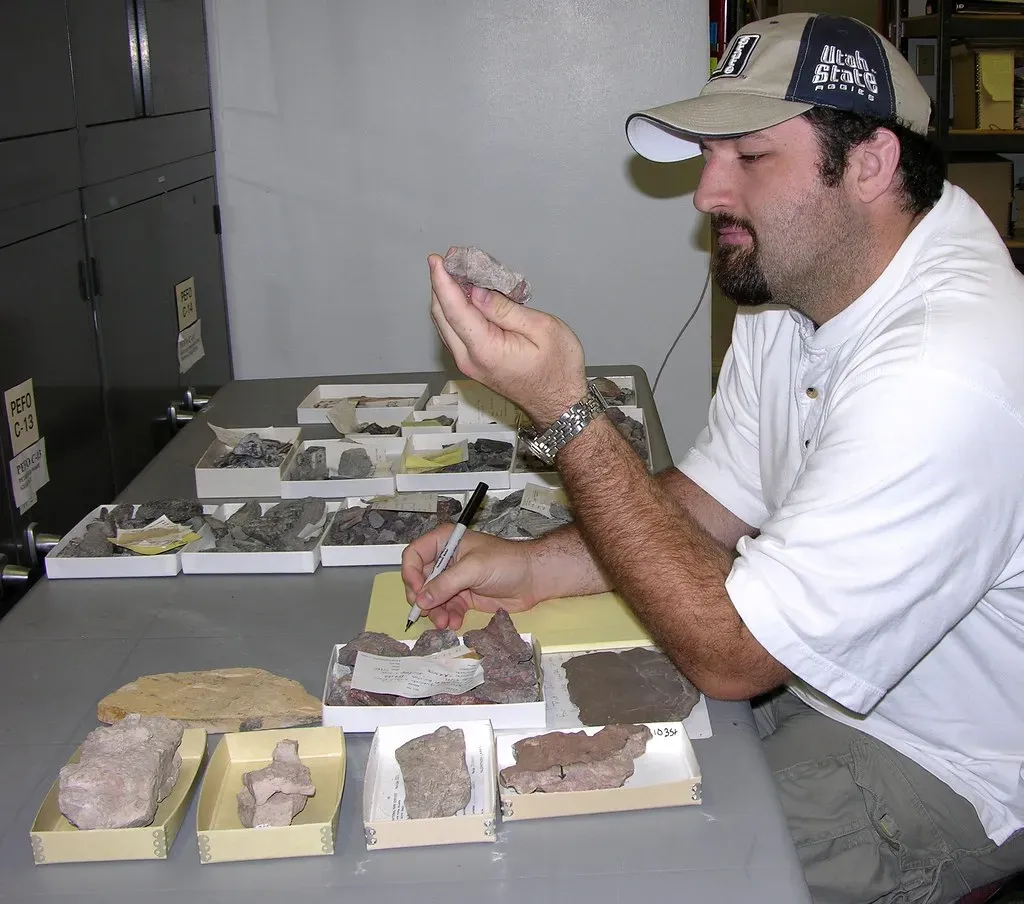
Once you know the parts of a fossil, you can compare it to already-known specimens – it might very closely match the anatomy of species previously established from fossils, in which case the fossil is most likely a new specimen of that previously-named species, or it might differ to some degree from the known fossils, and the paleontologist might make the case that the fossil belongs to a new species, a new genus, or indeed some other previously unknown branch of the Tree of Life. This skill requires building a mental library of forms and structures.
Researchers examine specimens at other museums and search the scientific literature to look for fossil tracks that have features that are similar to the tracks they are studying. Spend time studying fossil collections, whether in museums or through online databases. Learn to recognize patterns across different species and time periods. The more specimens you’ve examined, the faster you’ll spot anomalies or recognize familiar features in new discoveries.
Train Yourself to Use All Your Senses

From an early age, learners respond positively to opportunities to look at things in close detail using a variety of senses, and guessing games using ‘feely-bags’ or blind-folds are fun to develop the language of description and reinforce the fact that observation in science involves more than just ‘seeing’. This is something I found surprising when I first learned about it. Paleontologists often rely on touch, sound, and even smell to gather information.
Different types of rock have distinct textures and weights. The sound a hammer makes when it strikes stone can tell you about the rock’s composition and density. Some fossils even have a distinctive earthy smell when freshly exposed. Practice engaging all your senses when examining geological materials. Close your eyes and feel the surface of different rocks, learning to recognize textures without visual cues.
Build Knowledge to Inform Your Observations
One of the key findings of research was that a movement across a continuum of observational skills was less dependent on developmental concerns than on the level of knowledge of the observer, as in a study where five-year-olds were observing shorebirds, as the children’s knowledge of shorebirds grew, so did their ability to notice and compare multiple features and to make relevant inferences about behavior related to the features they had observed. This is honestly the most important point I can make. Your observations are only as good as the knowledge framework supporting them.
If we are to support students in becoming proficient in scientific observation, we must give them opportunities and support in developing outlined skills, and we must do it in a knowledge-rich environment, as students must be prepared for and supported in their observations if they are to use them to reason as young scientists. Constantly expand your understanding of geology, biology, anatomy, and ecology. Read scientific papers, visit museums, attend lectures, and study under experienced paleontologists whenever possible. The more you know about ancient ecosystems, evolutionary relationships, and geological processes, the more meaningful your observations become.
Conclusion
Developing isn’t something that happens overnight. It’s a gradual process of training your brain to notice what others overlook, to see patterns in chaos, and to interpret silent stories told by rocks and bones. These skills extend far beyond fossil hunting – they sharpen your critical thinking, enhance your attention to detail, and change how you interact with the natural world.
The beauty of these techniques is that you can start practicing them right now, wherever you are. Take a walk and really look at the rocks beneath your feet. Sketch something from nature in detail. Visit a museum and spend twenty minutes examining a single specimen. Each small step builds the neural pathways that transform casual looking into scientific observation. What details have you been missing in the world around you? Tell us in the comments.