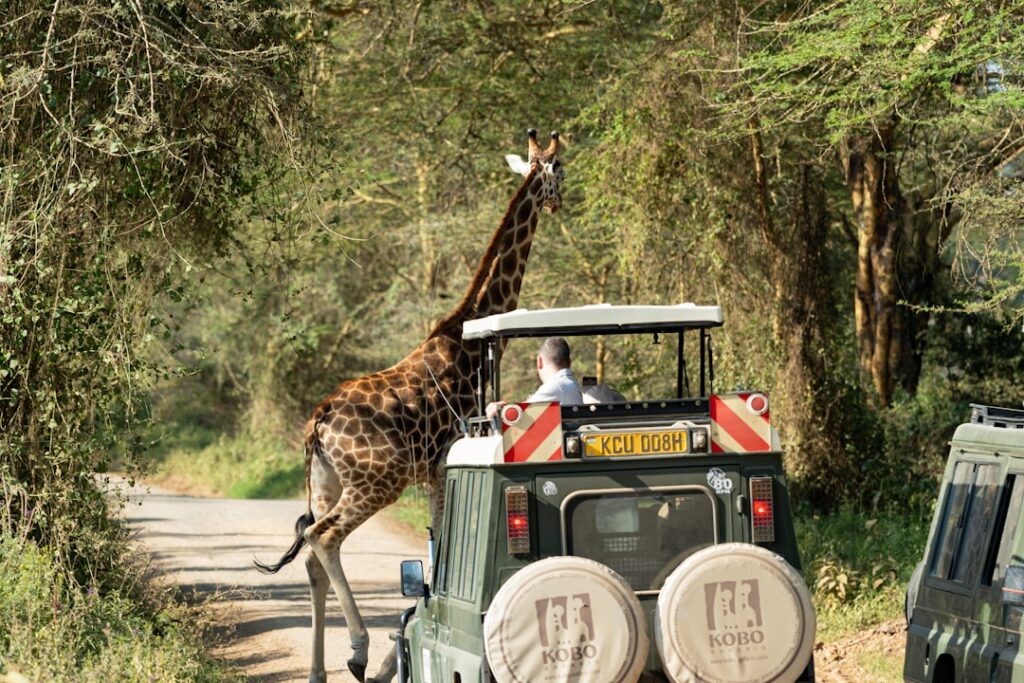
Travelers flock to wildlife experiences worldwide, eager for authentic connections with animals, but vague claims of “ethical” practices often obscure underlying harms.
Understanding the Core of Ethical Wildlife Tourism
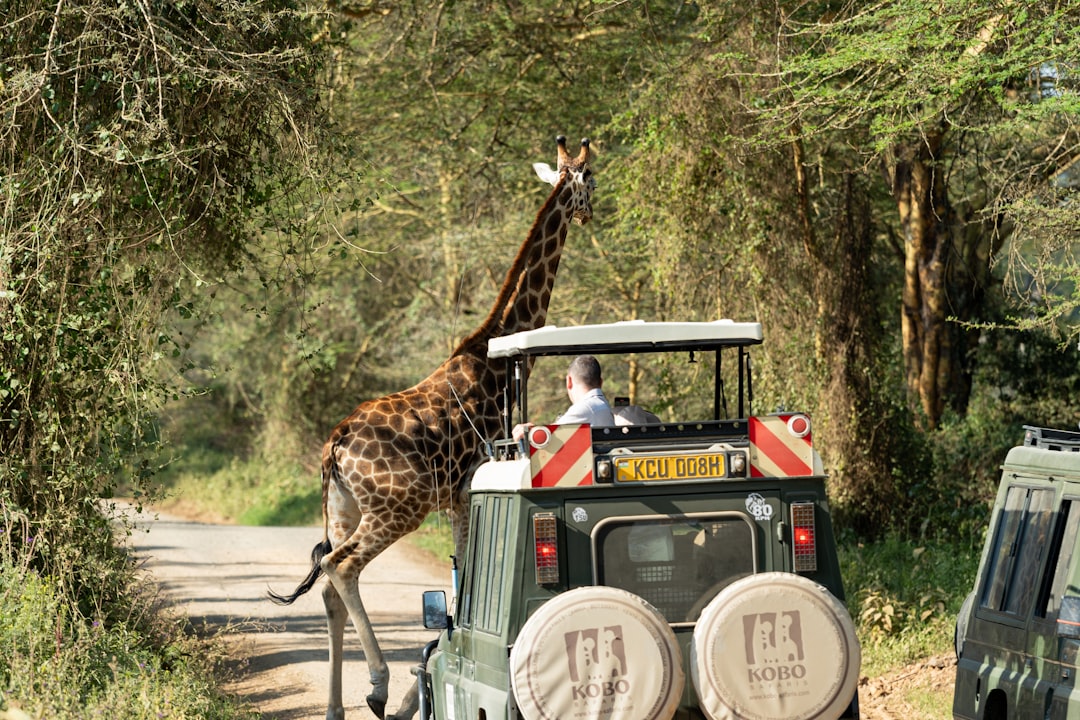
Understanding the Core of Ethical Wildlife Tourism (Image Credits: Unsplash)
Ethical wildlife tourism prioritizes animal welfare and ecosystem health over human entertainment. Operators design encounters to limit disturbances, allowing animals to follow natural routines without stress from crowds or proximity. Conservation benefits emerge when revenue directly supports research or habitat protection.
Experiences rooted in science maintain respectful distances and enforce strict protocols. Travelers accept variability in sightings, influenced by weather or animal movements. This approach contrasts sharply with ventures driven by profit, where animals endure captivity or manipulation.
Common Pitfalls in Wildlife Tourism
Many popular attractions cross ethical boundaries despite appealing marketing. Riders on elephants, for instance, overlook the harsh training methods that break the animals’ spirits. Captive dolphins subjected to constant human interaction suffer from confined spaces and relentless noise.
Other red flags include posing with handled wild animals like sloths or tiger cubs, feeding wildlife for photographs, and guarantees of sightings or close-ups. These practices disrupt feeding, breeding, and migration patterns. Animals lose natural wariness, fostering dependency and heightened risks.
- Riding elephants, often involving painful restraint techniques.
- Swimming with dolphins held in small enclosures.
- Petting or holding wild animals for selfies.
- Feeding sessions to lure animals closer.
- Any “guaranteed” encounters that control animal behavior.
Characteristics of Legitimate Ethical Experiences
Reputable wildlife tourism unfolds in natural settings with observation from afar. Well-regulated whale watches or safaris adhere to speed limits and zoning rules to avoid startling marine life. Guided hikes emphasize learning over intrusion, funding protected areas through fees.
Hands-on options shine in citizen science projects, where participants aid researchers in data collection under expert supervision. These expeditions embrace uncertainty – no promises of animal appearances – and adapt to wildlife needs. Participants contribute meaningfully, from monitoring reefs to tracking migrations, bolstering long-term conservation efforts.
Practical Steps for Informed Choices
Scrutinize operators by probing their transparency on conservation goals and data usage. Seek leadership from scientists or nonprofits rather than entertainment-focused guides. Reviews should highlight educational value, rule enforcement, and variable outcomes, not trophy photos.
Reject hype around emotional highs or selfies; favor descriptions stressing patience and respect. Cross-check against guidelines from trusted organizations. This diligence separates ventures that protect species from those that exploit them.
Key Takeaways
- Prioritize distance, rules, and no guarantees in any wildlife encounter.
- Support science-led projects that channel funds to habitat protection.
- Question promises of close contact – they signal manipulation.
Amid accelerating biodiversity threats, ethical wildlife tourism stands as a vital tool for preservation, transforming visitors into stewards. Choose wisely to amplify positive impact. What experiences have shaped your views on responsible travel? Share in the comments.