
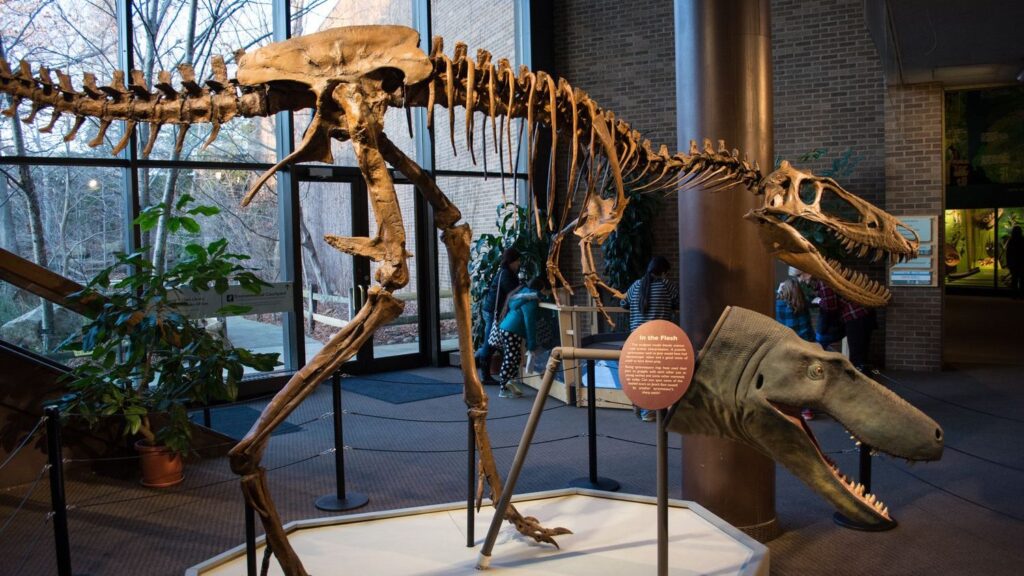
You probably think you know everything about dinosaurs. The classics, right? T. rex, Triceratops, those long-necked behemoths munching on treetops. That’s the picture most folks have in their heads when they imagine the prehistoric past.
Well, here’s the thing. The last few years have turned that familiar story completely upside down. Paleontologists working across North America have been pulling creatures out of the ground that nobody expected to find, in places nobody thought to look. Some of these discoveries are rewriting decades of research, while others are filling gaps scientists didn’t even know existed. So let’s dive in and explore the finds that have left experts scratching their heads in the best possible way.
The Armored Dinosaur Preserved Like a Time Capsule
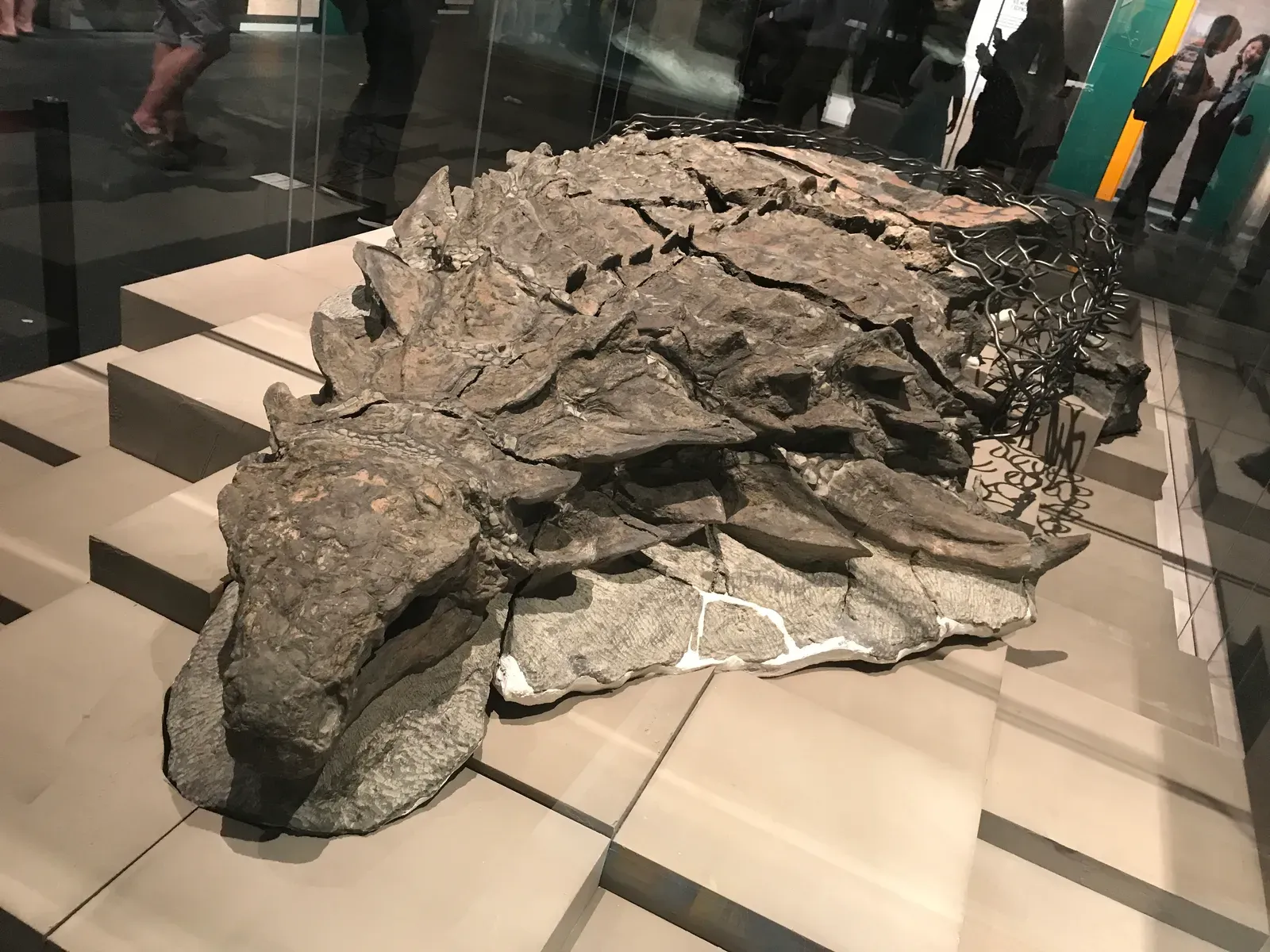
Imagine digging for oil and accidentally hitting something far more valuable than black gold. That’s exactly what happened in 2011 when a backhoe operator at the Millennium Mine near Fort McMurray, Alberta, struck something unusual. The machine clipped something much harder than the surrounding rock, and oddly colored lumps tumbled out, sliding down onto the bank below.
Named Borealopelta markmitchelli, the fossil is now considered the best-preserved armored dinosaur ever found, with its skin, armor, keratin sheaths, and even pigmentation all still intact after 110 million years underground. Let’s be real, most fossils are just bones. This was different. The color pattern – darker above, lighter below – confirms countershading, a strategy to blur outlines and reduce visibility in daylight environments, and what makes this finding exceptional is not just the preservation, but what it implies: a 1,300-kilogram dinosaur evolved to hide.
The Tyrannosaur That Wasn’t a Teenager After All
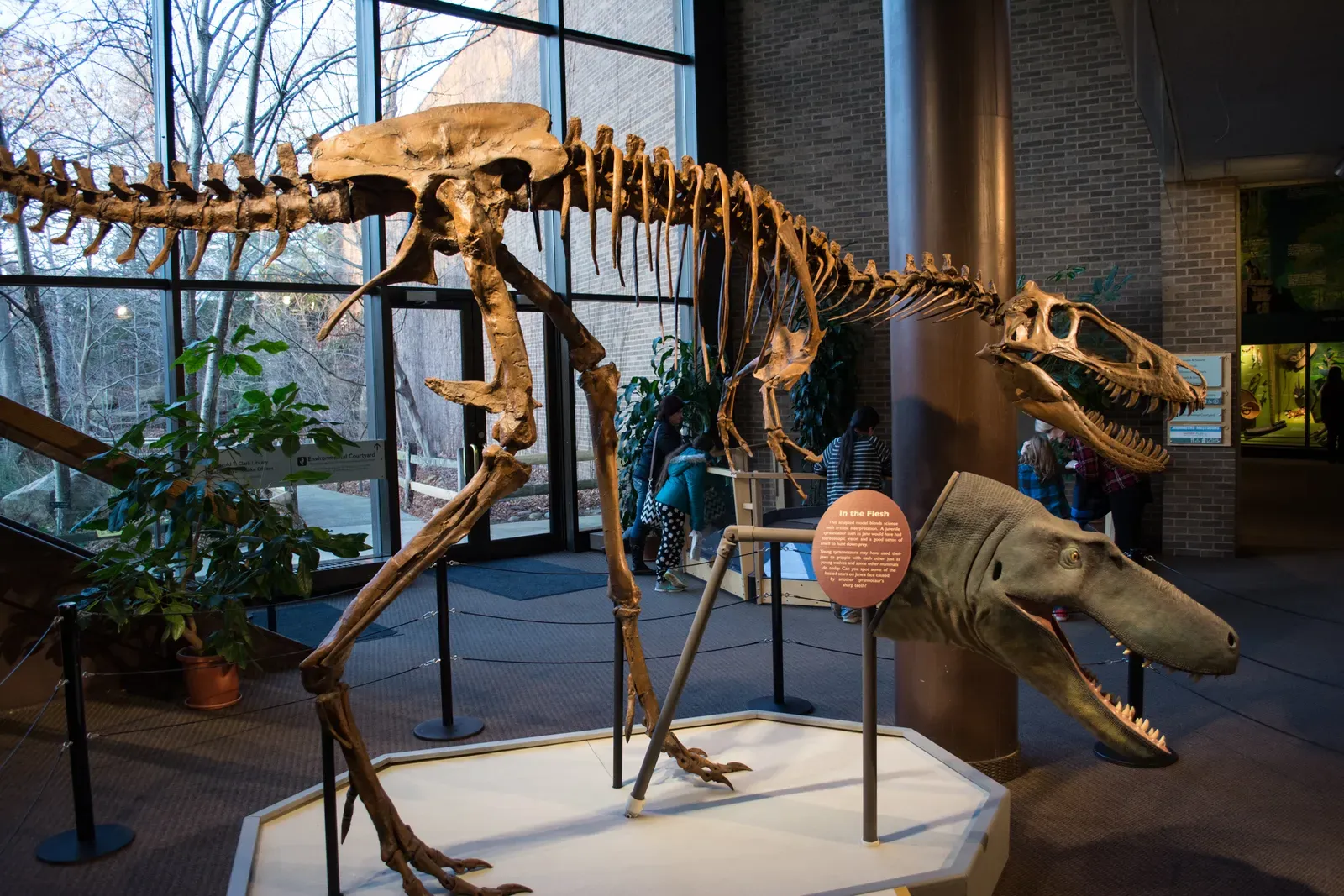
The fossil, part of the legendary “Dueling Dinosaurs” specimen unearthed in Montana, contains two dinosaurs locked in prehistoric combat: a Triceratops and a small-bodied tyrannosaur, which is now confirmed to be a fully grown Nanotyrannus lancensis – not a teenage T. rex, as many scientists once believed. This revelation, announced in late 2025, has sent shockwaves through the paleontology world.
For decades, researchers had been using what they thought were juvenile T. rex bones to study how the famous predator grew up. Turns out they were studying a completely different animal. New evidence reveals that those studies were based on two entirely different animals – and that multiple tyrannosaur species inhabited the same ecosystems in the final million years before an asteroid impact caused the mass extinction of dinosaurs. T. rex was a formidable predator with enormous size, a powerful bite force and stereoscopic vision, but it did not reign uncontested, as darting alongside was Nanotyrannus – a leaner, swifter and more agile hunter.
The Horned Giant With Blade-Like Frill Spikes
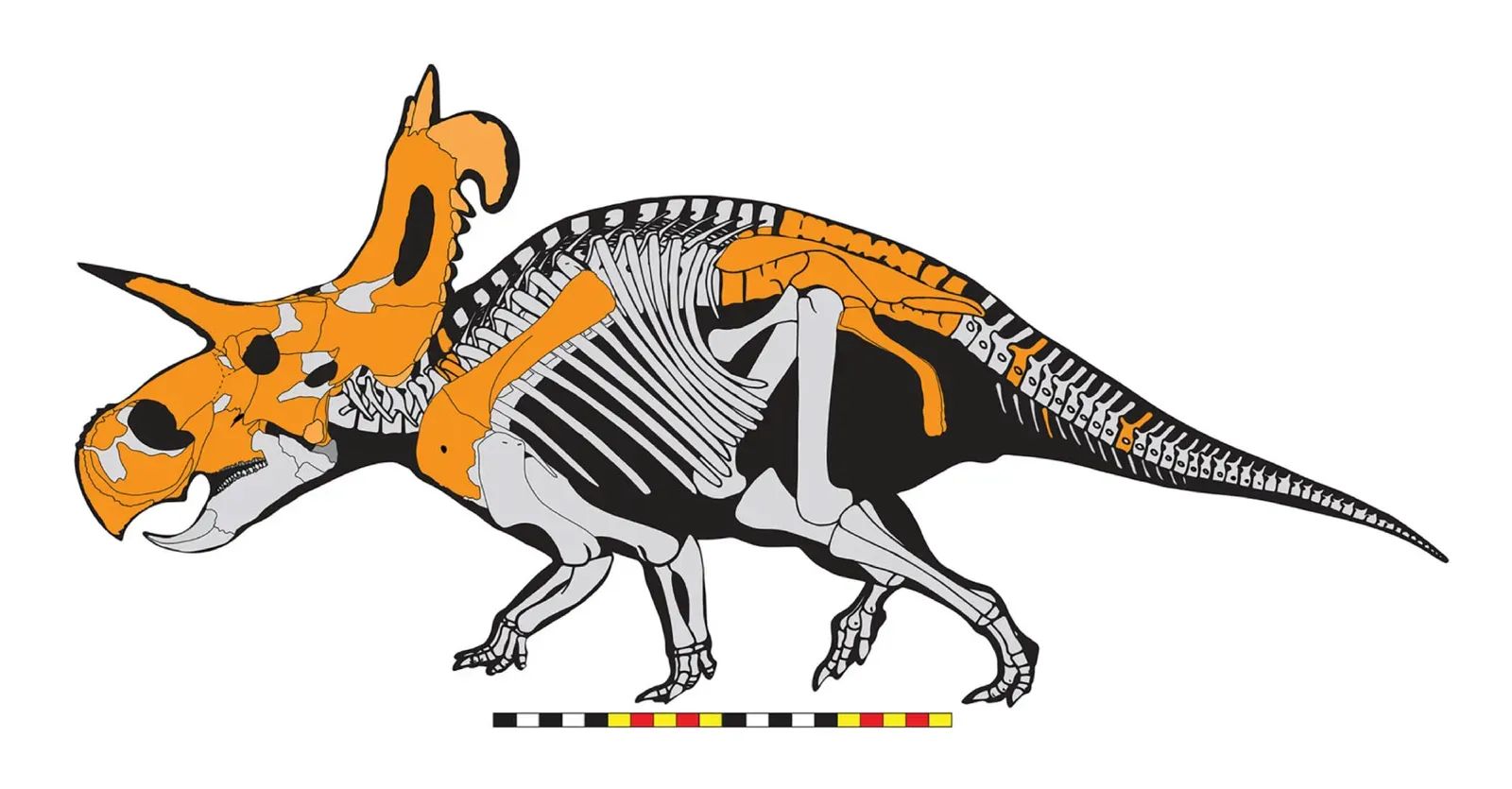
Montana’s badlands keep delivering surprises. Lokiceratops is the largest dinosaur from the group of horned dinosaurs called centrosaurines ever found in North America, with the largest frill horns ever seen on a horned dinosaur and lacks the nose horn that is characteristic among its kin. This beast lived roughly 78 million years ago, and honestly, it looks like something out of a fantasy novel.
What really gets scientists excited isn’t just the dinosaur itself. Lokiceratops was excavated from the same rock layer as four other dinosaur species, indicating that five different dinosaurs lived side by side 78 million years ago in the swamps and coastal plains, with three of these species closely related but not found outside the region, creating unheard-of diversity similar to what you would see on the plains of East Africa today with different horned ungulates. Nobody expected that level of variety crammed into such a small geographic area.
The Chicken-Sized Dinosaur That Rewrote Continental History
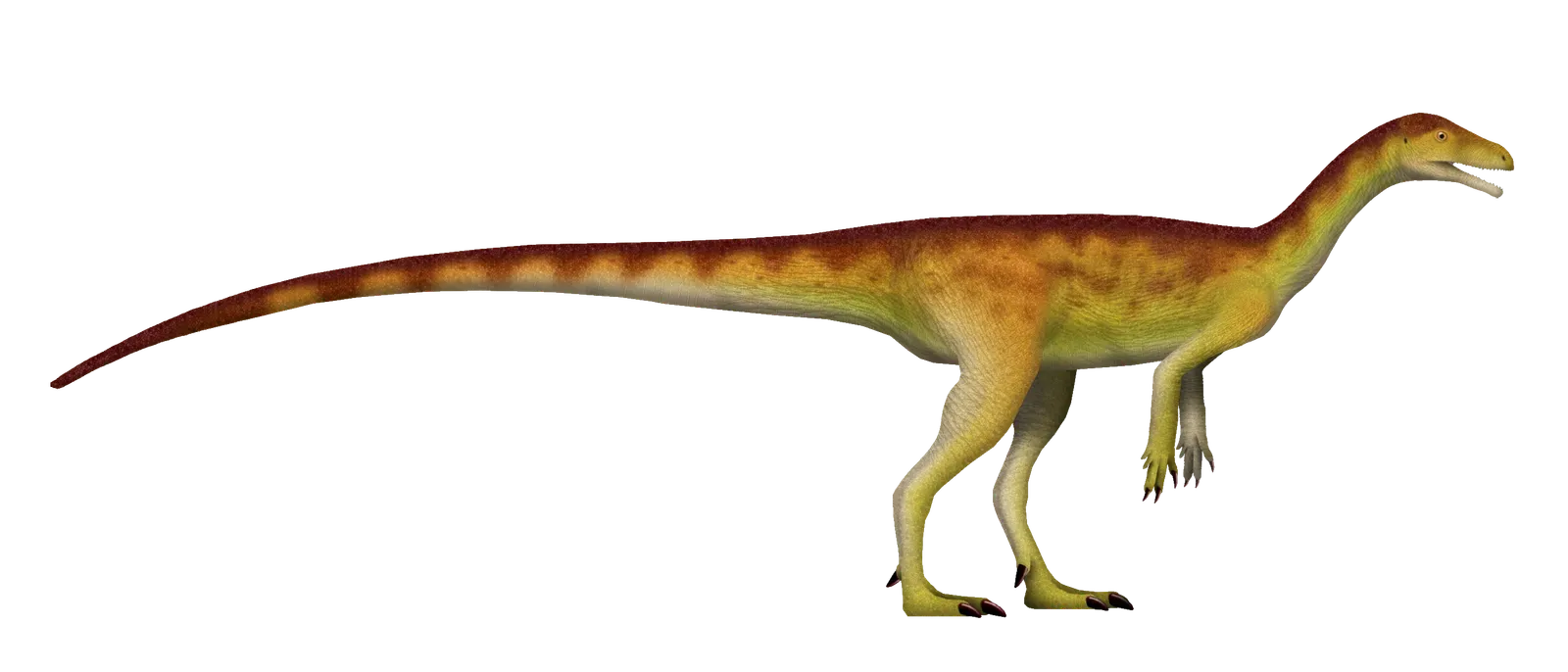
The creature, named Ahvaytum bahndooiveche, is now the oldest known Laurasian dinosaur, with fossils estimated to be around 230 million years old, making it comparable in age to the earliest known Gondwanan dinosaurs and the oldest equatorial dinosaur in the world. Discovered in Wyoming in 2013, this little guy was barely bigger than a modern chicken. It was basically the size of a chicken but with a really long tail, and the type specimen, which was full-grown, stood a little over one foot tall and was around three feet long from head to tail.
The real significance lies in what it tells us about dinosaur migration. The fossil record suggested that it took up to 10 million years for dinosaurs to spread to the northern half of Pangea, known as Laurasia. This tiny fossil throws that timeline completely out the window. Scientists now believe dinosaurs spread across the supercontinent way faster than anyone imagined. It also happens to be the first dinosaur species named in the Eastern Shoshone language, bridging modern Indigenous knowledge with ancient discoveries.
The Three-Toed Footprints Hidden in Mountain Rock
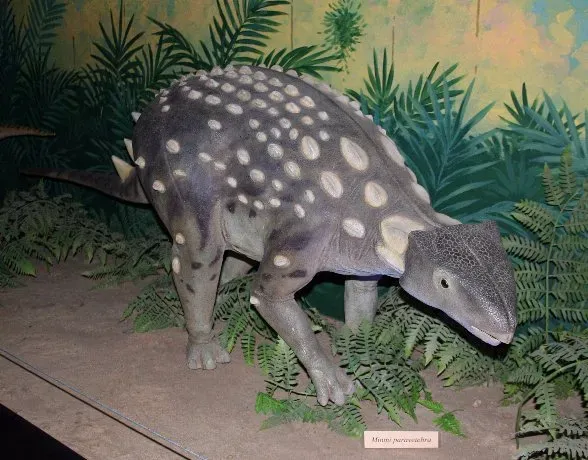
Sometimes the most unexpected discoveries aren’t bones at all. Scientists have uncovered the first known footprints belonging to armoured dinosaurs with clubbed tails, with these 100-million-year-old fossilised tracks found in two locations in the Canadian Rockies, and these new three-toed tracks are the first confirmed evidence of ankylosaurids leaving their mark. For years, paleontologists had found four-toed ankylosaur prints across the continent, but never three-toed ones.
The newly identified dinosaur has been named Ruopodosaurus clava, meaning ‘the tumbled-down lizard with a club/mace’ – a nod to both the rugged mountain landscape where it was found and the dinosaur’s distinctive tail weapon. This study also highlights how important the Peace Region of northeastern BC is for understanding the evolution of dinosaurs in North America – there’s still lots more to be discovered. It makes you wonder what else is out there, waiting in places we haven’t thought to look yet.
Conclusion
These discoveries prove that we’re nowhere near done uncovering the secrets buried beneath our feet. Each fossil changes the story a little more, filling in blanks or sometimes erasing what we thought we knew entirely. From oil sands to parking lots to remote mountain peaks, North America keeps surprising us.
The dinosaurs that once roamed this continent were far more diverse, more widespread, and frankly more bizarre than textbooks ever suggested. What really gets me thinking is this: if scientists have found this much in just the last few years, what’s still out there? What do you think the next big discovery will be?