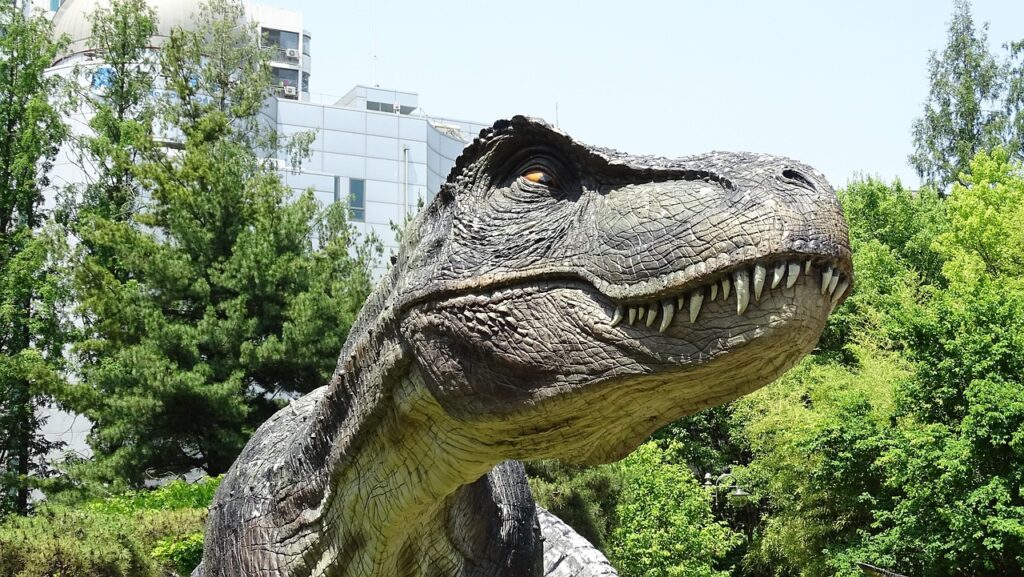
Think you know everything about the dinosaurs that once roamed North America? Picture this: massive prehistoric creatures stalking ancient swamps where Montana now sits, tiny chicken-sized dinosaurs scurrying through Wyoming forests, and predators unlike anything you’ve ever imagined. The truth is, American dinosaurs were far stranger and more diverse than popular movies and documentaries might have led you to believe.
You’re about to discover some surprises that even dinosaur enthusiasts rarely hear about. These aren’t your typical facts about sharp teeth or enormous size. Instead, you’ll learn about groundbreaking discoveries that completely change how scientists understand these ancient animals, from the first dinosaur bones ever found on American soil to brand new species identified just months ago. Let’s dive in and explore what makes American dinosaurs truly extraordinary.
The First American Dinosaur Was Found Way Back in 1858
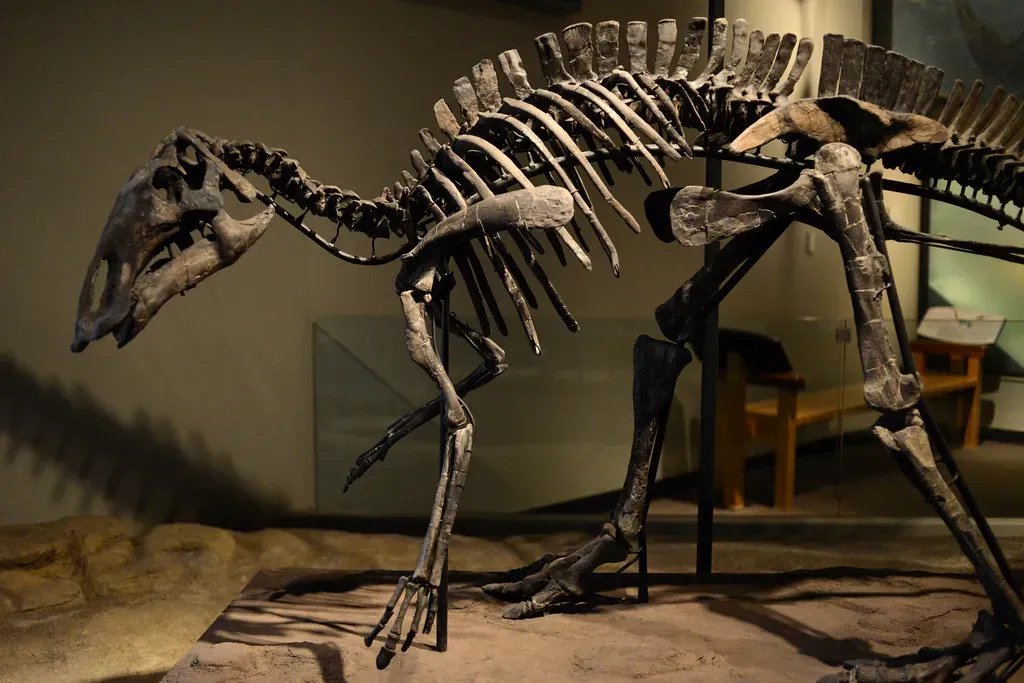
The first American dinosaur was found in 1858 in Haddonfield, New Jersey. The Hadrosaurus lived in prehistoric New Jersey and was first collected in the state’s Woodbury Formation in 1858. This discovery was monumental because it completely changed how people understood dinosaurs in the 19th century.
Hadrosaurus was one of the first nearly complete dinosaur skeletons found, and it was clearly a bipedal creature. Before this find, scientists only had fragmentary European fossils to work with, making it hard to picture what these ancient animals actually looked like. This New Jersey specimen was so important that it gave its name to the entire group of duck-billed dinosaurs we now call hadrosaurs. The site where it was discovered is now recognized as a National Natural Landmark, honoring its place in paleontological history.
Montana Revealed the Most Bizarre Horned Dinosaur in 2024
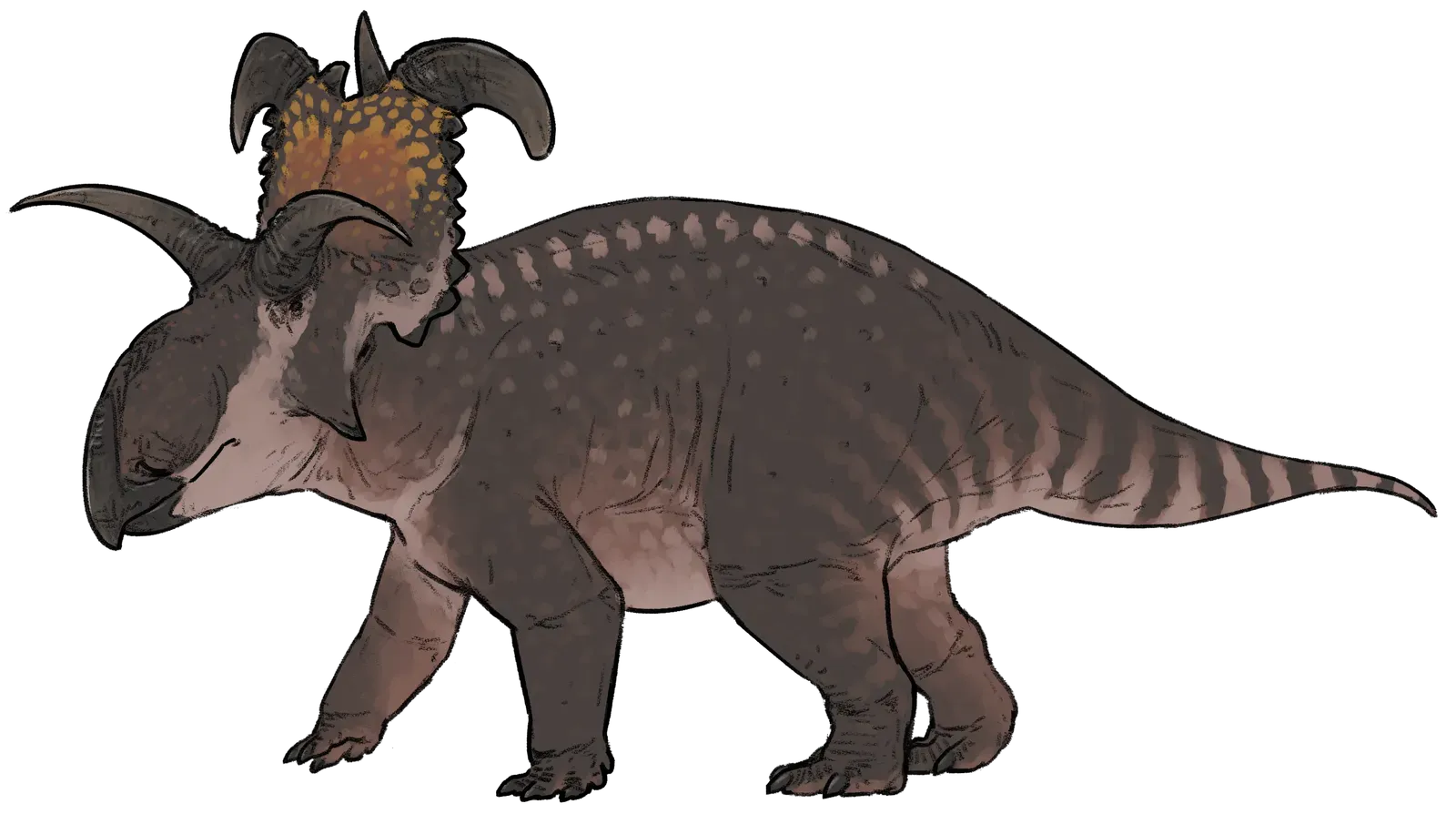
Lokiceratops rangiformis, named for its distinctive horn pattern, possesses several unique features including huge, curving blade-like horns on the back of the frill – the largest ever found on a horned dinosaur – and a distinct, asymmetric spike in the middle of the frill. This incredible creature was announced to the world in 2024, and honestly, it looks like something straight out of mythology rather than real prehistory.
Estimated to be 22 feet long and weigh 11,000 pounds, Lokiceratops is the largest dinosaur from the group of horned dinosaurs called centrosaurines ever found in North America. What makes this find even more remarkable is the ecosystem it reveals. Lokiceratops was excavated from the same rock layer as four other dinosaur species, indicating that five different dinosaurs lived side by side 78 million years ago, with three of these species being closely related but not found outside the region. That’s an incredible level of diversity for such a confined area, similar to finding five different species of elephants living together on an African plain.
America’s Oldest Dinosaur Was Chicken-Sized and Lived 230 Million Years Ago
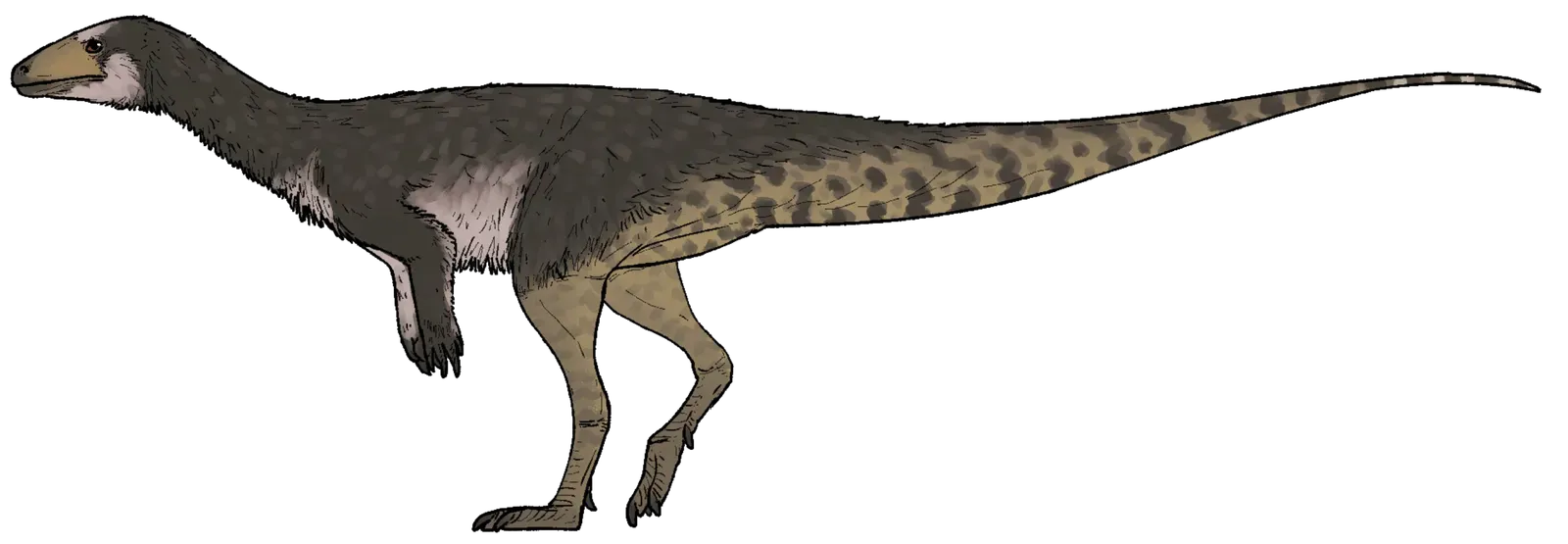
Here’s something that might shock you about early American dinosaurs. The creature, named Ahvaytum bahndooiveche, is now the oldest known Laurasian dinosaur, and with fossils estimated to be around 230 million years old, it’s comparable in age to the earliest known Gondwanan dinosaurs. Forget the massive monsters you’re picturing right now.
This creature was basically the size of a chicken but with a really long tail, standing a little over one foot tall and around three feet long from head to tail. This discovery rewrites the entire timeline of when dinosaurs first appeared in the northern hemisphere. For years, scientists believed dinosaurs evolved much later in North America compared to the southern continents. This tiny Wyoming dinosaur proved that assumption completely wrong, showing that dinosaurs were wandering around ancient North America millions of years earlier than anyone suspected.
Multiple Tyrannosaur Species Actually Lived Together Right Before the Asteroid Hit
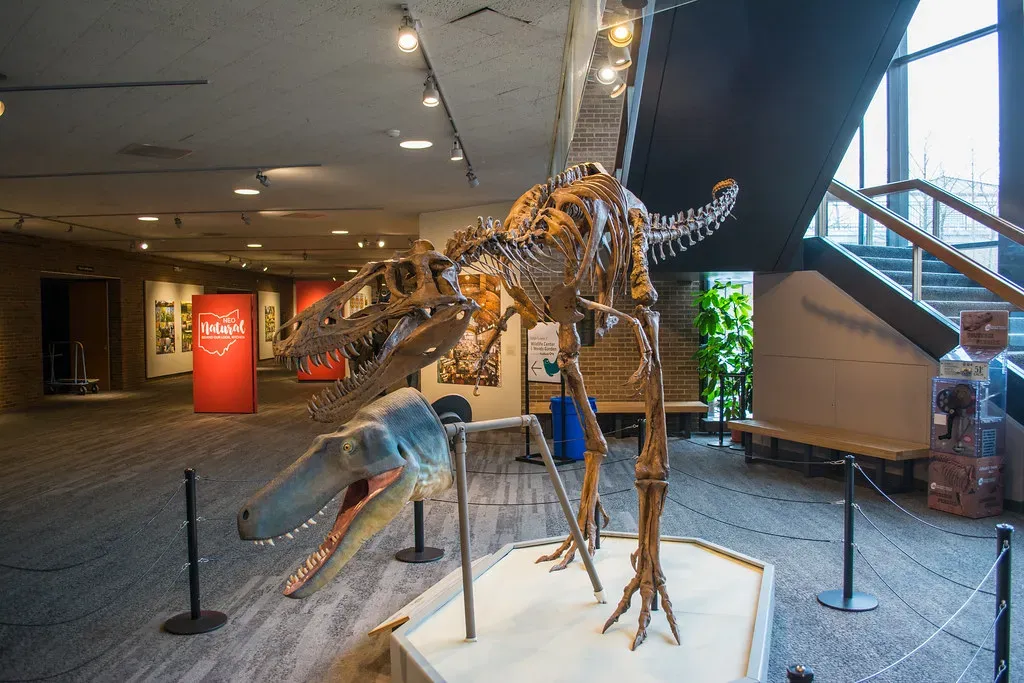
Let’s be real, most people assume Tyrannosaurus rex was the only apex predator stomping around North America during the final days of the dinosaurs. That image is deeply embedded in popular culture. Turns out, that’s not quite accurate. A tyrannosaur specimen is now confirmed to be a fully grown Nanotyrannus lancensis, not a teenage T. rex, as many scientists once believed, flipping decades of T. rex research on its head.
Multiple tyrannosaur species coexisted in the last million years before the asteroid impact, suggesting a richer, more competitive ecosystem than previously imagined, and revealing that studies using Nanotyrannus fossils to model T. rex growth were based on two entirely different animals. This groundbreaking research came from studying the famous “Dueling Dinosaurs” fossil found in Montana and announced in 2026. Imagine a prehistoric world where different tyrannosaur species competed for territory and prey, rather than one lone tyrant king ruling the landscape. That’s the reality science is now revealing.
American Dinosaurs Were Surprisingly Diverse in Small Geographic Areas
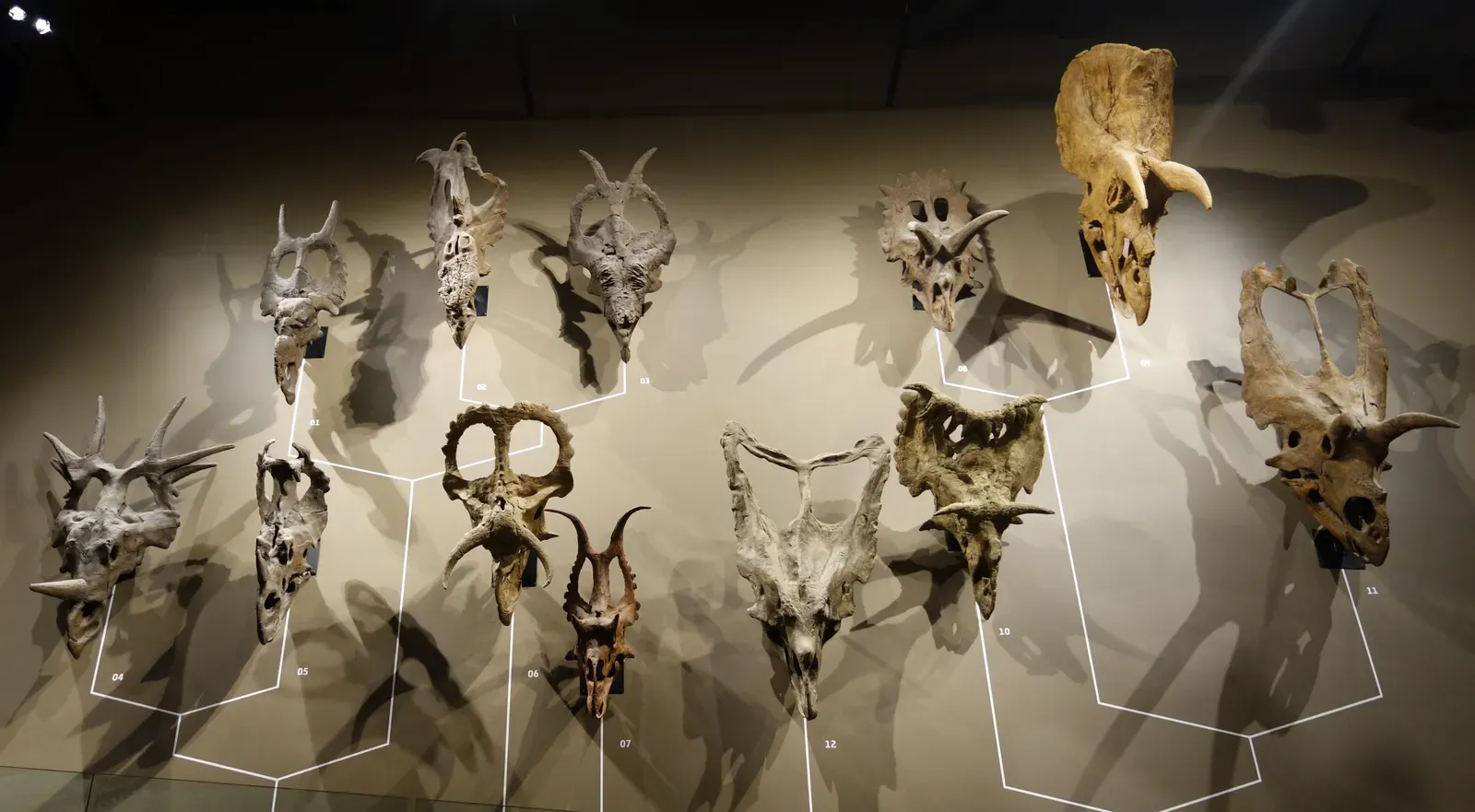
When you think about large animals today, like elk or bison, they roam across huge territories spanning multiple states or even countries. American dinosaurs were nothing like that. High regional endemism in centrosaurs is associated with, and may have been driven by, high speciation rates and diversity, with competition between dinosaurs limiting their geographic range.
Centrosaurine ceratopsid species and clades were confined to small geographic areas, with the endemism present in centrosaurines being greater than in any other group of dinosaurs. This pattern is absolutely bizarre compared to modern large mammals. Scientists believe this happened because of rapid evolution driven by sexual selection, where flashy horns and crests helped dinosaurs attract mates. Over just hundreds of thousands of years, completely new species evolved in isolated pockets across the ancient western seaway that split North America in two. This means there are likely far more American dinosaur species waiting to be discovered than anyone previously imagined, each one uniquely adapted to its own small corner of the prehistoric landscape.
Conclusion
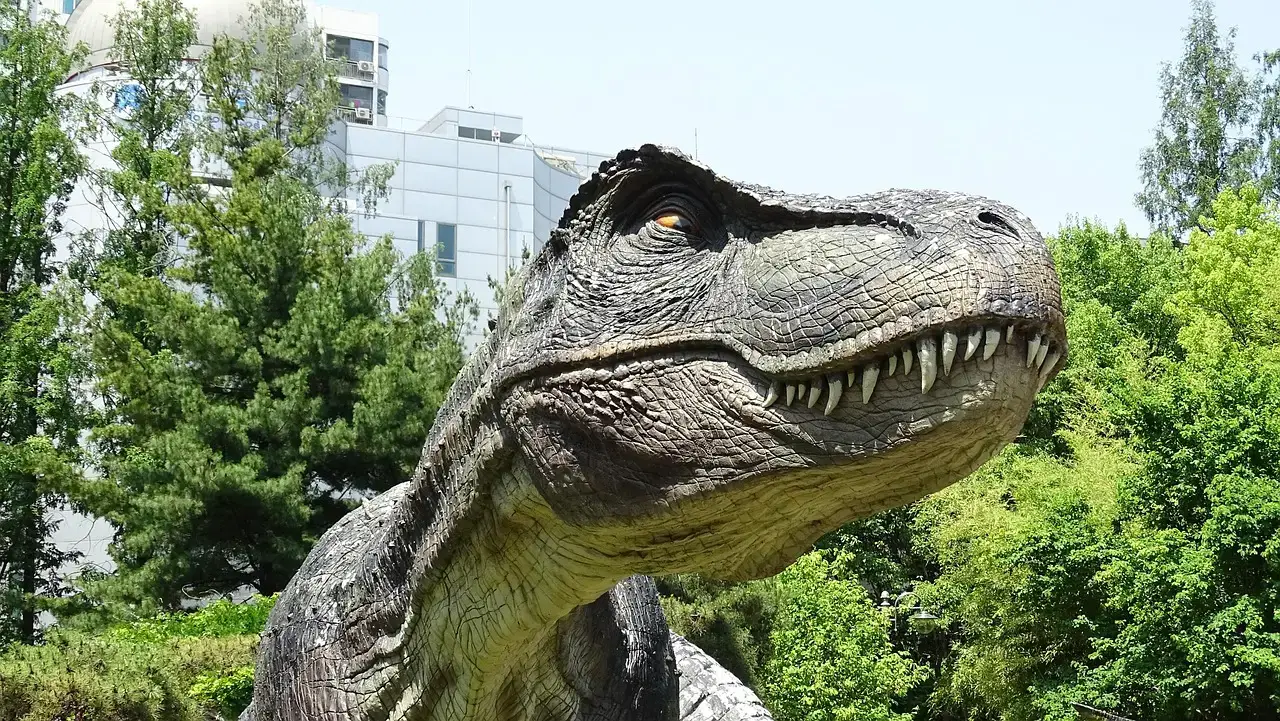
American dinosaurs continue to surprise and amaze us with each new discovery. From New Jersey’s groundbreaking Hadrosaurus find in 1858 to the stunning Lokiceratops unveiled in 2024, these ancient creatures keep rewriting what we thought we knew about prehistoric life. The diversity, complexity, and sheer strangeness of American dinosaurs far exceed what most people learn in school or see in movies.
What’s most exciting is that paleontologists are still finding new species regularly, each one adding another piece to the puzzle of life on ancient North American soil. Who knows what incredible discoveries are still buried beneath our feet, waiting to tell their stories? What do you think about these surprising facts? Did any of them completely change how you picture dinosaurs?