
Have you ever wondered what the first complex creatures on our planet looked like? Picture a world where nothing had a brain, a mouth, or even recognizable body parts. Long before dinosaurs roamed and even longer before the first fish swam the prehistoric seas, Earth was home to some of the strangest life forms imaginable. These ancient organisms looked nothing like the animals we know today, yet they hold the key to understanding how complex life began.
Recent fossil discoveries have revealed that larger and more complex animals existed during the Ediacaran period, and even possibly earlier. Scientists have been piecing together evidence from rocks that are hundreds of millions of years old, and what they’re finding challenges everything we thought we knew about evolution. The story of life’s beginnings turns out to be far more twisted and surprising than anyone expected.
The Garden of Ediacara: Earth’s First Complex Community
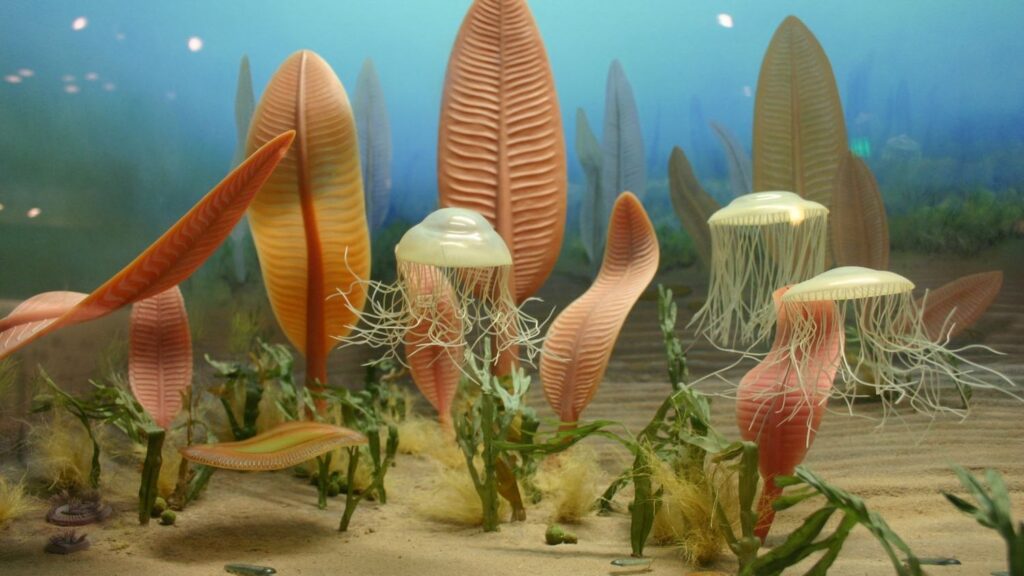
The Ediacaran Period, spanning approximately 635 million to 541 million years ago, represents the final interval of both the Proterozoic Eon and Precambrian time. This was a period when Earth looked nothing like it does now. Imagine vast oceans without any fish, seafloors covered in sticky microbial mats, and no predators hunting their prey.
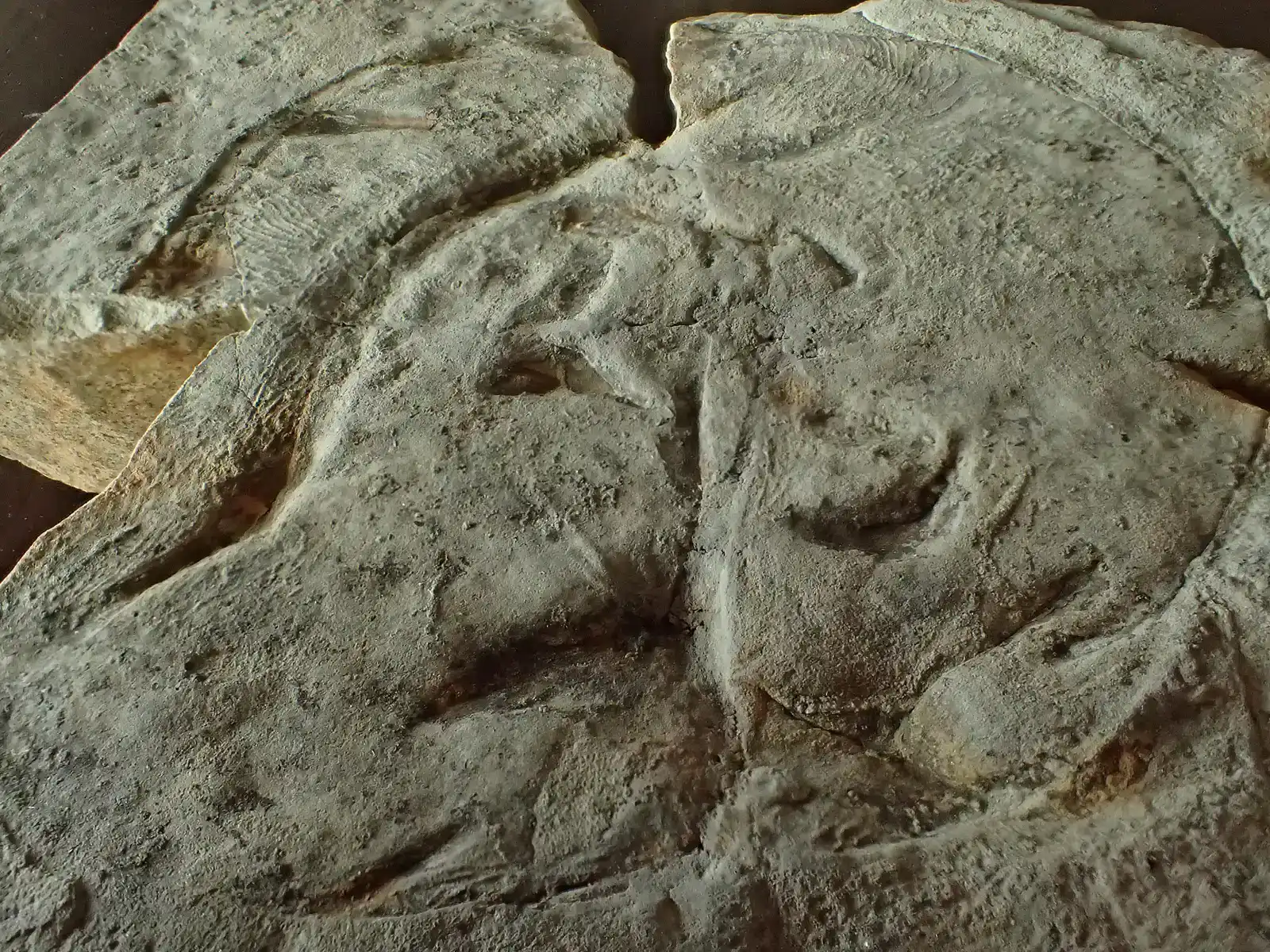
These enigmatic tubular and frond-shaped, mostly sessile organisms represent the earliest known complex multicellular organisms. Some resembled feathery fronds swaying in ancient currents, while others looked like quilted mattresses pressed into the seafloor. Known as the Ediacarans, these bizarre creatures bore little resemblance to modern life-forms, growing on the seabed and lacking any obvious heads, mouths, or digestive organs, with fossils of the largest, Dickinsonia, resembling a ribbed doormat.
Comb Jellies: The Shocking First Animals
For over a century, scientists believed sponges were the oldest animals on Earth’s evolutionary tree. Honestly, it made sense since sponges are incredibly simple creatures that just sit in one place filtering water. Then everything changed.
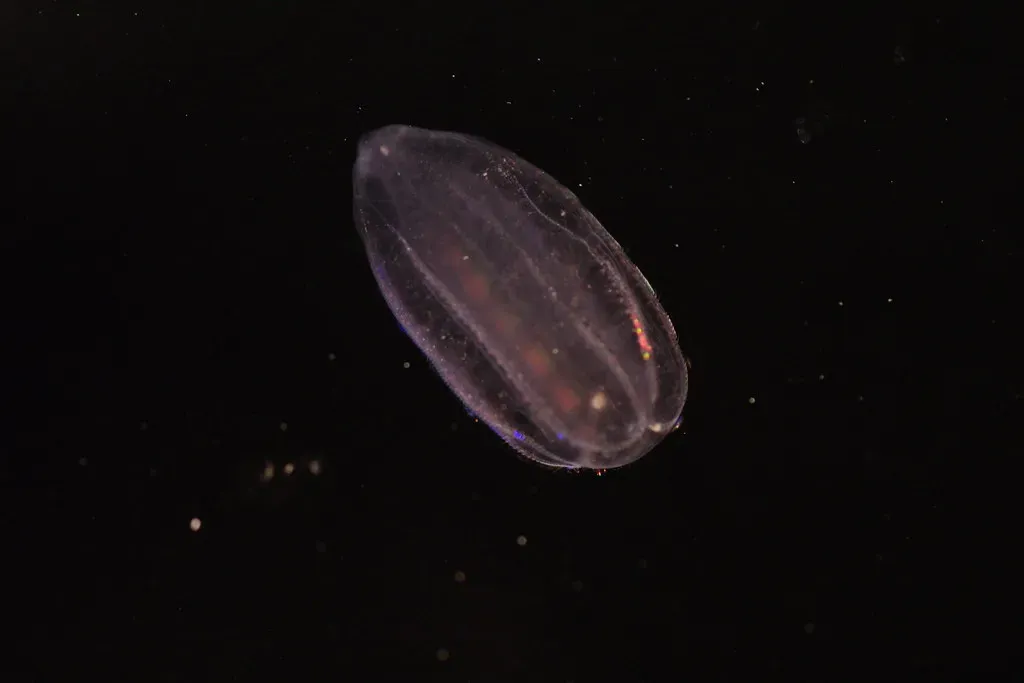
Newer research suggests that ctenophores (comb jellies) are the first true animals, not sponges, with scientists determining they split from the animal kingdom’s common ancestor before sponges. Researchers used a novel approach based on chromosome structure to determine that comb jellies were the first lineage to branch off from the animal tree, with sponges being next. Think about that for a moment. The very first animals weren’t stationary filter feeders but active predators with nervous systems that hunted through ancient seas.
This discovery forces us to rethink everything about how complexity evolved. The implications are wild.
The Cambrian Explosion Wasn’t Really an Explosion
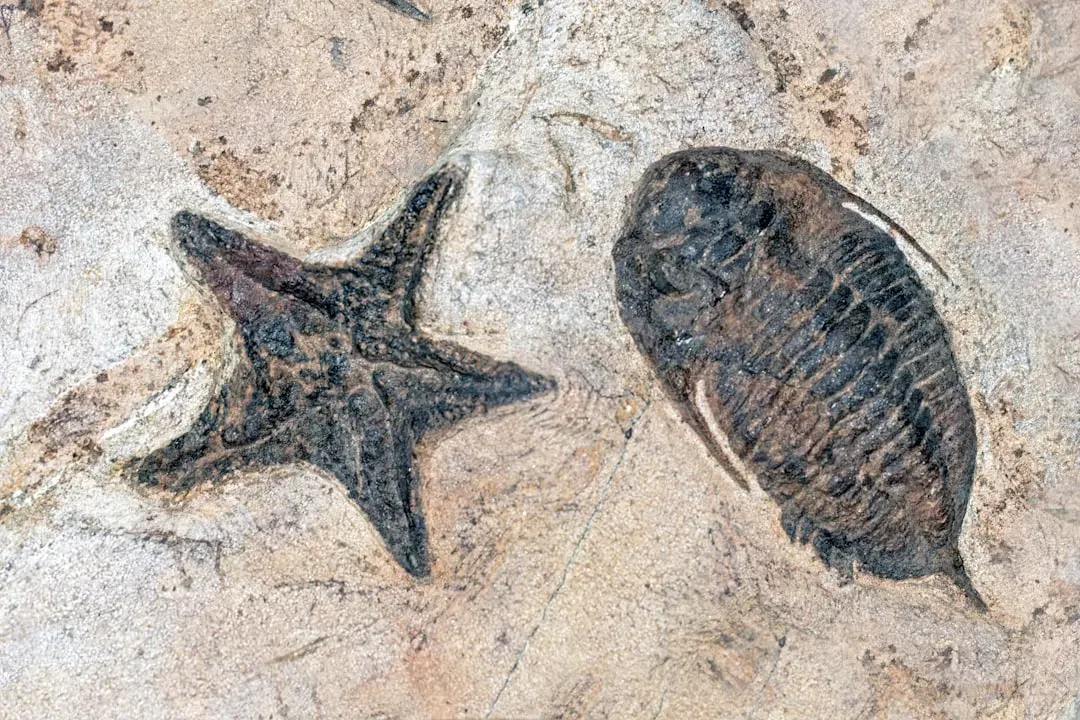
The Cambrian explosion is an interval beginning approximately 538.8 million years ago when a sudden radiation of complex life occurred and practically all major animal phyla started appearing in the fossil record, lasting for about 13 to 25 million years. For decades, textbooks presented this as a mysterious burst where animals seemingly appeared out of nowhere. Darwin himself was troubled by it.
Here’s the thing, though. New research suggests that many key characteristics of animals were already in place millions of years earlier during the Late Ediacaran Period, making the Cambrian Explosion less of a burst of evolution and more of a final flourish. Trace fossils from the Late Ediacaran Period indicate that key animal characteristics such as advanced movement, sensory abilities, and elongated body shapes developed millions of years before the Cambrian Explosion.
Recent analysis of ancient tracks in rocks shows something fascinating. Simple tracks with many abrupt turns from around 550 million years ago were thought to have been made by simple animals with short, round bodies and limited senses that could turn on the spot. Around 545 million years ago, smoother tracks with fewer abrupt turns appear, resembling those left by living horseshoe crabs, slugs and snails, suggesting that animals were gaining greater control of their movement.
Armored Pioneers: The First Animals With Skeletons
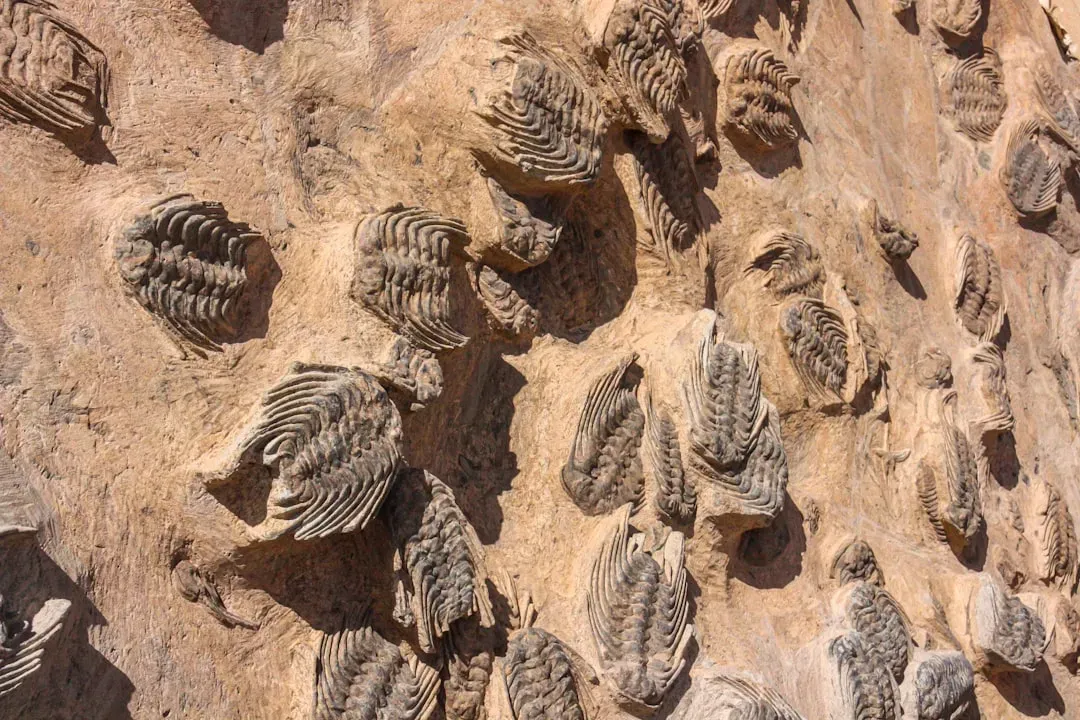
The oldest known creatures with external and internal skeletons composed of mineralized tissue, appearing 550 million years ago, indicates that ecological and environmental pressures thought to have driven the Cambrian explosion were in fact at work long before then. Before this time, every living creature was soft-bodied and squishy.
Why would animals suddenly start building skeletons? Making a skeleton is energetically expensive, but by far the most common reason is the need for protection from predators, and although there is no fossil evidence of predators from this time period, the appearance of skeletons might reflect the first widespread occurrence of animals that ate other animals. The fossil record suggests an evolutionary arms race was beginning. Some animals developed hard shells for protection while others likely evolved better tools for breaking through those defenses.
Fossils named Coronacollina acula, discovered in South Australia, date back as far as 560 million years and are believed to show hard body parts and spicules that extended 20 to 40 centimeters from the main body.
Strange Feeding Strategies That Defy Modern Logic
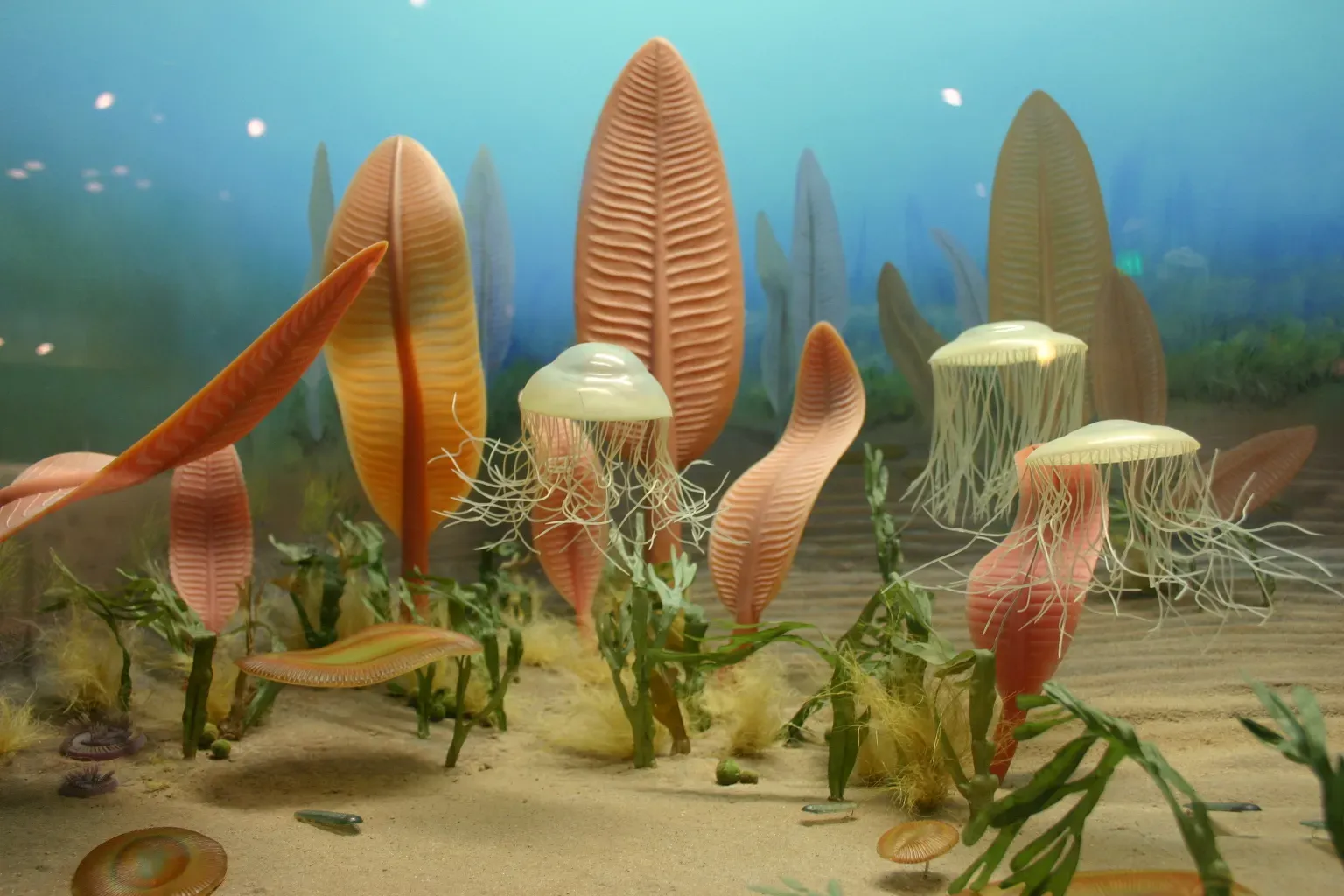
Let’s be real, some of these ancient creatures fed in ways that seem almost alien. The common fractal-like self-similar branching rangeomorph forms had surface area to volume ratios comparable to modern osmotrophic bacteria, and although this feeding type is restricted to these bacteria in the modern era, these self-similar growths may have represented a strategy for overcoming physiologic constraints.
What does that mean exactly? These organisms absorbed nutrients directly through their skin from the surrounding water, like living sponges without being actual sponges. These early unusual and distinct macroorganisms may have been important in cycling dissolved organic carbon that may have been abundant in Ediacaran times. They were essentially living chemical processors in a world swimming with organic molecules.
No modern large animal feeds this way anymore, which makes these creatures a fascinating evolutionary dead end. Nature tried something that worked for millions of years but eventually became obsolete.
The Time of the Slime: Why These Fossils Exist at All
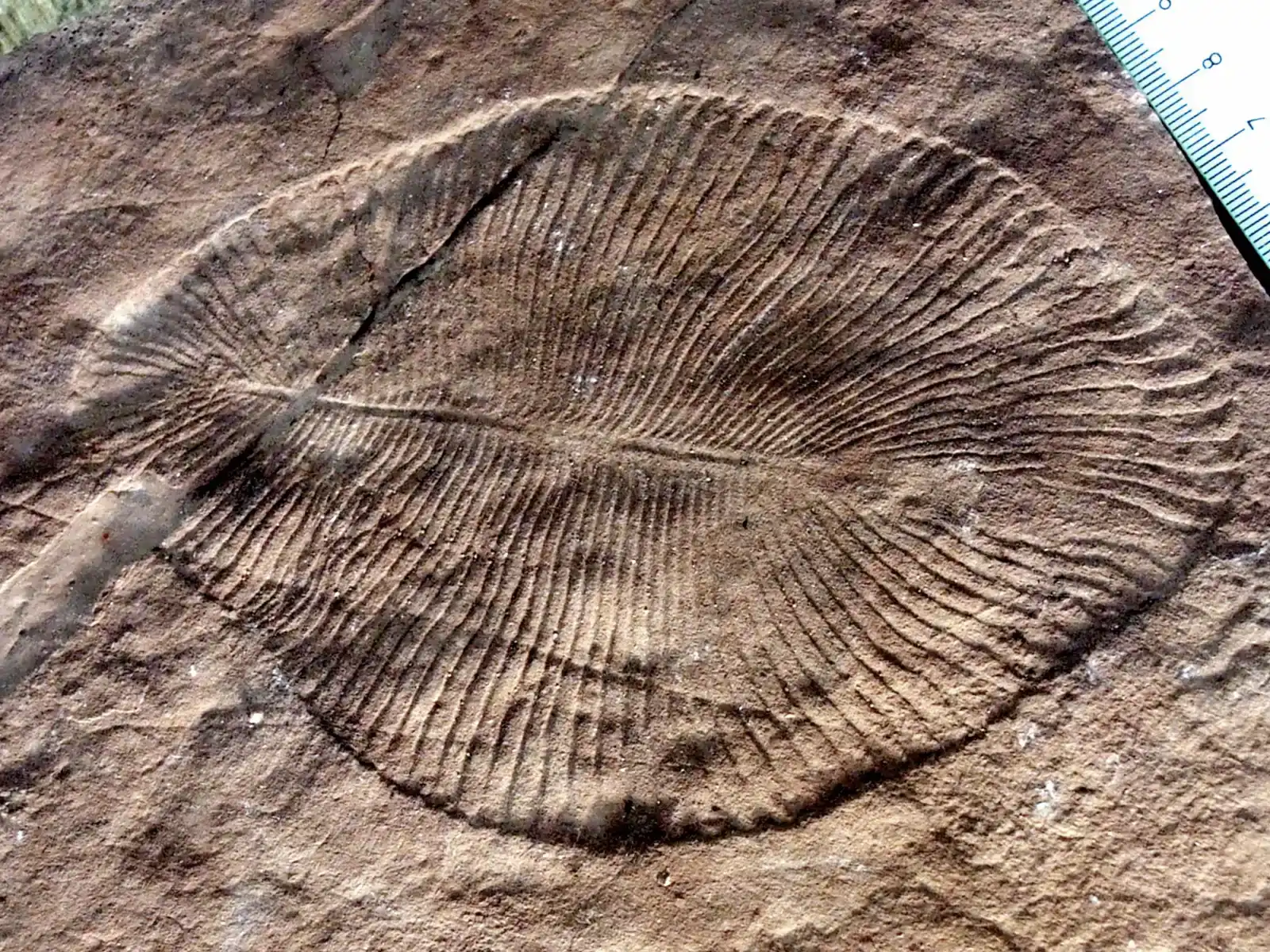
You might wonder how we even know about these soft-bodied creatures. After all, jellyfish and worms don’t fossilize easily. The answer is beautifully strange.
The absence of fast-moving animals allowed microbes to colonize the surface of the ocean floor and create a layer of secretion wherever they grew, and such a sticky layer allowed the sediment to stabilize and acted as a mold when the animals died on top of them. Scientists have nicknamed this era “The Time of the Slime.” Basically, the ocean floor was covered in a bacterial goo that perfectly preserved the impressions of creatures that died and sank into it.
This unusual preservation happened all over the world during a specific window of time. Such a slow-paced life, combined with the lack of predators, is a feature unique to this period, and as a nod to the biblical Garden of Eden, some people have referred to this peaceful early Earth as the Garden of Ediacara.
The Great Extinction Nobody Talks About
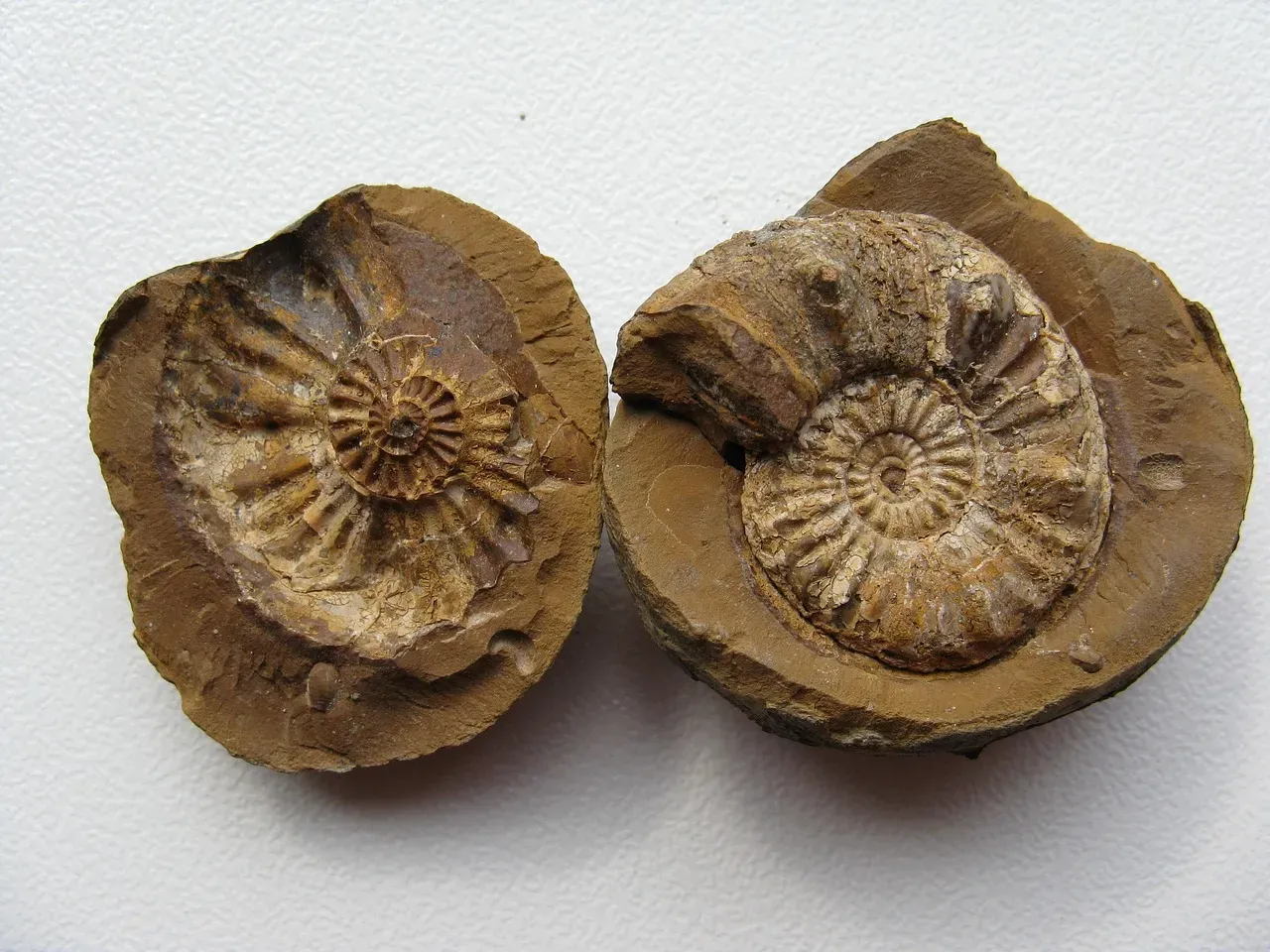
Within the next few million years, the Garden of Ediacara disappeared, replaced by the resourceful crawlers of the Cambrian, marking the first mass extinction on Earth, one that is caused by living creatures instead of natural disasters. That’s right. The world’s first mass extinction wasn’t caused by an asteroid or volcanic eruption but by life itself.
Most of these organisms appeared during or after the Avalon explosion 575 million years ago and died out during the End-Ediacaran extinction event 539 million years ago. What killed them? Life in the Ediacaran was no longer microscopic, but typically it wasn’t able to move along the seafloor, whereas by the Cambrian animal life could explore the seabed. The arrival of more mobile, aggressive animals changed everything. They burrowed into the microbial mats, destroying the sticky seafloor that had preserved so many fossils. They grazed, hunted, and completely transformed the ecosystem.
Some Ediacaran creatures may have survived briefly into the Cambrian, but they were evolutionary relics in a rapidly changing world. The peaceful garden was replaced by a competitive battlefield where only the fittest survived. It’s hard to say for sure whether any modern animals descended directly from the Ediacaran fauna, or if they represent a completely separate experiment in complex life that simply failed. At this point, the relationship between the Ediacaran and Cambrian creatures is yet to be resolved, and it is possible that the iconic animals of the Ediacara were wiped out completely without any living descendants.
The world’s earliest wildlife tells us that evolution doesn’t follow a straight line from simple to complex. Nature experiments constantly, trying different body plans and survival strategies. Most of those experiments fail. The Ediacaran organisms remind us that success in one era doesn’t guarantee survival in the next. Earth’s first complex animals were beautiful, bizarre, and ultimately doomed when the rules of life changed around them. What do you think would happen if we could somehow bring one of these creatures back to life in our modern oceans? Would it even recognize the world life has become?