
Have you ever wondered what secrets lie buried beneath your feet? America’s landscape holds something truly extraordinary. From coast to coast, the rocks and sediments preserve an astonishing record of ancient life that spans billions of years. We’re talking about fossils so well preserved that you can see details of skin, soft tissue, and even the last meals of creatures that lived millions of years ago.
What makes the United States such a treasure trove for paleontologists is the incredible diversity of fossil sites scattered across the country. Some locations reveal creatures from the earliest days of complex life on Earth, while others showcase the giants that roamed during the Ice Age. Let’s dive in and discover why America’s geologic record is considered one of the most important windows into Earth’s past.
Ancient Microbial Mats Still Visible After Billions of Years
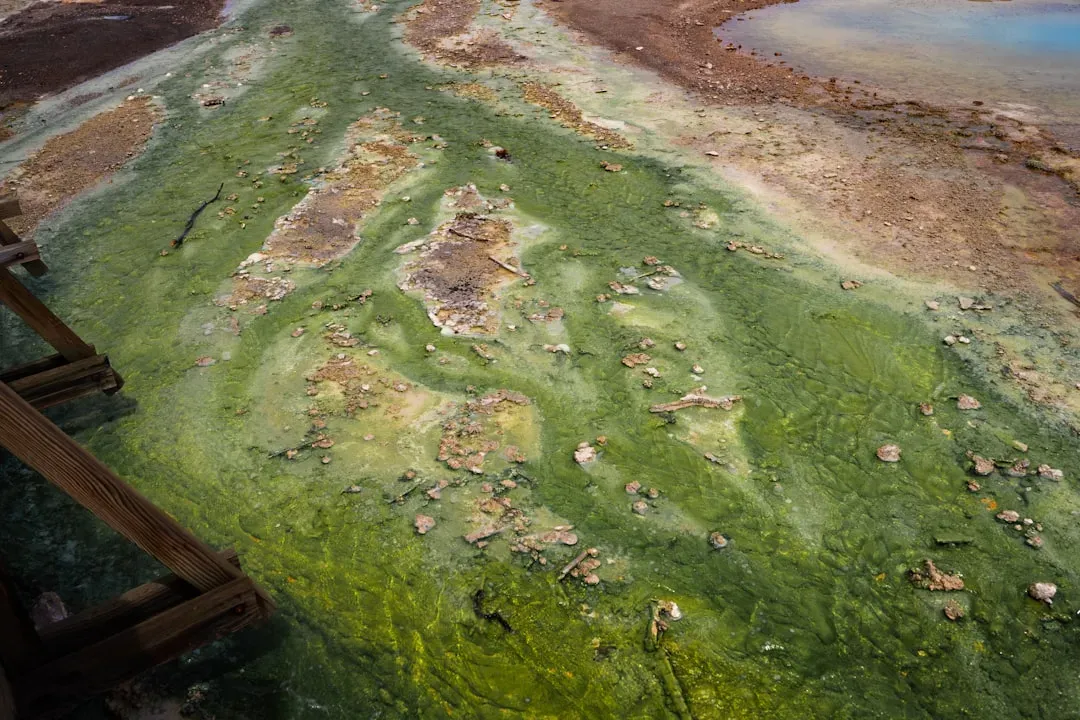
You can actually see stromatolites in national parks like Glacier and Grand Canyon, which are ancient mounds composed of sediment and cyanobacteria dating back to the Precambrian period. These aren’t just old rocks. They’re evidence of some of the earliest life forms on our planet, preserved for well over a billion years.
The oldest known stromatolites are over 3.4 billion years old, making them among the most ancient fossils ever discovered. When you stand before these formations in places like Grand Canyon National Park, you’re looking at structures built by microscopic organisms that helped create the oxygen we breathe today. It’s hard to wrap your head around that kind of timescale, but there they are, right in front of you.
The Burgess Shale Captures Cambrian Explosion Creatures
Though technically located in Canada, the Burgess Shale represents a type of preservation found in several US locations as well. It is famous for the exceptional preservation of the soft parts of its fossils, and at 508 million years old, it is one of the earliest fossil beds containing soft-part imprints. What makes this so remarkable is that normally only hard shells and bones survive the fossilization process.
The sediment flow fossilization has produced unique dark stained fossils that reveal countless varieties of soft-bodied organisms, and soft-bodied organisms are now known to have existed in greater number and variety than those Cambrian organisms exhibiting hard parts. Similar deposits in Utah and other western states preserve these bizarre animals from a time when life was experimenting with body plans we can barely imagine. Many of these creatures look like something from science fiction.
Dinosaur National Monument Houses a Jurassic Bonanza
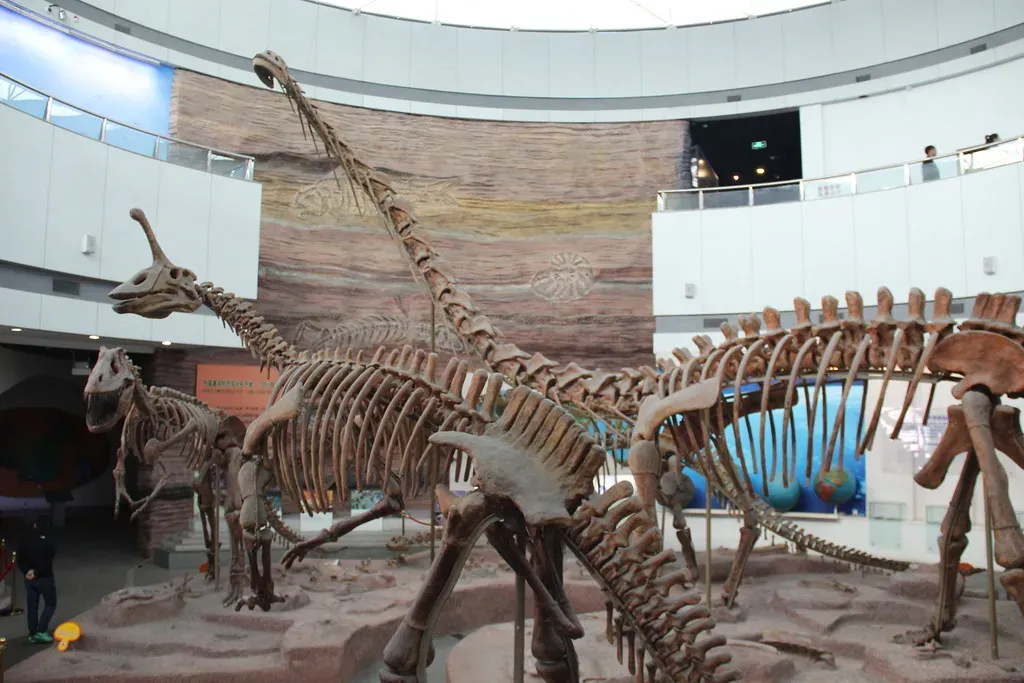
This scenic site at the confluence of the Green and Yampa Rivers is the real Jurassic park, featuring a dense concentration of bones from a variety of prehistoric species. Walking into the Quarry Exhibit Hall is like stepping back in time. The sheer number of bones clustered together is overwhelming.
Visitors can see more than 1,500 fossils at the site’s Quarry Exhibit Hall, most of them still partially embedded in the rock, and you can even touch dinosaur remains from 149 million years ago, with the most common species being sauropods including the Diplodocus, one of the longest known dinosaurs in size. There’s something deeply moving about running your fingers along bones that once belonged to creatures that walked the Earth during the age of giants. Kids especially get excited here because the fossils aren’t locked away behind glass.
Badlands Preserve Mammal Evolution Over Millions of Years
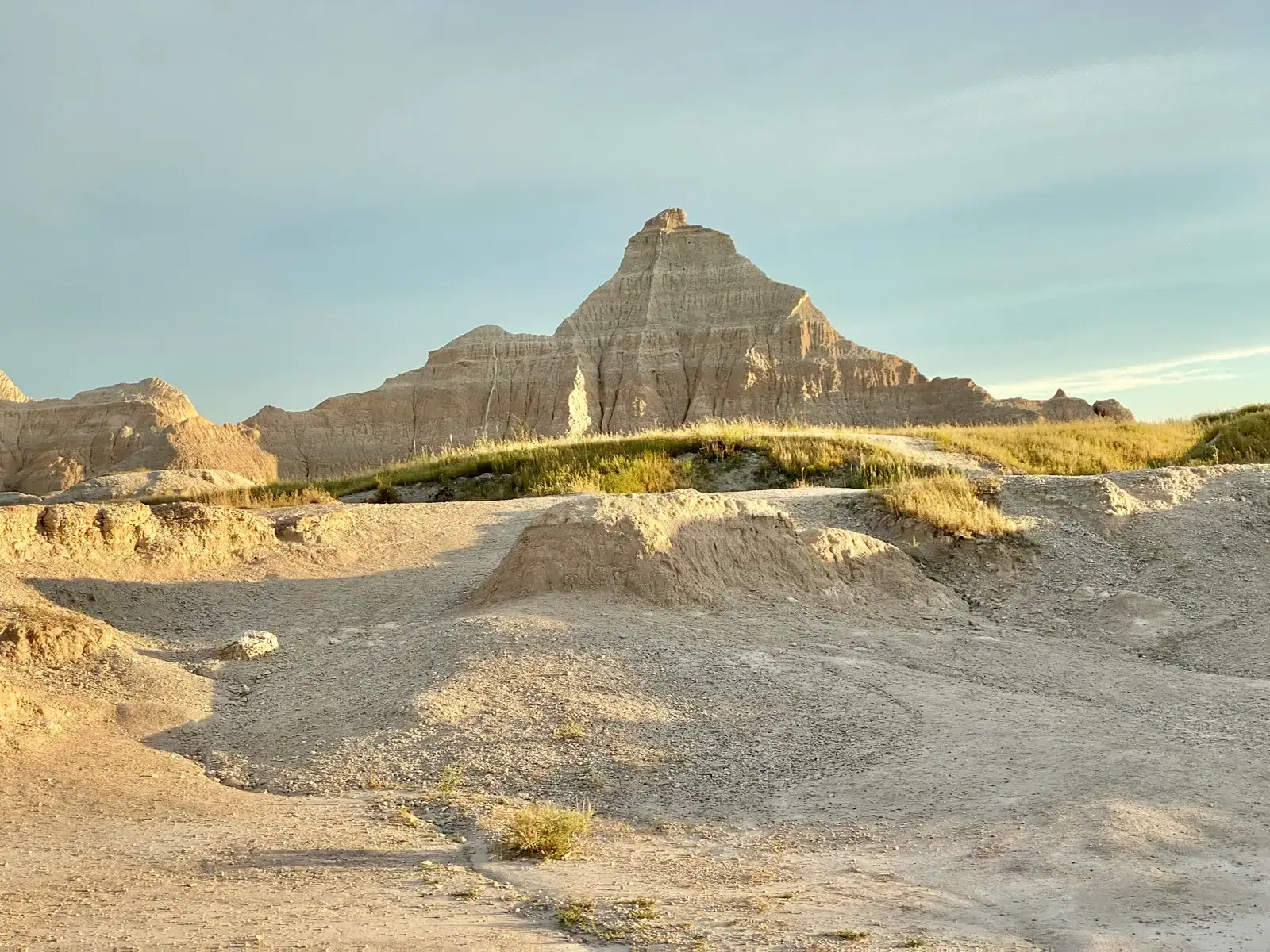
South Dakota’s massive Badlands National Park contains some of the biggest fossil concentrations on the planet, with layers of red and yellow that make the Badlands so recognizable actually being fossilized soils in which tons of interesting things have been found over the years. The landscape itself tells the story, with each colored layer representing a different chapter in Earth’s history.
The fossils at this picturesque site span 40 million years and offer one of the richest evolutionary records of the Cenozoic Era, including prehistoric alligators, bears, dogs, pigs, horses, cougars and even hippopotamuses. The Badlands are particularly important for understanding how mammals evolved and diversified after the dinosaurs went extinct. You can actually see the transition from small, primitive mammals to the larger, more specialized forms that eventually gave rise to modern animals.
La Brea Tar Pits Trap Ice Age Giants in Urban Los Angeles
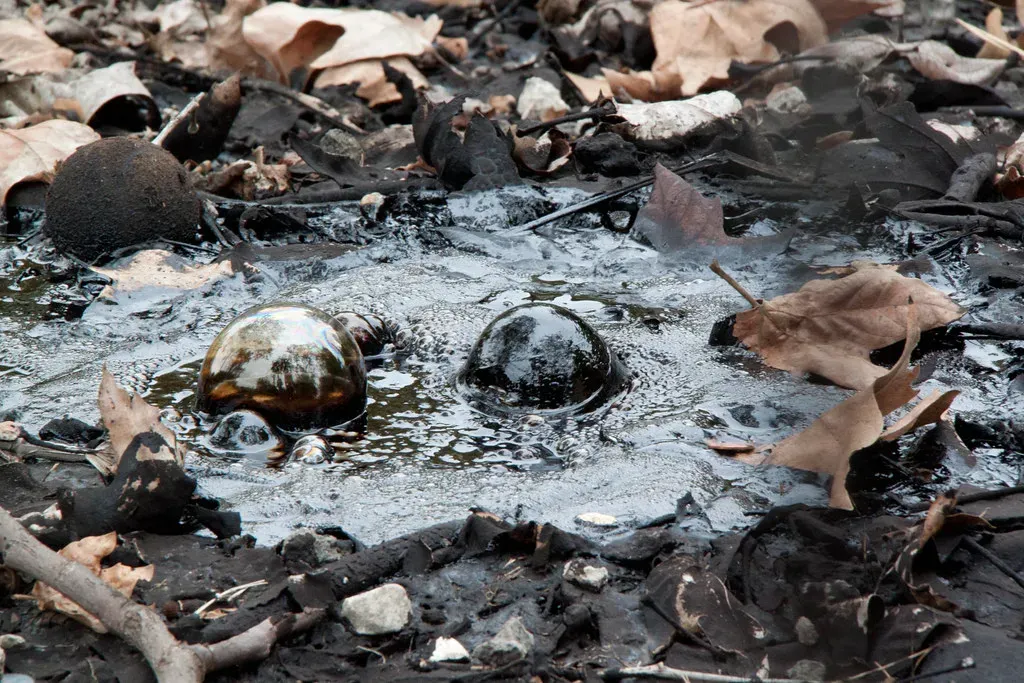
The only active paleontological research site in the world that is located in a major urban area, La Brea Tar Pits has yielded millions of samples since research began in 1913, including saber-toothed cats, dire wolf and mastodon skeletons, innumerable plants, small rodents, and insects, with new discoveries made daily in open-air excavations, constituting an unparalleled resource for understanding environmental change in Los Angeles and the planet during the last 50,000 years of Earth’s history. Honestly, it’s surreal to see active fossil excavation happening right in the middle of a bustling city.
Since 1906, more than one million bones have been recovered, representing over 231 species of vertebrates, and in addition, 159 species of plants and 234 species of invertebrates have been identified, with collections estimated to contain about three million items. The asphalt acted as a natural preservative, keeping even delicate structures intact. What’s fascinating is that the site continues to trap modern animals occasionally, showing that this natural phenomenon is still active today.
Green River Formation Offers Exceptional Fish Preservation
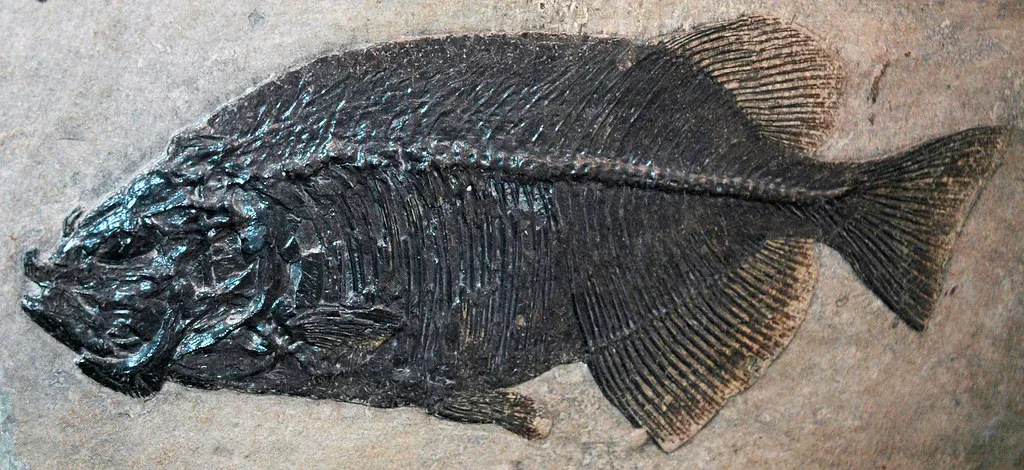
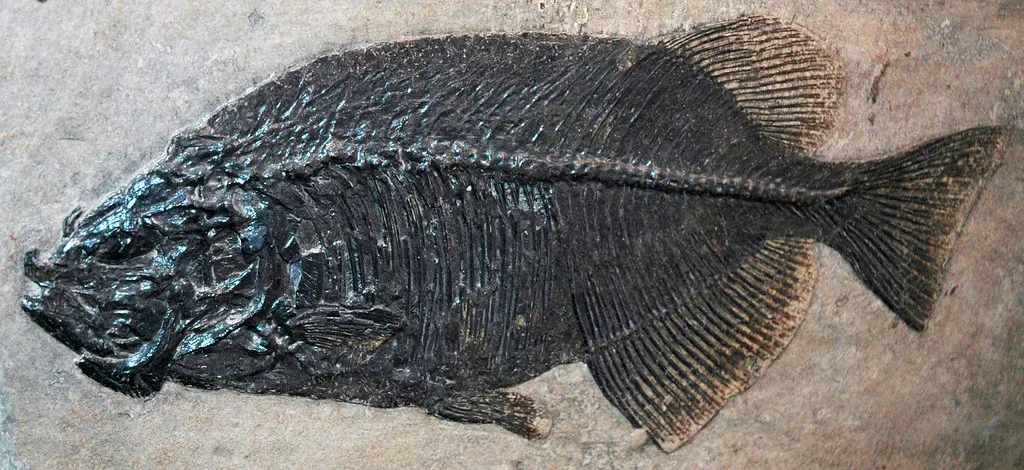
Within the Green River Formation of southwest Wyoming in the area known as Fossil Lake, two distinct zones of very fine-grained lime muds are particularly noted for preserving a variety of complete and detailed fossils, forming an Eocene Lagerstätte, and the most productive zone called the split fish layer consists of a series of laminated lime muds about 6 feet thick which contains abundant fish and other fossils. The level of detail is absolutely stunning. You can see scales, bones, and sometimes even stomach contents.
The fossils of the herring-like Knightia, sometimes in dense layers as if a school had wandered into anoxic water levels and were overcome, are familiar to fossil-lovers and are among the most commonly available fossils on the commercial market. But it’s not just fish. The earliest bats known from complete skeletons, already full-developed for flight, are found here. Several commercial quarries in the area let you dig for your own fossils, which is an incredible hands-on way to connect with deep time.
Ashfall Fossil Beds Freeze Mammals in Volcanic Death
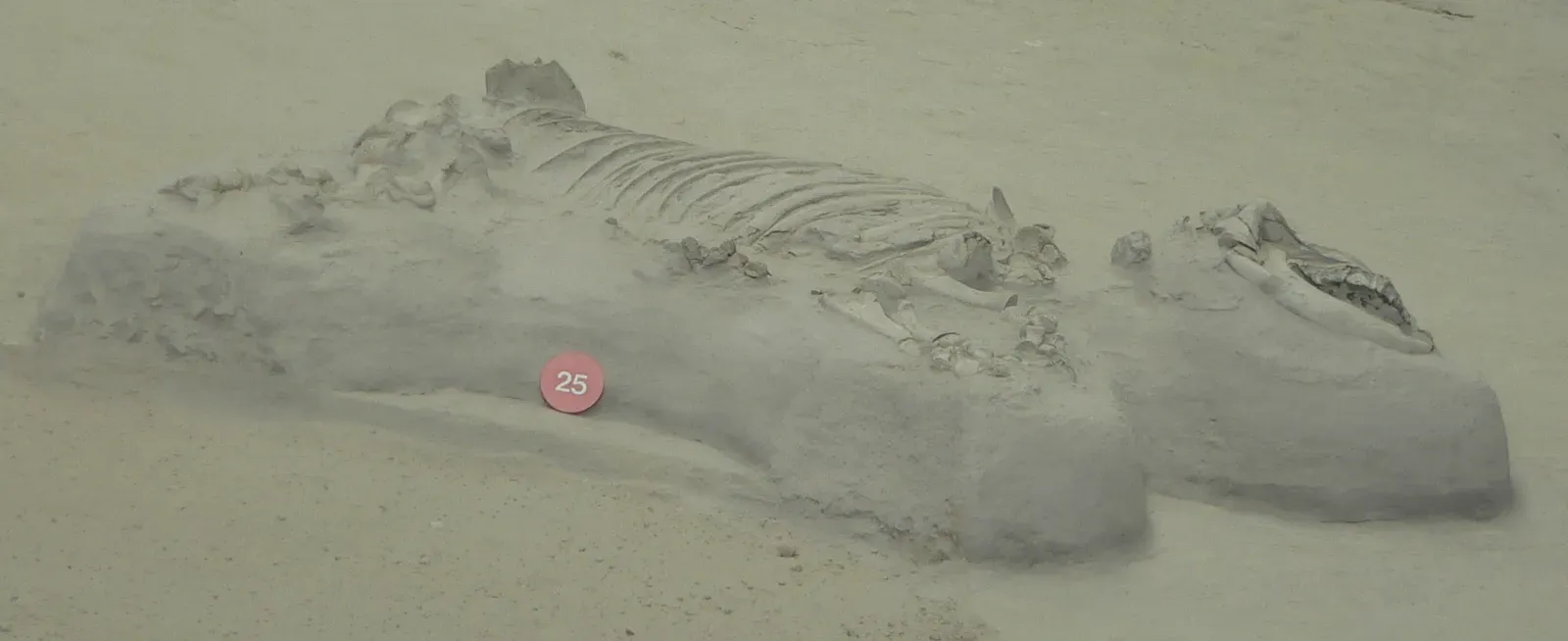
Twelve million years ago, a volcanic eruption covered hundreds of square miles with ash thick enough to suffocate most of what was living here, and today this area is the aptly named Ashfall Fossil Beds State Historical Park, where hundreds of remarkably preserved skeletons have been found, including prehistoric camels, tortoises, horses, and even rhinos. The preservation is eerie because the animals died exactly where they stood.
Unlike most fossil sites, these animals weren’t swept away or scattered; they died exactly where they stand today. Walking through the Rhino Barn and seeing skeletons still being uncovered in their death poses gives you a visceral sense of the catastrophe that struck. It’s a snapshot of a single moment in time, frozen forever. The site offers a unique window into what life was like in Nebraska millions of years before humans existed.
National Parks Span Earth’s Entire Fossil History
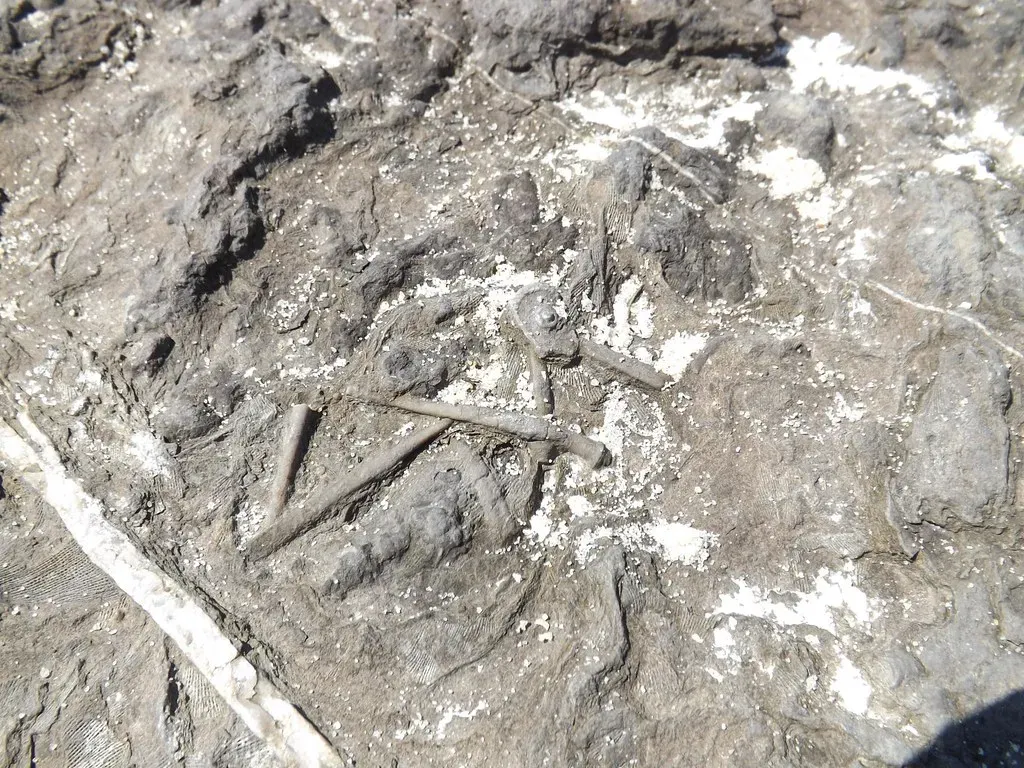
With fossils being present in at least 286 different units of the National Park System, the paleontological resources of national parks tell much of the story of ancient life of North America over the past billion and a half years. That’s an incredible span of time captured across diverse landscapes. From the oldest microbial mats to relatively recent Ice Age deposits, America’s national parks protect this scientific heritage.
Fossils are a tangible connection to past life, landscapes, and climates, showing us how environments have changed over time and how living things responded to those changes, lessons that are particularly important as human activity is driving rapid changes to modern climates and environments. The fossil record isn’t just about dusty bones in museums. It’s about understanding how life responds to environmental change. These ancient stories have urgent lessons for our present moment, showing us what happens when climates shift and ecosystems are disrupted.
The United States truly preserves an unmatched record of ancient life. From microscopic bacteria that lived billions of years ago to massive mammoths that walked the land just thousands of years back, American rocks tell an extraordinary story. These fossils aren’t just scientifically valuable. They’re windows into worlds we can barely imagine, reminders of how brief our time here really is, and warnings about how quickly things can change. What do you think it would have been like to see these creatures alive? Which ancient world would you most want to visit?