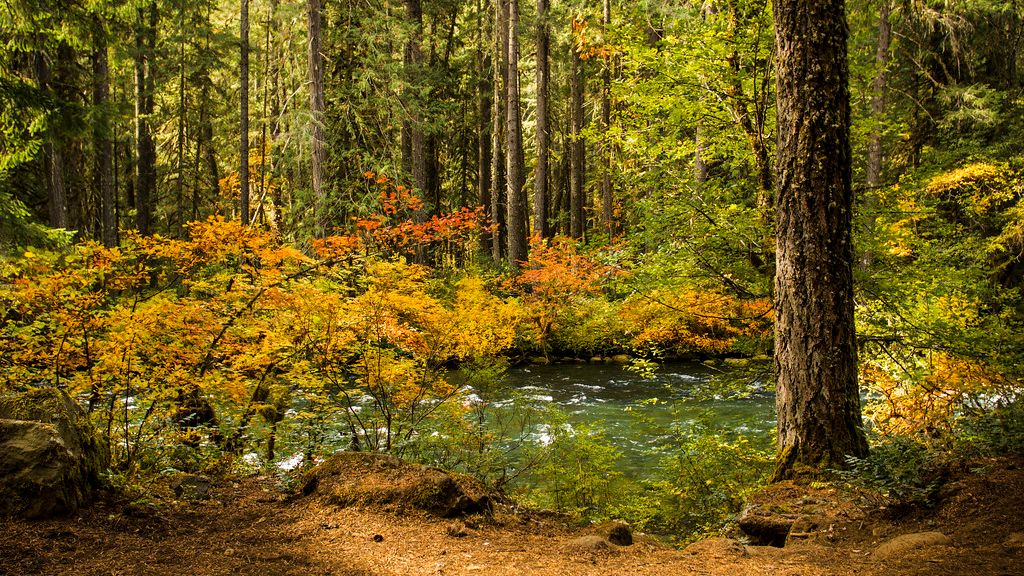
Have you ever stood beneath the canopy of a forest where trees have witnessed centuries pass? Maybe you’ve walked through a place that feels almost otherworldly, where time seems suspended in the embrace of nature’s most enduring creations. These ancient ecosystems aren’t just breathtaking to experience. They hold secrets to our planet’s past and keys to its future survival. Yet right now, they’re disappearing faster than most of us realize.
You might be surprised to learn just how much life depends on these old giants. From filtering the water you drink to storing massive amounts of carbon that would otherwise heat our atmosphere, these ecosystems work tirelessly behind the scenes. Still, despite their irreplaceable value, vast stretches remain vulnerable to threats that could wipe them out within our lifetime. Let’s explore why saving them matters more than ever.
The Irreplaceable Value of Old Growth Forests
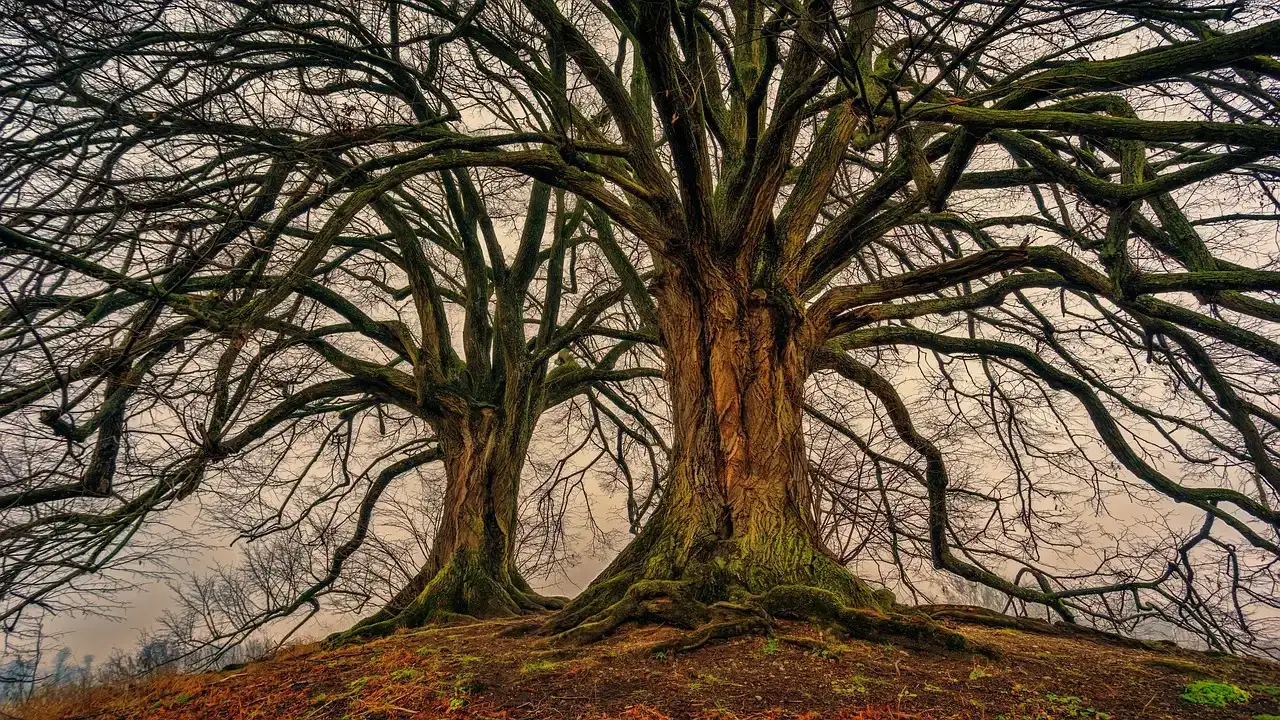
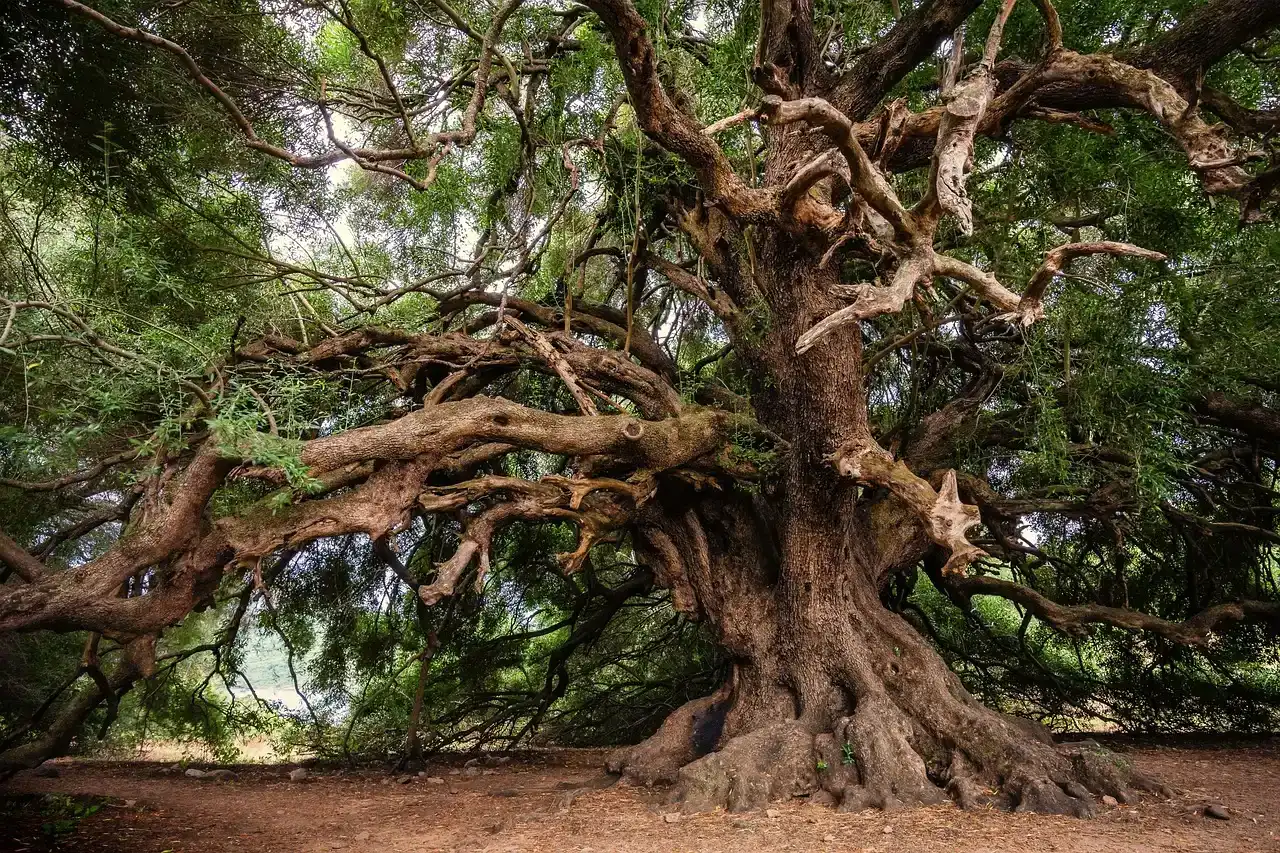
Old growth forests are typically older than 100 years and characterized by large, old trees, while all forests sequester carbon as they grow, older and larger trees represent an existing store of carbon in their biomass and soil. These forests aren’t just collections of trees. They’re intricate living libraries containing biodiversity found nowhere else on Earth.
Research on carbon stocks in a sample of federally managed U.S. forests found that while larger trees in mature stands constitute a small fraction of all trees, they store between 41 and 84 percent of the total carbon stock. Think about that for a moment. A handful of ancient trees can do the work of entire younger forests when it comes to fighting climate change. These ecosystems also provide unique habitats for countless species, many of which scientists haven’t even discovered yet.
Threats Facing America’s Oldest Ecosystems
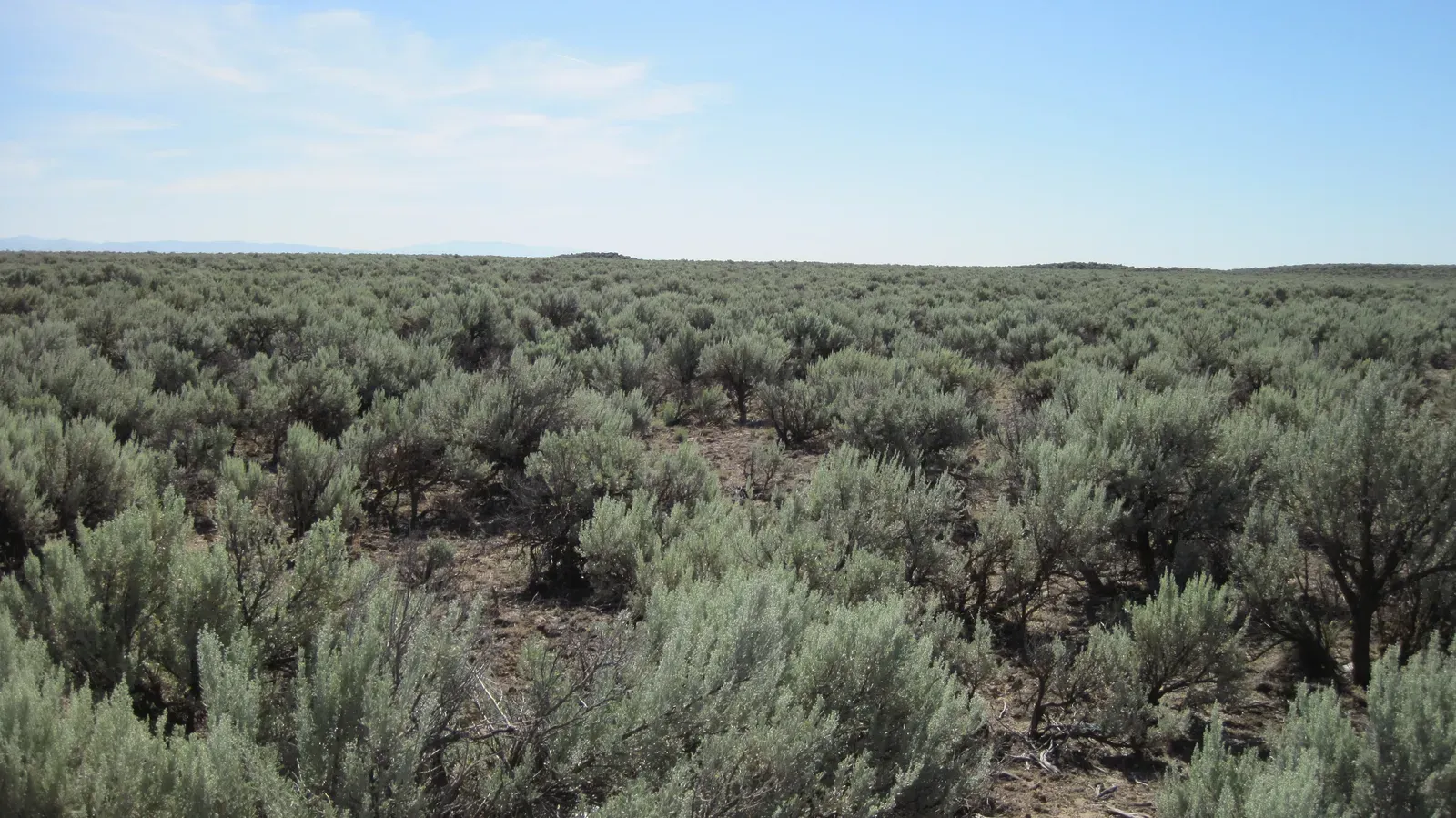
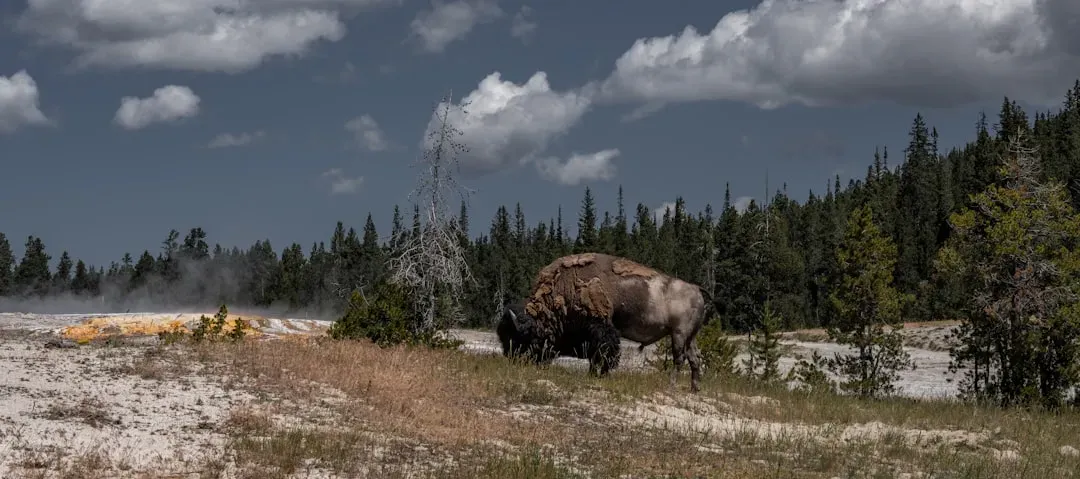
Sagebrush ecosystems represent one of the most imperiled systems in North America and face continued and widespread degradation due to multiple factors including invasive species and increased human development, requiring effective management that considers how to best conserve and restore habitats. Honestly, the challenges these places face can feel overwhelming when you look at the full picture.
The larger threats are fires and insect infestations, which are more severe because of climate change, with some landscapes particularly vulnerable, such as the ponderosa pine forests of the Sierra Nevada and inland west, because of decades of fire suppression. Human activity compounds these natural threats. Approximately 76 percent of mature and old growth forests across the country are unprotected from logging, representing an amount of carbon roughly equivalent to one quarter of the U.S.’s annual fossil fuel emissions.
How Ecosystem Collapse Threatens Biodiversity
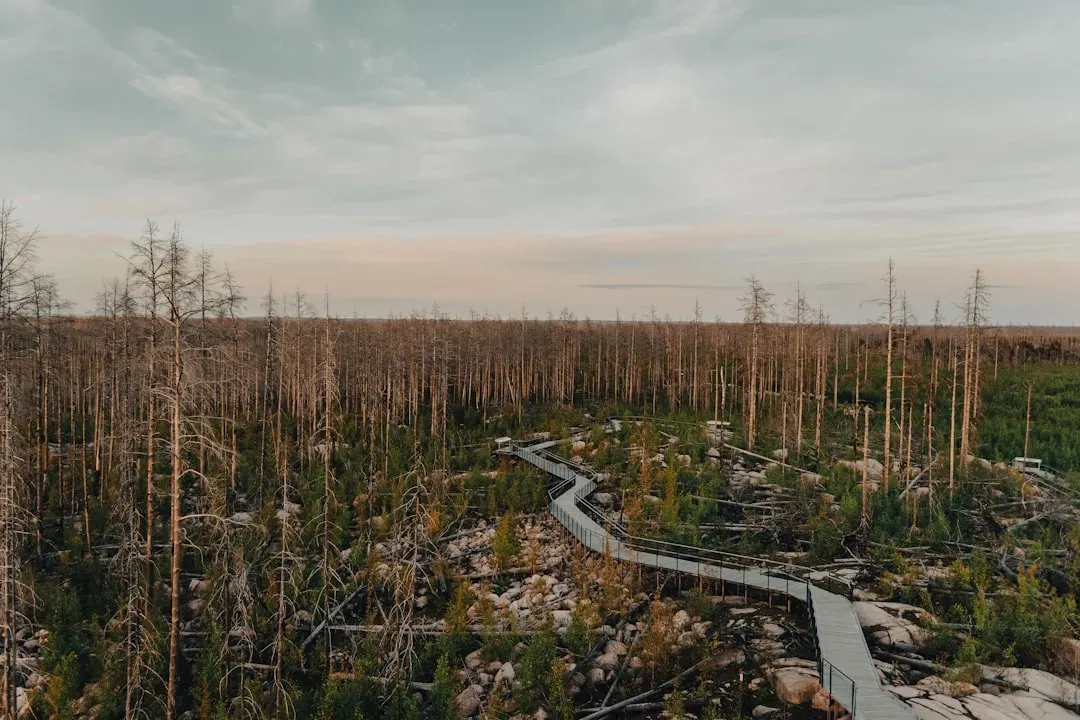
The robustness or fragility of an ecosystem under duress depends very much on both the number of species present, as well as the types of species, and simply having many species does not insure against ecosystem collapse. The interconnectedness of nature means losing one piece can unravel the whole tapestry.
I find it fascinating how researchers have shown that ecosystem vulnerability isn’t just about counting species. It is critical that conservation efforts pay attention to ecosystem functioning and the roles of species in their communities as we continue to degrade our modern ecosystems. When you remove key species or alter fundamental processes, even seemingly healthy ecosystems can suddenly collapse under stress. Habitat degradation, invasive species, dams, and climate change are among the primary threats to biodiversity in the United States.
Recent Federal Efforts to Protect Ancient Forests
Executive Order 14072 issued by President Biden required the agency to define, inventory and analyze threats to mature and old-growth forests on federal land, and on December 20, 2023, the U.S. Department of Agriculture announced a Notice of Intent to amend all 128 national forest land management plans. The ambition behind this proposal was unprecedented, aiming to shift how America manages its oldest forests.
The proposed National Old-Growth Amendment would have prohibited commercial logging on about 10 million hectares of old growth and required all national forests to update their management plans, but the inventory was released, and efforts to improve protection have come to naught as the U.S. Forest Service announced it would not proceed with developing a final plan. This setback represents a significant loss for conservation efforts that had mobilized hundreds of thousands of public comments.
The Carbon Storage Power of Mature Forests
You might not realize just how critical these forests are in the fight against climate change. Not acknowledging the critical carbon storage contribution of mature and old-growth forests runs the risk of de-prioritizing protection for the country’s oldest, most carbon-rich, and hardest to replace ecosystems. These aren’t just pretty places to hike.
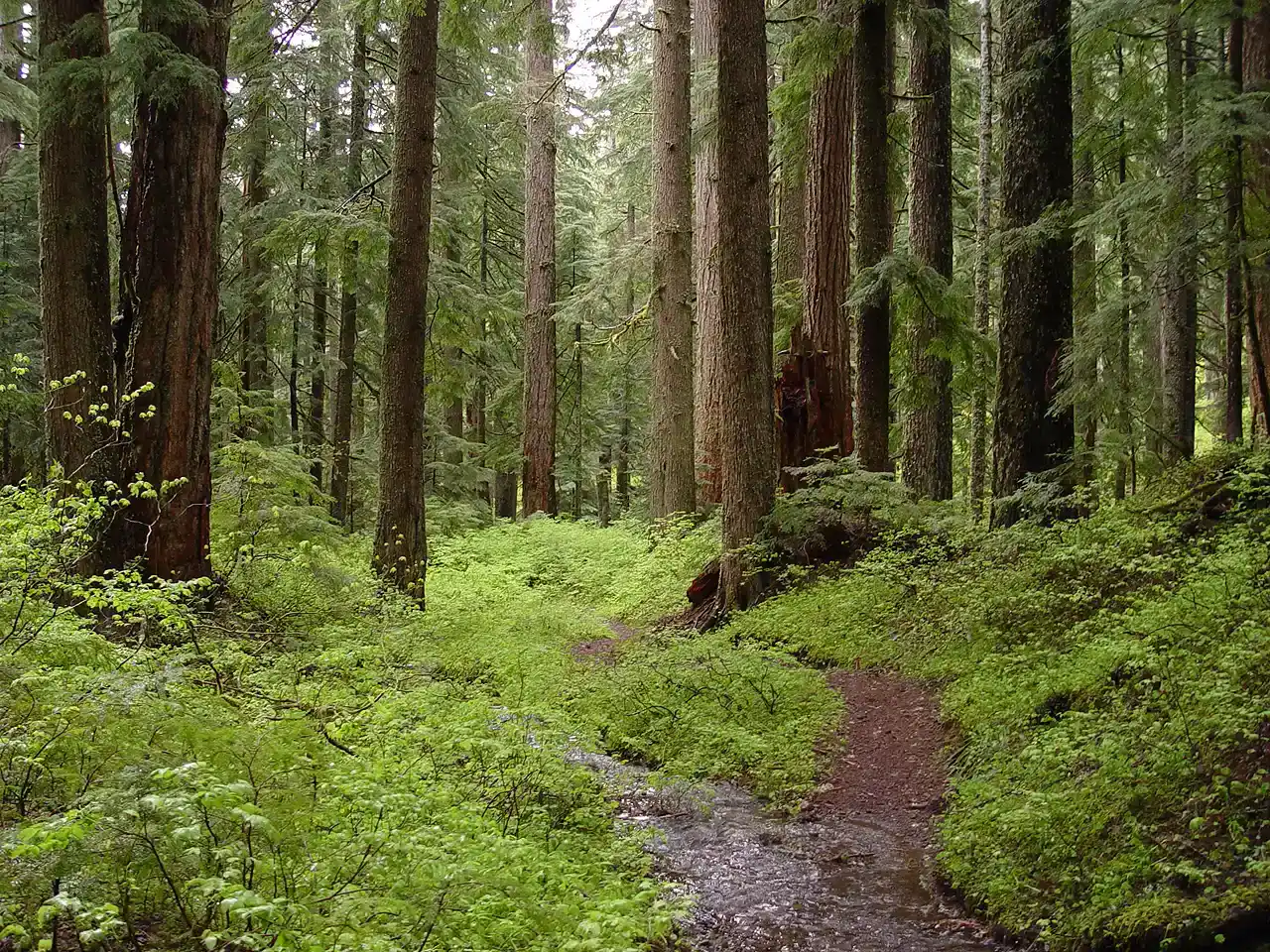
Old-growth and mature forests are critical to ensuring resilience in our forests in the face of climate change, and they play a key role in storing carbon. Here’s the thing most people don’t consider: replanting trees helps, but those young saplings won’t match the carbon storage capacity of a centuries-old tree for generations. When climate benefits are explicitly considered, the research points strongly to letting these forests grow, and according to experts, the largest threat facing mature and old-growth forests in the U.S. is logging, which is a threat that humans can reduce instantly, simply by changing policy.
Indigenous Knowledge and Forest Management
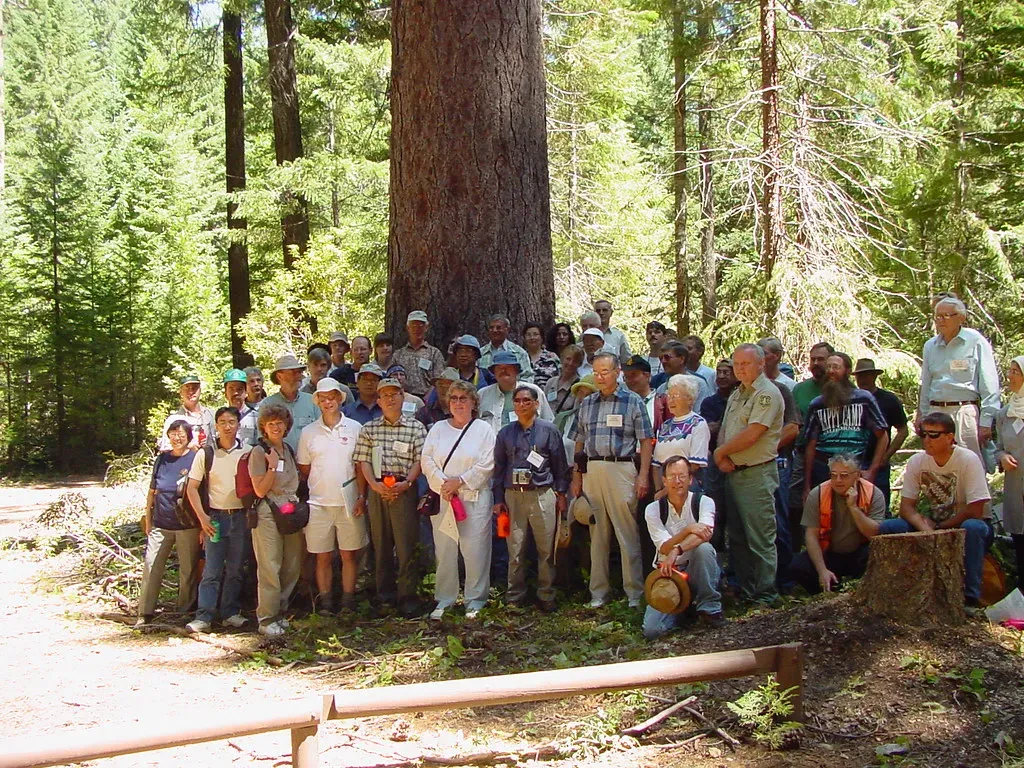
The proposed plan was innovative because of its focus on strengthening the role of tribal nations in forest management, with the goal of a new model for managing old forests by including Indigenous values, consulting tribal elders on what the forest should look like, and considering actions such as setting low-intensity cultural burns. This approach recognizes something crucial that Western science has sometimes overlooked.
Native American Nations have fought throughout history to practice Tribally unique kinship relationships with the nonhuman world, but the push for progressive conservation in the United States in the late 19th century and early 20th century destroyed many kinship relationships Native tribes had with the nonhuman world. Indigenous communities possess centuries of wisdom about sustainable land stewardship. Their perspective on forests goes beyond viewing them as resources to be managed, instead seeing them as living relatives deserving protection.
Grassroots Conservation and Public Engagement
Supporters and allies across the country responded by submitting more than 500,000 public comments, and in December 2023, the Forest Service announced that they plan to change the way old-growth is managed on national forest lands. This level of public involvement demonstrates that ordinary people care deeply about preserving these ecosystems.
Existing conservation organizations cultivated larger memberships and new groups formed, with grassroots organizations often beginning with local issues and later broadening in their concerns, helping to educate the public and lobbying for legislation that would address a wide range of environmental issues. Let’s be real: change doesn’t happen without people pushing for it. Community-driven efforts have proven time and again that collective action makes a difference in protecting vulnerable ecosystems.
Moving Forward with Ecosystem Protection
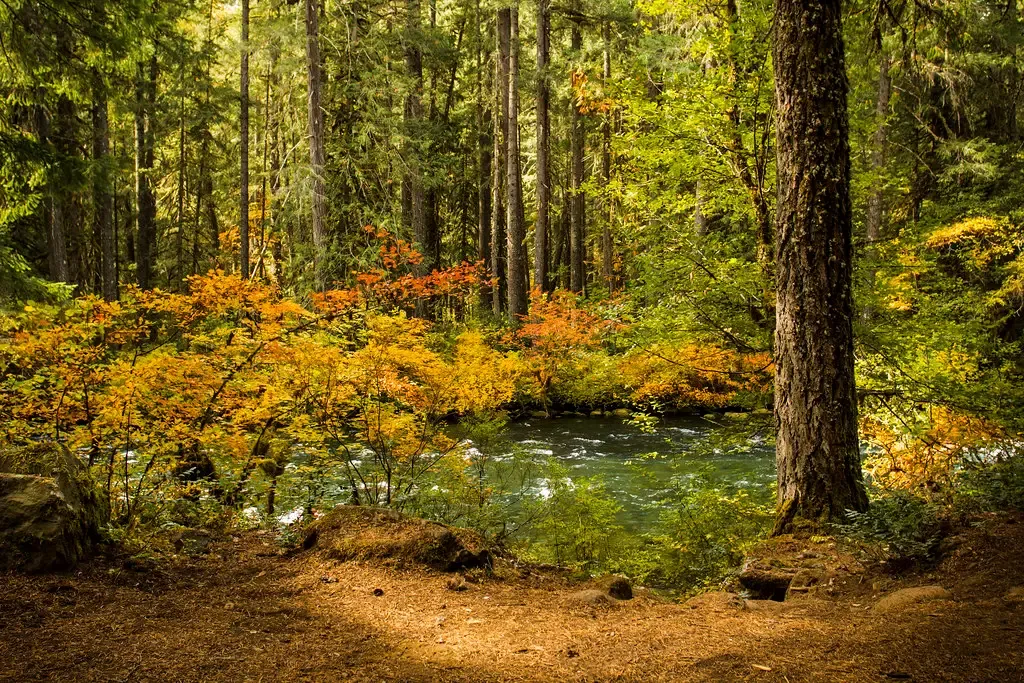
Across the country, ecosystem restoration projects and conservation actions are focused to restore lands and waters through locally led, landscape-scale restoration projects, and since 2022, through the Bipartisan Infrastructure Law, the U.S. Fish and Wildlife Service has received over $66.5 million for 96 ecosystem restoration projects. Despite setbacks, progress continues on multiple fronts.
New modules are being developed to track implementation of management actions in the central grasslands biome and the Klamath Basin, both of which are expected to be complete in 2026. The tools and frameworks for protecting these ecosystems exist. What remains is the political will and sustained commitment to use them effectively. The United States struggles to maintain a positive balance between society and the finite natural resources of the nation, and through dedicated research, eco-friendly practices of land management, and efforts to educate the public regarding the necessity of conservation, those dedicated to American conservation seek to preserve the nation’s natural resources.
The ancient ecosystems scattered across America represent more than just beautiful landscapes or interesting biology. They’re functioning systems that sustain life, regulate climate, and preserve irreplaceable biodiversity. You have the power to make a difference, whether through supporting conservation organizations, engaging with public comment periods on land management decisions, or simply learning more and sharing that knowledge with others. These forests have stood for centuries, witnessing the passage of time we can barely comprehend. Whether they stand for centuries more depends on choices we make right now. What role will you play in their story?