When you think about life in America, dinosaurs or ancient mammals probably come to mind first. Perhaps images of Ice Age creatures wandering across the landscape grab your attention. Yet there’s a far older chapter in this story that often gets overlooked. We’re talking about life forms so ancient they predate most of what you typically imagine when considering fossils. These microscopic pioneers left their mark across North America long before complex animals even existed. The earliest organisms were so simple, yet their impact shaped everything that followed. Ready to discover what traces they left behind on American soil?
Stromatolites Dominating Montana’s Ancient Shores
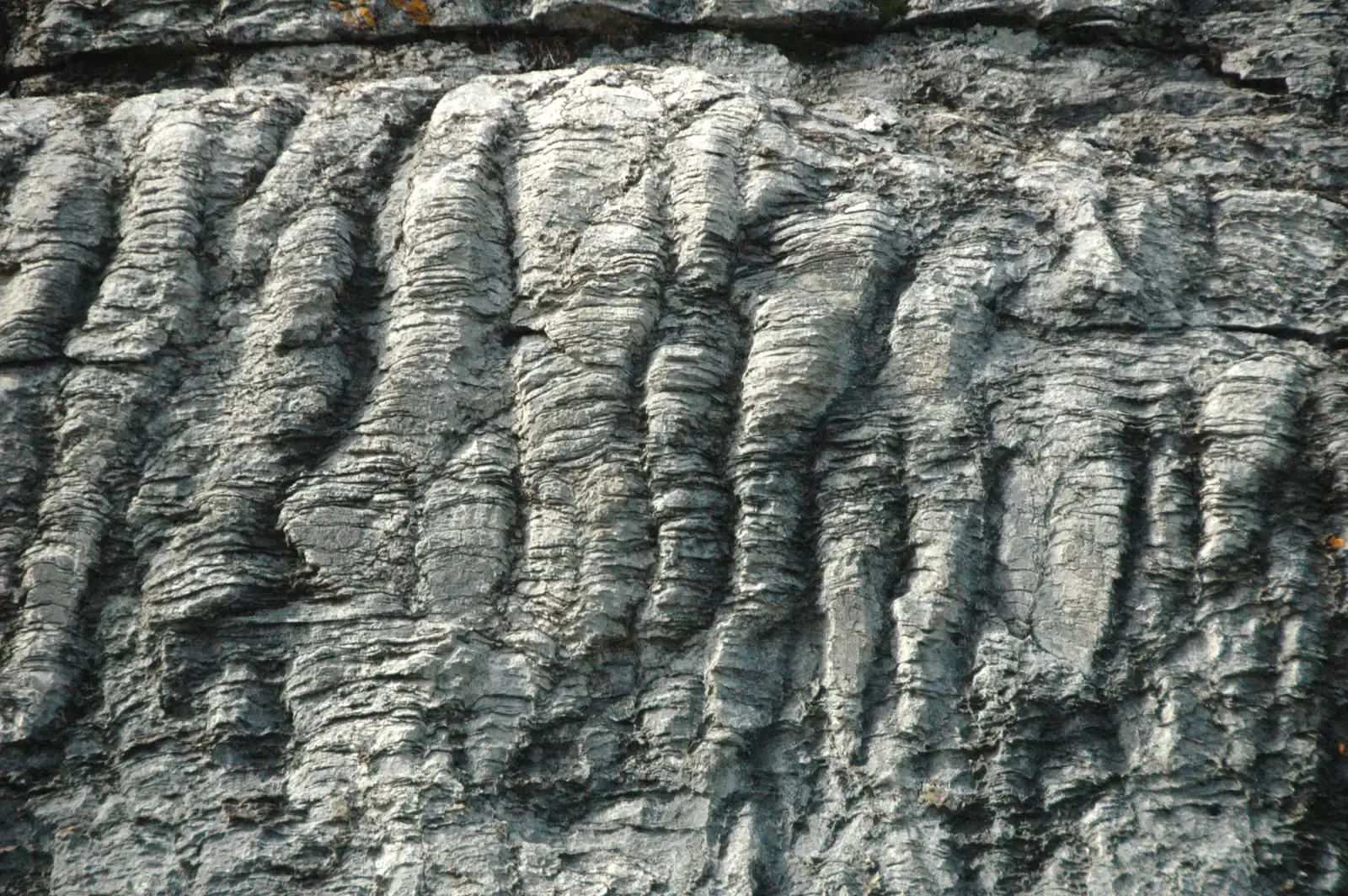
You might be surprised to learn that Glacier National Park contains one of the richest accumulations of Precambrian life in the entire United States. About a billion and a half years ago, this region looked nothing like today’s rugged mountains but resembled the modern Bahamas, with clear shallow seas teeming with primitive cyanobacteria. These microscopic organisms built massive reef structures called bioherms by trapping sediment layer after layer.
Honestly, it’s hard to grasp how different that world was. The absence of grazing animals allowed stromatolites to dominate as a large life form at the time. Multiple rock formations throughout the park preserve these ancient microbial communities, with the Siyeh Formation being especially noteworthy for its spectacular exposures along hiking trails.
Nevada’s Rare Precambrian Soft Tissue Preservation
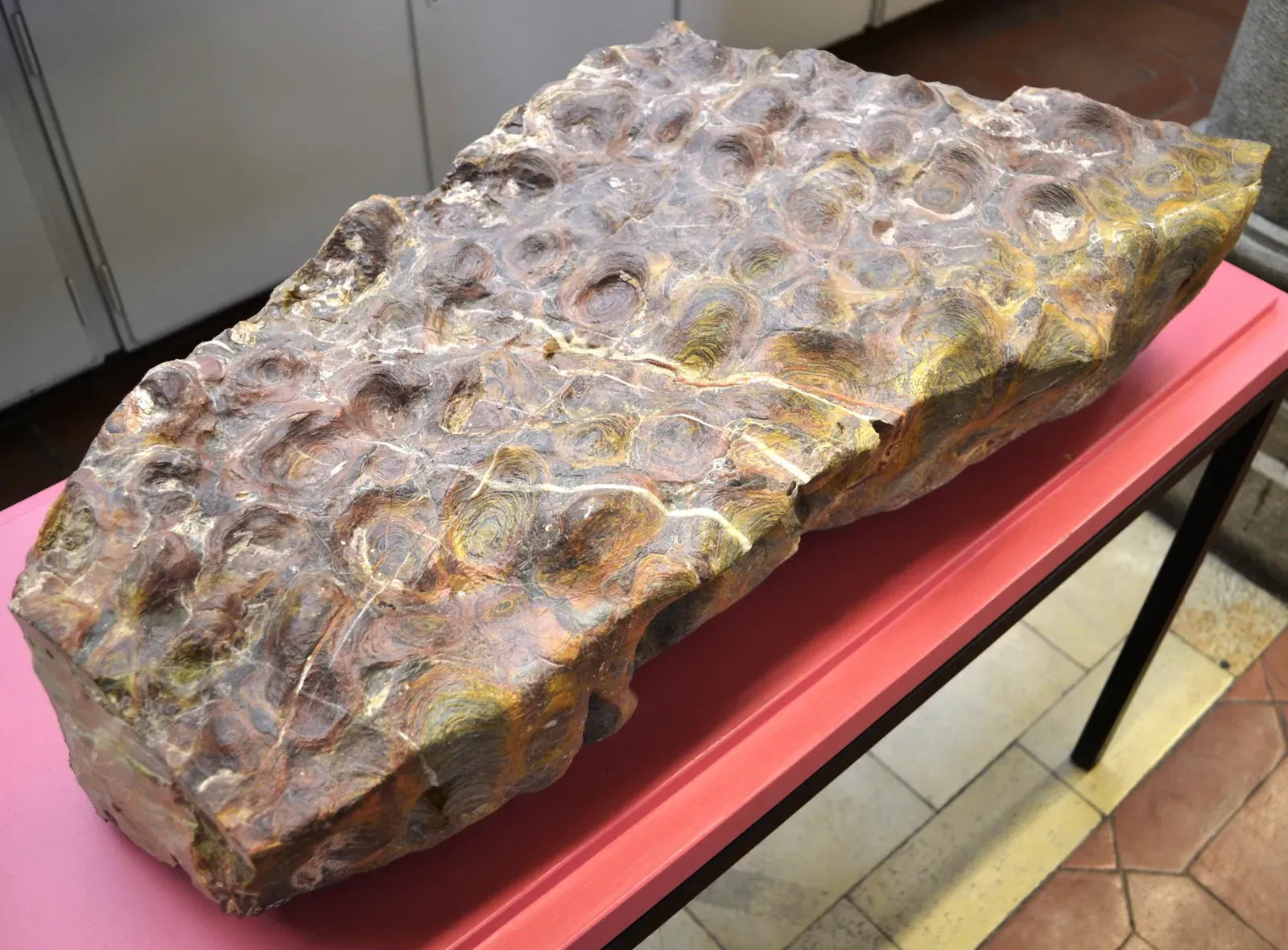
Near Gold Point, Nevada, scientists discovered a millimeter-wide fossil of a new alga species, representing one of the only Precambrian soft tissue preservations of its kind in North America. They named this species Elainabella deepspringensis. This discovery stands out because soft tissues typically decay rapidly, making fossilization incredibly rare.
Think about it. Finding delicate organic structures from over half a billion years ago is like discovering a needle in a cosmic haystack. Most Precambrian fossils consist of hardy structures or mineralized layers, so any glimpse of soft anatomy provides invaluable clues about how these early organisms functioned and evolved.
Minnesota’s Ancient Iron Formation Treasures
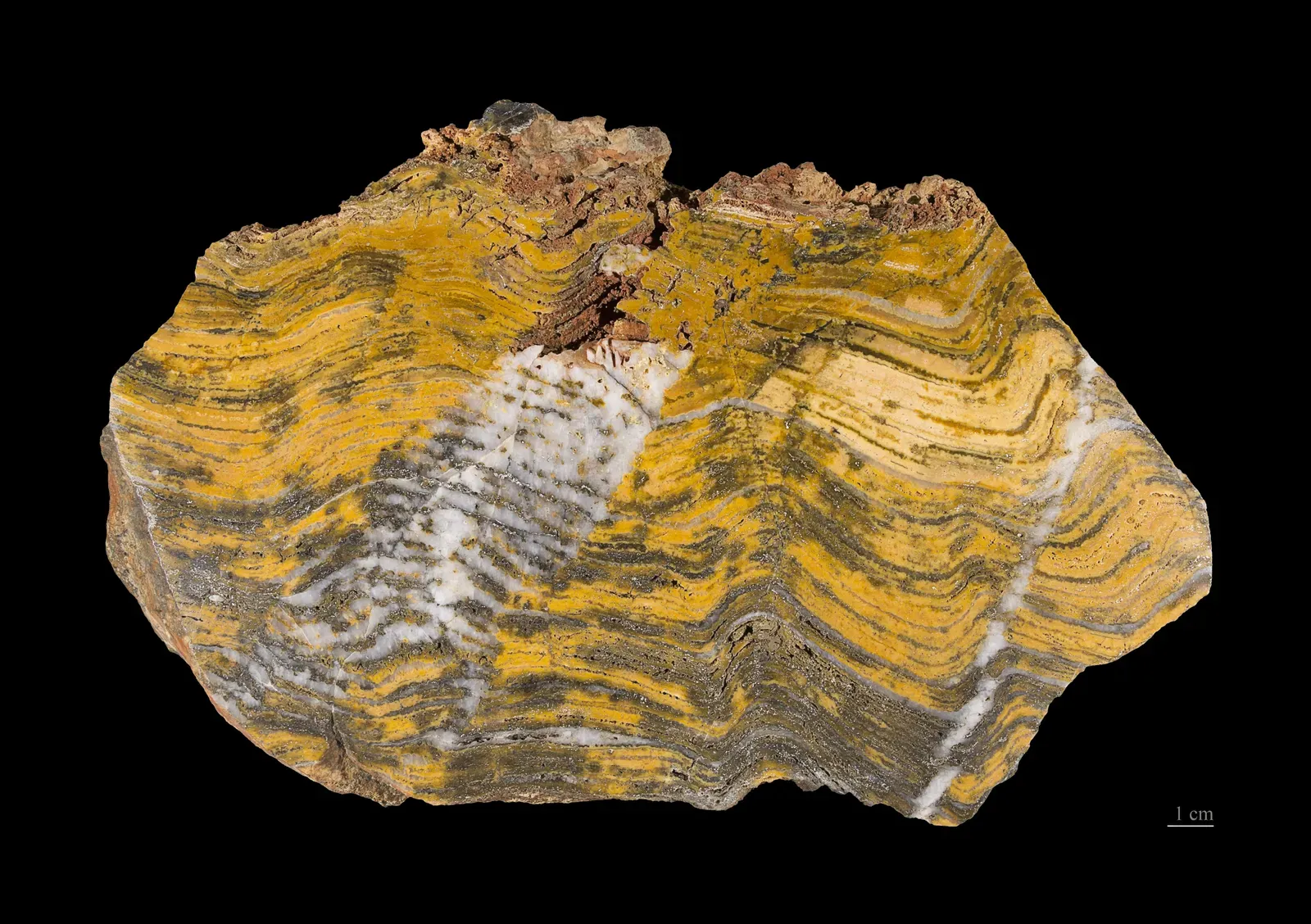
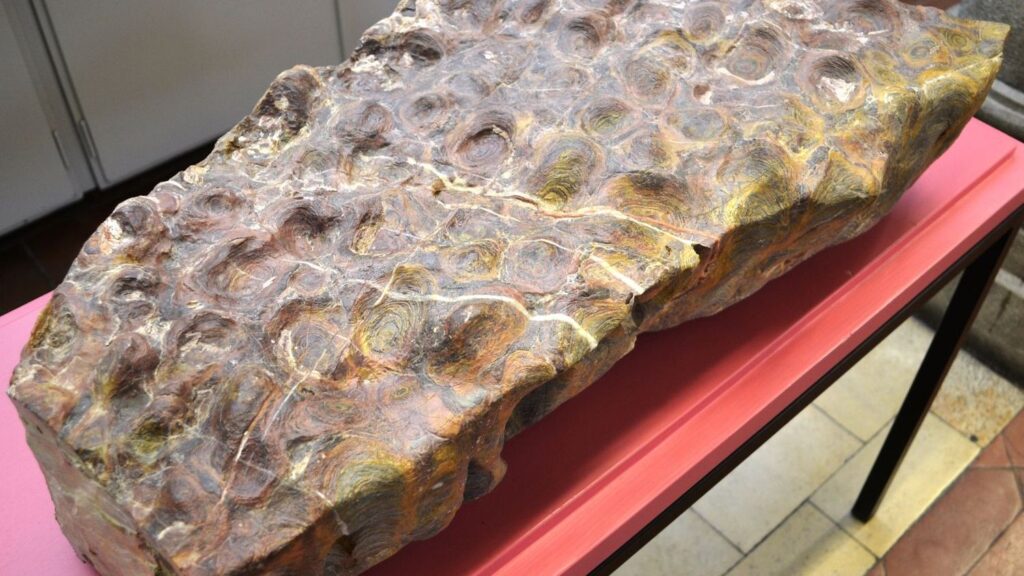
Minnesota hosts stromatolites among the oldest fossils on Earth, found in rocks exceeding three billion years old, and these structures were once the dominant life form on the planet. These stromatolites most commonly occur in the Biwabik Iron Formation, rocks that have been mined for iron for over a century. The connection between ancient life and iron deposits isn’t coincidental.
Here’s what’s fascinating: cyanobacteria played a direct role in concentrating iron minerals through their metabolic activities. These organisms formed mound-like structures by growing through sediment and binding particles together, resulting in successive layers that hardened into rock over extremely long time periods. You can still find specimens showing the characteristic circular patterns when viewed from above, often displaying red coloration from hematite.
Utah’s Capitol Reef Giant Stromatolite Anomaly
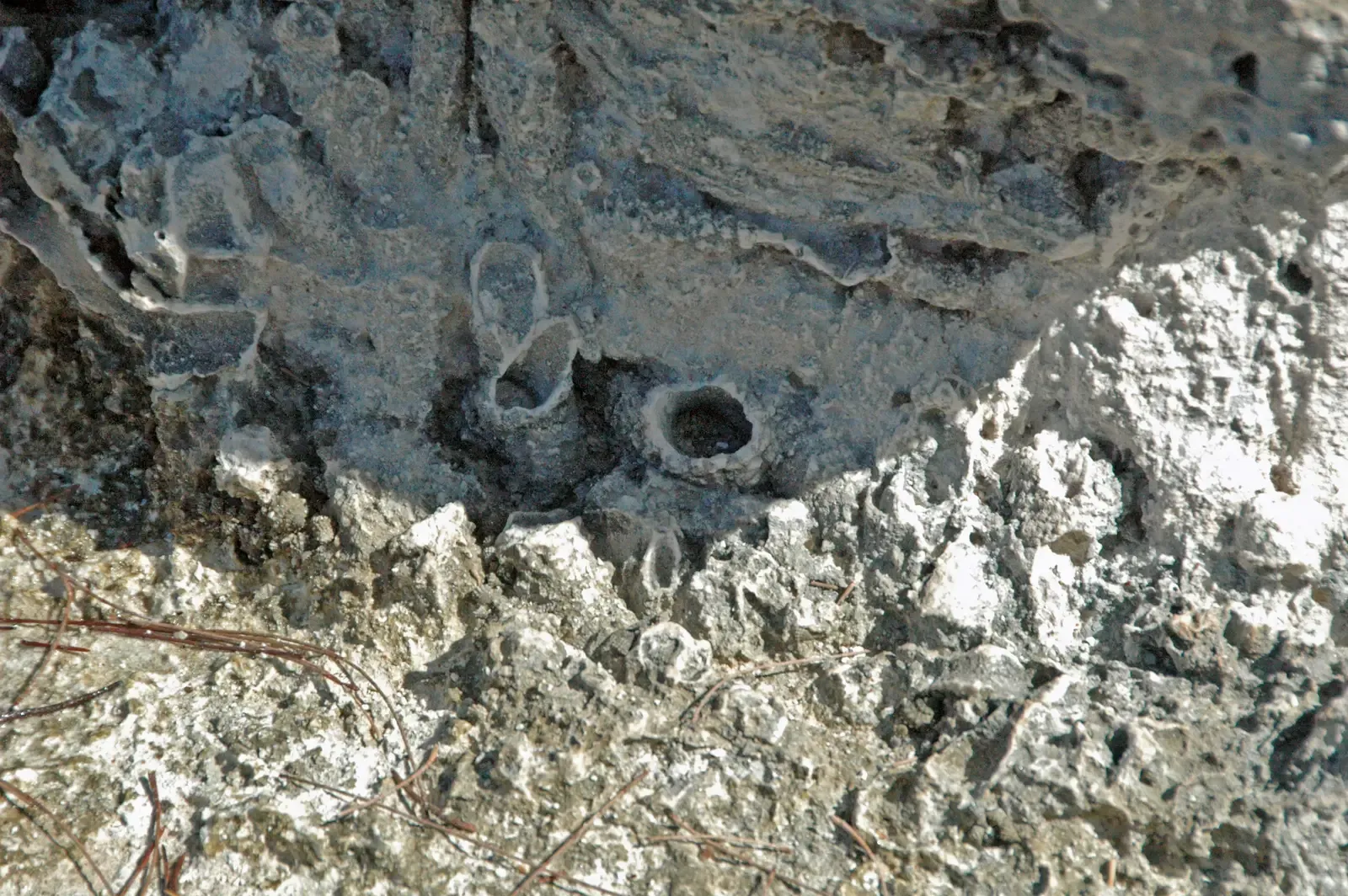
While living and fossil stromatolites usually measure no more than half a meter tall and appear in marine environments, the Capitol Reef stromatolites reach up to five meters in height and appear in thin carbonate beds associated with interdune deposits. This unexpected size challenges previous assumptions about where and how these organisms thrived.
The discovery occurred almost by accident during a backpacking trip when researchers stumbled upon structures resembling giant haystacks being slowly peeled like onions. These giant stromatolite fossils in the Navajo Sandstone challenge long-held assumptions about the paleoenvironment, since the Navajo was once an enormous arid sea of blowing sands comparable to the present Sahara Desert. Their presence suggests freshwater oases existed within this ancient desert landscape, creating unexpected pockets where microbial life flourished spectacularly.
The Grand Canyon’s Cryptozoon Discovery Legacy
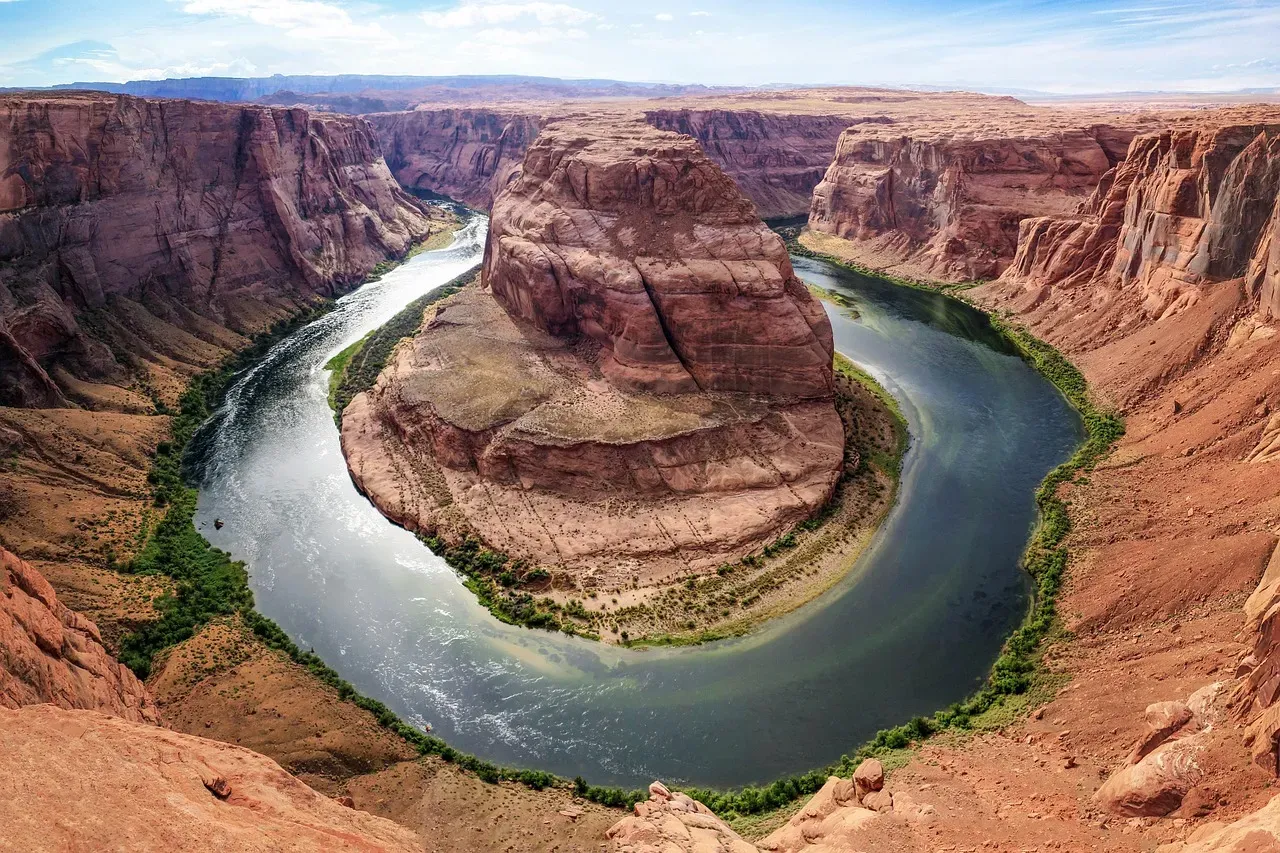
In 1883, geologist Charles Walcott first reported the discovery of Precambrian specimens of Cryptozoon while charting unexplored parts of the Grand Canyon. This marked a watershed moment in paleontology. Walcott was the first to show, nearly a century ago and contrary to accepted wisdom, that a substantial fossil record of Precambrian life actually exists.
Let’s be real. Before Walcott’s work, most scientists believed the fossil record simply didn’t extend back before the Cambrian period. The most startling find came in 1899 when Walcott discovered small, millimeter-sized black coaly discs he named Chuaria and interpreted as compressed shells, though they’re now known to be large single-celled algae and the first true cellularly preserved Precambrian organisms ever recorded. These Arizona discoveries fundamentally changed how researchers understood life’s timeline on our planet.
Wrapping Up America’s Invisible Ancient History
These microscopic pioneers fundamentally transformed Earth’s atmosphere and paved the way for every complex organism that followed. From Montana’s ancient reefs to Nevada’s delicate algae, from Minnesota’s iron-rich deposits to Utah’s desert giants, and finally to Arizona’s groundbreaking discoveries, the United States harbors an astonishing record of our planet’s earliest chapters. These aren’t just rocks. They’re time capsules preserving nearly incomprehensible stretches of history.
Next time you visit a national park or see ancient rock formations, remember that some of those layers witnessed a world utterly alien to our own, yet absolutely essential to making our existence possible. What other secrets might still be hidden in America’s ancient stones, waiting for someone to recognize them for what they truly are?