Think about surviving in a world where temperatures drop to nearly 60 degrees below freezing, or where heat radiates endlessly from scorching sand. Ancient mammals didn’t just survive these extremes – they thrived. Throughout prehistoric eras, these remarkable creatures developed extraordinary adaptations that allowed them to conquer some of Earth’s most hostile environments. From the frozen tundra of the Ice Age to baking deserts, ancient mammals evolved in ways that still fascinate scientists and spark our imagination.
How did these prehistoric giants manage to outwit such brutal conditions? What secret biological tricks did they deploy? The answers lie in millions of years of evolution and some truly ingenious survival strategies. Let’s explore the incredible ways ancient mammals mastered extreme climates and became legends of adaptation.
They Shrank to Beat the Heat
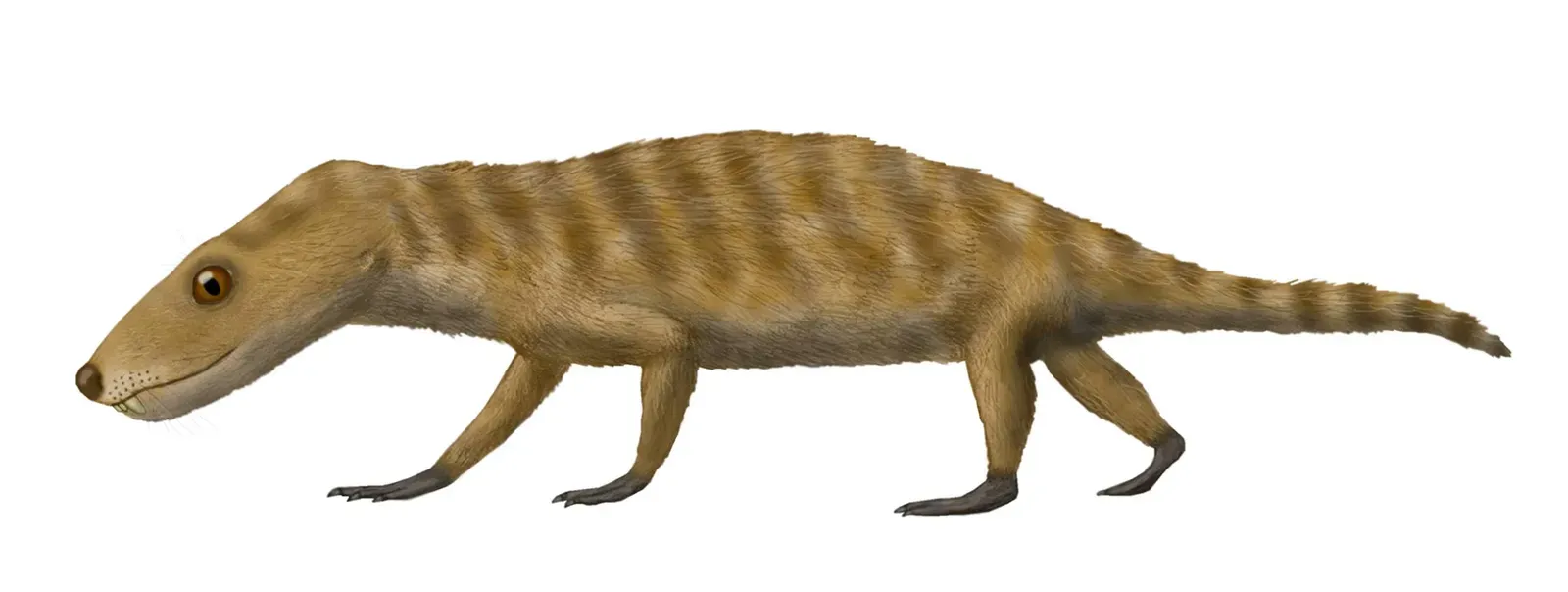
You might imagine that ancient mammals always grew bigger over time, but evolution sometimes worked in reverse. Ancient mammals actually dwarfed in size during multiple episodes of extreme global warming, with mammal dwarfing observed during the Paleocene-Eocene Thermal Maximum about 56 million years ago. This wasn’t random – it was a calculated survival response.
During another warming event known as Eocene Thermal Maximum 2, early equids decreased in size by roughly 14 percent, as opposed to around 30 percent during the earlier thermal maximum. Scientists believe smaller bodies helped these animals dump excess heat more efficiently and survive with fewer resources. Dwarfing appears to be a common evolutionary response of some mammals during past global warming events, with the extent of dwarfing seemingly related to the magnitude of the event.
Specialized Blood Kept Them Warm
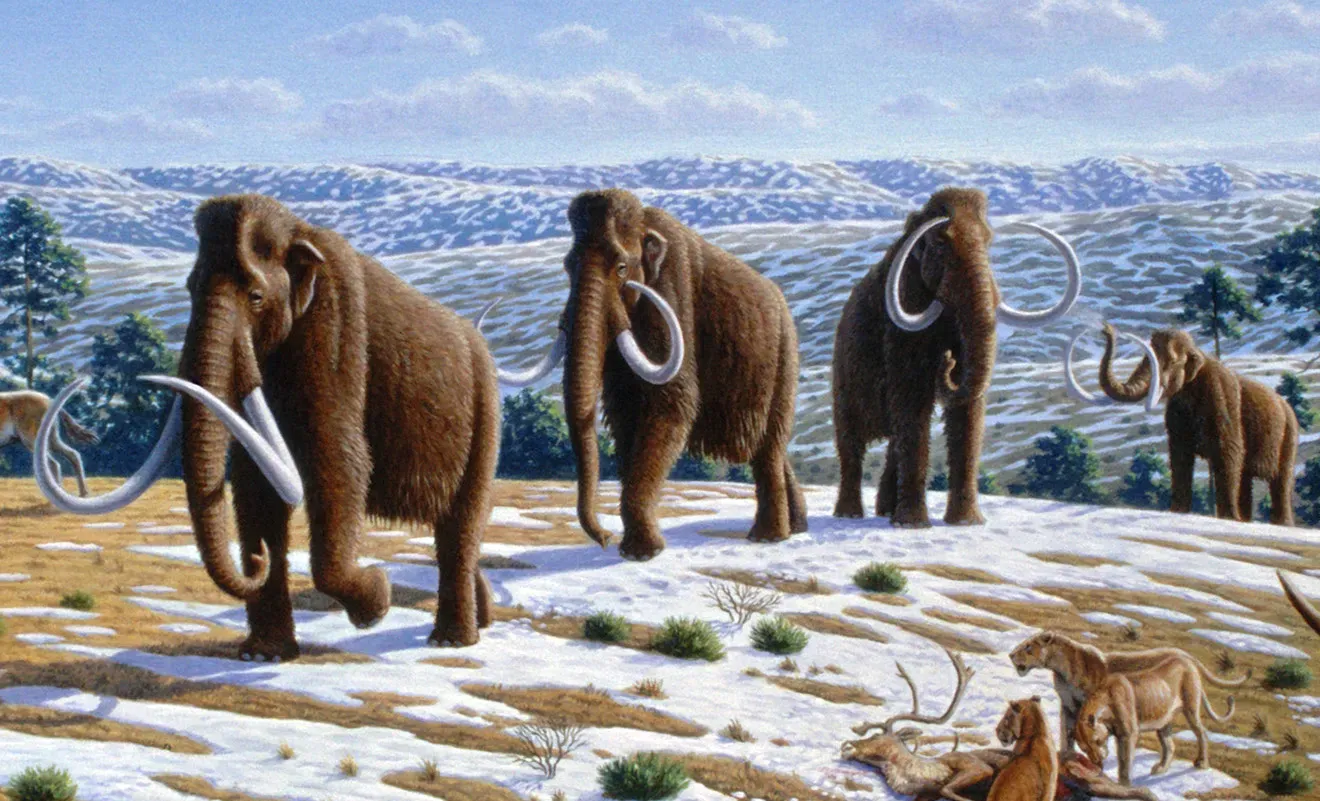
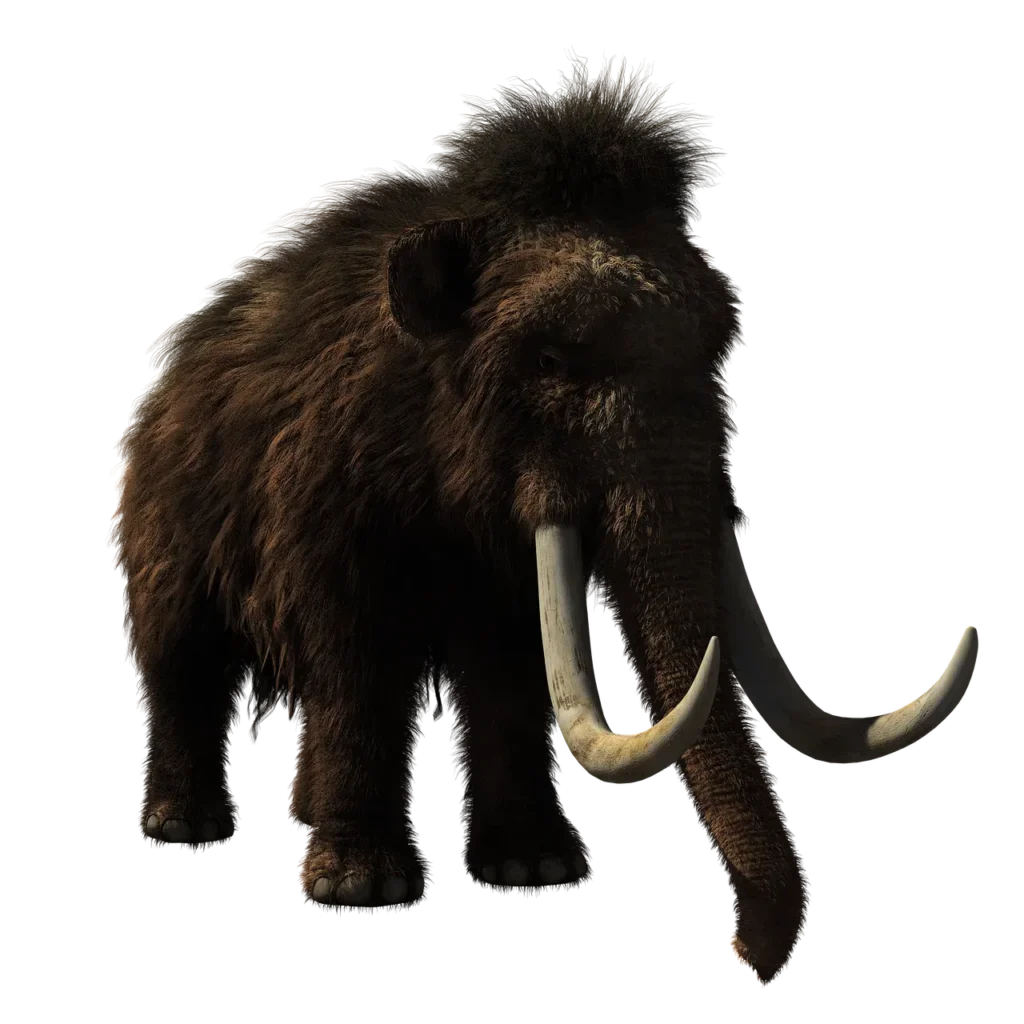
Woolly mammoths wandering the icy plains weren’t just relying on their thick fur. The haemoglobin of the woolly mammoth was adapted to the cold, with three mutations to improve oxygen delivery around the body and prevent freezing. Think of it as nature’s antifreeze running through their veins. This specialized blood ensured their tissues received oxygen even when temperatures plummeted to bone-chilling levels.
Blood samples from woolly mammoths showed that their hemoglobin possessed a genetic adaptation allowing it to release oxygen into the body even at low temperatures, overcoming the cold’s usual inhibition of this process. This adaptation was crucial – without it, their massive bodies would have struggled to function in Arctic conditions. It’s honestly one of the most elegant solutions evolution ever produced for extreme cold.
Their Ears Got Smaller for a Reason
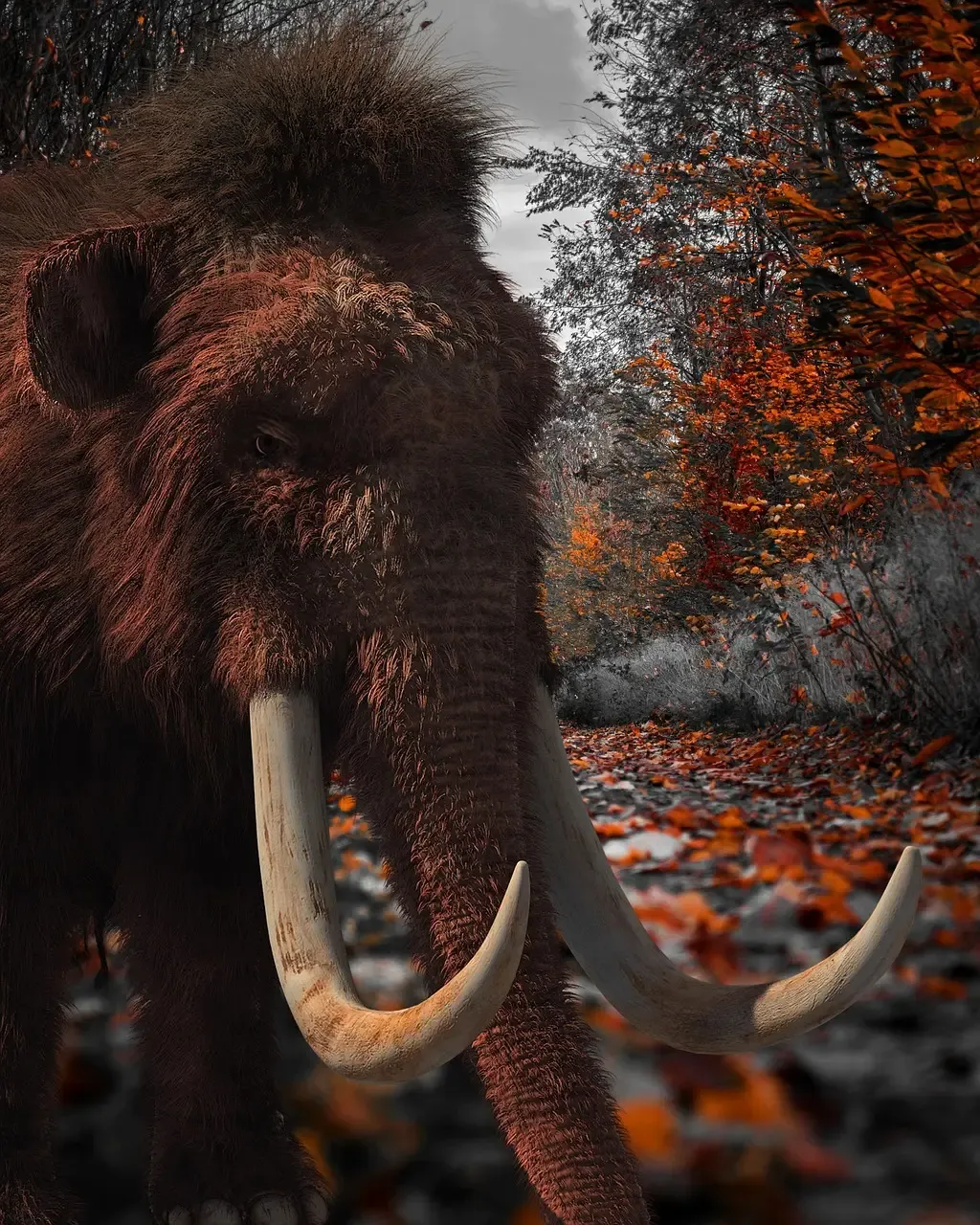
Have you ever noticed how large African elephants’ ears are? Woolly mammoths took the exact opposite approach. The ears of woolly mammoths were about 38 centimeters long, far smaller than those of modern elephants, and the tail was short for the same reason – only 36 centimeters long – to reduce heat loss and prevent frostbite. Every exposed surface area was a liability in freezing temperatures.
This wasn’t just about ears and tails. Mammoths adapted to their new, colder home partly by evolving a thick, huge pelt and down-sizing their ears compared with their warmer-dwelling relatives, with their ears described as tiny, like dinner plates. Less surface area meant less heat escaping their bodies. It’s a simple principle, yet incredibly effective.
Fat Became Their Secret Weapon
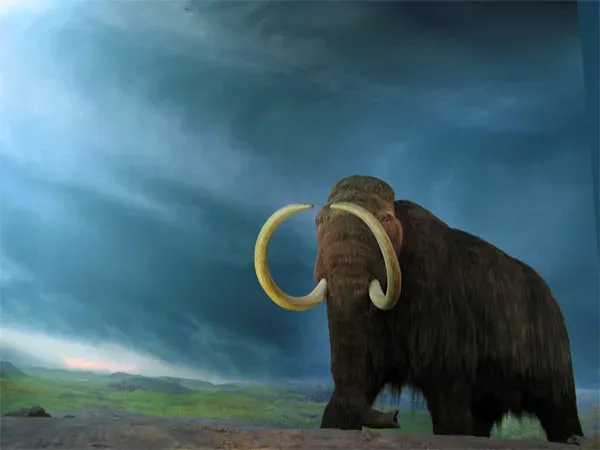
Storing energy for harsh times wasn’t just smart – it was essential. Woolly mammoths had a layer of fat up to 10 centimeters thick under the skin, which helped to keep them warm. That’s almost four inches of pure insulation wrapped around their bodies. This fat layer did double duty, protecting them from the cold while serving as an energy reserve when food became scarce during brutal winters.
In addition to their fur, woolly mammoths had lipoplexes (fat storage) in their neck and withers for times when food availability was insufficient during winter. Imagine surviving months of darkness and snow because your body essentially built in a backup battery. Scientists think these fat stores provided energy when food was scarce, sort of like a camel’s hump. Modern animals still use similar strategies, but ancient mammals perfected this approach.
They Developed Multi-Layered Coats
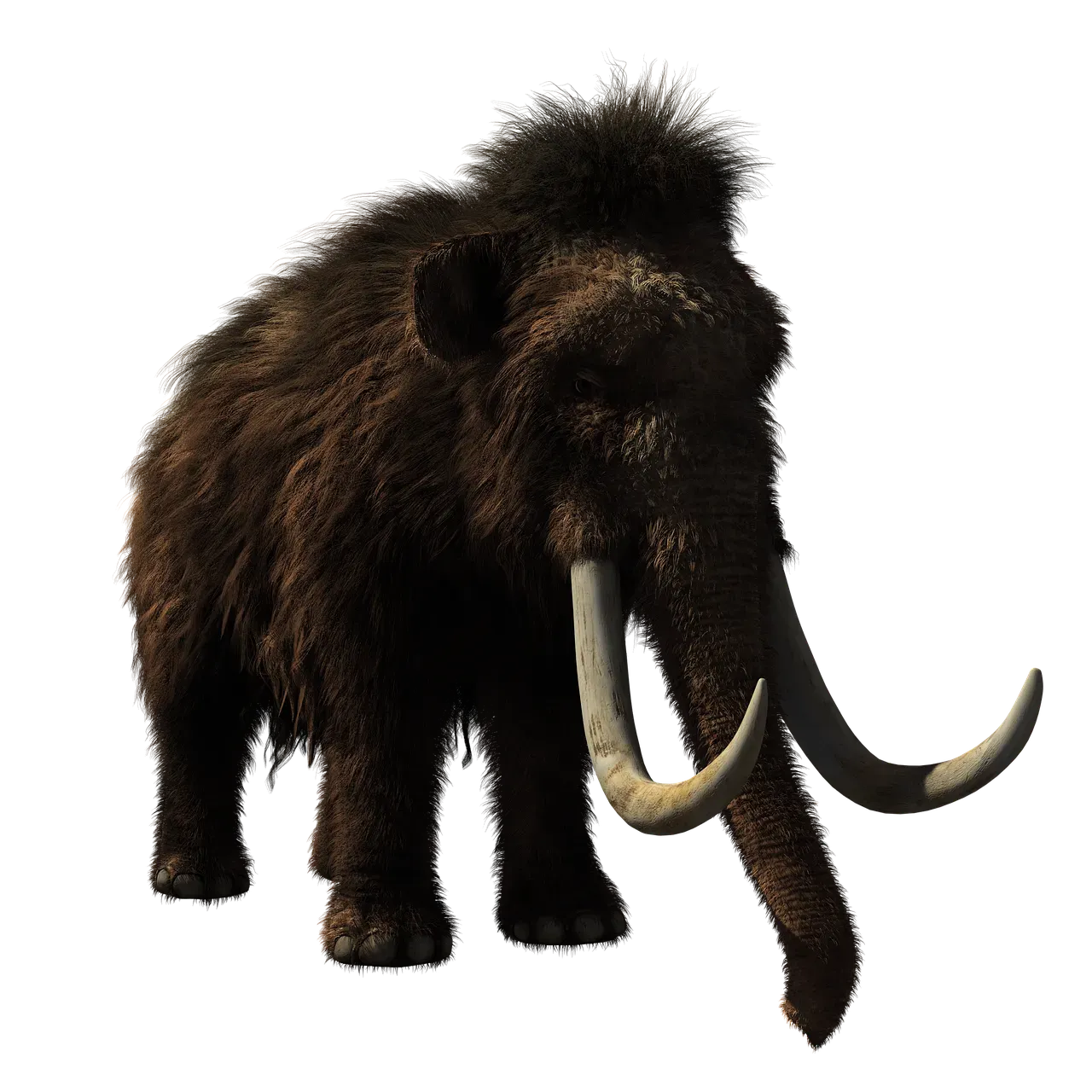
Fur wasn’t just fur for Ice Age mammals – it was a sophisticated thermal system. Woolly mammoths were covered in fur, with an outer covering of long guard hairs and a shorter undercoat. This double-layer system trapped air close to their bodies, creating an insulating barrier against frigid winds. The outer layer also repelled moisture, preventing the undercoat from becoming soaked and useless.
Woolly mammoths had dense undercoat with guard hairs up to three feet long and small, fur-lined ears, with layers of coarse hairs protecting this woolly insulation, forming a dense coat that could combat minus 20°F temperatures. Three feet of hair! That’s longer than most people are tall when they’re born. The engineering behind this adaptation is remarkable when you really think about it.
Oil Glands Protected Their Fur
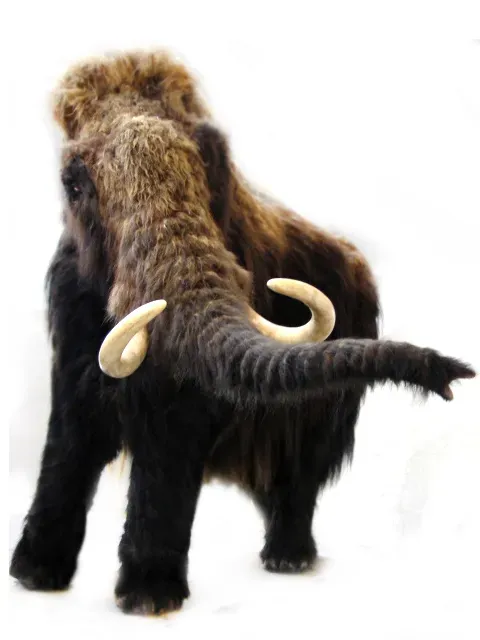
Here’s something that puzzled scientists for years. How did woolly mammoths keep their massive coats functional in wet, snowy conditions? New information discovered that the skin of woolly mammoths indeed had sebaceous glands, meaning woolly mammoths would not have had a problem living in a cold climate. These oil-producing glands waterproofed their fur, just like modern mammals use similar mechanisms today.
Without these glands, their thick fur would have absorbed moisture and become dangerously heavy when wet. Sebaceous glands are a sign of cold adaptation. It was also discovered that the hair had adaptations for the cold. Every detail mattered when survival depended on maintaining body temperature in some of the harshest climates Earth has ever experienced.
Desert Mammals Engineered Water-Saving Kidneys
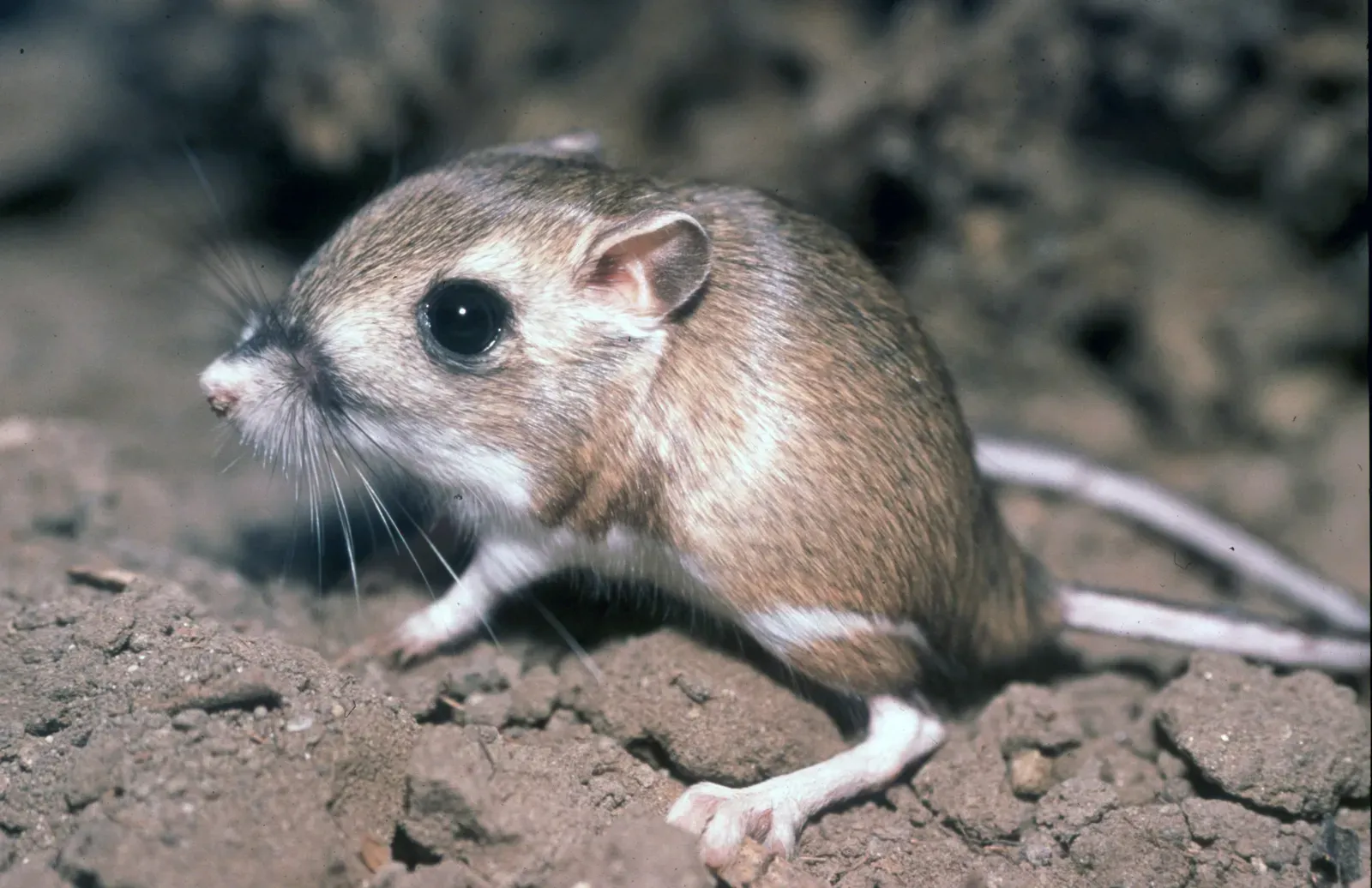
Ancient desert mammals faced the opposite problem – too much heat and not enough water. Certain desert mammals, such as kangaroo rats, live in underground dens which they seal off to block out midday heat and to recycle moisture from their own breathing, and these rodents also have specialized kidneys with extra microscopic tubules to extract most of the water from their urine and return it to the blood stream. Talk about efficiency!
Much of the moisture that would be exhaled in breathing is recaptured in the nasal cavities by specialized organs, and kangaroo rats and some other desert rodents actually manufacture their water metabolically from the digestion of dry seeds. These highly specialized desert mammals will not drink water even when it is given to them in captivity. They literally don’t need external water sources to survive. Nature’s chemistry at its finest.
High-Altitude Animals Rewired Their Oxygen Systems
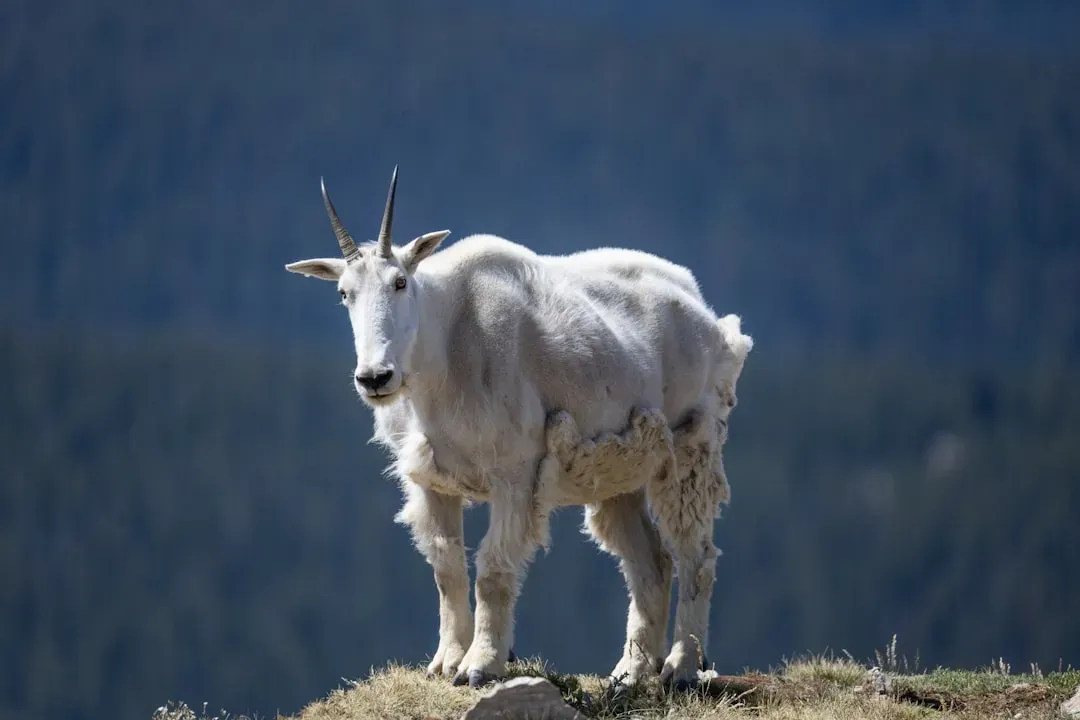
Living at extreme elevations presented unique challenges for ancient mammals. Mammals are known to reside at high altitude and exhibit striking adaptations in terms of morphology, physiology and behavior, with yaks having proportionately larger lungs and heart than other cattle, as well as greater capacity for transporting oxygen through their blood. Every breath at high altitude contains less oxygen, so their bodies had to compensate through superior oxygen-processing machinery.
The highest-dwelling mammal observation was the yellow-rumped leaf-eared mouse trapped at 6,739 meters, with several mechanisms helping rodents survive these harsh conditions, including altered genetics of the hemoglobin gene. Physiological changes in rodents at high altitude include increased breathing rate and altered morphology of the lungs and heart, with lungs that are larger, with more capillaries, and hearts with a heavier right ventricle. Their entire cardiovascular system underwent renovation.
Body Size Responded to Temperature Changes
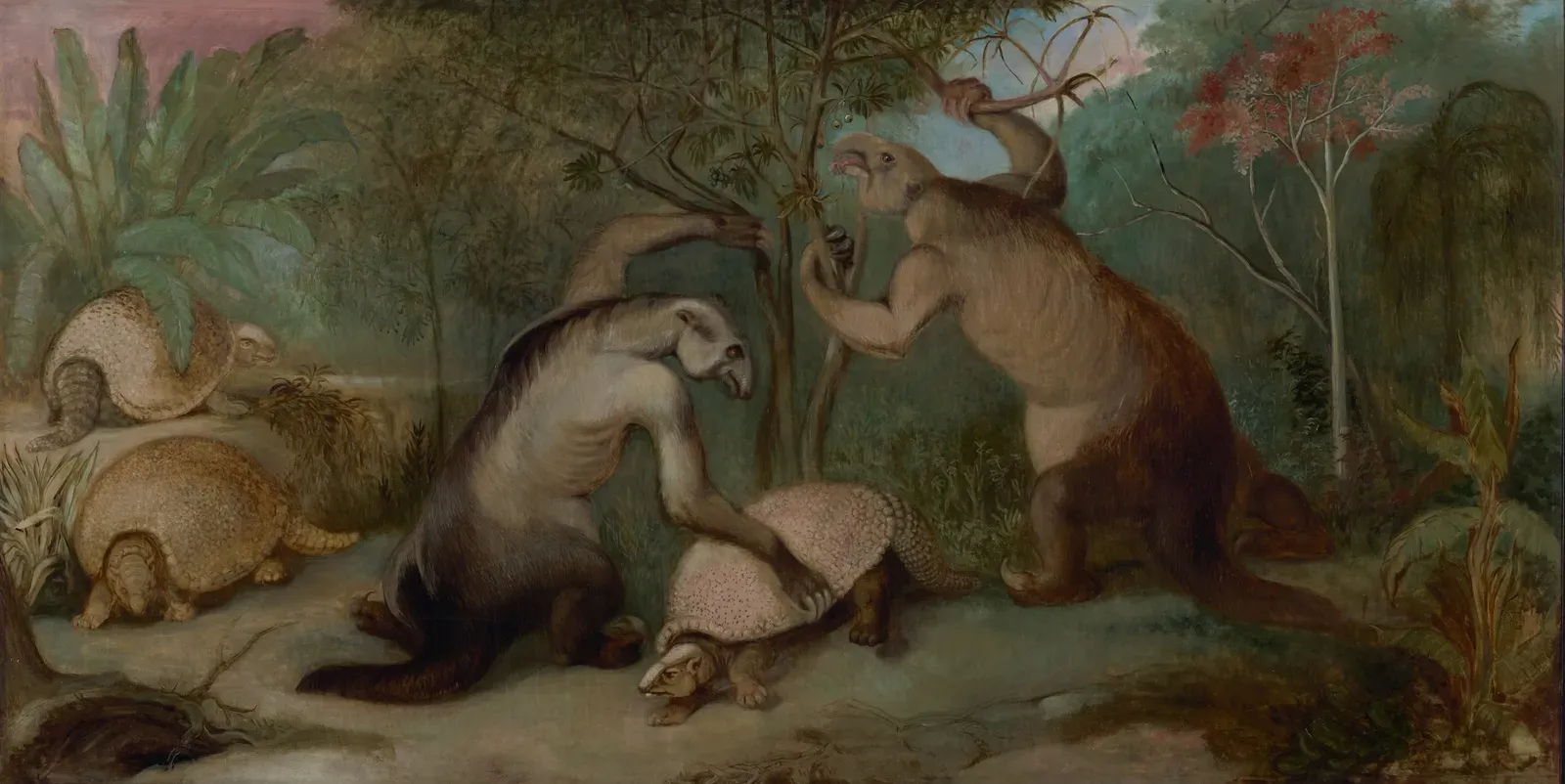
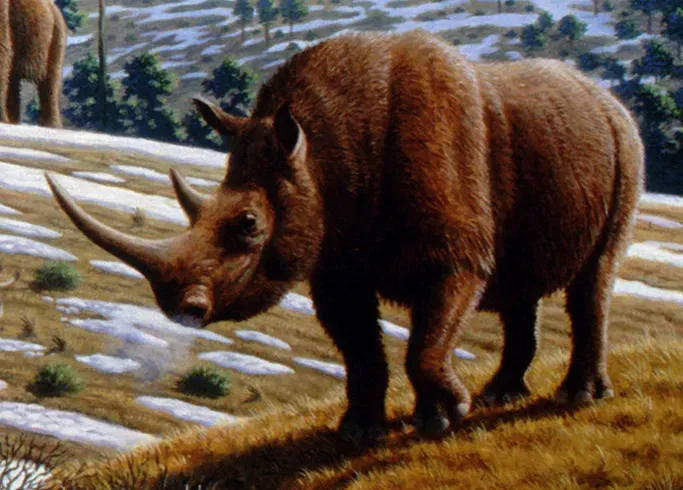
In particular, Bergmann’s rule states that larger animals have a lower surface area to volume ratio than smaller animals, so they radiate less body heat per unit of mass, and therefore stay warmer in cold climates. This explains why Ice Age mammals tended toward gigantism – bigger bodies conserved precious heat more effectively in freezing environments.
However, the relationship wasn’t always straightforward. Horses and reindeer do not get larger with decreased temperature, perhaps because they have such good physiological adaptations, while other species’ body sizes seem more sensitive to vegetation than climate. Red deer and wolves living in forested environments were generally smaller than those on open plains, perhaps because forest environments yielded less or lower quality food. Multiple factors influenced size, making the evolutionary puzzle even more complex.
They Modified Temperature Sensors in Their Skin
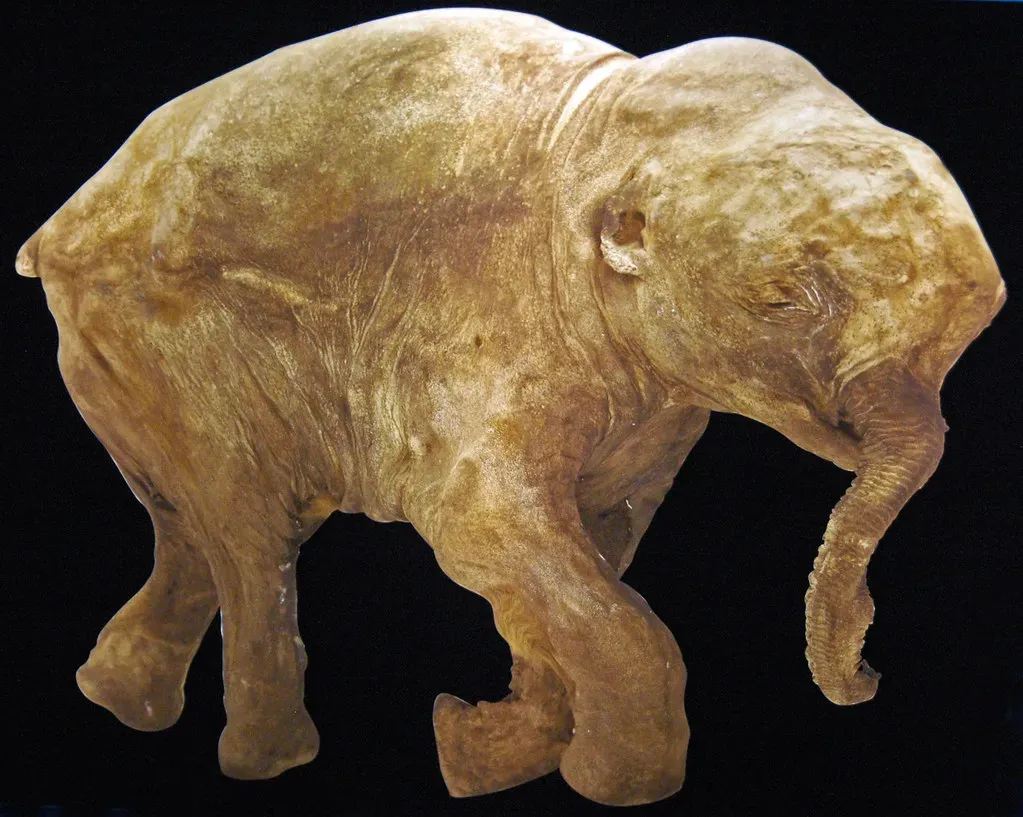
Some of the most fascinating adaptations happened at the molecular level. Genes with mammoth-specific amino acid changes are enriched in functions related to circadian biology, skin and hair development and physiology, lipid metabolism, adipose development and physiology, and temperature sensation. These genetic tweaks fundamentally altered how mammoths experienced and responded to cold.
Researchers resurrected the mammoth version of a gene called TRPV3, and when transplanted into human cells, it produced a protein less responsive to heat than its elephant versions, indicating it helped make mammoths less sensitive to cold. Imagine actually feeling comfortable in subzero temperatures because your temperature sensors were genetically modified. These ancient creatures essentially reprogrammed their nervous systems to embrace the cold rather than fight it.
Conclusion
The story of how ancient mammals conquered extreme climates is one of nature’s greatest success narratives. From shrinking bodies during heat waves to developing antifreeze blood for Arctic survival, these creatures demonstrated evolution’s incredible power to solve environmental challenges. Each adaptation – whether specialized kidneys, layered fur, or oxygen-enhanced blood – represented millions of years of trial and error, with only the most successful traits passing to future generations.
Today, as modern mammals face rapid climate change, understanding these ancient adaptations becomes increasingly relevant. The prehistoric past isn’t just fascinating – it’s instructive. These extinct giants proved that life can adapt to almost anything given enough time and pressure. What do you think – could modern species evolve similar solutions fast enough to keep pace with today’s changing world? The ancient mammals certainly set an impressive standard.