
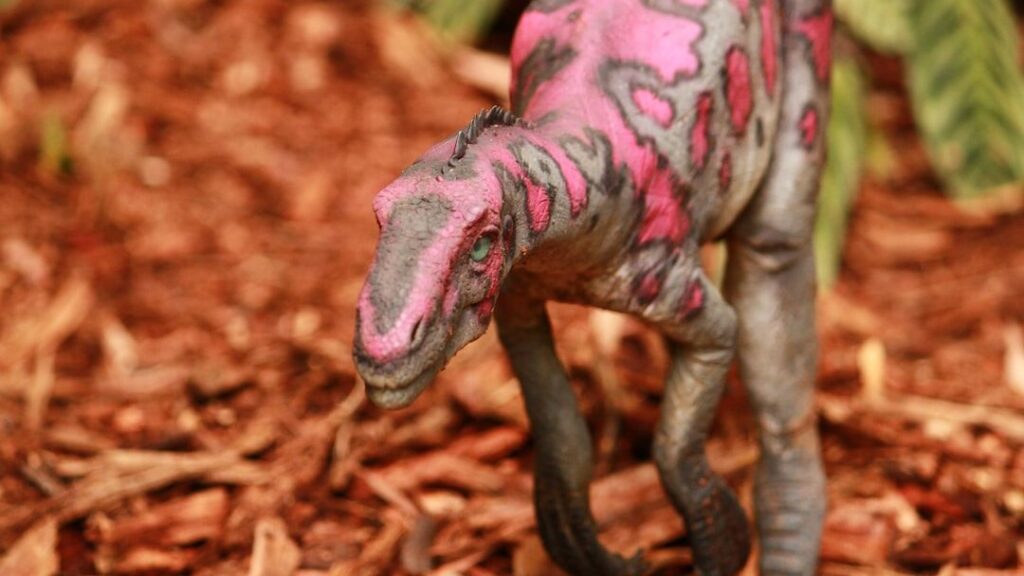
Have you ever wondered what color dinosaurs really were? For generations, we could only guess. Artists painted them green, brown, gray, basically whatever looked good on canvas. Museum exhibits went with safe, earthy tones. There was no way to know for sure, right?
Well, here’s the thing. That’s no longer true. Scientists are now uncovering fossil evidence that’s painting a much more vibrant, complex picture of these ancient creatures. We’re talking about actual pigmentation patterns, countershading for camouflage, even iridescent feathers. It’s hard to believe, honestly, that we’re living in an era where we can reconstruct the true hues of animals that vanished millions of years ago. Let’s dive into the remarkable discoveries that are changing everything we thought we knew about dinosaur coloration.
The Tiny Structures That Changed Everything

The breakthrough came when scientists realized that color-determining organelles known as melanosomes can actually be preserved in fossilized skin and feathers. These microscopic packages hold melanin pigments, the same stuff that gives color to our hair and skin. Think of them like tiny time capsules.
What makes this revolutionary is that the shape of melanosomes correlates directly with specific colors. Sausage-shaped ones typically produce blacks and grays, while spherical melanosomes create reddish and brown tones. When paleontologists examine these structures under electron microscopes, they’re essentially decoding a color map that’s been locked away for over a hundred million years. It sounds crazy, but the science checks out.
Sinosauropteryx: The First Ginger Dinosaur
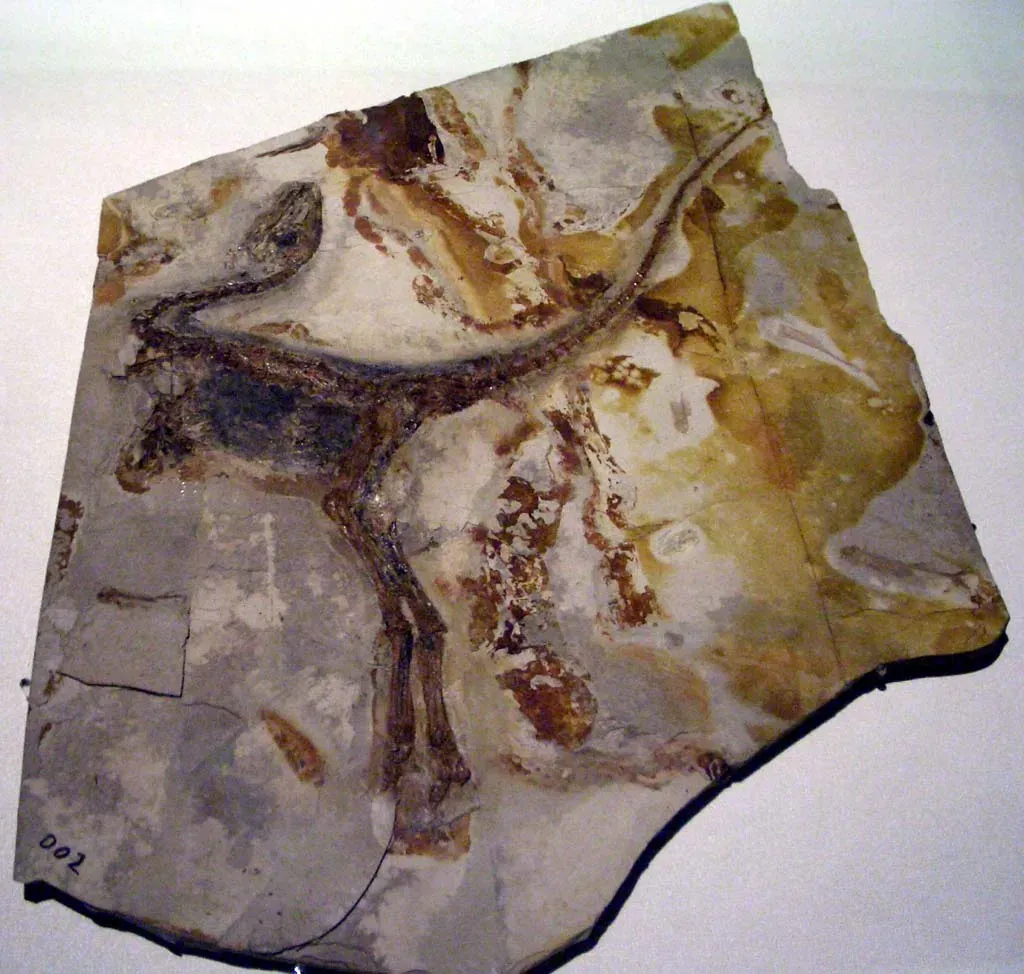
One of the first dinosaurs to reveal its colors was Sinosauropteryx, a small feathered dinosaur from China that turned out to be reddish brown or ginger. Let’s be real, nobody expected that. This little creature, roughly the size of a large chicken, lived during the Early Cretaceous period.
The fossil preserved evidence of countershading with a dark back and light underside, plus a striped tail and even a bandit mask stripe running across its eyes. That bandit mask is particularly fascinating because modern birds use similar facial stripes to hide their eyes from predators. The color pattern suggests Sinosauropteryx lived in open habitats with lots of light, quite different from what paleontologists originally assumed about its environment.
Anchiornis: A Magpie-Like Dinosaur From the Jurassic
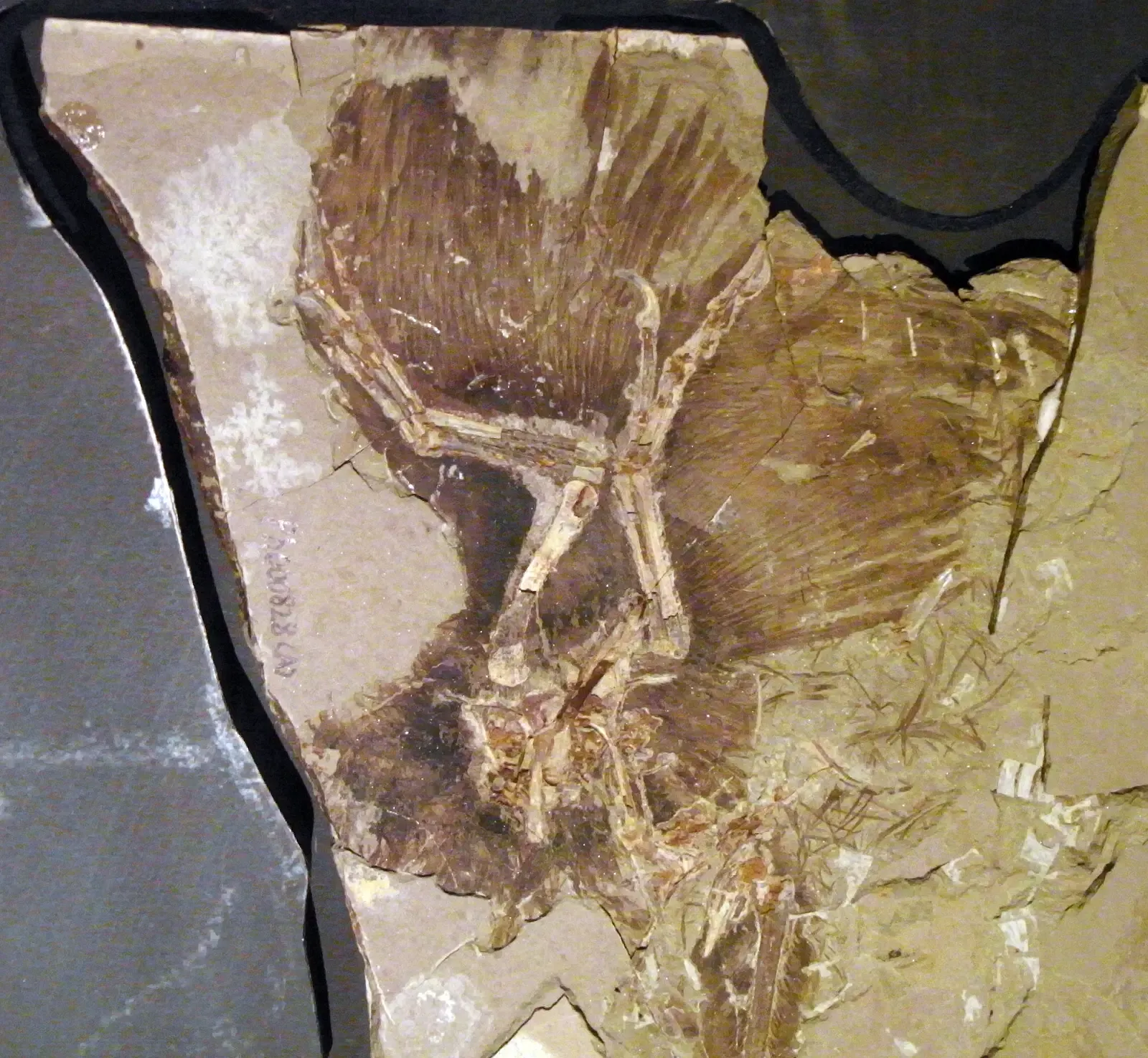
When paleontologists studied the feathered dinosaur Anchiornis, they struck color gold. The distribution of preserved melanosomes indicated that Anchiornis was covered in black and white feathers, not dissimilar from a magpie, with a splash of red feathers on top of its head. Picture that for a moment: a Jurassic dinosaur with a red mohawk.
This discovery was groundbreaking for another reason too. It proved that detailed, full-body color reconstructions were possible. Scientists could now describe the plumage coloration of an extinct animal with a level of precision that seemed impossible just a few years earlier. The preserved melanosomes told a story that bones alone never could. Honestly, it’s like writing the first entry in a field guide to dinosaurs that walked the Earth 150 million years ago.
Psittacosaurus: Forest Camouflage Revealed
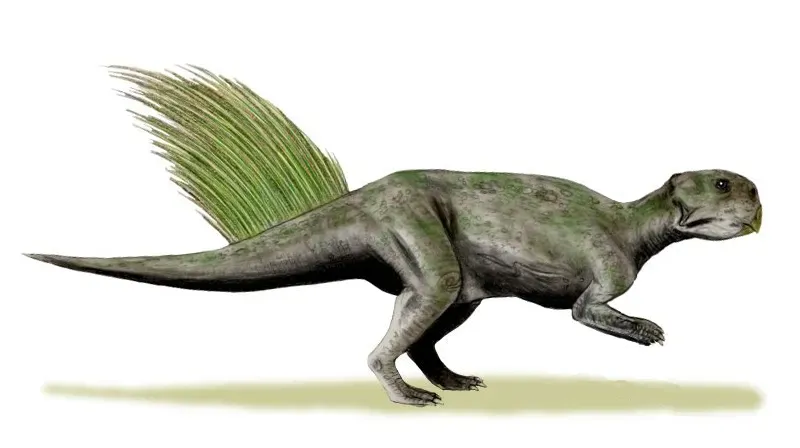
The Frankfurt specimen of Psittacosaurus is remarkable because its integument preserves evidence of color patterns and countershading. This early relative of Triceratops looked like it stepped straight out of a contemporary forest ecosystem. Scientists mapped out dark pigmentation across its body, reconstructing a dinosaur with a dark back fading to a pale belly.
Researchers found that Psittacosaurus most likely lived in an environment with diffuse light, such as in a forest, because in closed habitats diffuse illumination dominates and a smoother dorsoventral gradation is found. The coloration wasn’t just pretty, it was functional. This dinosaur used countershading as camouflage to help it survive in a world full of sharp-eyed predators. It’s remarkable how pigment patterns can reveal not just appearance, but entire lost ecosystems.
Borealopelta: The Armored Tank That Needed to Hide
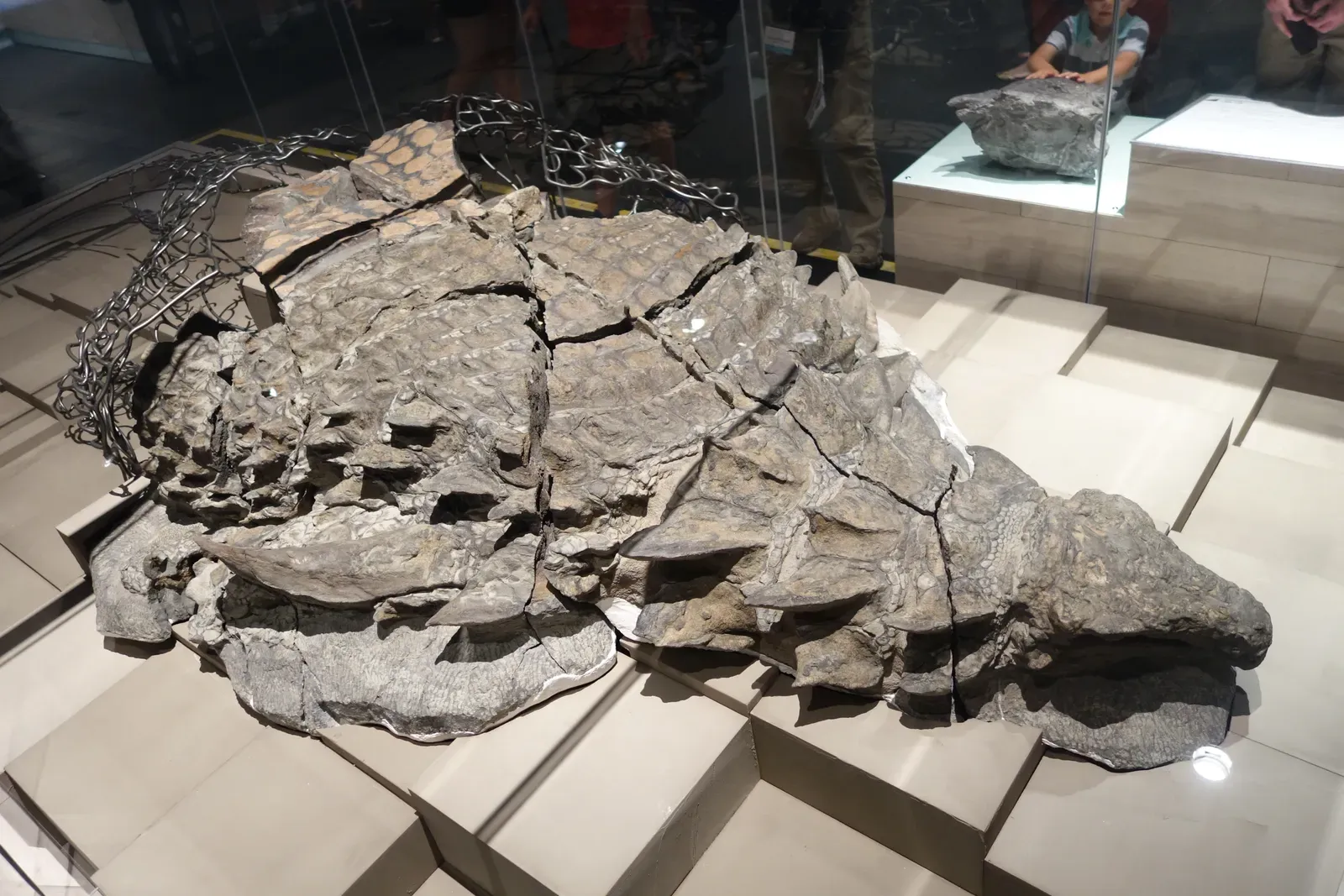
Now this one surprised everyone. Study of the pigments in Borealopelta’s skin suggested it had a reddish-brown coloration with a countershaded pattern used for camouflage. Here was a dinosaur the size of a tank, weighing well over a ton, covered in heavy armor and vicious shoulder spikes. Why would it need camouflage?
No animals on land exhibit countershading today that are greater than a metric tonne, while Borealopelta is estimated to have weighed about 1.3 tonnes. The fact that such a massive, well-defended creature still needed to hide tells us something chilling about the Cretaceous period. This means that the Cretaceous period was a really scary time to be around, and large theropod dinosaurs with excellent colour vision would have made life stressful for many a dinosaur. Even if you were built like a walking fortress, you still had to worry about becoming lunch.
Diplodocus Gets a Colorful Makeover
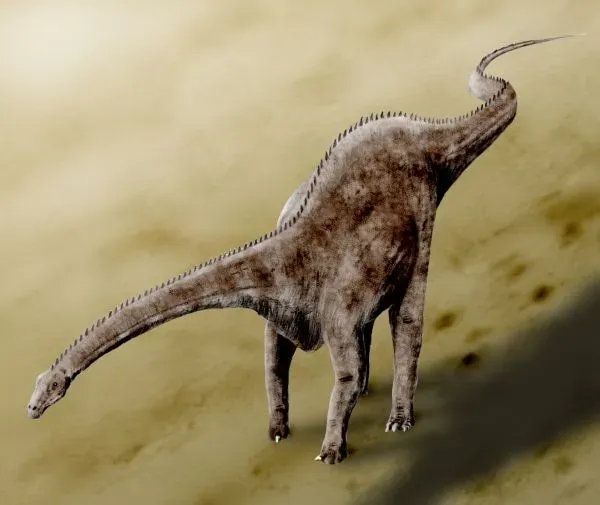
From the Jurassic rocks of Montana’s Mother’s Day Quarry, paleontologists uncovered fossils of sauropod skin so delicately preserved that they include impressions of pigment-carrying structures called melanosomes. This was huge because sauropod skin impressions are exceptionally rare. The juvenile Diplodocus fossil revealed something unexpected.
The team found two distinct types of melanosomes, an oblong type and a disk-shaped type, suggesting possible speckled color patterning. The finding suggests sauropod dinosaurs were not uniformly gray or brown, but had complex color patterns like other dinosaurs, birds and reptiles. It’s a good reminder to rethink those monochrome reconstructions we’ve seen in movies and museums. Reality was far more interesting than we imagined.
How Scientists Actually Determine Dinosaur Colors
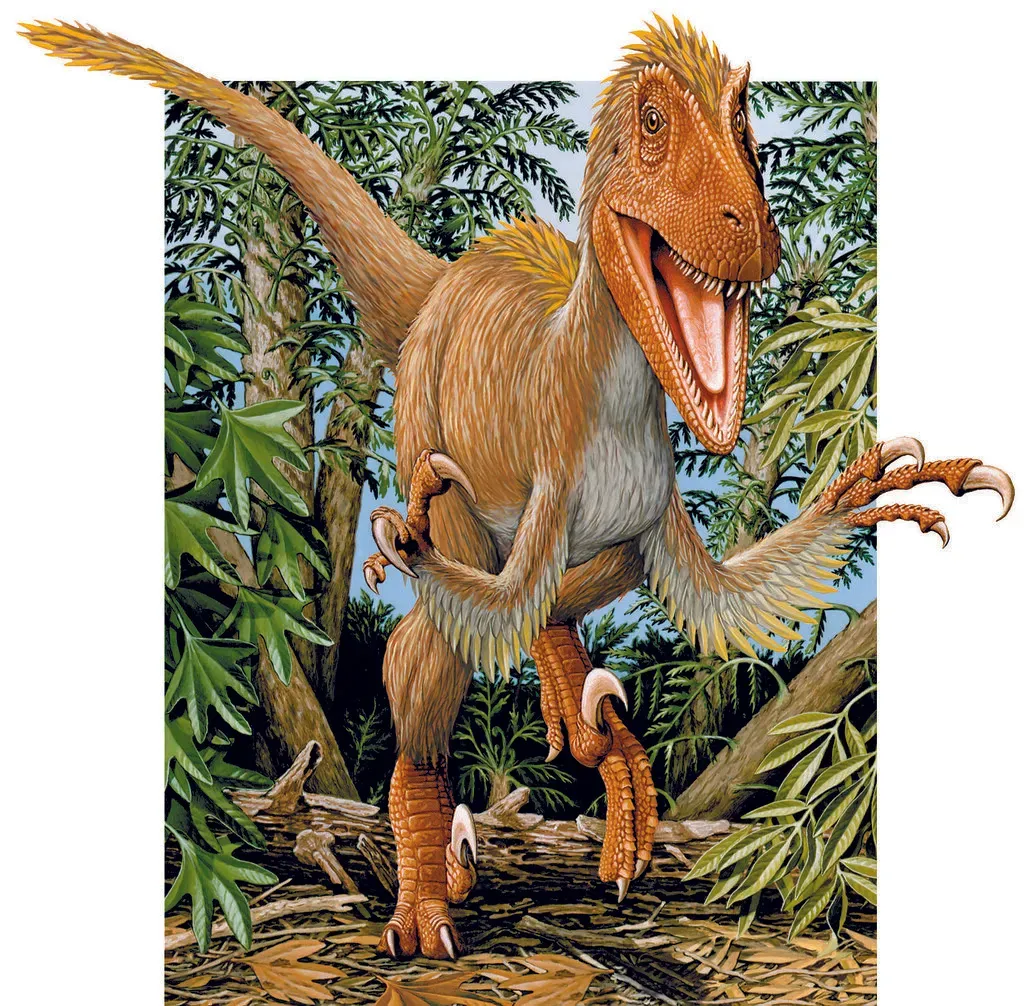
The process is both simple and incredibly complex. Scientists study melanosomes from modern-day birds, and by considering the length, width and aspect ratio of the melanosomes, as well as how much they vary in shape, they can predict feather color using statistical methods with 90 percent accuracy. It’s like creating a Rosetta Stone for ancient colors.
Sometimes the evidence is chemical rather than structural. Scientists found a lot of sulfur-bearing organic compounds, which later could be confirmed as evidence for reddish brown coloration. Different techniques work for different fossils. In exceptional cases where skin is preserved with visible dark staining, the patterns can be mapped out even without a microscope. The technology keeps improving, promising even more detailed reconstructions in the future.
What Colors Mean: Function Beyond Beauty
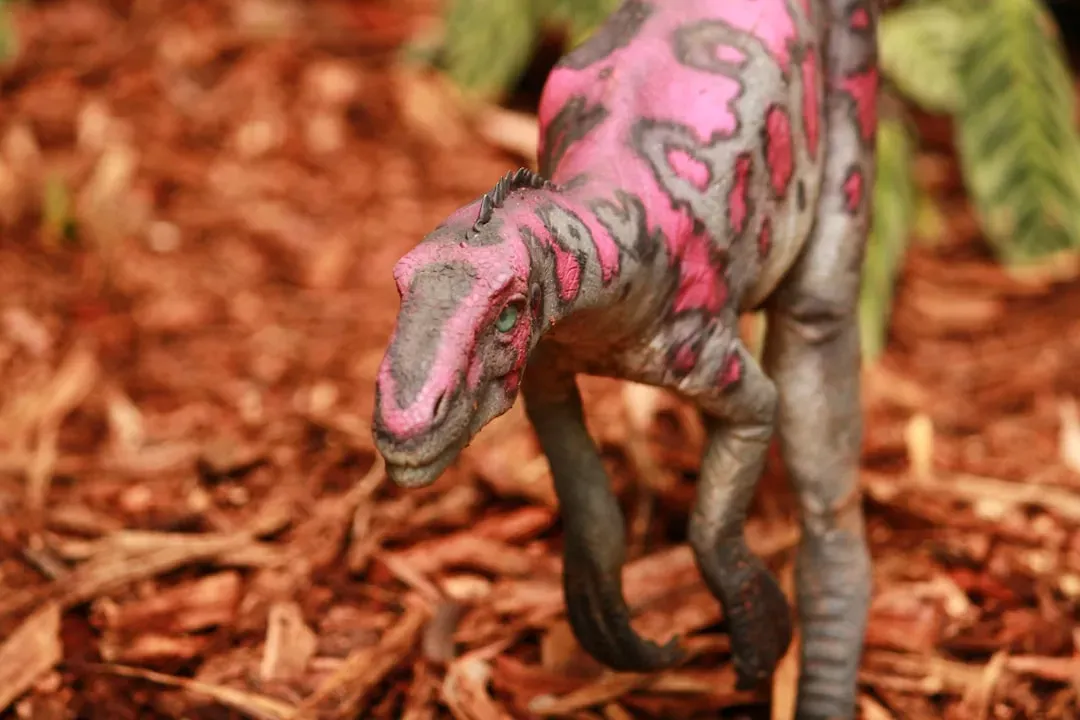
These colors weren’t just decorative. A dark dorsum and lighter ventrum helps to mask the three-dimensional shape of the body by reducing self-shadowing and decreasing conspicuousness, helping to avoid detection by predators and prey. Countershading made dinosaurs harder to spot, whether they were hunters or hunted.
The candy-cane tail of Sinosauropteryx was likely a social signal, used by these dinosaurs to communicate with each other when they met. Colors served multiple purposes: camouflage, communication, possibly even mate attraction. Some patterns reveal habitat preferences. The sharp dark-to-light transitions in Sinosauropteryx indicate open environments, while the gradual shading in Psittacosaurus points to forest habitats. Color patterns are basically fossil clues to entire lost worlds.
The Debates and Challenges That Remain
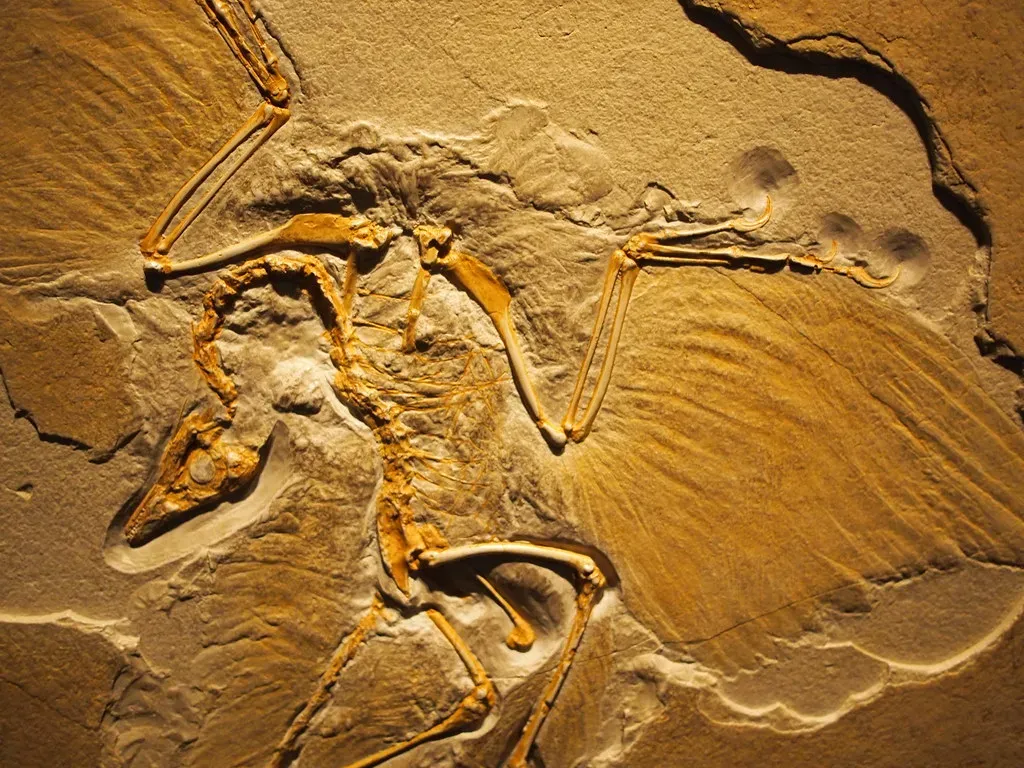
Not everyone agrees on every interpretation, which is healthy for science. Some researchers question whether preserved structures are truly melanosomes or could be fossilized bacteria. Others wonder if taphonomy, the process of fossilization itself, might alter pigment distributions in ways we don’t fully understand.
It’s possible that compounds associated with pheomelanin actually come from other substances in or on the dinosaur that broke down during fossilization, highlighting once again just how little we know about how soft tissues are preserved. The field is still developing its methods, testing hypotheses, refining techniques. What makes this exciting is that fossils remain available in museums for future scientists to reexamine with even better technology.
The Future Is Bright and Colorful
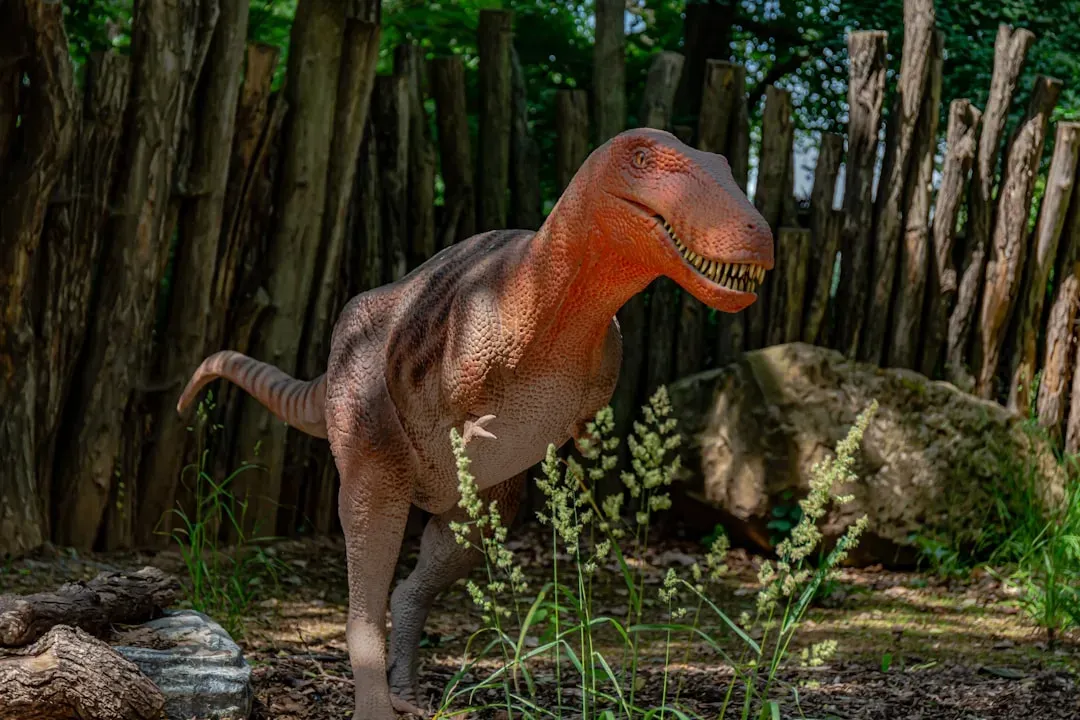
Microscopic clues found in fossil skin indicate these dinosaurs were colorful, and the year 2025 has seen the discovery of 44 new dinosaur species. Each new find brings the potential for more color discoveries. Scientists are examining pterosaurs, early mammals, even ancient fish for similar evidence.
The implications go beyond just knowing what dinosaurs looked like. Color patterns inform us about predator-prey dynamics, habitat types, social behaviors, and visual cognition in extinct ecosystems. We’re reconstructing not just individual animals but entire lost worlds. As technology advances and more exceptionally preserved fossils come to light, the palette of the prehistoric past will only grow richer and more surprising.
So the next time you see a dinosaur reconstruction, take a closer look. Those colors might not be artistic license anymore. They might be based on actual scientific evidence locked inside fossils for millions of years, finally brought back to life through the power of modern paleontology. What do you think about it? Did you expect dinosaurs to be so colorful?