
India – Vast landscapes from flood-prone grasslands to tangled mangroves sustain some of the world’s most endangered species within its network of national parks.
Kaziranga: Bastion of the One-Horned Rhino
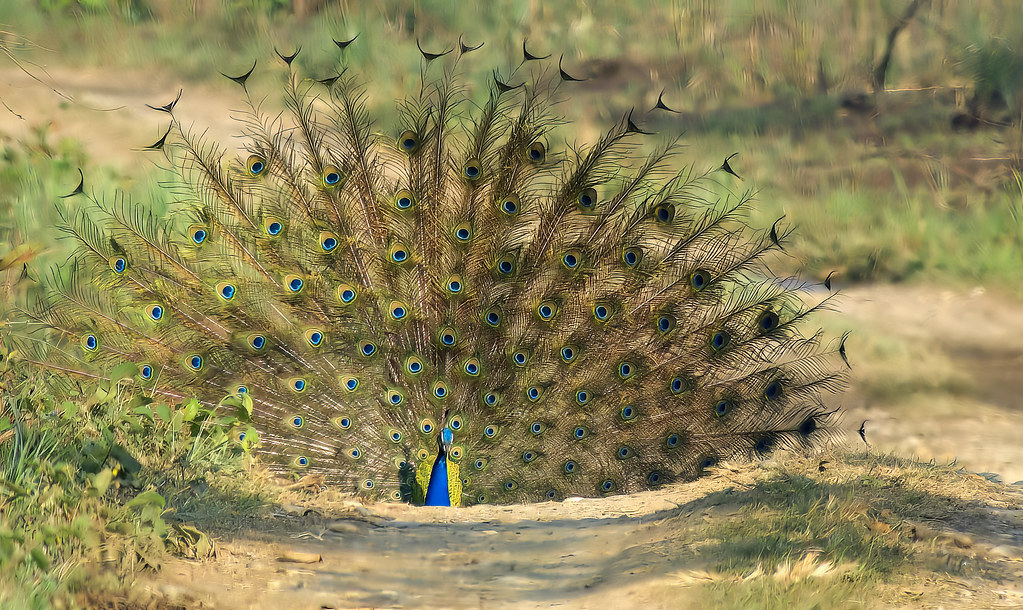
India’s 8 Premier National Parks Teeming with Rare Wildlife (Image Credits: Flickr)
Kaziranga National Park in Assam shelters the planet’s largest population of greater one-horned rhinoceroses.
Annual floods from the Brahmaputra River shape its expansive grasslands and wetlands, creating ideal habitats for wild water buffalo, diverse birdlife, and agile predators that have adapted to the dynamic environment. Park managers navigate these seasonal changes to protect the ecosystem. Visitors witness a thriving wildlife corridor shaped by nature’s rhythms.
Central India’s Tiger Strongholds
Ranthambore National Park in Rajasthan merges arid forests, shimmering lakes, and weathered ruins where tigers prowl openly.
Bandhavgarh in Madhya Pradesh boasts one of the highest tiger densities amid thick woodlands and rugged hills crowned by an ancient fort that symbolizes centuries of coexistence. Kanha National Park, also in Madhya Pradesh, features sal forests and open meadows where conservation efforts revived the barasingha deer population through careful habitat restoration and controlled tourism. These parks highlight India’s commitment to big cat preservation.
Each reserve balances visitor access with ecological integrity.
Northern and Western Wildlife Gems
Jim Corbett National Park in Uttarakhand offers sightings of tigers, elephants, and deer along rivers cutting through sal forests.
Gir National Park in Gujarat remains the sole refuge for Asiatic lions in dry deciduous forests and scrublands, where protection measures address human-wildlife conflicts. Observers spot prides navigating semi-arid terrain. These areas preserve genetic diversity for species facing historical threats.
Southern and Eastern Enclaves
Periyar National Park in Kerala centers on a reservoir in the Western Ghats, where elephant herds gather at dusk along the water’s edge.
Sundarbans National Park in West Bengal weaves through mangrove forests and tidal channels, home to tigers that swim and hunt in saline waters amid shifting landscapes. Protocols here stress distant observation to minimize disturbance. Both parks exemplify adaptation in challenging terrains.
| Park | Location | Signature Species |
|---|---|---|
| Kaziranga | Assam | One-horned rhino |
| Gir | Gujarat | Asiatic lion |
| Ranthambore | Rajasthan | Tiger |
| Sundarbans | West Bengal | Mangrove tiger |
Key Takeaways
- These parks protect irreplaceable species through habitat management and anti-poaching.
- Floods, mangroves, and forests create unique ecosystems fostering biodiversity.
- Successful recoveries, like barasingha in Kanha, demonstrate conservation impact.
India’s national parks stand as vital fortresses for global biodiversity, blending natural splendor with human stewardship. Which of these wildlife havens intrigues you most? Tell us in the comments.