Think you know everything about Velociraptors from the movies? Here’s the thing: what Hollywood showed us was just the tip of the iceberg. These turkey-sized predators from the Late Cretaceous period, roaming what we now call Mongolia around 75 million years ago, were far more complex than we ever imagined. Recent fossil discoveries and advanced neurological studies are completely reshaping our understanding of how these feathered hunters operated.
You might be surprised to learn that Velociraptors weren’t the oversized, scaly monsters from Jurassic Park. Instead, they were relatively small creatures covered in feathers, weighing roughly the same as a wolf. What truly set them apart wasn’t their size but something far more intriguing: their cognitive abilities and the way they may have worked together. Let’s dive into what science is now revealing about these remarkable predators.
Brain Structure Reveals Surprising Cognitive Complexity
The brain-to-body mass ratio was relatively high in velociraptors compared to other dinosaurs, suggesting they possessed neural capabilities that set them apart from most of their prehistoric contemporaries. The cerebral cortex, the part of the brain responsible for higher-order thinking, appears to have been relatively well-developed, combined with a sizable cerebellum which coordinates movement and possibly plays a role in learning and memory. This combination indicates these creatures were capable of behaviors far more sophisticated than simple instinct-driven responses.
Honestly, when you compare their brain structure to modern animals, the results are fascinating. This dinosaur had a large brain in proportion to its body, making it one of the more intelligent dinosaurs, with a level of brainpower likely on par with average birds. Studies of velociraptor fossil skulls suggest these dinosaurs had proportionally large forebrains, the part of the brain associated with higher reasoning, planning, social behaviors, and intelligence in animals. This wasn’t just about raw processing power; it was about the kind of thinking that allows for strategy, adaptation, and maybe even rudimentary problem-solving.
Advanced Sensory Systems for Tracking Prey
Evidence from fossilized remains suggests that Velociraptor had advanced sensory capabilities, including keen vision and a highly developed sense of smell, which would have enhanced its ability to locate and track prey. These weren’t just passive hunters waiting for food to stumble by. Results indicate that V. mongoliensis could detect a wide and high range of sound frequencies, was agile, and could likely track prey items with ease. Think about what that means: they could hear things other dinosaurs couldn’t, see in conditions that would leave others blind, and follow scent trails across varied terrain.
Velociraptor had binocular vision, which allowed it to perceive depth and distance accurately, an adaptation useful for hunting and avoiding predators. Enlarged flocculi have been used to predict prey tracking capabilities and may imply that the species had an acute vestibulo-ocular reflex. I think it’s remarkable how these predators were essentially fine-tuned hunting machines, their brains specially wired to coordinate complex visual and physical movements simultaneously.
The Pack Hunting Debate: Evidence and Controversy
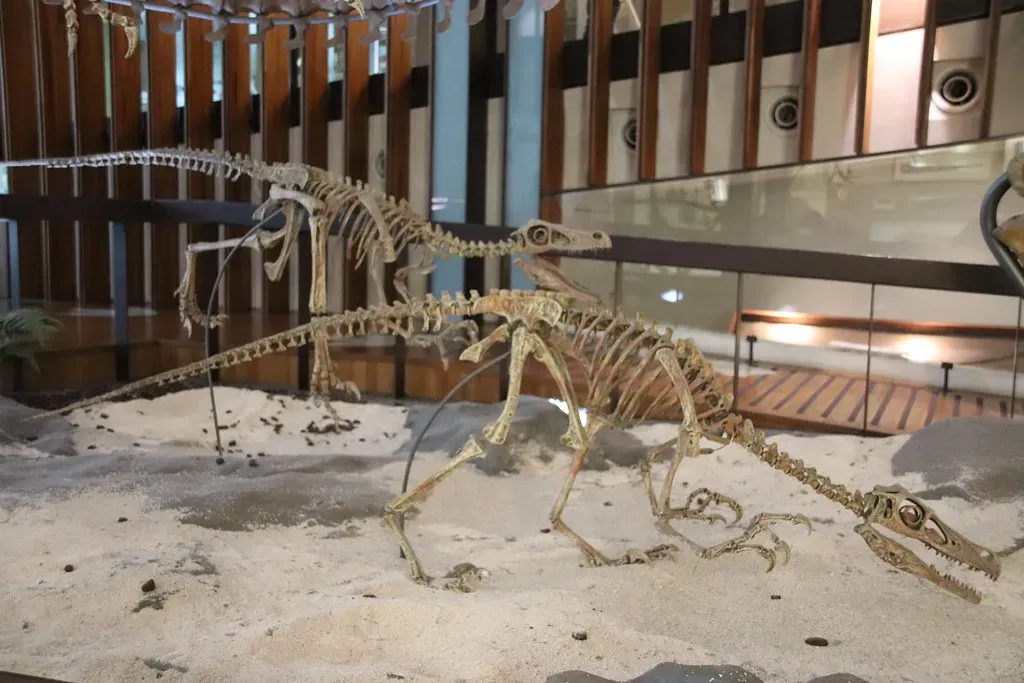
Here’s where things get really interesting. The discovery of velociraptor fossils in groups, often near the remains of their prey, suggests a level of coordination and cooperation. At the Djadochta formation in Mongolia, multiple Velociraptor fossils were found in close proximity, often in what seemed to be a clustered arrangement, suggesting these individuals might have occupied the same area or interacted frequently. Yet we need to be careful here, because correlation doesn’t always mean causation.
While Velociraptor is commonly depicted as a pack hunter, there is only limited fossil evidence to support this theory for dromaeosaurids in general and none specific to Velociraptor itself. Still, Mateus and Wroe determined that the clustering of Velociraptor fossils was more likely due to their social behavior rather than post-mortem factors such as flooding, with Velociraptor potentially exhibiting social behavior involving cooperative hunting strategies or complex social interactions. The jury’s still out, though the evidence is certainly compelling enough to keep researchers fascinated.
Communication Methods Within Groups
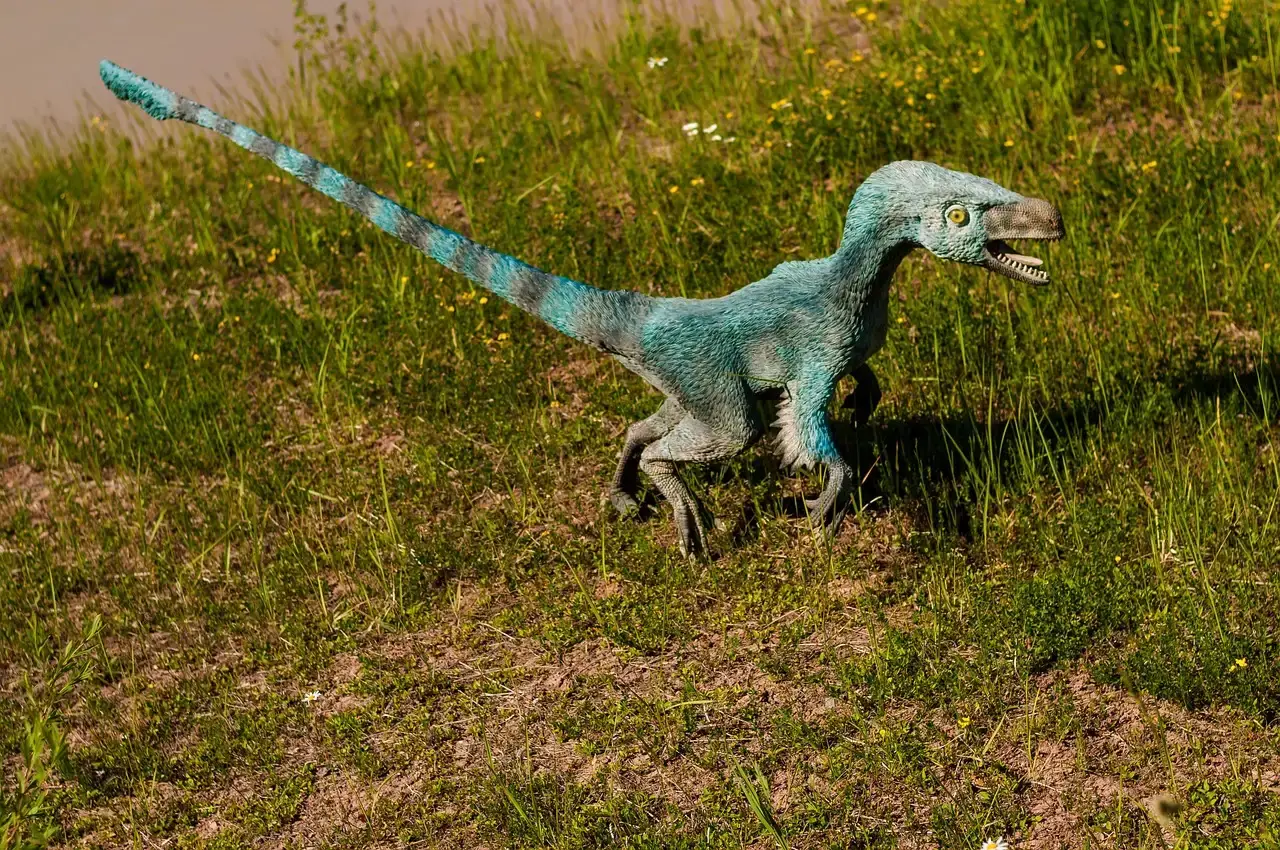
For coordinated pack hunting, Velociraptors needed methods of communication amongst pack members, with fossils showing they likely had complex vocal communication abilities with an extended range of frequencies they could vocalize. This wasn’t just simple grunting or hissing. These creatures may have possessed a sophisticated vocal repertoire that allowed them to signal danger, coordinate attacks, or establish territory boundaries.
The implications are staggering when you really think about it. The complexity of this behavior implies a significant level of communication and planning. Modern pack hunters like wolves use complex vocalizations, body language, and even eye contact to coordinate their movements. If Velociraptors operated similarly, they would have needed not just the ability to make sounds, but the cognitive capacity to interpret what those sounds meant and respond accordingly. That requires memory, recognition, and a level of social understanding we’re only beginning to appreciate.
Feathers as Tools for Stealth and Display
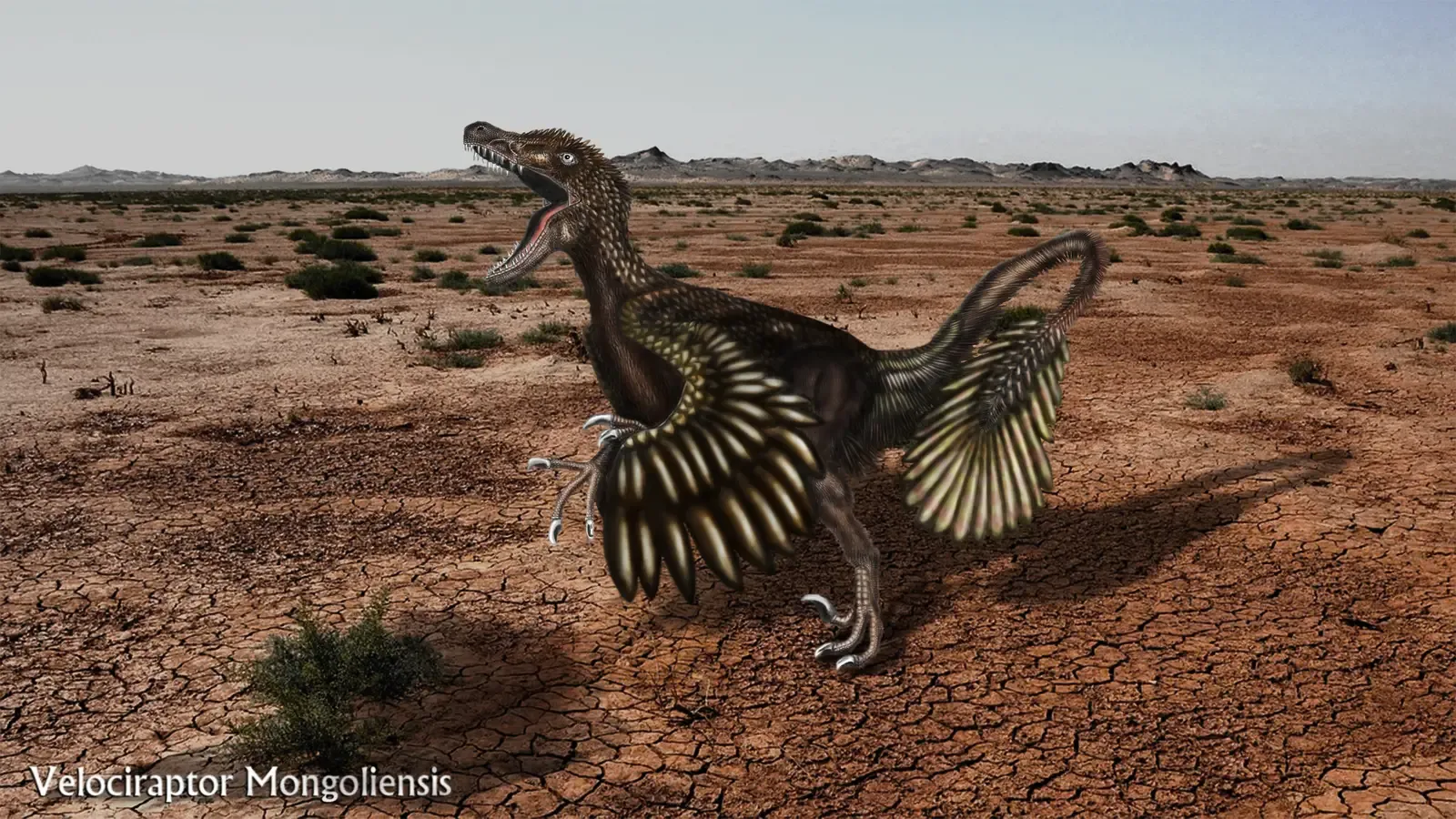
The presence of quill knobs on velociraptor fossils indicates they had feathers similar to modern birds, suggesting a closer relationship to birds and implying a level of bodily awareness and potentially complex behaviors related to display and communication. Evidence suggests that Velociraptor’s plumage likely facilitated camouflage and enhanced aerodynamic control, improving its stealth and maneuverability during high-speed chases. These weren’t decorative additions; they were functional adaptations that gave them a hunting edge.
Feathers could have provided advantages for camouflage or stealth in hunting, with feather patterns potentially helping Velociraptor blend into its surroundings while stalking prey, serving as a camouflage mechanism. Picture a feathered predator, patterns rippling across its body like shadows through desert scrub, moving silently toward unsuspecting prey. Feathers might have contributed to stability during incline running, further supporting its adaptability in diverse environments. Versatility was clearly a survival strategy for these remarkable hunters.
Social Hierarchy and Breeding Behaviors
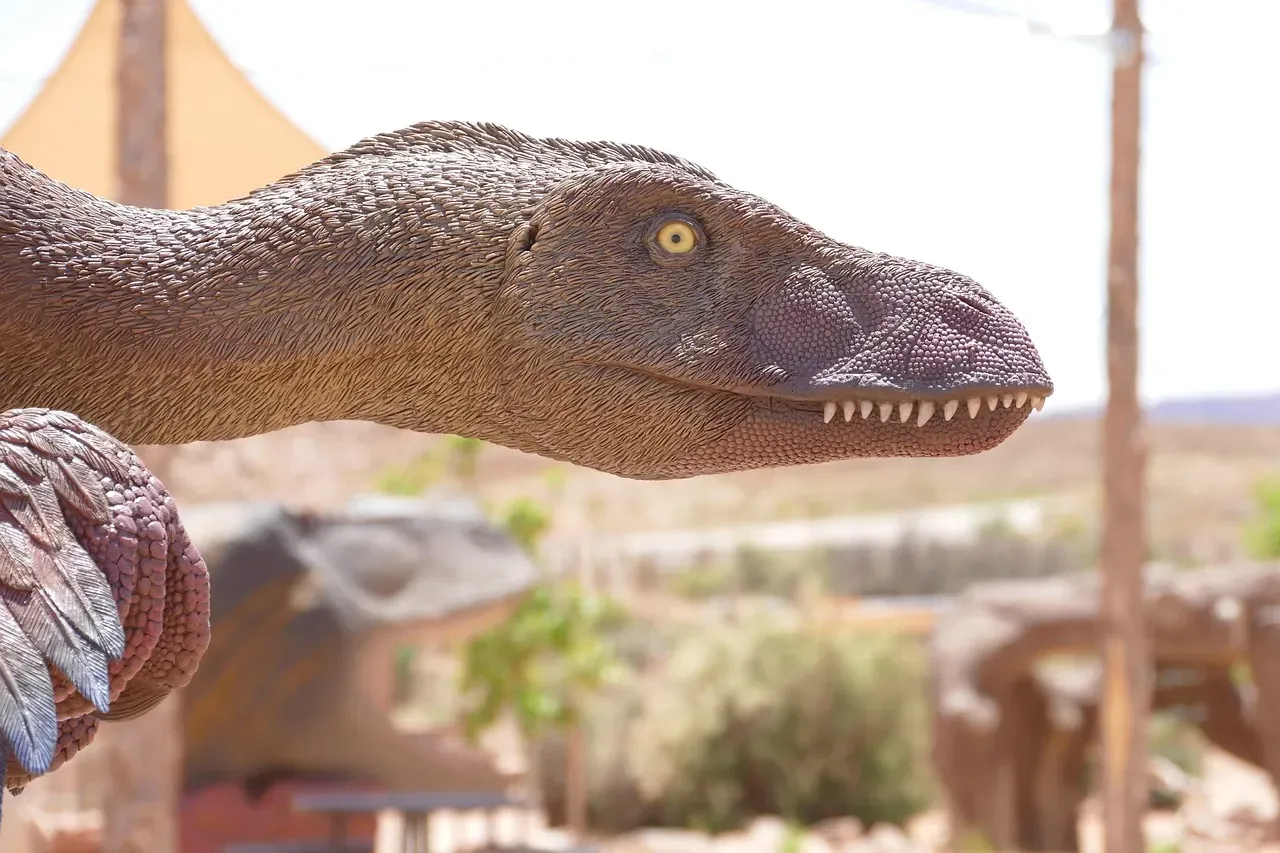
If they were capable of complex communication and coordination, it’s possible that they had a sophisticated social structure, including dominance hierarchies, cooperative breeding behaviors, and even cultural transmission of behaviors from one generation to the next. Let’s be real: this level of social organization is rare in the animal kingdom, even today. Recent discoveries of fossilized Velociraptor nesting grounds show these predators may have lived together in communities while raising their young, with multiple nests found in close proximity containing eggs.
Communal nests provide evidence that Velociraptors may have cared for their young as a group, with modern raptor species that nest together demonstrating cooperative parenting where adults share duties, an extended parental care that enhances offspring survival rate. This isn’t just about biology; it’s about investment in the next generation. The discovery of communal breeding reveals surprising social complexity, with grouping nesting sites and shared parenting duties requiring advanced cognitive abilities and communication skills.
Hunting Strategies and Prey Selection
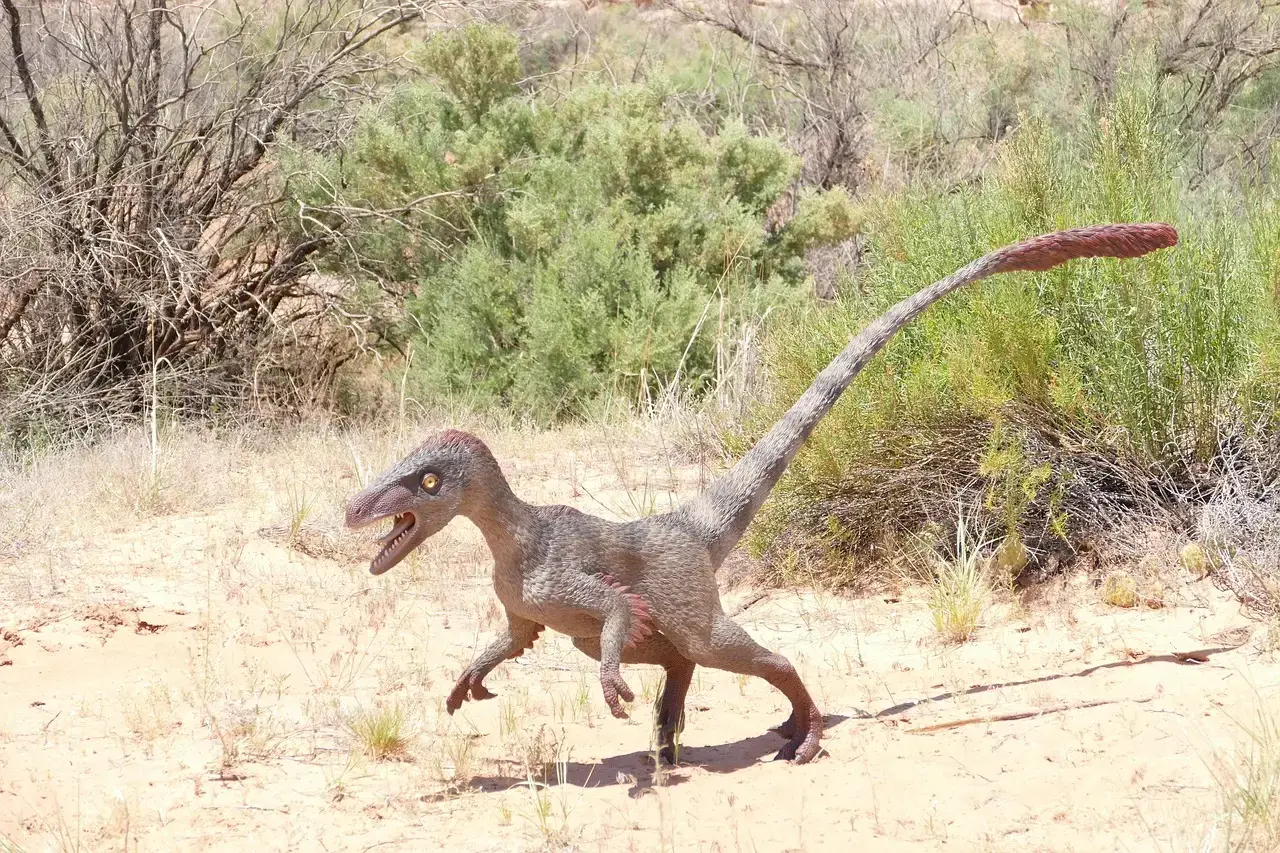
Velociraptor employed ambush and stealth approaches, using its agility and speed to chase down smaller prey or working in groups to take down larger animals. Based on its morphology, Velociraptor likely could make sharp turns and quick directional changes, which would have been advantageous for chasing and ambushing prey. Their hunting toolkit was impressive: Its keen vision and sense of smell, coupled with a flexible neck, strong legs, and a retractable sickle-shaped claw, facilitated precise ambushes and rapid prey capture.
Research examined wear patterns on Velociraptor claws and teeth, with findings suggesting the species may have engaged in strategic feeding behaviors, such as targeting vulnerable areas of prey. This indicates calculated precision rather than random violence. V. mongoliensis was an active predator that would likely scavenge depending on the age and health of the individual or during prolonged climatic events such as droughts. Flexibility in hunting strategy likely gave them a survival advantage when conditions changed unexpectedly.
Intraspecific Combat and Social Conflict
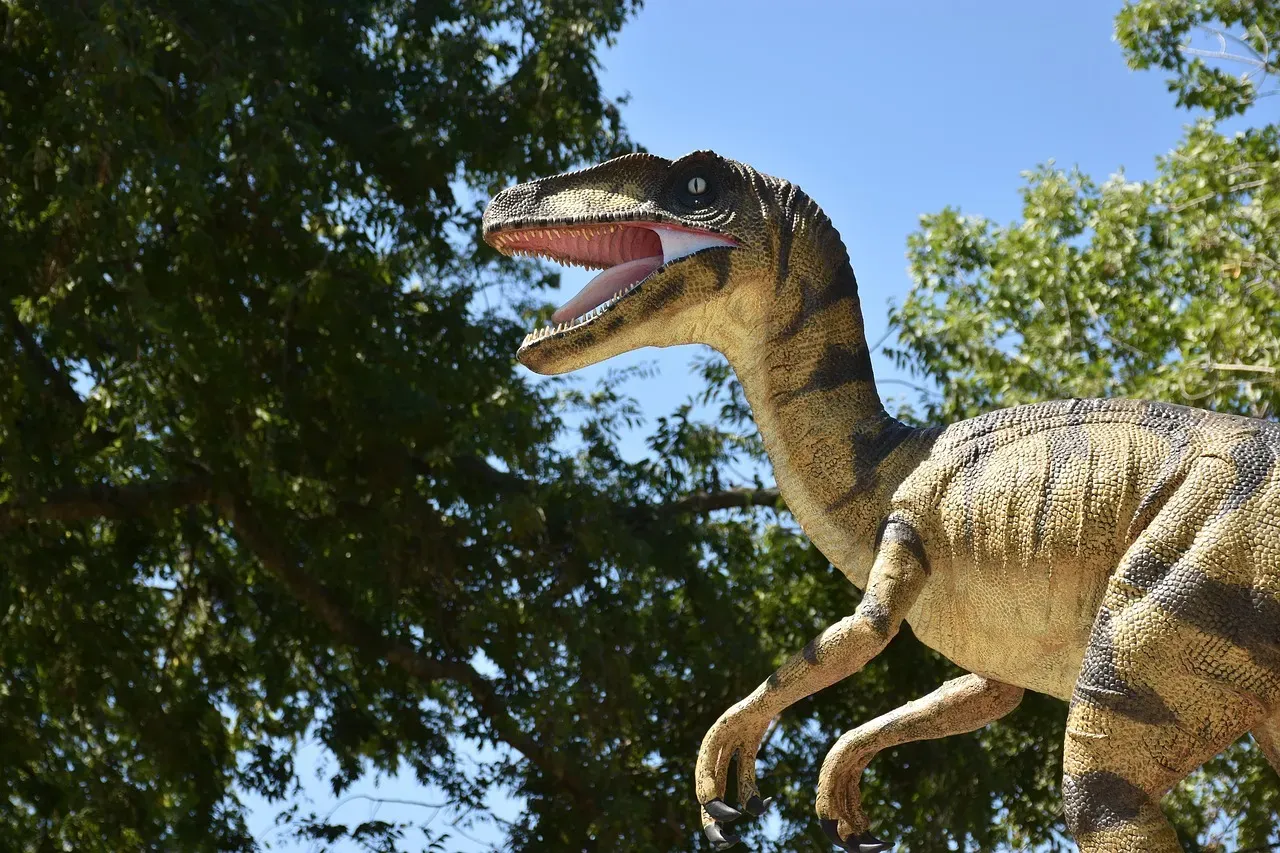
Researchers examined several fossil specimens of Velociraptor that exhibited healed and unhealed injuries, including puncture wounds, fractures, and lesions, with the location and nature of these injuries suggesting they were likely inflicted during fights with other Velociraptor individuals. This is evidence of something darker within their social dynamics. Intraspecific combat was observed, indicating complex social interactions. Territory disputes? Mating competition? Hierarchy enforcement? We can only speculate.
What these injuries tell us is crucial: Velociraptors didn’t just cooperate, they also competed, sometimes violently. The presence of healed wounds shows these weren’t always fatal encounters, suggesting some form of restraint or ritualized combat rather than fights to the death every time. This mirrors behavior we see in modern social predators, where establishing dominance doesn’t necessarily require killing a rival. It’s hard to say for sure, but the fossil record paints a picture of creatures with complicated relationships, where cooperation and conflict existed side by side.
Conclusion: Rethinking Prehistoric Intelligence
What we’re discovering about Velociraptors challenges everything we thought we knew about dinosaur cognition. Their combination of pack hunting behavior, sophisticated brain structure, and possibly complex social behaviors sets them apart as one of the most intriguing subjects in paleontology. These weren’t mindless monsters; they were adaptable, intelligent predators whose cognitive abilities rivaled modern birds of prey.
The evidence of advanced sensory systems, potential pack coordination, complex vocalizations, and even communal child-rearing paints a picture of creatures far more sophisticated than we ever imagined from just looking at bones. Every new fossil discovery adds another piece to this puzzle, revealing behaviors that blur the line between instinct and intelligence. As research continues and technology advances, we’ll undoubtedly uncover even more surprising details about these feathered hunters who ruled the Late Cretaceous.
Did you expect that Velociraptors were this complex? What other prehistoric creatures do you think might surprise us with hidden intelligence?