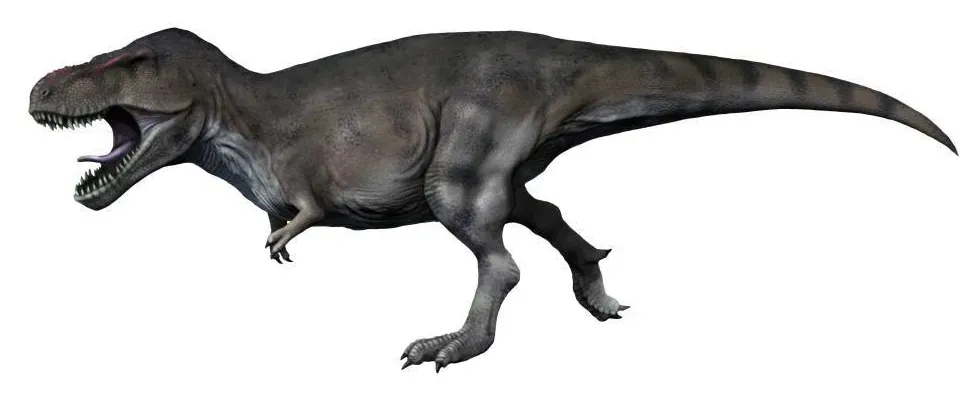
You’ve probably grown up believing that Tyrannosaurus rex stood alone at the top of the prehistoric food chain, an unstoppable killing machine that ruled the late Cretaceous with absolute authority. That image has been burned into our collective imagination through countless movies, documentaries, and museum exhibits. Yet here’s the thing: the reality is far more complicated and honestly, quite a bit more fascinating than the Hollywood version you’ve been fed.
Recent discoveries are reshaping everything scientists thought they knew about this iconic dinosaur. Let’s be real, the idea that T. rex was some sort of invincible super predator is starting to look more like myth than science. From its surprisingly sluggish walking speed to the competitors lurking in its shadow, the story of T. rex is turning out to be less about domination and more about survival in a world far more competitive than anyone imagined. So let’s dive in.
The Scavenger Debate That Won’t Die
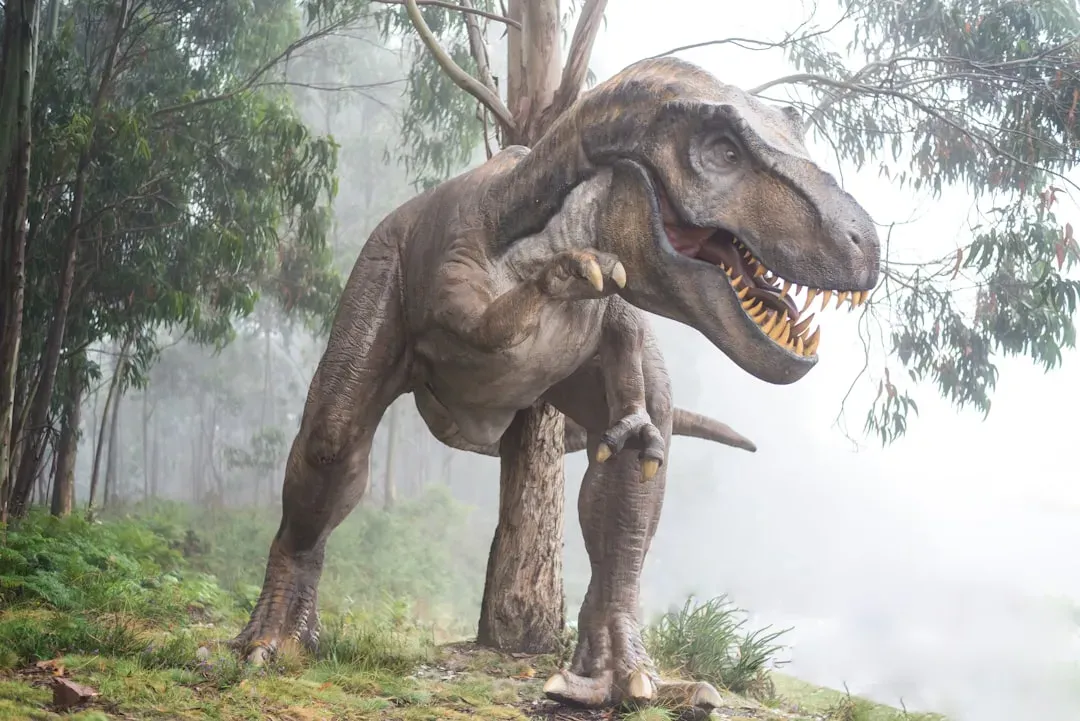
In 1994, American paleontologist Jack Horner published an article that suggested that a view of T. rex for over a 100 years should be turned on its head – T. rex, the Tyrant Lizard King, was a scavenger. This wasn’t just some random speculation thrown out there. The theory that T. rex and its close relatives were scavengers are based on tooth shape, sense of smell, and the size of the arms. These arguments caught fire in the media and suddenly everyone was questioning whether the king of dinosaurs was actually more like a prehistoric vulture.
Most paleontologists today accept that Tyrannosaurus was both a predator and a scavenger. It turns out the debate itself was somewhat manufactured, a media frenzy that took on a life of its own. Our beloved T. rex was undoubtedly a predator and a scavenger, and the ongoing fascination with the dinosaur’s reputation has far more to do with muddled media than science. Like most large carnivores today, T. rex likely opportunistically fed on whatever it could find, whether that meant hunting live prey or stealing meals from other predators.
Surprisingly Slow for a Fearsome Beast
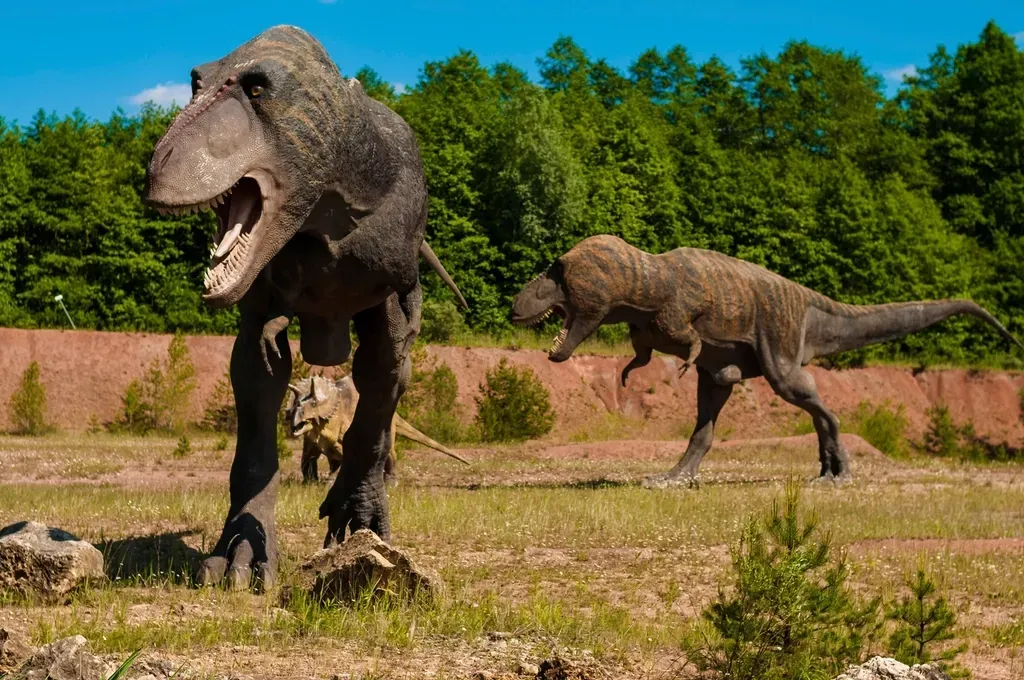
The movies got this one spectacularly wrong. According to the new study published in Royal Society Open Science, the predators walked at just under 3 miles per hour. Think about that for a moment. You could literally outwalk a Tyrannosaurus rex at a leisurely stroll. Those estimates placed a T. rex’s walking speed roughly between 4.5 and 6.7 mph, about as fast as a mediocre human runner. Even the earlier, more generous estimates wouldn’t have let it chase down a Jeep like in Jurassic Park.
Why so slow? A 6000-kilogram Tyrannosaurus could not have packed enough muscle into its legs to hustle faster than about 40 km/h. The sheer mass of the animal created a physical limitation. By the time it reached adulthood, the stresses placed on the legs would have been so great that anything faster than a walking pace would have caused the bones to buckle. Running simply wasn’t an option without risking catastrophic skeletal failure.
Competition From Unexpected Rivals
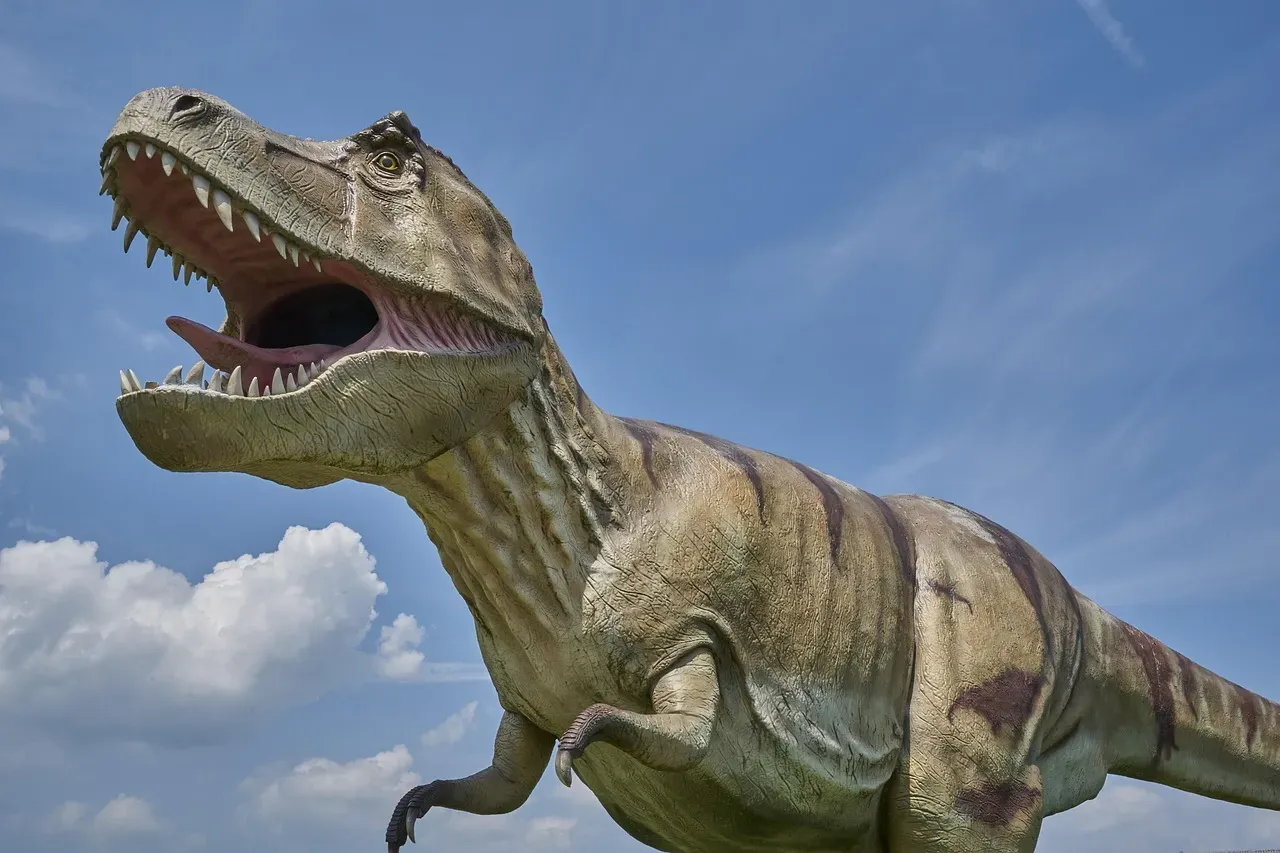
The research has upended the long-held belief that Tyrannosaurus rex was the only predator at the top of its food chain. This revelation alone should make you reconsider everything. The research team discovered a forgotten predator, Nanotyrannus lethaeus, suggesting multiple tyrannosaur species coexisted in North America’s ancient floodplains during the late Cretaceous period. So T. rex wasn’t even the sole tyrannosaur in town.
The research also provides further evidence that Nanotyrannus lancensis was a Late Cretaceous predator that stalked forests and floodplains alongside the voracious T. rex, possibly competing against its young for food. Imagine that: T. rex juveniles had to compete not just with adults of their own species but with entirely different predatory dinosaurs hunting the same prey. The ecosystem was far more crowded and competitive than the simplified narrative suggests.
Giants That Made T. Rex Look Small
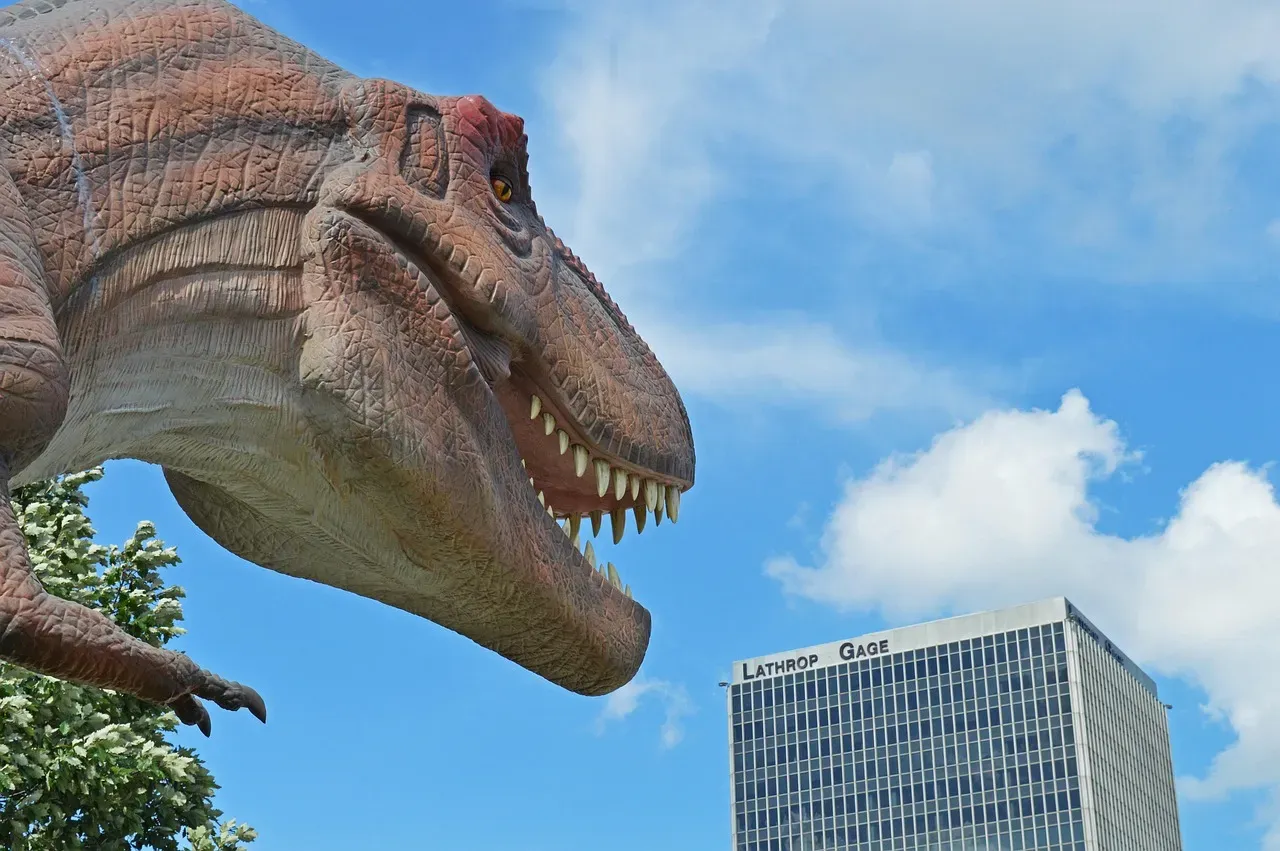
Here’s something that might blow your mind. Several predator dinosaurs were larger than Tyrannosaurus rex. Take Spinosaurus, for instance. Estimated length: 50–59 feet, compared to T. rex’s 40–42 feet. Weight: Around 7–10 tons, similar to or slightly heavier than T. rex. Then there’s Ulughbegasaurus. Ulughbegasaurus was the dominant apex predator of its time.
This newfound predator may have preyed on T. rex’s ancestors. That should have kept them small and on the run. For millions of years, tyrannosaurs remained relatively modest in size precisely because larger predators dominated their ecosystems. Siats strolled western North America some 98 million years ago. Within the next 18 million years, a tyrannosaur called Lythronax – or King of Gore – rose to apex status. T. rex only got its chance at the top after these other mega predators disappeared.
The Ambush Question Nobody Can Answer
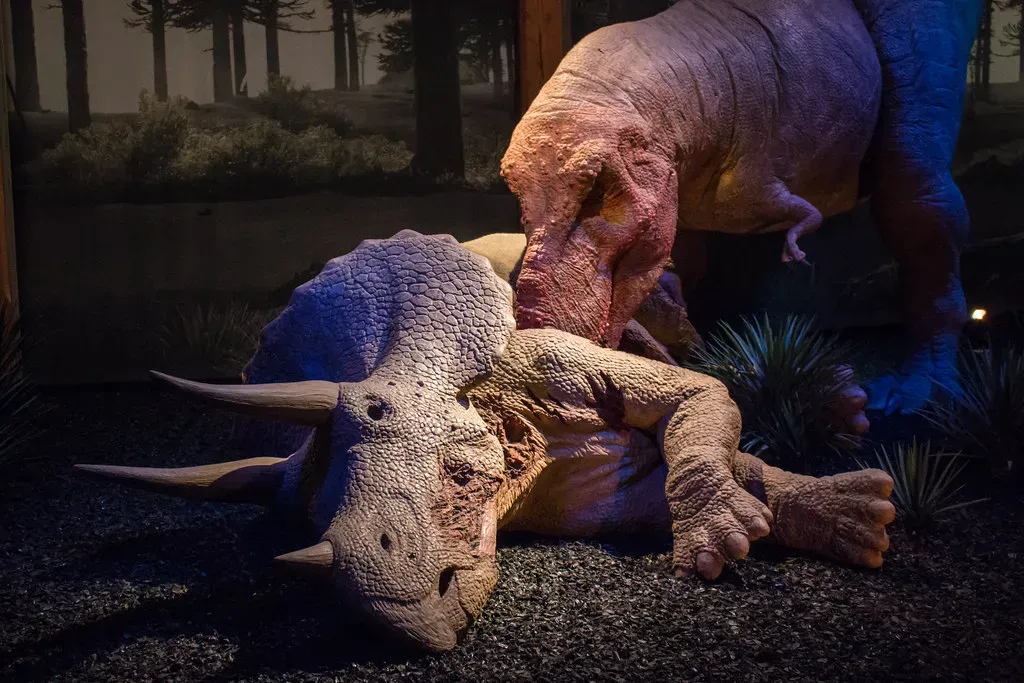
T. rex could have employed more of an ambush or social group method of hunting, rather than solely pursuit hunting. Scientists really can’t say for sure how this dinosaur actually hunted. Was it a patient ambusher waiting in dense vegetation? Did it coordinate attacks in packs like modern wolves? The honest truth is we simply don’t know. There are numerous limitations in understanding the entire hunting strategy and technique used by Tyrannosaurus rex at certain life stages.
Fossils from tyrannosaurs ranging from ages 2 to 26 have been found together, as have T. rex trackways with footprints from multiple individuals. That seems to support the idea that this species may have formed herds – and possibly even hunted together. Yet this evidence is far from conclusive. The presence of multiple individuals together doesn’t automatically prove cooperative hunting behavior.
Juveniles Filled Different Ecological Roles
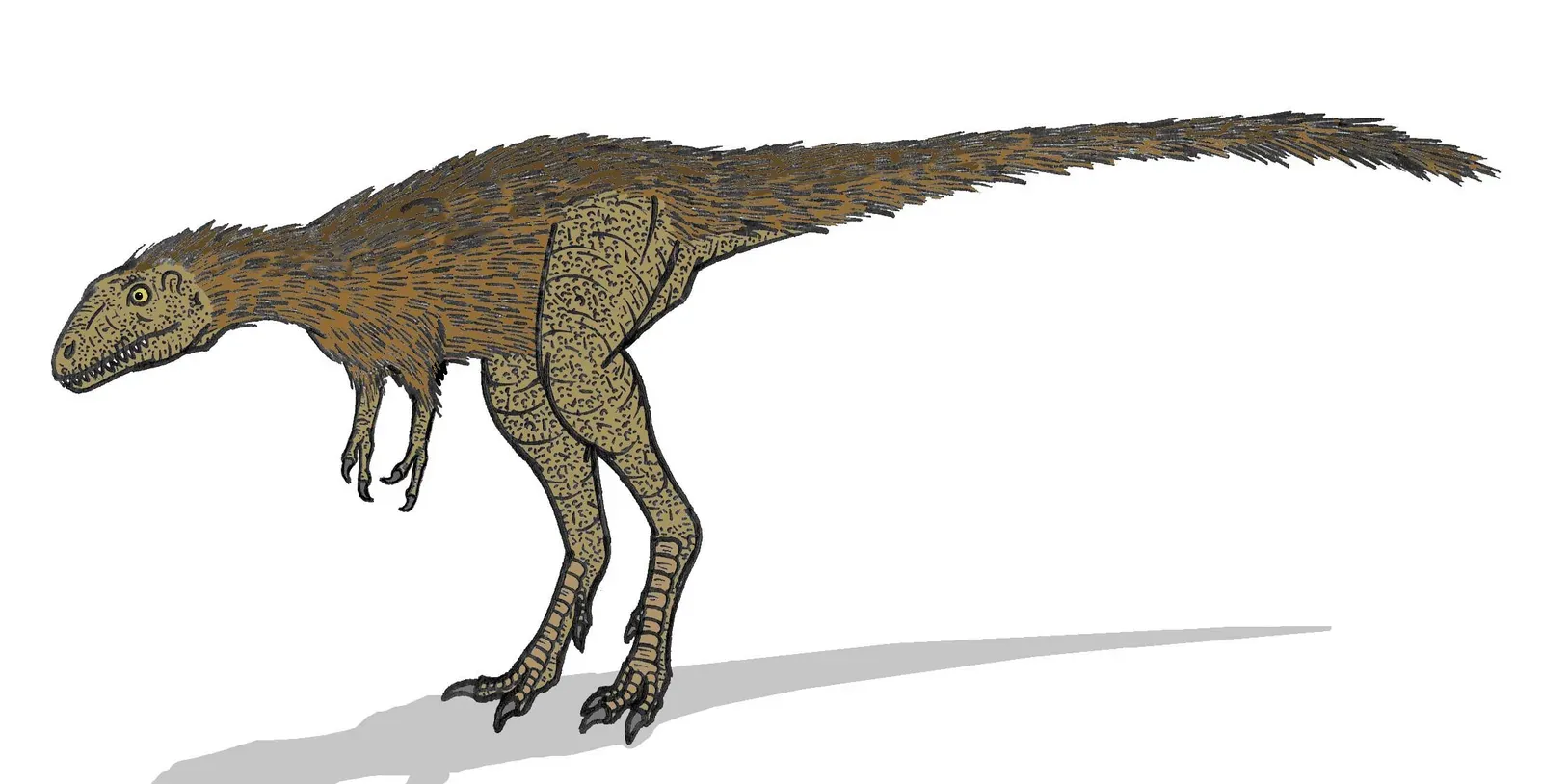
The differences between adult and adolescent tyrannosaurs were so great that the animals almost lived like different species, pushing out mid-sized carnivores in a prehistoric takeover. This is fascinating when you think about it. Juvenile T. rex typically hunted smaller, less armored herbivorous dinosaurs, as models estimate them to have a bite force of 2565-4012 N, Meanwhile, adult T. rex tended to hunt larger dinosaurs, including armored ones like Ankylosaurus, and had an estimated bite force of 35640 – 57158 N.
Essentially, young and adult T. rex weren’t even competing for the same food. Baby tyrants were in competition for food and space with other carnivore species, and those species seem to have made way for the tyrannosaurs. The juveniles effectively occupied the niche that would have been filled by medium-sized predators in other ecosystems. This pushed out potential competitors before they could establish themselves. It’s hard to say for sure, but this might have been one of T. rex’s actual competitive advantages.
The Energy Problem of Pure Scavenging
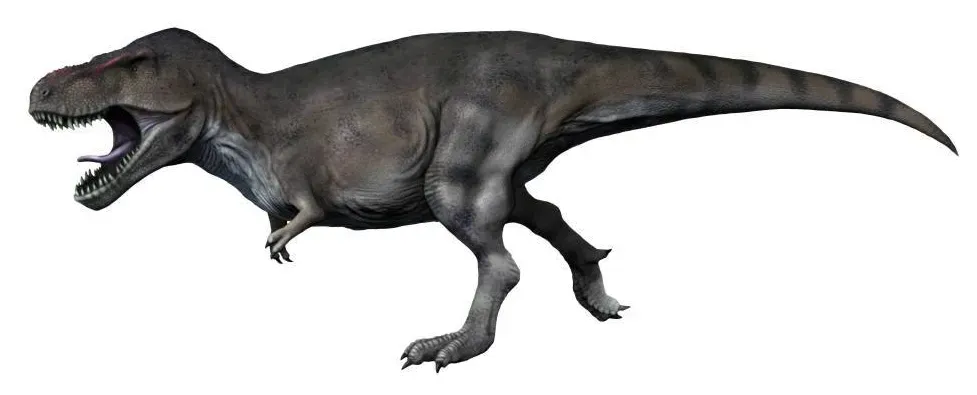
It is extremely unlikely that an adult T. rex could use scavenging as a long-term sustainable foraging strategy. The math simply doesn’t work out. Tyrannosaurus was the biggest meat-eating dinosaur within its ecosystem and certainly would have dominated any carcass it came across, but the likelihood of it reaching a carcass before its destruction at the jaws of smaller, faster dinosaurs was low. Those smaller predators would have already stripped most carcasses clean before the slow-moving T. rex even arrived.
The energetic importance of scavenging in Tyrannosaurus may have been mainly restricted to juvenile individuals as a recent study has shown that multi-ton theropods would have gained little energy from scavenging after accounting for the energy expended from foraging. Adult T. rex needed massive amounts of food to sustain their enormous bodies. Wandering around hoping to stumble across dead animals simply wouldn’t have cut it. The energy spent searching would have exceeded the calories gained from scavenging alone.
Its Senses Were Both Blessing and Limitation
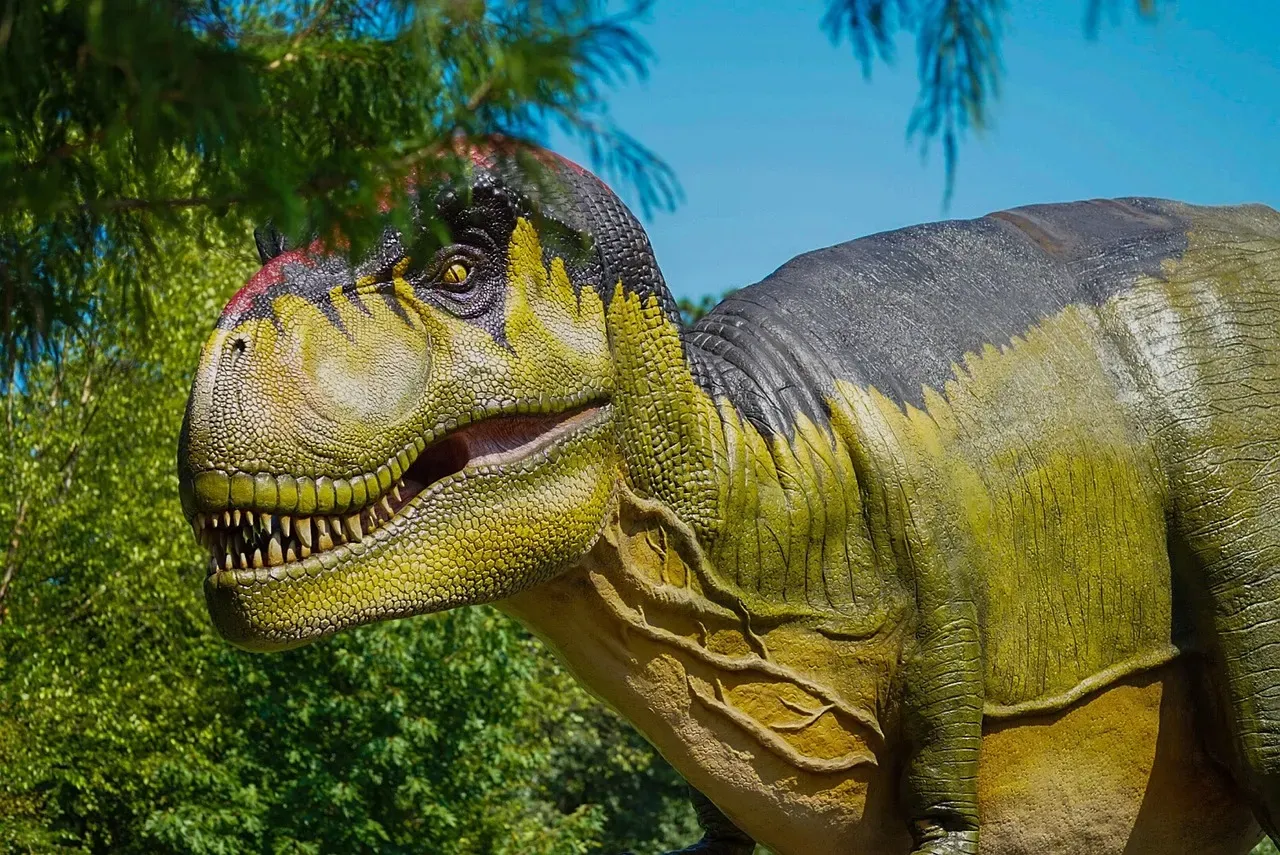
Research on the olfactory bulbs has shown that T. rex had the most highly developed sense of smell of 21 sampled non-avian dinosaur species. This extraordinary olfactory ability has been used as evidence for both predatory and scavenging behavior. This suggests that the sense of smell was highly developed, and implies that tyrannosaurs could detect carcasses by scent alone across great distances. The sense of smell in tyrannosaurs may have been comparable to modern vultures, which use scent to track carcasses for scavenging.
Yet here’s where it gets interesting. Based on these calculations, the f-number for Stan’s eye is 3–3.8; since diurnal animals have f-numbers of 2.1 or higher, this would indicate that Tyrannosaurus had poor low-light vision and hunted during the day. So while it could smell prey or carcasses from impressive distances, its night vision was terrible. This would have severely limited when and how it could hunt, making it vulnerable to competitors active at dawn or dusk.
Late Arrival to the Apex Position
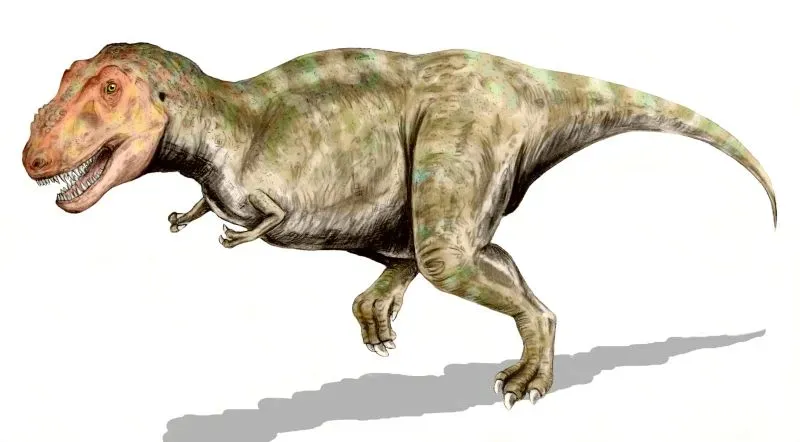
By the Late Cretaceous Period – around 100 million years later – tyrannosaurs had evolved into animals like T. rex, which could weigh up to 7 tons. The new species’ small size some 80 million years after tyrannosaurs first appeared in the fossil record indicates that its huge size developed only toward the end of the group’s long evolutionary history. T. rex wasn’t some ancient lineage of dominant predators. It was actually a latecomer to the party.
This positioned them to take advantage of opportunities to reach the top of their food chain in the Late Cretaceous Period after other groups of large meat-eating dinosaurs had gone extinct about 80–90 million years ago. In other words, T. rex only got its shot at being an apex predator because the previous champions disappeared. It didn’t outcompete them. It inherited an empty throne and only had roughly two million years to enjoy that position before the asteroid hit and ended the whole show.
The Tyrannosaurus rex remains one of the most remarkable predators ever to walk Earth, yet the picture emerging from modern paleontology is far more nuanced than the unstoppable monster of popular imagination. It was a slow walker constrained by its own massive size, sharing its world with other tyrannosaurs and only reaching apex status after larger predators vanished. It relied on a mix of hunting and scavenging, had sensory strengths and weaknesses, and saw its juveniles occupying entirely different ecological roles than adults. The truth is always more interesting than the myth. What do you think about it? Does this change how you view the king of dinosaurs?