
Have you ever considered that the air you breathe exists because of organisms you cannot even see? Long before dinosaurs roamed or the first flower bloomed, microscopic life forms were quietly engineering our planet’s entire atmosphere. These ancient microbes didn’t just survive in prehistoric ecosystems. They built them from scratch.
The story of life on Earth isn’t what most of us imagine. It’s not about towering creatures or dramatic evolutionary leaps visible to the naked eye. Instead, it’s a tale written in layers of rock, chemical signatures, and fossilized microbial communities that stretch back billions of years. What scientists are discovering about these primordial organisms is reshaping everything we thought we knew about how ecosystems function and evolve.
The Silent Architects of Early Earth
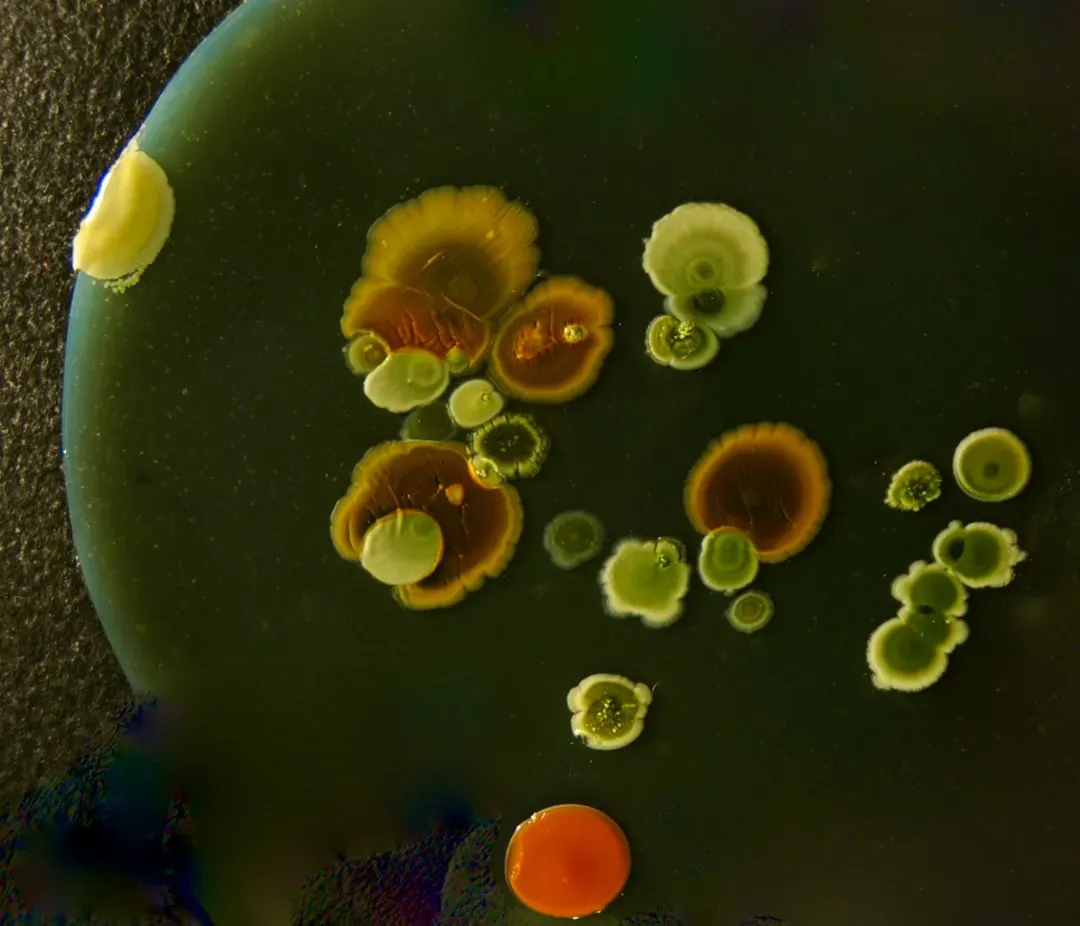
Picture Earth more than three and a half billion years ago. The atmosphere lacked oxygen, seas were acidic and iron-rich, and volcanic activity roared across barren landscapes. Yet in this alien world, something extraordinary happened: life emerged. These weren’t the complex organisms we recognize today. They were simple, single-celled bacteria that would forever alter the trajectory of our planet.
Microbial fossils provide some of the earliest direct physical evidence of life on Earth. What’s truly remarkable is that the oldest known fossils are cyanobacteria from rocks in western Australia, dated at roughly three and a half billion years old, when the oldest rocks themselves are only slightly older at approximately three point eight billion years. Think about that for a moment. Life appeared almost as soon as the planet cooled enough to support it.
Geochemistry indicates the first bacteria were shaped by anoxic environments with distinct patterns of nutrient availability, with reduced iron serving as the principal electron donor for photosynthesis and oxidized iron as the most abundant terminal electron acceptor for respiration.
Stromatolites: The Fossilized Diaries of Microbial Life
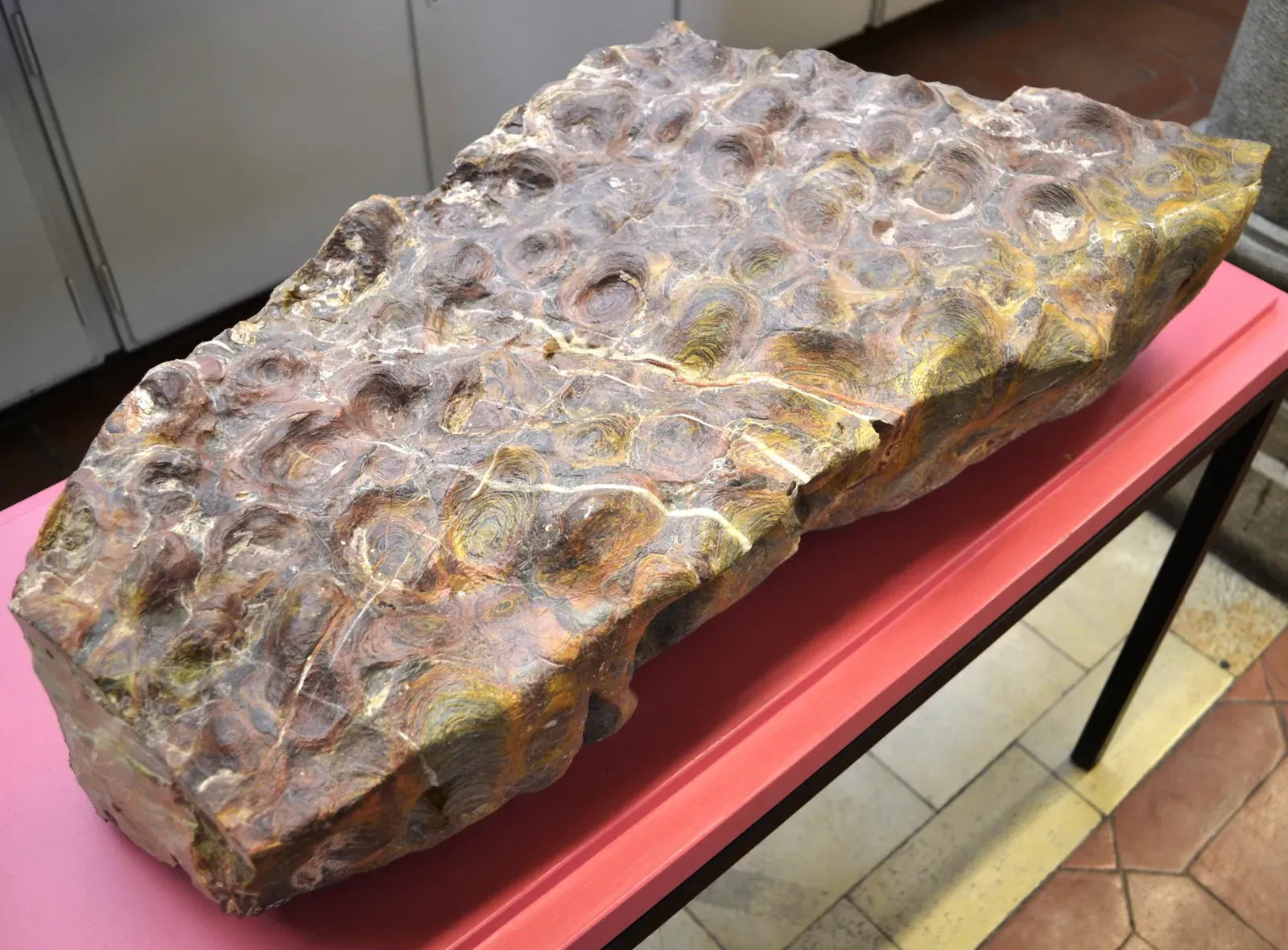
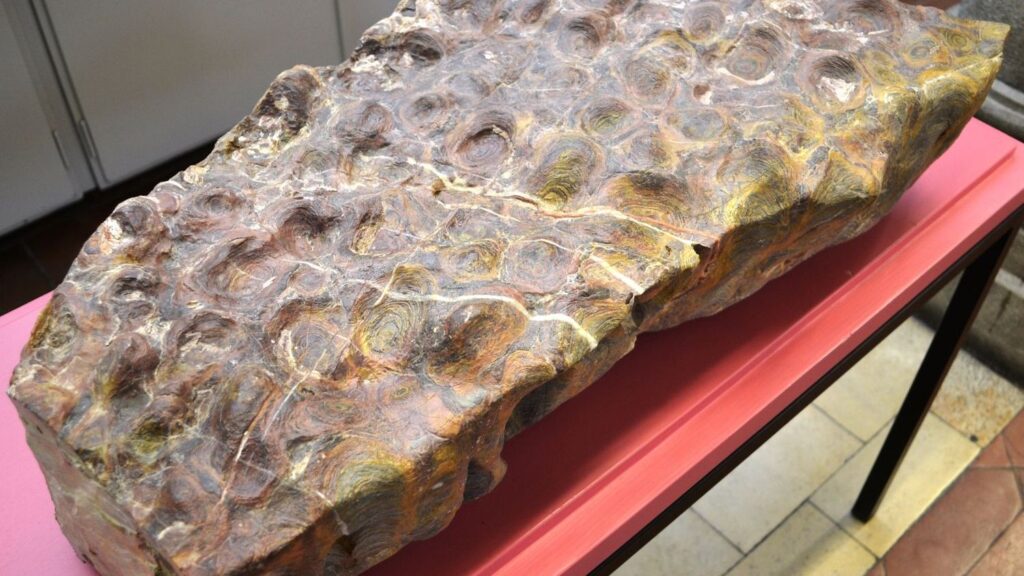
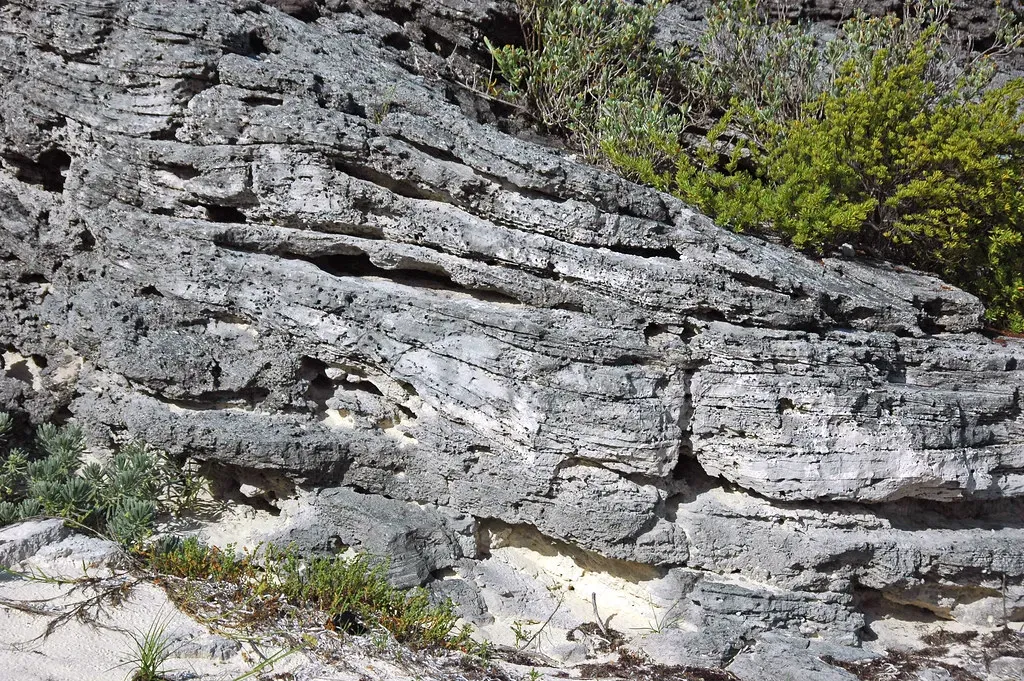
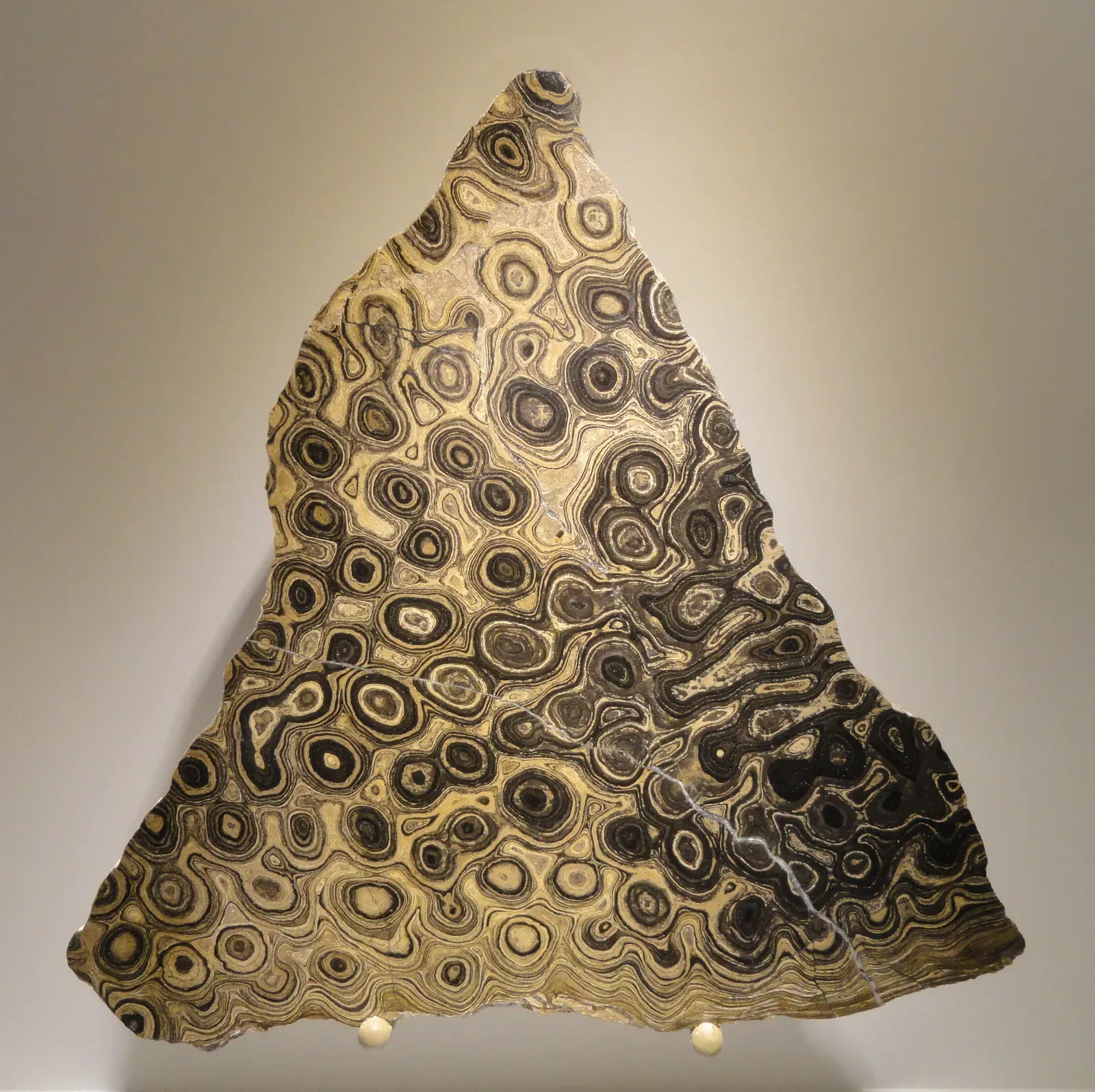
Among the most extraordinary evidence of ancient microbial ecosystems are stromatolites. These layered sedimentary structures formed by dense communities of microorganisms called microbial mats, with biofilms growing on moist surfaces where they trap and bind sediments like sand and calcium, precipitating minerals into distinct mound or column-like structures. They’re essentially fossilized apartment buildings for bacteria.
Researchers have identified stromatolites from the Warrawoona Group in Western Australia that are roughly three point four five billion years old, dating to the Archaean Eon and offering a window into some of the earliest coastal ecosystems. Even more compelling are the structures from the Strelley Pool Formation. These stromatolites, approximately three point four billion years old, display intricate geometries such as cones, columns, and finely laminated sheets.
Here’s the thing that makes stromatolites so fascinating: they’re still forming today in rare locations like Shark Bay in Western Australia. You can literally watch the same biological processes that occurred billions of years ago.
Cyanobacteria: The Oxygen Revolution Begins
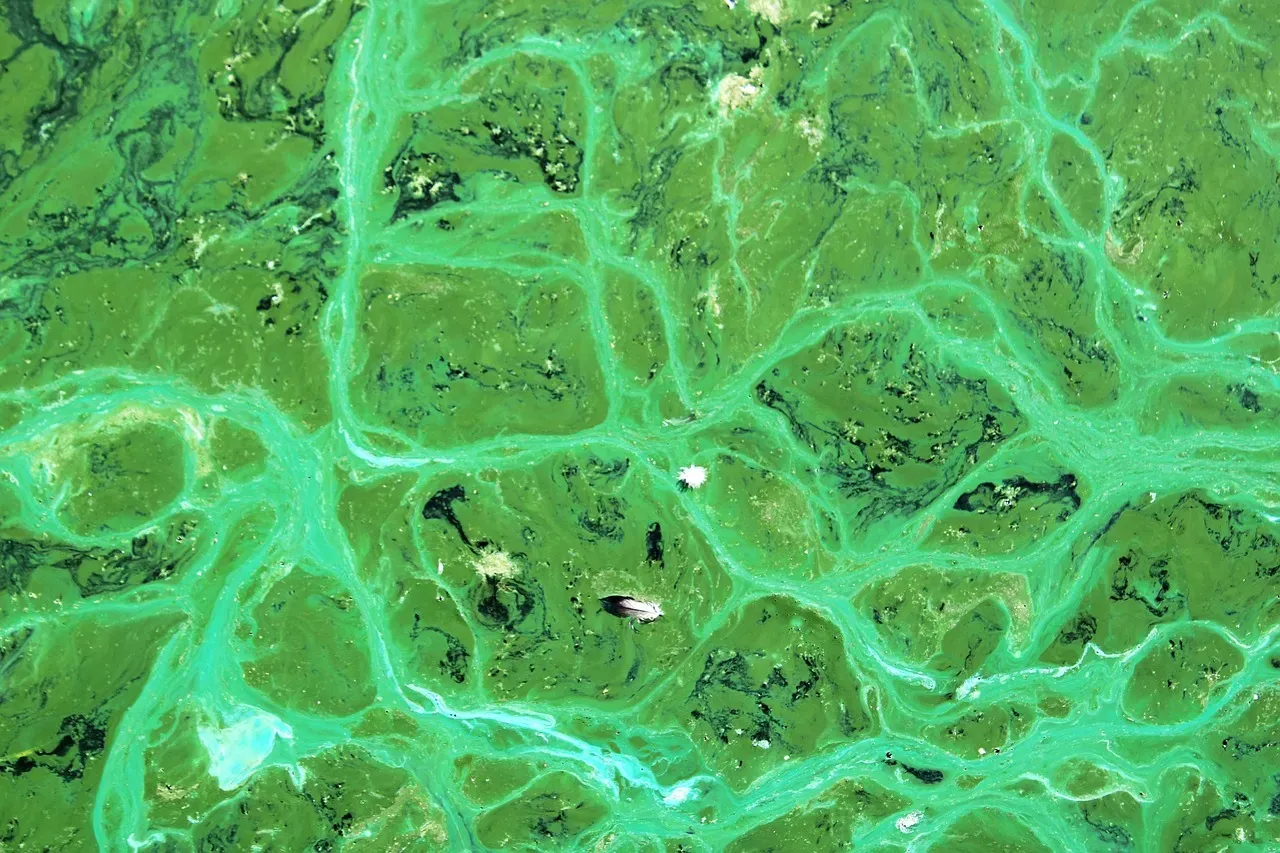
If any microbe deserves the title of world-changer, it’s cyanobacteria. Around two point seven billion years ago, cyanobacteria evolved with the remarkable ability to perform photosynthesis by utilizing water as a fuel source through oxidation. This might sound technical, but the implications were staggering. For the first time, organisms were producing oxygen as a waste product.
It was bacteria by the trillions that engineered the planet for our use, taking in carbon dioxide and giving off oxygen day in and day out for billions of years until there was enough oxygen in the atmosphere to support larger life. The transformation wasn’t instant. The Great Oxidation Event occurred sometime between roughly two point four and two point one billion years ago.
Since life was totally anaerobic when cyanobacteria evolved, oxygen acted as a poison and wiped out much of anaerobic life, creating an extinction event. Honestly, it’s hard to imagine. The very substance we depend on for survival was once a toxic pollutant that caused mass death. The survivors had to adapt or perish.
Building Blocks of Biodiversity in Harsh Conditions
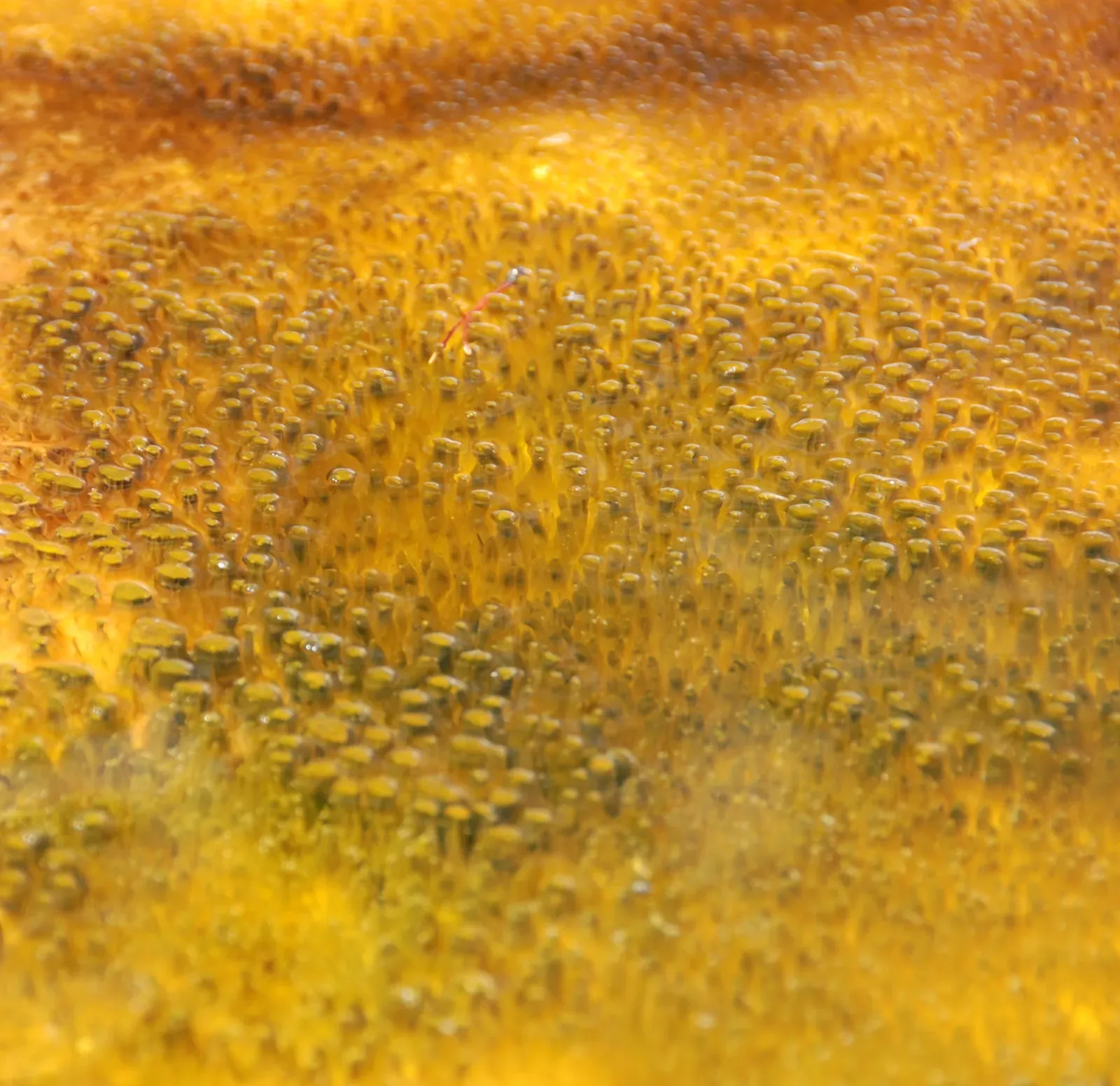
Ancient microbial communities didn’t just exist in prehistoric ecosystems. They created unique microenvironments that fostered early biodiversity. These microbial communities helped shape Earth’s atmosphere and chemical cycles while providing habitats for other microorganisms, creating unique microenvironments with varying light, oxygen, and nutrient gradients that fostered biodiversity in otherwise harsh and nutrient-poor conditions.
Picture layers upon layers of different bacterial species, each occupying its own ecological niche within structures just centimeters thick. Some metabolized sulfur, others processed iron, and still others captured sunlight. As microbes process elements, they cause isotopic changes that scientists can spot in the rock record, while also helping to control how these elements are deposited and cycled in the environment at both local and global scales.
These weren’t random assemblages. They were sophisticated biological systems where waste products from one species became food for another, creating intricate recycling loops that would become the blueprint for all future ecosystems.
Extremophiles: Survivors from the Beginning
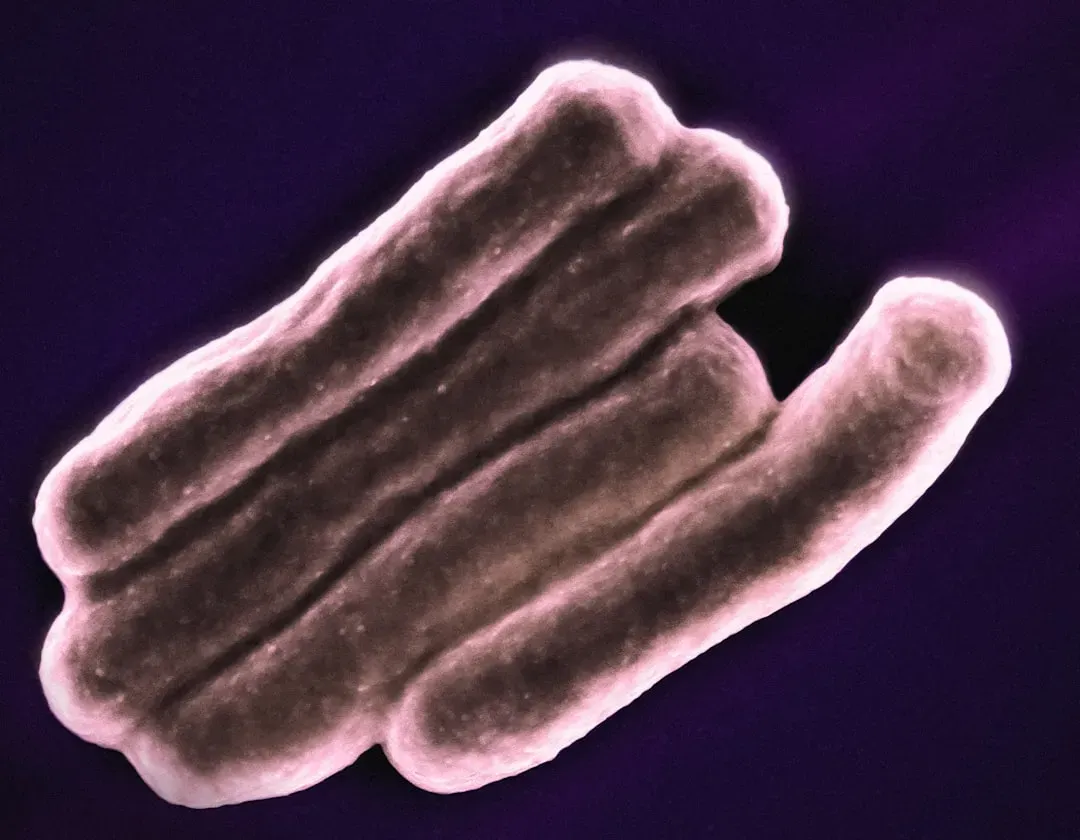
Early Earth’s atmosphere lacked oxygen, and an ozone layer did not protect the planet from harmful radiation, with heavy rains, lightning, and volcanic activity being common, yet the earliest cells originated in this extreme environment, and extremophile archaea still thrive in extreme habitats. These organisms weren’t merely surviving. They were perfectly adapted to conditions we’d consider utterly inhospitable.
Scientists have been intrigued by organisms that inhabit extreme environments, known as extremophiles, which thrive in habitats that are intolerably hostile or lethal for other terrestrial life-forms, including extreme hot niches, ice, salt solutions, acid and alkaline conditions, toxic waste, organic solvents, and heavy metals. Some of these hardy microbes are likely similar to Earth’s very first inhabitants.
What makes extremophiles so valuable for understanding prehistoric ecosystems is that they represent living windows into the past. The earliest life on Earth was probably fueled by processes similar to those used by extremophiles today. Studying them helps scientists reconstruct what those ancient environments were actually like.
Chemical Fingerprints of Ancient Metabolisms
Since bacteria don’t leave behind bones or shells like larger organisms, scientists must become detectives, reading clues written in chemistry. Astrobiologists look for isotopic fingerprints in rocks that identify the metabolisms of ancient communities, and as microbes process elements involved in metabolism, they cause isotopic changes that scientists can spot in the rock record.
Isotopic and chemical signatures such as carbon and sulfur fractionation support biological origins and reveal ancient metabolisms like methanogenesis and iron cycling. Each chemical signature tells part of the story. Carbon isotopes reveal photosynthetic activity. Sulfur isotopes indicate bacterial sulfate reduction. Iron deposits suggest the presence of iron-metabolizing microbes.
It’s like reading an ancient language where every element ratio is a word and every rock layer is a sentence describing what life was doing billions of years ago. The remarkable thing is how much information is preserved if you know where and how to look.
Rewriting the Timeline of Complexity
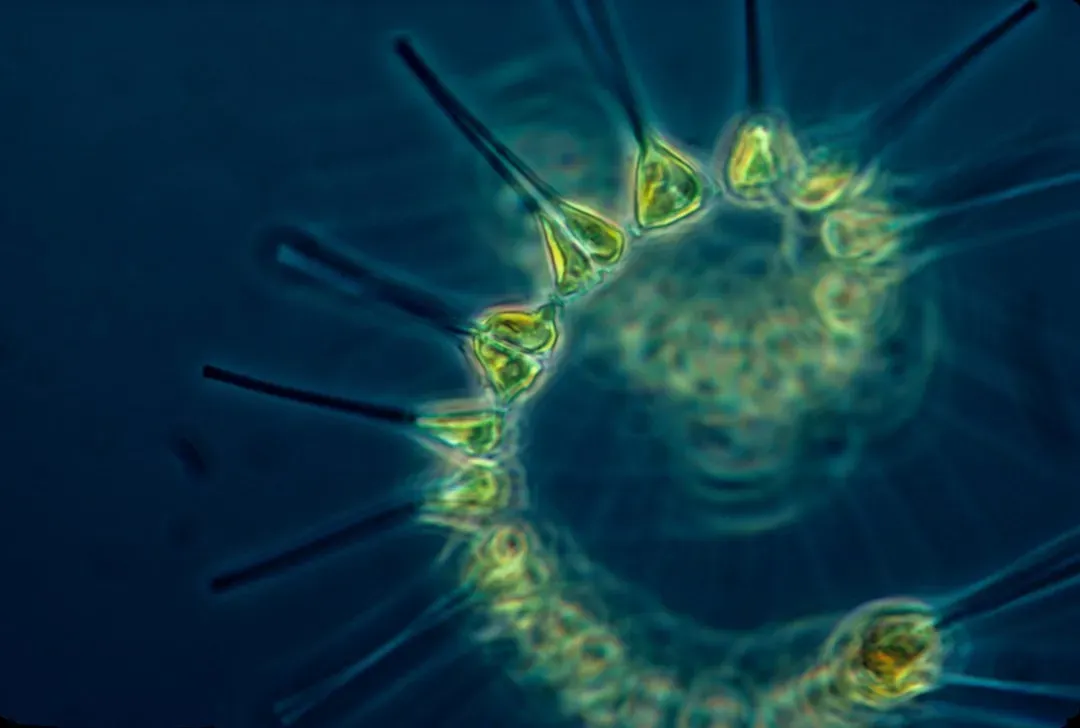
Recent research is pushing back the timeline for when complex microbial behaviors emerged. Cyanobacteria developed multicellularity around one billion years earlier than eukaryotes, and at almost the same time as multicellular cyanobacteria appeared, oxygenation began in oceans and Earth’s atmosphere. This isn’t just a minor detail. It fundamentally changes our understanding of evolutionary innovation.
The evolution of multicellular forms coincides with the onset of the Great Oxidation Event and an increase in diversification rates, suggesting that multicellularity could have played a key role in triggering cyanobacterial evolution around this time. In other words, these microbes didn’t just passively respond to environmental change. Their own evolutionary innovations drove planetary transformation.
Chemical and fossil clues show not only that life emerged early in Earth’s history, but also that it rapidly diversified to exploit a range of energy sources in a changing environment. The speed at which this happened is genuinely surprising. Life wasn’t tentatively experimenting. It was aggressively colonizing every available niche.
Conclusion: The Microbial Foundation of Everything
The history of life on Earth is largely microbial, with bacteria and other single-celled organisms being the only life for vast stretches of time, while the age of dinosaurs to the present day represents roughly just five percent of the history of life. This perspective shift is crucial. We tend to think of evolution in terms of animals and plants, but the real action happened long before in microscopic communities that built the very foundation upon which all subsequent life depends.
Stromatolites are among the oldest evidence of life on Earth, predating multicellular organisms by billions of years, with their fossilized remains providing direct evidence of ancient microbial life and clues about environmental conditions and evolutionary processes that shaped early Earth. Every breath you take, every ecosystem you observe, every complex organism that exists owes its existence to those ancient microscopic engineers.
The next time you look at rocks or think about prehistoric life, remember this: the most important chapters of Earth’s story were written by creatures too small to see, working in communities that transformed an entire planet. What do you think about these invisible architects that made our world habitable? The implications for understanding not just our past but potentially life on other worlds are truly profound.