University Park, Pennsylvania — A groundbreaking virtual reality program now enables users worldwide to simulate the thrill of capturing songbirds and dissecting their genetic secrets right from a headset.
A Gamer’s Insight Sparks Innovation
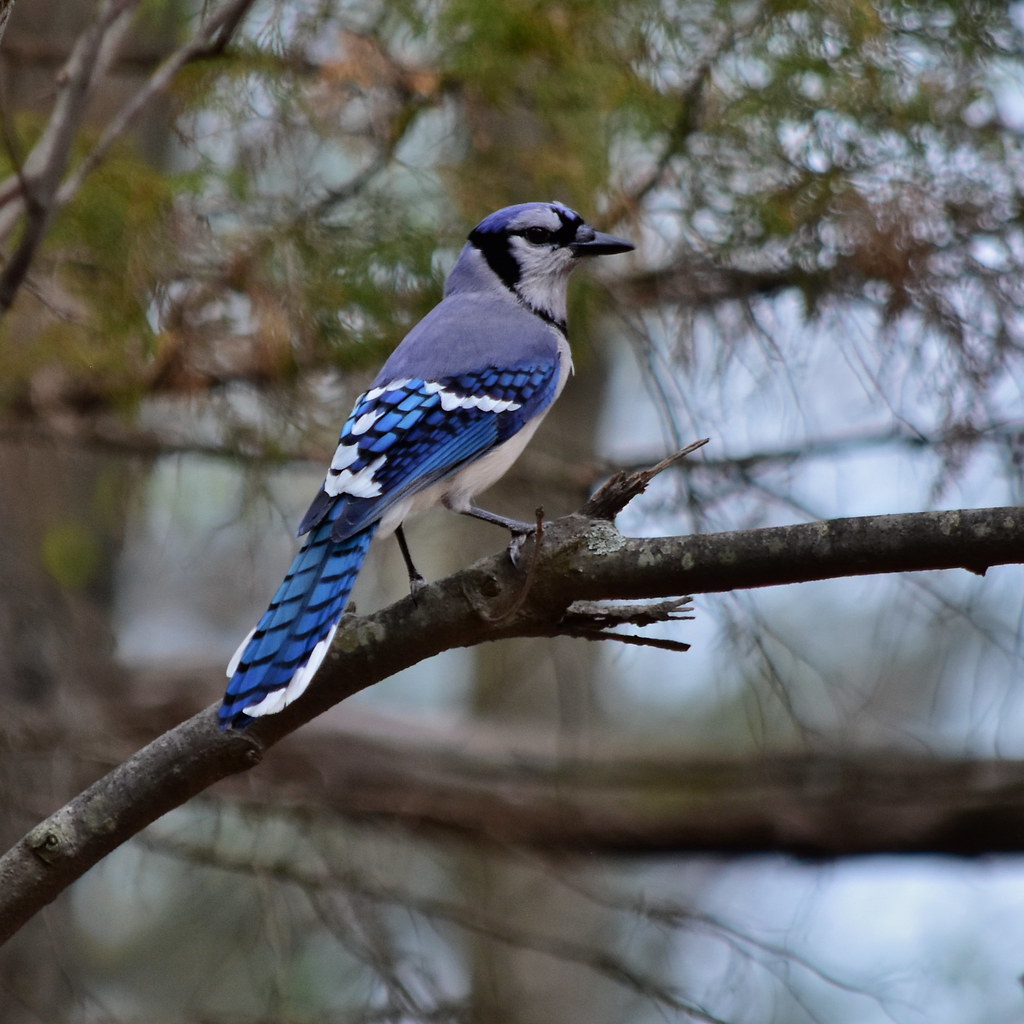
A Gamer’s Insight Sparks Innovation (Image Credits: Flickr)
David Toews, an associate professor of biology at Pennsylvania State University, drew inspiration from detailed wildlife depictions in video games to create VRmivora.
The project began when undergraduate Lisa Wang, a pre-med student passionate about birds and 3D modeling, suggested collaborating with Penn State’s Center for Immersive Experiences. Toews incorporated the idea into a successful National Science Foundation CAREER Award proposal. Development spanned a year and a half, blending 360-degree field footage captured with a GoPro and custom 3D bird models.
Wang crafted the initial bird model, leveraging her animation skills from high school. Programmers and modelers at the center then refined the interactive elements. The result stands available for free download on SideQuest, a VR platform.
From Forest Nets to Lab Benches
Users don a headset and step into a springtime field alive with bird calls. A golden-winged warbler or blue-winged warbler flies into a virtual mist net, mimicking real banding sessions. Participants grasp the bird gently, apply a band to its leg, and collect fecal samples for diet analysis.
Unlike actual fieldwork, VRmivora allows rotation of the bird for close inspection of plumage and features, impossible without risking harm in the field. The experience transitions to a virtual lab, where users extract DNA and process genetic material to study hybridization between the warbler species. Toews’ research examines how these birds interbreed, influencing color patterns and survival traits.
A 360-degree video segment shows Toews’ team in action, setting nets and handling birds during a real morning session. This blend of footage and models creates an authentic yet safe simulation.
Democratizing Access to Field Science
Fieldwork with migratory warblers occurs in Pennsylvania’s late spring, clashing with student exam schedules and campus departures. Early mornings, insects, and remote locations deter participation. VRmivora addresses these hurdles by offering anytime access to the process.
Toews integrates the program into his Molecular Ecology course, where students explore evolution via genetics. “It fills a gap for one part of the scientific process that isn’t always accessible,” he noted. Wang added that the tool makes abstract computational work tangible.
- Interact with perched warblers, hear their songs, and compare to a virtual field guide.
- Practice sample collection without real-world risks or ethical concerns.
- Simulate genetic analysis steps, from extraction to hybridization studies.
- Experience hybrids’ unique color mixes, tying to dietary and genetic research.
- View birds from unprecedented angles for detailed morphological study.
Expansion on the Horizon
Penn State plans to deploy VRmivora at DNA Day events, where graduate students visit high schools to demystify genetics. Toews envisions version 2.0 with enhanced 360-video direction to highlight key actions, like birds entering nets.
Future iterations may feature full 3D interactivity for manipulating birds. Toews also eyes broader applications, such as immersive captures of Galapagos finches or stickleback fish, extending the model to diverse wildlife systems.
“Seeing what is possible with VR will hopefully spark creative juices for others in biology and ecology,” Toews said. The tool supplements, rather than replaces, real fieldwork, broadening reach to those without seasonal access.
Key Takeaways
- VRmivora bridges fieldwork gaps for students, using NSF-funded tech for free global access.
- Focuses on warbler hybridization, blending field banding with lab genetics.
- Inspires outdoor science by simulating bugs, dawn starts, and hands-on handling safely.
This innovation underscores technology’s role in wildlife education, inviting more minds to avian mysteries. What experiences would you virtualize next? Share in the comments.