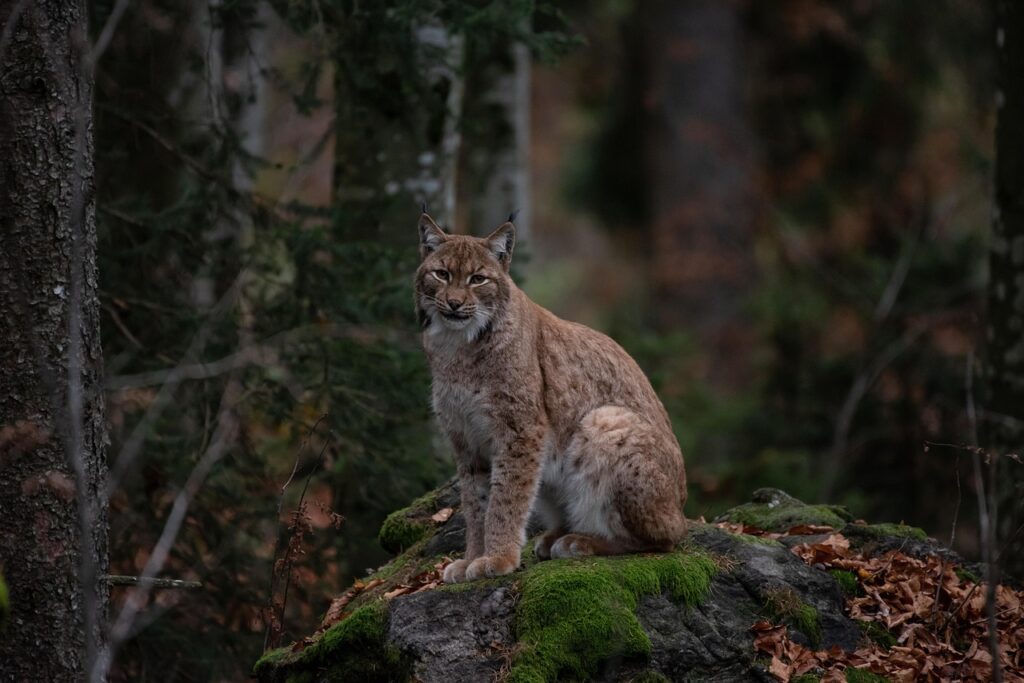
New York – Wild bobcats across the state encountered the highly pathogenic avian influenza H5N1 virus, as revealed by a recent study that documented both past infections and a tragic loss.
Antibodies Signal Widespread Contact
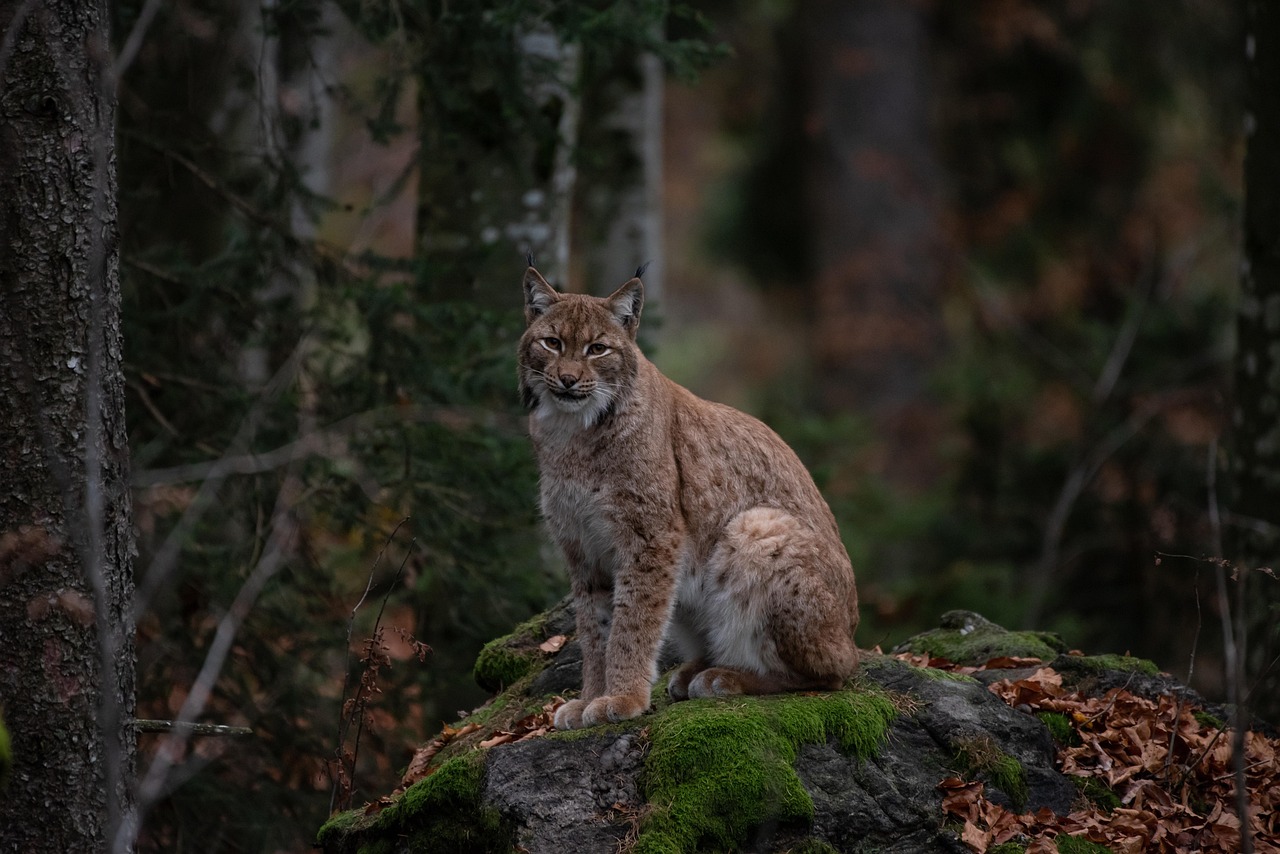
Antibodies Signal Widespread Contact (Image Credits: Pixabay)
Researchers captured 16 bobcats between January and March 2024 to assess their health as part of a broader effort to track population numbers. They drew blood samples and fitted the animals with GPS collars before releasing them back into the wild.
Testing uncovered influenza antibodies in nine of the bobcats, or more than half the group. Four animals carried signs of exposure specifically to the H5N1 strain, while five others showed traces of different influenza varieties. These antibodies indicated that the cats had mounted immune responses to prior encounters with the virus.
Two of the four H5N1-exposed bobcats remained alive months later, confirmed through GPS signals. The collars on the other two ceased transmitting by June 2024, leaving their fates uncertain.
One Bobcat’s Deadly Turn
A particularly alarming outcome emerged five weeks after one bobcat’s release. This individual tested negative for the virus and lacked antibodies at capture, yet it succumbed to H5N1. The GPS mortality alert prompted researchers to recover the carcass from a remote wetland.
Postmortem exams at Cornell’s Animal Health Diagnostic Center and the University of Georgia pinpointed the cause. Pathologists observed inflammation in the brain linked to the virus. Advanced staining confirmed avian influenza antigens in those tissues, establishing H5N1 as the definitive killer.
“Our pathologist identified viral-associated inflammation in the brain,” noted Jennifer Bloodgood, a wildlife veterinarian at Cornell University. “Now we’re able to say that these areas of encephalitis or inflammation were associated with the virus.”
Carnivores on the Front Lines
Bobcats likely contract the virus by scavenging infected bird carcasses or preying on sick waterfowl. This behavior places carnivores at high risk, as the order Carnivora boasts the most mammal species affected by H5N1 to date.
Reports of bird flu in bobcats extend beyond New York. Officials documented cases or strains in California, Colorado, Vermont, Washington, and Wisconsin.
- California: First wild mammal death from Eurasian H5N1 in 2023.
- Vermont: Positive tests in dead bobcats and hawks in 2024.
- Other states: Antibodies or infections noted in recent surveillance.
Such patterns underscore the virus’s reach into North American wildlife.
Unanswered Questions and Monitoring Needs
Experts puzzle over survival differences. Antibodies reflect only those bobcats healthy enough for capture, missing animals that perished swiftly or avoided traps due to illness. Haley Turner, lead author of the study, emphasized this limitation: “Detecting antibodies only tells us about individuals that survived long enough to be sampled.”
The findings appeared in the Journal of Wildlife Diseases. They highlight bobcats’ recovering status in New York, where past declines make disease threats especially concerning.
Key Takeaways
- More than half of sampled bobcats showed influenza antibodies; 25% specifically to H5N1.
- One confirmed H5N1 death marked New York’s first in a wild bobcat.
- Proactive surveillance detects threats before they decimate populations.
As H5N1 persists in birds, mammals, and even humans, vigilant monitoring protects vulnerable species like bobcats from unseen declines. What steps should wildlife agencies take next? Tell us in the comments.