
Okavango Delta, Botswana – Researchers captured a rare moment when hyper-carnivorous African wild dogs turned to fruit, marking the first documented instance of such behavior in the region.
A Groundbreaking Observation Emerges
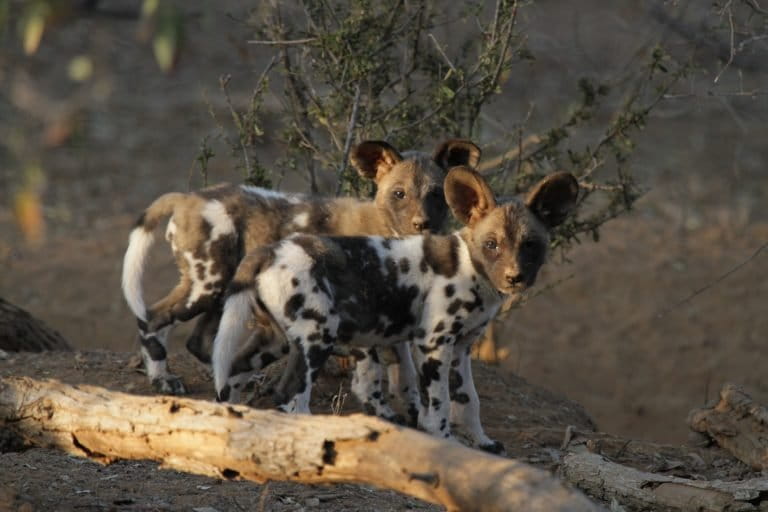
A Groundbreaking Observation Emerges (Image Credits: Imgs.mongabay.com)
From July to August 2022, a team led by Megan Claase watched all 11 adult members of a wild dog pack consume jackalberries daily. These berries come from the African ebony tree, known scientifically as Diospyros mespiliformis. The dogs picked up the fruit with their teeth and swallowed it almost whole, despite teeth designed for tearing flesh and crushing bone.
Claase, then with Wild Entrust’s Botswana Predator Conservation program, dubbed the group the “jackalberry pack.” A safari guide named Duncan Rowles had spotted a neighboring pack doing the same a year earlier. This fruit typically attracts jackals, which gave it its name, but wild dogs had never been recorded partaking before.
Decoding the Fruit-Eating Motivations
Much of the activity happened near the pack’s den right before hunts began. Claase hypothesized that the dogs fueled up for the energy-intensive pursuits ahead. Older subdominant individuals, lower in the hierarchy with limited meat access, ate berries throughout the day to bolster their nutrition.
Wild dogs cooperate closely in raising young. Adults regurgitate food for pups in the den, which could introduce them to jackalberries. Such sharing might embed the habit within the pack structure.
- All 11 adults participated daily during the observation period.
- Fruit consumption peaked pre-hunt near the den site.
- Subadults supplemented diets amid hierarchy constraints.
- Pups potentially accessed berries via regurgitation.
- Neighboring pack showed similar behavior a year prior.
Could This Habit Spread Farther?
Shortly after the study, three female members from the jackalberry pack dispersed south toward Moremi Game Reserve. Claase, now a conservation manager for African Parks in South Sudan, pondered if they carried the frugivory tendency with them. “It’s not impossible to think that a dog who learned [frugivory] in one pack disperses to form a new pack in a new area and takes that [habit] with them,” she noted.
Botilo Tshimologo, an ecologist who studied wild dogs in the same Okavango area over a decade ago, called the record “intriguing.” He had never witnessed it during his fieldwork, including in Kgalagadi Transfrontier Park’s Mabuasehube sector. The findings appeared in the journal Canid Biology & Conservation.
Hope Amid Endangered Status
African wild dogs number around 6,600 adults continent-wide and face threats from habitat loss and climate change. Their hyper-carnivorous classification had painted them as inflexible eaters. Yet this adaptability offers encouragement.
Claase reflected on broader implications: “Some things are not very adaptable, and then they go extinct, but maybe for the dogs, they have that certain level of adaptability in them.” Observations like these highlight resilience in vulnerable species.
Key Takeaways
- First verified frugivory in African wild dogs, limited to Okavango Delta so far.
- Daily jackalberry intake by entire adult pack suggests purposeful supplementation.
- Dispersing females may propagate the behavior to new territories.
This rare glimpse into dietary flexibility underscores the wild dogs’ potential to navigate environmental pressures. Conservationists now eye whether such innovations persist. What do you think this means for the species’ future? Tell us in the comments.