
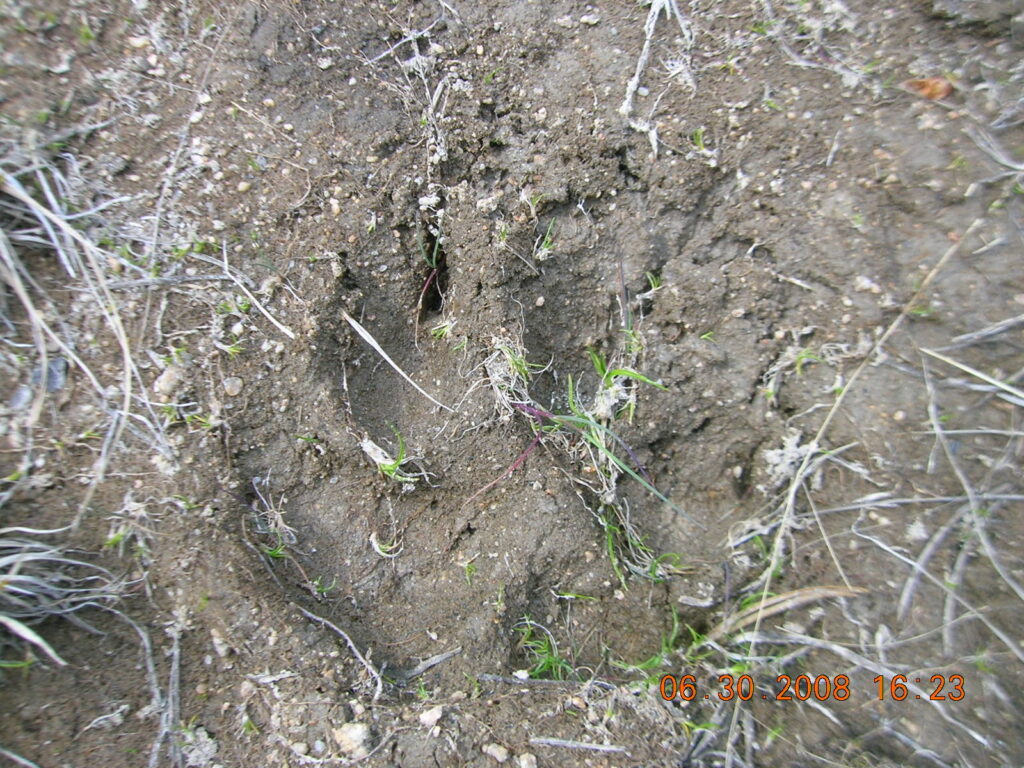
Gir National Park, Gujarat – Forest trackers navigate the dense woodlands and scrublands each day, deciphering subtle signs left by Asiatic lions to prevent deadly encounters between the big cats and nearby villagers.
Risks on the Front Lines
Risks on the Front Lines (Image Credits: Upload.wikimedia.org)
Forest trackers in Gir confronted profound dangers recently when one of their own lost his life in the line of duty. Ashraf Ali Chauhan, a four-year veteran from Visavadar in Junagadh district, suffered a fatal accident on January 4. While assisting in the rescue of a distressed lioness, he was pierced by a tranquilizing dart, marking the first such incident in Gir’s history.
Colleagues rallied to support Chauhan’s wife, daughter, and parents amid the tragedy. The Gujarat Forest Department launched an inquiry into the mishap. Such events underscored the hazardous nature of the job, where trackers patrolled amid leopards and aggressive lions. Yet, these local residents pressed on, driven by a commitment to wildlife and human safety alike.
A Day in the Tracks
Trackers began their shifts at 5 a.m., assembling in groups of six on motorbikes, two riders per vehicle. They covered 10 to 15 kilometers across assigned sectors, using binoculars and walkie-talkies to coordinate. Motorcycles often gave way to foot patrols to avoid startling the animals with engine noise.
From noon until 3 p.m., they rested before resuming until 7 p.m. Deployment intensified near high-risk zones like railway tracks and farms. Their vigilance extended beyond lions to all wildlife, spotting threats such as poaching attempts through minute changes in the landscape.
Mastering the Art of Lion Tracking
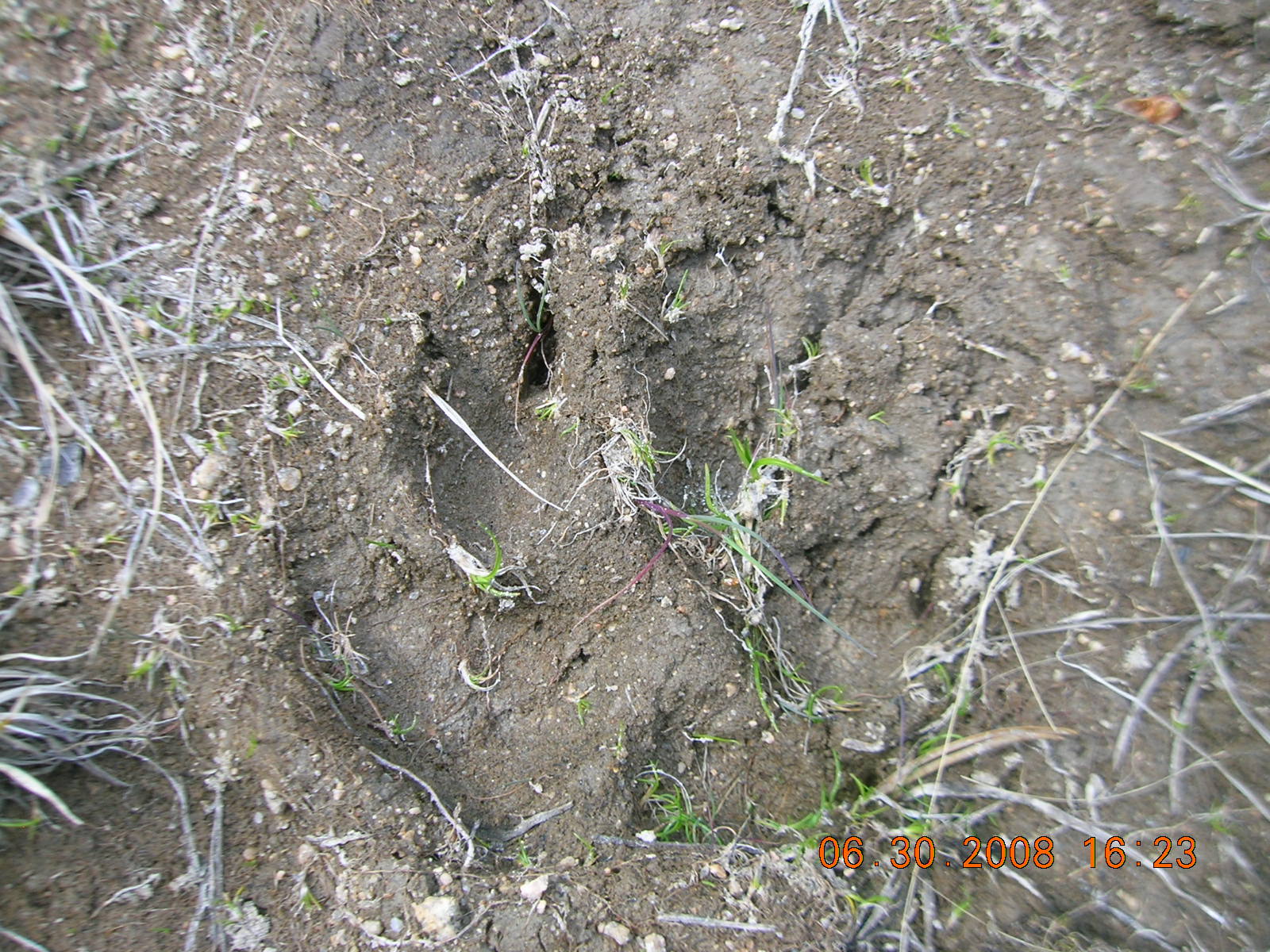
Hired on 11-month contracts by the Gujarat Lion Conservation Society, candidates underwent rigorous interviews assessing their wildlife knowledge, fitness, and experience. The Forest Department provided training on lion behavior, including how to interpret signs like parted dry grass indicating recent passage or fresh scat signaling a recent meal.
Trackers maintained safe distances from potentially aggressive prides and relayed real-time updates via wireless sets. Conservator of Forests Ram Ratan Nala explained, “Their work is to track the lions wherever they go and to report if any one of them is in any trouble. They provide us real-time information on the movements of the lions.”
- Identify limping or injured animals from afar.
- Redirect lions away from villages, crops, and rail lines.
- Monitor for infighting injuries or illness.
- Assist in rescues involving lions or leopards.
- Detect poacher movements through landscape anomalies.
Boosting Conservation Through Constant Vigil
Principal Chief Conservator of Forests Jaipal Singh highlighted their indispensable role: “It is through trackers that we come to know if a lion is ill or has sustained an injury in infighting. Every lion is being visually tracked and monitored.” Their efforts contributed to a remarkable rise in the lion population, from 674 in 2020 to 891 according to the 2025 census.
Spanning 35,000 square kilometers, the Asiatic lion’s territory demanded such dedicated monitoring. Devvratsinh Mori, a member of the Gujarat State Board for Wildlife, noted, “It is because of trackers that almost every lion in the Gir landscape is under the Forest Department’s constant monitoring, which helps greatly in their conservation.” Salaries ranged from Rs 15,000 for newcomers to Rs 25,000 for seasoned hands, reflecting experience levels.
Key Takeaways
- Nearly 200 trackers form the backbone of lion protection in Gir.
- Daily patrols avert human-animal conflicts and safeguard vulnerable wildlife.
- Despite modest pay and high risks, their work drives population growth.
These trackers embodied quiet heroism, balancing passion with peril to foster coexistence in Gir’s wild expanses. Their story prompts reflection on the human cost of conservation triumphs. What measures could better support such vital frontline workers? Share your thoughts in the comments.