

Think about the last time life knocked you down. Maybe it was a devastating loss, a crushing failure, or an unexpected blow that made you question everything. Now imagine bouncing back from that, not once, but repeatedly throughout your life. Throughout history, remarkable individuals have done exactly that. They’ve faced impossible odds and emerged stronger, wiser, and more determined than before.
What separates these people from those who crumble under pressure? It’s not luck or privilege. The answer lies in specific habits they cultivated, often without even realizing it. These patterns of thinking and behaving became their secret weapons against adversity. Let’s explore what made history’s most resilient figures truly unstoppable.
They Embraced Failure as a Teacher
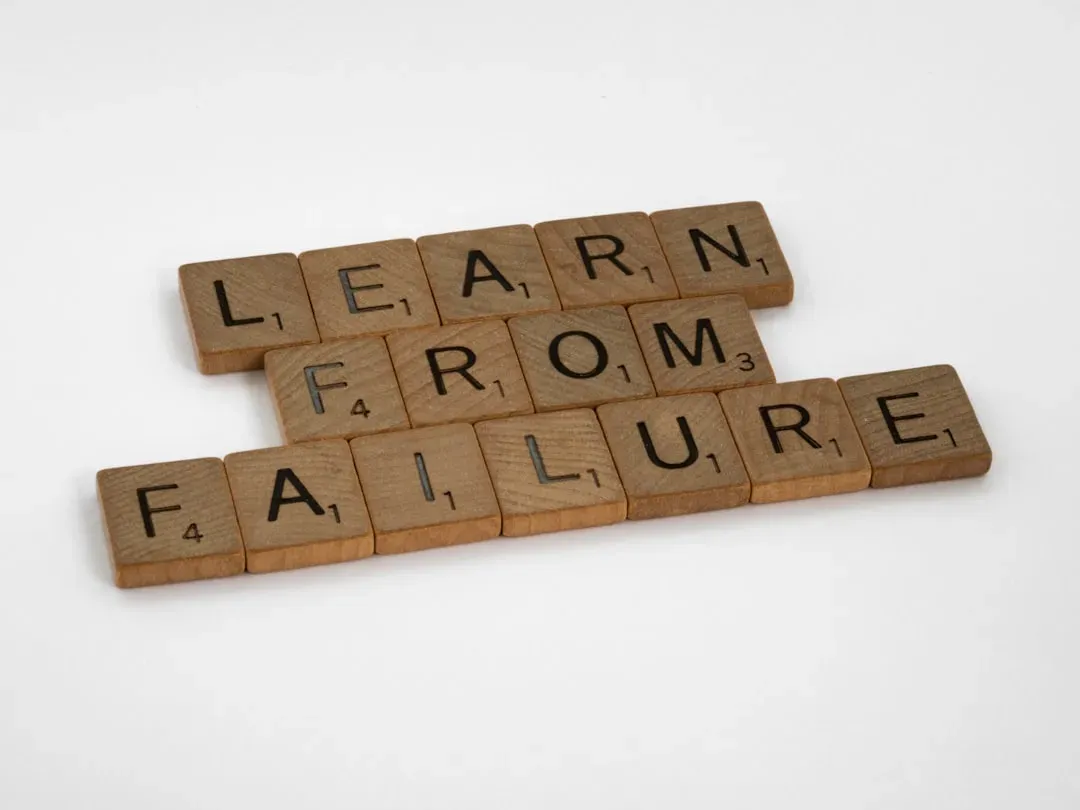
Thomas Edison failed more than a thousand times before perfecting his inventions, continuing on despite media ridicule and skepticism from those around him. Here’s the thing though: he didn’t see those attempts as failures at all. He famously reframed each unsuccessful experiment as discovering another way that didn’t work.
Resilient people accept failure as an essential stepping stone to success and give themselves permission to make mistakes. Abraham Lincoln was defeated in numerous runs for public office and watched multiple business ventures collapse before becoming one of the greatest leaders of the United States. Instead of wallowing in disappointment, these historical figures extracted lessons from every setback. They understood something crucial: failure isn’t the opposite of success. It’s part of the journey toward it.
They Maintained Unwavering Purpose

Nelson Mandela was jailed for twenty-seven years, enduring hard labor, isolation, and relentless attempts to break his will. Yet he never lost sight of his mission. Every morning Mandela woke at five and exercised for an hour, then studied law in the evening, unleashing his anger and frustration on a punchbag instead of striking guards.
Resilient people are prepared for the long haul, fully realizing that anything worth achieving will be difficult, and their strong sense of the future motivates them to take action even when they see no immediate benefit. When you know exactly what you’re fighting for, temporary defeats become bearable. Your purpose becomes the anchor that keeps you steady when everything else is chaos. It’s hard to say for sure, but this clarity of mission might be the single most powerful resilience factor.
They Built Strong Support Networks
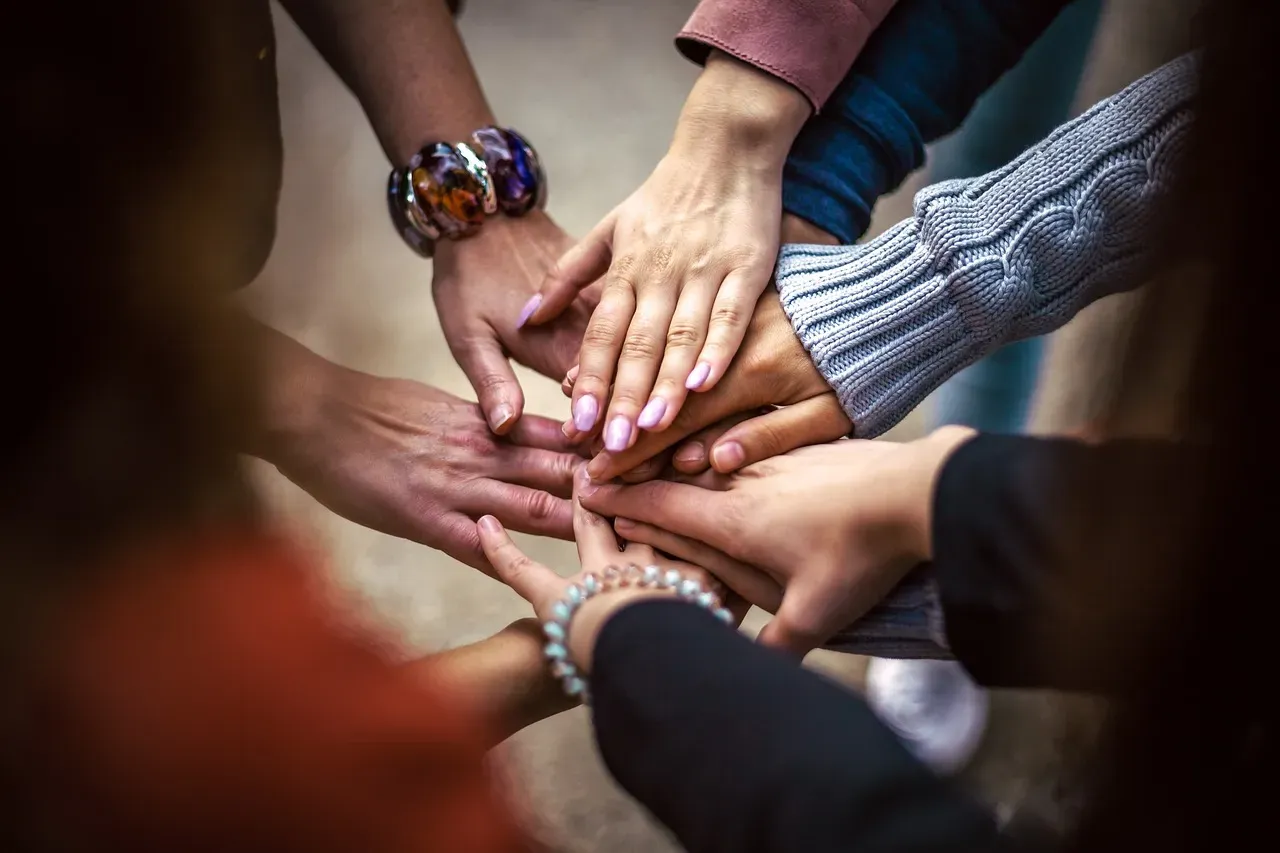
Let’s be real: nobody survives crushing adversity completely alone. Resilient people fight the urge to isolate, and one study found that among assault survivors, social support was one of the most important predictors of recovery. Highly resilient people understand the importance of having supportive relationships, refusing to isolate themselves during hard times and instead reaching out to share their struggles.
Wilma Rudolph’s journey from polio to Olympic glory, Malala Yousafzai’s brave stand against the Taliban, and Harriet Tubman’s fearless pursuit of freedom all involved networks of supporters. These historical figures didn’t view seeking help as weakness. They recognized that connection provides strength, perspective, and resources that no individual possesses alone. The people who surrounded them became part of their resilience arsenal.
They Regulated Their Emotions Strategically

Resilient people are able to control their emotional responses and behaviour, experiencing the same ups and downs as others but functioning well under pressure because they embrace situations and make choices about them. This doesn’t mean suppressing feelings or pretending everything is fine when it’s not.
The gap between trigger and response is where emotion regulation lives, allowing you to pick a response that fits your values instead of your first impulse, and over time this becomes a reflex. Research reveals that positive emotions contributed to participants’ abilities to achieve efficient emotion regulation, demonstrated by accelerated cardiovascular recovery from negative emotional arousal and finding positive meaning in negative circumstances. Historical figures who mastered this skill didn’t deny pain. They processed it without letting it control their actions.
They Practiced Radical Acceptance

Highly resilient people are under no illusion that the world is predictable or within their control, using up less energy trying to plan things they could never predict, and instead allowing things to happen. This might sound passive, but it’s actually incredibly powerful. Think about how much energy you waste fighting reality.
Resilient people accept circumstances in their stride and learn from them, viewing failure as temporary and integral to the longer learning process, more likely to acknowledge what they cannot change. Whether facing political imprisonment, devastating illness, or catastrophic loss, history’s resilient figures distinguished between what they could control and what they couldn’t. They poured their energy into the former while making peace with the latter. It’s a delicate balance, honestly.
They Took Proactive Action

Highly resilient people are proactive in the face of high demand rather than feeling angry or intimidated, and taking control of something helps counter helplessness when things threaten to overwhelm. Paralysis is resilience’s enemy. Even small actions create momentum.
Resilient people look for actions that are so easy they feel almost silly, understanding that these small steps create proof, proof feeds belief, and belief fuels action in a cycle that allows growth under pressure. Henry Ford’s early businesses failed and left him broke five times before he founded the successful Ford Motor Company. Each time, he took another step forward. The resilient don’t wait for perfect conditions. They work with what they have, starting where they are.
They Cultivated Optimism Without Delusion

Optimism has been shown to help blunt the impact of stress on the mind and body after disturbing experiences, giving people access to their cognitive resources and enabling cool-headed analysis. Notice that this isn’t blind positivity. It’s strategic.
Resilient individuals have optimistic, zestful, and energetic approaches to life, are curious and open to new experiences, and proactively cultivate positive emotionality through humor, relaxation techniques, and optimistic thinking. Viktor Frankl had optimism, hope and resilience despite the loss of everything in concentration camps, surviving awful conditions and later becoming a key figure in psychotherapy. They saw possibility where others saw only obstacles, not because they ignored reality, but because they chose to focus on potential solutions.
They Prioritized Physical Wellbeing

Sleep has a huge impact on mental state and coping abilities, and aiming for seven or eight hours results in fewer stress-related physical complaints and lower likelihood of high blood pressure, diabetes, depression, and obesity. Your body and mind aren’t separate systems. They’re deeply interconnected.
Resilient people know they think, behave, and function more effectively when they move their bodies, whether through regular brisk walks, hourly stretches, or fitness classes. A study found that individuals who regularly practiced self-care activities like exercise, mindfulness, and healthy eating showed higher levels of resilience and were better equipped to handle stress. Historical figures who endured extraordinary hardship often maintained rigorous physical routines. These habits weren’t luxuries. They were survival tools that kept their minds sharp and spirits strong.
They Found Meaning in Suffering
Viktor Frankl didn’t promise optimism but pointed instead to something sturdier: meaning. This is perhaps the most profound habit of all. When suffering has purpose, it becomes bearable. When it’s meaningless, it crushes us.
Resilient people have sources of strength like belief in a higher power, a strong sense of purpose, or a great sense of humor that they rely on during difficult situations, seeing their lives beyond everyday routine and strongly feeling the need to follow their own vision. Mandela chose resilience over bitterness, leading the charge to dismantle apartheid peacefully after his release and becoming South Africa’s first Black president in 1994, remaining a global icon for justice. They transformed their pain into purpose, their struggles into stories that inspired millions. That transformation didn’t happen by accident. It was a deliberate choice to extract meaning from even the darkest experiences.
Conclusion

The remarkable thing about these nine habits is that none of them require extraordinary talent or resources. You don’t need to be born with special genes or raised in ideal circumstances. Building resilience is something anyone can do in order to thrive in the face of stress. History’s most resilient figures proved this repeatedly.
They faced poverty, imprisonment, illness, discrimination, and unimaginable loss. Yet they developed habits that allowed them not just to survive, but to transform their suffering into something meaningful. Start with one habit. Practice it until it becomes second nature, then add another. You’re building muscles that will serve you for life. Which of these resilience habits resonates most with you right now? That’s probably where you should begin.