Have you ever wondered what secrets lie beneath your feet? Standing in the middle of a bustling city or hiking through mountain trails, you might never guess that millions of years ago, your hometown could have been underwater. The ground you walk on today might have once been the bottom of a vast, ancient sea teeming with strange creatures.
Our planet has undergone dramatic transformations over geological time. Oceans have come and gone, continents have drifted apart, and mountains have risen where seas once rolled. Still, evidence of these ancient marine worlds persists all around us if you know where to look. The clues are subtle but undeniable once you understand what they mean.
Seashells and Marine Fossils Embedded in Rock
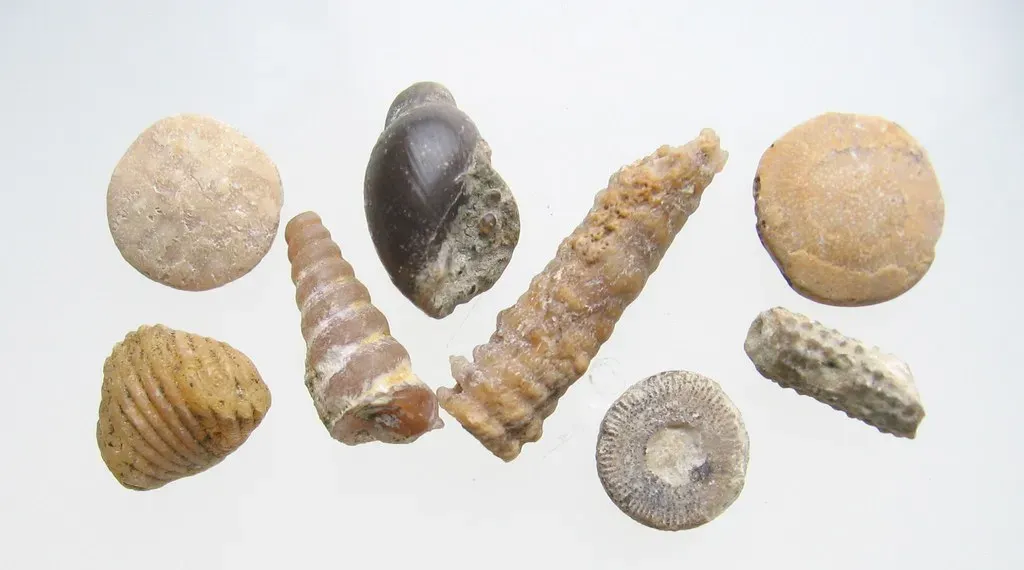
Fossils of sea creatures are found in rock layers on every continent, often high above current sea level. You might stumble across a trilobite fossil during a hike or notice the impression of an ancient clam in a limestone wall. These remnants aren’t just accidents of geology – they’re proof positive that marine life once thrived exactly where you’re standing.
A variety of marine-animal fossils have been found in places like Kansas, including corals, bryozoans, brachiopods, crinoids, clams, snails, squid, and even sharks. Think about that for a moment. Kansas, sitting in the heart of America’s plains, was once a seafloor. Sea creatures in certain regions, such as trilobites, originated up to 350 million years ago when a shallow tropical ocean covered entire areas.
The presence of these fossils tells an incredible story. Each shell, each bone fragment represents an organism that lived and died in saltwater. They weren’t carried there by rivers or floods – they lived right there.
Limestone and Sedimentary Rock Layers
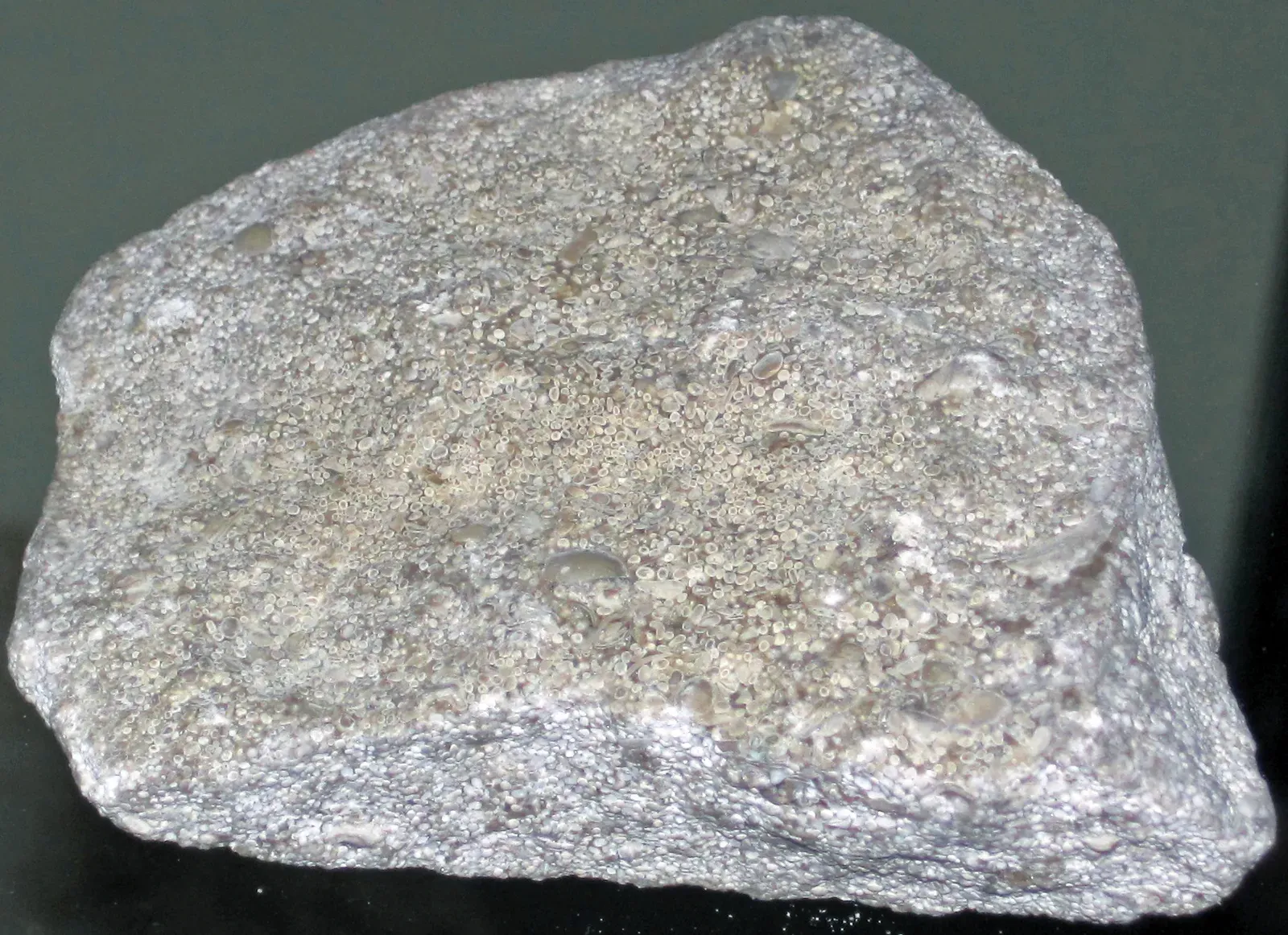
Limestone is one of the most revealing clues that an ancient ocean once existed in your area. This rock often forms readily in shallow, warm, calm waters. When you see thick beds of limestone, you’re looking at the accumulated remains of countless marine organisms whose shells and skeletons piled up on the seafloor over millions of years.
Many limestones are composed almost entirely from shells of marine critters that make their shells out of calcite. These creatures lived, died, and their hard parts slowly cemented together under pressure. The process took eons, but the result is unmistakable.
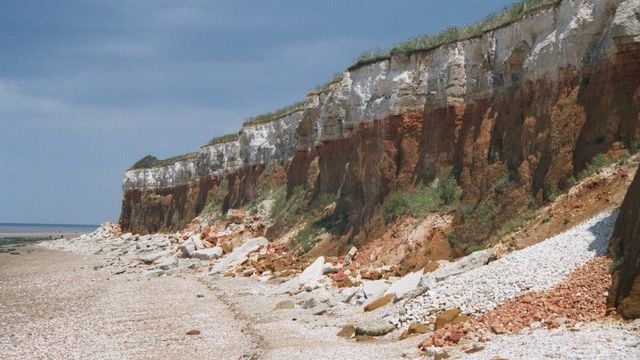
Look around the next time you’re near exposed bedrock. Sedimentary layers – sandstone, shale, mudstone – often indicate marine deposition. A semi-predictable sequence of sediments forms as one travels from the coastline out to the open ocean: sands near shore, silts a bit further out, followed by carbonate rocks, then muds in the deep ocean. If you see this pattern in exposed rock faces, congratulations – you’ve found an ancient shoreline.
Marine Fossils Found at High Elevations
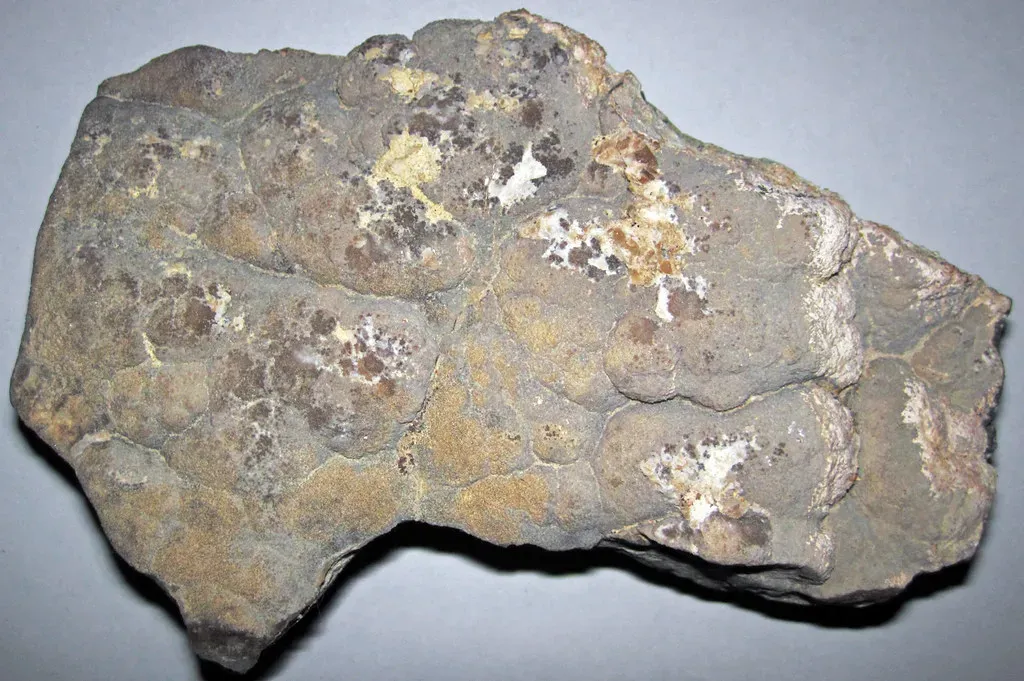
Here’s where things get really fascinating. Marine fossils are found high in the Himalayas, the world’s tallest mountain range, reaching up to 29,029 feet above sea level. How on earth did sea creatures end up on top of mountains? The answer lies in the incredible power of plate tectonics.
The reason marine fossils are now up mountains is due to plate tectonic processes like mountain building, where continents collide together resulting in large scale tectonic forces that uplift the land, pushing rocks upwards to create mountains. What was once flat seafloor became folded, crumpled, and thrust skyward by the collision of continental plates. The collision that formed the Himalayas began approximately 50 million years ago and is an ongoing process, with the mountains still rising today at a measurable rate.
So that fossil you find while climbing in the Rockies or the Alps? It’s not a mystery – it’s geology in action. Mountains are young compared to the ancient seas that preceded them.
Salt Deposits and Evaporite Minerals
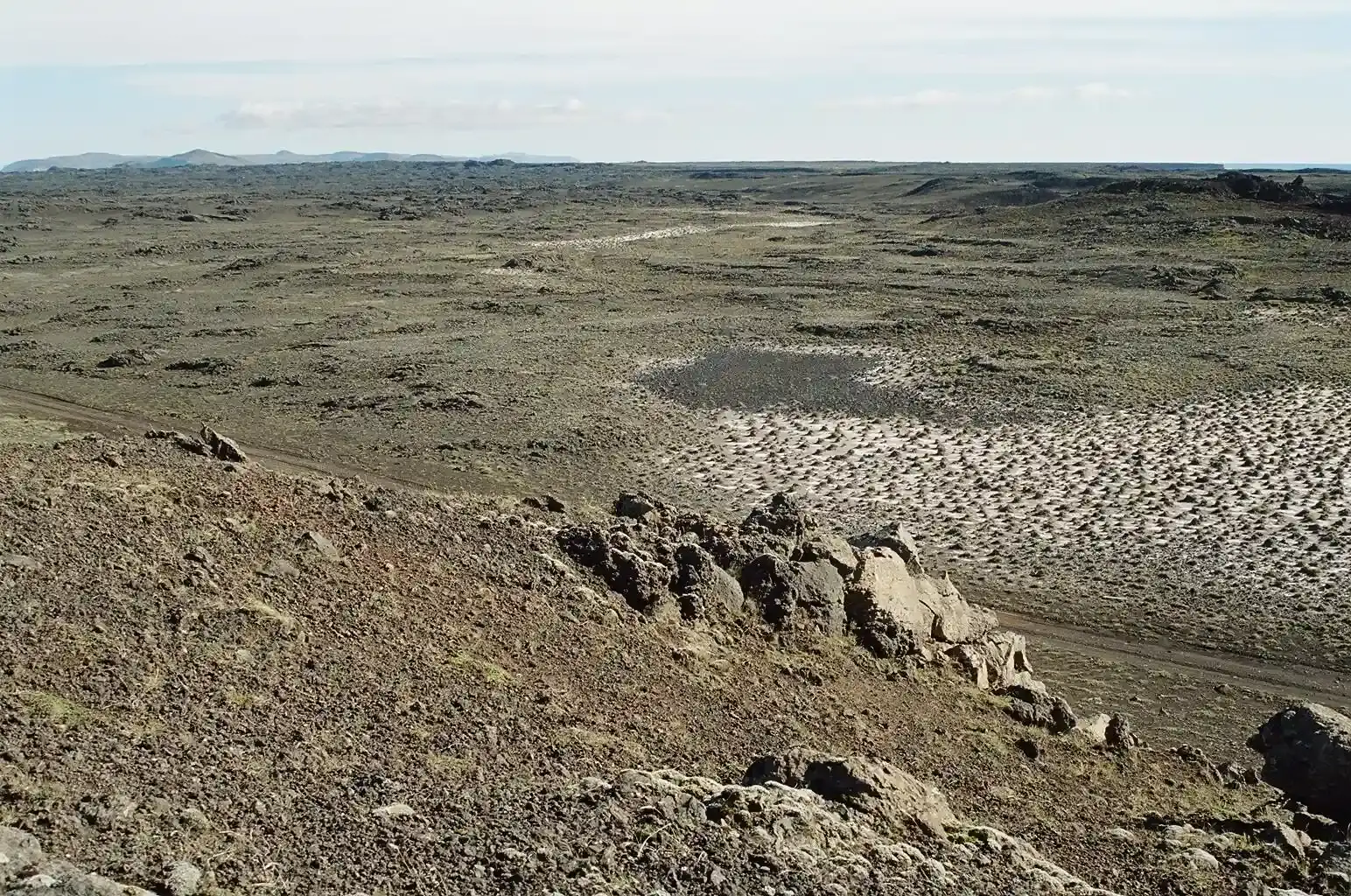
Evaporites are water-soluble sedimentary mineral deposits formed by concentration and crystallization when water evaporates, and there are two types: marine and non-marine. If your region has thick deposits of rock salt, gypsum, or other evaporite minerals, that’s a telltale sign that seawater once sat there, trapped and slowly evaporating under a hot sun.
Halite and gypsum are mined in Michigan and Ontario where the minerals collected when water trapped in an inland basin evaporated 360 to 440 million years ago. These aren’t small deposits either – some salt beds are hundreds of meters thick. The Michigan Basin alone contains one of the world’s largest underground salt mines.
The formation of thick salt deposits in bedrock is attributed to the evaporation of ancient inland seas, which became restricted from open ocean water sources, leading to increased salinity and precipitation of salt and other evaporite minerals. Picture a shallow sea gradually cut off from the ocean, baking under relentless heat until only crystals of salt remain. That’s what happened in many regions across North America and beyond.
Distinctive Sedimentary Sequences Indicating Marine Transgression
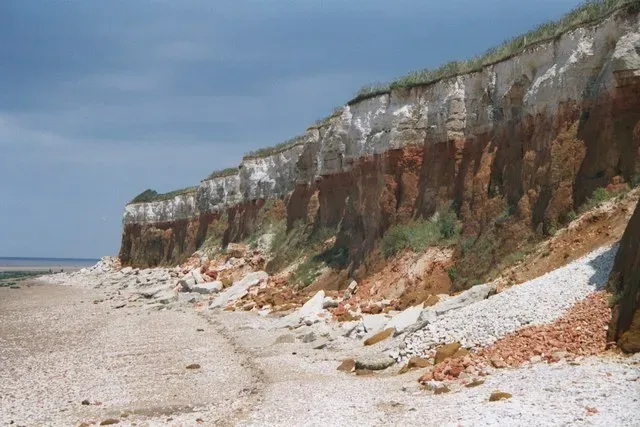
During a marine transgression, sea level rises relative to the land surface, and the shoreline moves inland, so what was once a sandy beach is now covered by silt and perhaps even mud. Geologists can read these sequences like pages in a book. When you see layers of gravel overlain by sand, then silt, and finally mud, you’re witnessing the record of a rising sea.
During periods of rising sea level, called marine transgression, the shoreline moves inland as seawater covers what was originally dry land and creates new offshore depositional environments. These transgressive sequences are found worldwide and represent moments in Earth’s history when oceans expanded over the continents. Perhaps climate warmed, ice sheets melted, or tectonic shifts altered the ocean basins.
The opposite also occurs. Marine regressions happen when seas retreat, leaving behind a reverse pattern of sediments. Together, these sequences paint a dynamic picture of advancing and retreating coastlines over geological time.
Ancient Coral Reefs and Marine Ecosystems Preserved in Stone
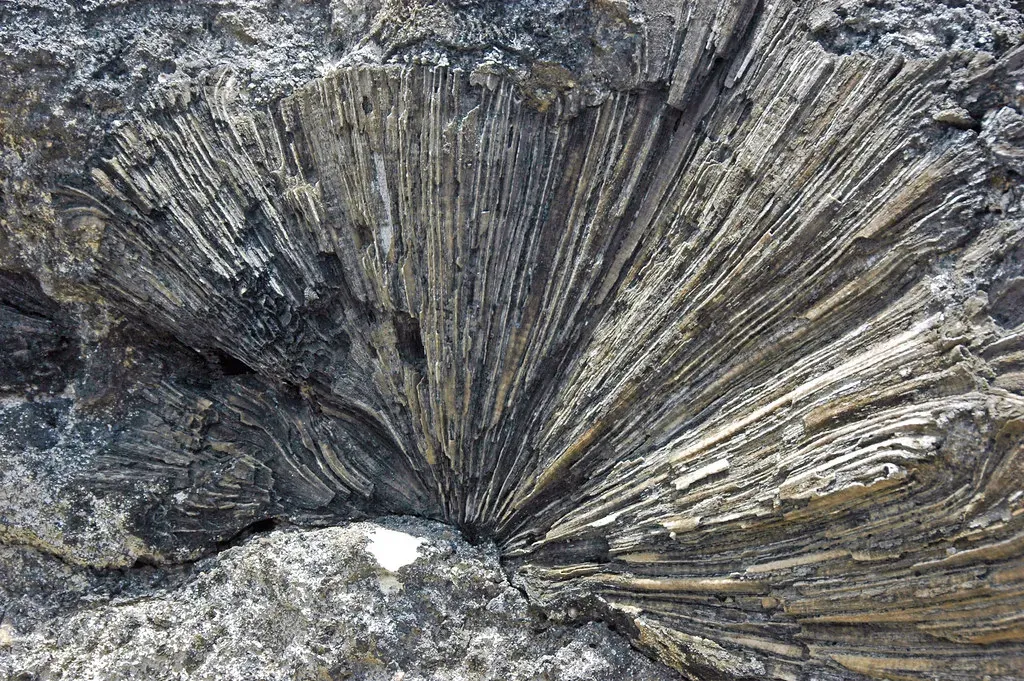
During the Cambrian period, entire regions like Virginia were underwater, and the sediments from that sea are now limestones, shales, and sandstones. Within these rocks, entire reef systems have been preserved. Fossil coral formations, sponge beds, and other reef-building organisms remain as silent witnesses to vanished tropical seas.
Researchers have found marine fossils everywhere – sea urchins, sea cucumbers, gastropods, corals – and the idea that this land was once underwater changes how we see regions. These aren’t scattered individual fossils but entire ecosystems frozen in time. Think about standing where a vibrant coral reef once flourished, waves lapping overhead, colorful fish darting between the polyps.
Reefs require specific conditions: warm, shallow, clear water with plenty of sunlight. When you find fossilized reefs inland, far from any modern ocean, you know with certainty that those conditions once existed right there. It’s one of the most direct pieces of evidence we have.
Sedimentary Rock Composition and Texture
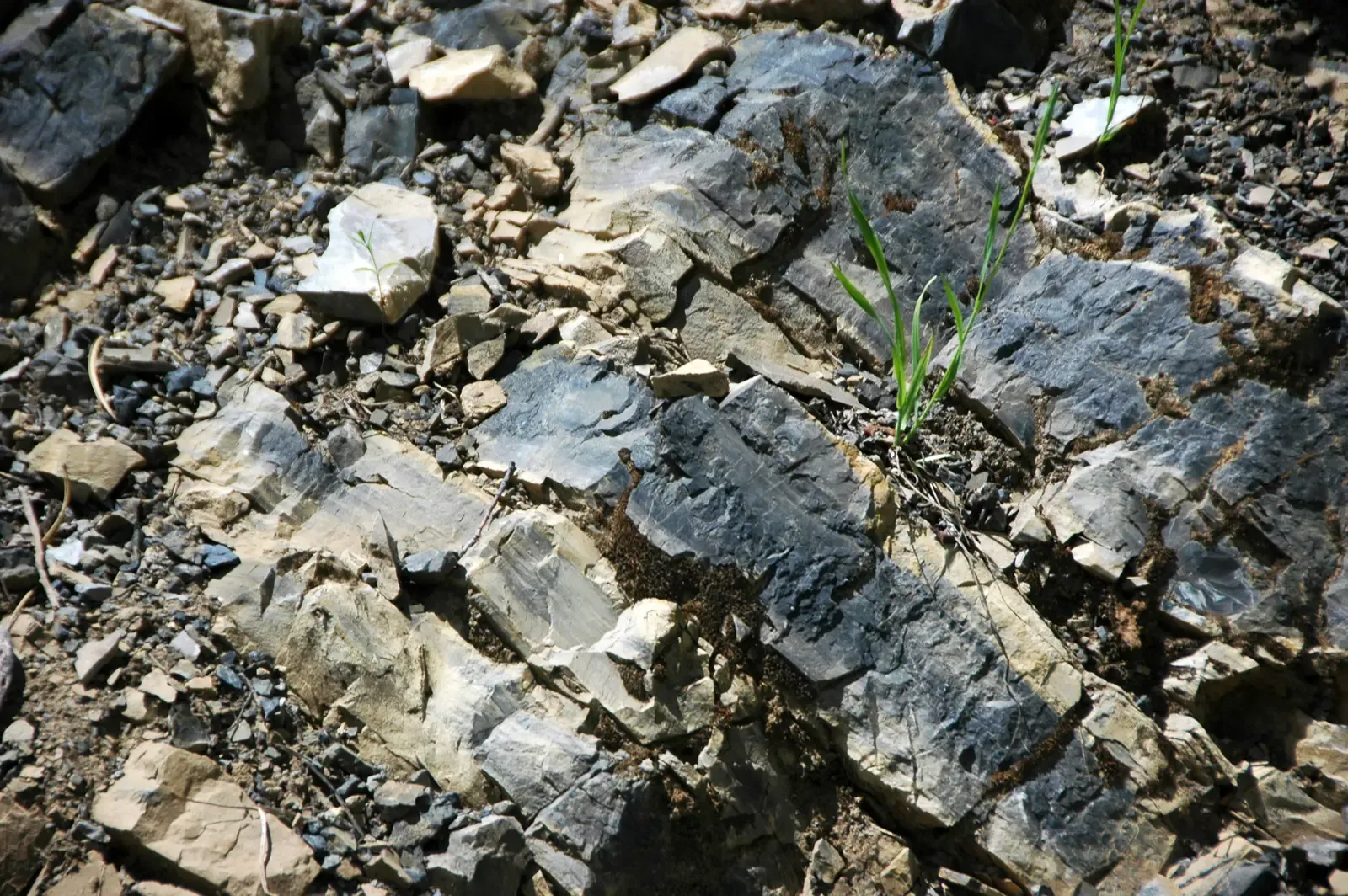
The very texture and composition of rocks can reveal their marine origins. A marine environment means that the rock was formed in a sea or ocean, and often a distinction is made between deep and shallow marine environments. Fine-grained shales suggest quiet, deep water where only the tiniest particles settled. Coarser sandstones indicate nearshore environments where waves and currents were stronger.
Shallow water marine sediment is made up of larger grain sizes because smaller grains have been washed out to deeper water. Geologists use these clues to reconstruct ancient coastlines and ocean depths. Even the color matters – black shales rich in organic matter often form in oxygen-poor marine basins where dead organisms accumulated on the seafloor.
Sedimentary rocks dominate certain basins because the area was covered by the ocean for tens of millions of years. Layer upon layer, year after year, sediments piled up on ancient seafloors. The weight compressed them into stone, preserving not just fossils but also subtle details like ripple marks from ancient currents and mud cracks from tidal flats.
Conclusion
The Earth beneath your feet holds stories written in stone, tales of ancient oceans that stretched across landscapes we now call home. From marine fossils embedded in rock to salt deposits left by evaporating seas, from high-altitude seashells to distinctive sedimentary sequences, the evidence surrounds us. These clues aren’t just for scientists – they’re for anyone curious enough to look closely and ask questions about the deep past.
Understanding these signs transforms how you see the world. That hillside isn’t just dirt and rock – it’s a former seafloor. Those mountains weren’t always there – they rose from ocean sediments pushed skyward by colliding continents. Next time you’re out exploring, keep an eye out for these ancient oceanic clues. What will you discover about the hidden history of your region?