Think you know what Earth looked like before we came along? Let’s be honest, most of us picture a world with dinosaurs and not much else. That’s barely scratching the surface. Long before our ancestors drew their first breath, this planet was already ancient beyond imagination. It had already lived through countless epochs, each more bizarre and alien than anything science fiction could dream up.
What if I told you Earth’s days were once significantly shorter than they are now? Or that the air itself would have been toxic to you in ways you might not expect? The planet beneath your feet has a story that spans billions of years, filled with events so dramatic and transformative that they reshaped everything from the atmosphere to the very length of a single day. So let’s dig in. Prepare to see our home planet through an entirely new lens.
The Earth Formed From a Cosmic Catastrophe
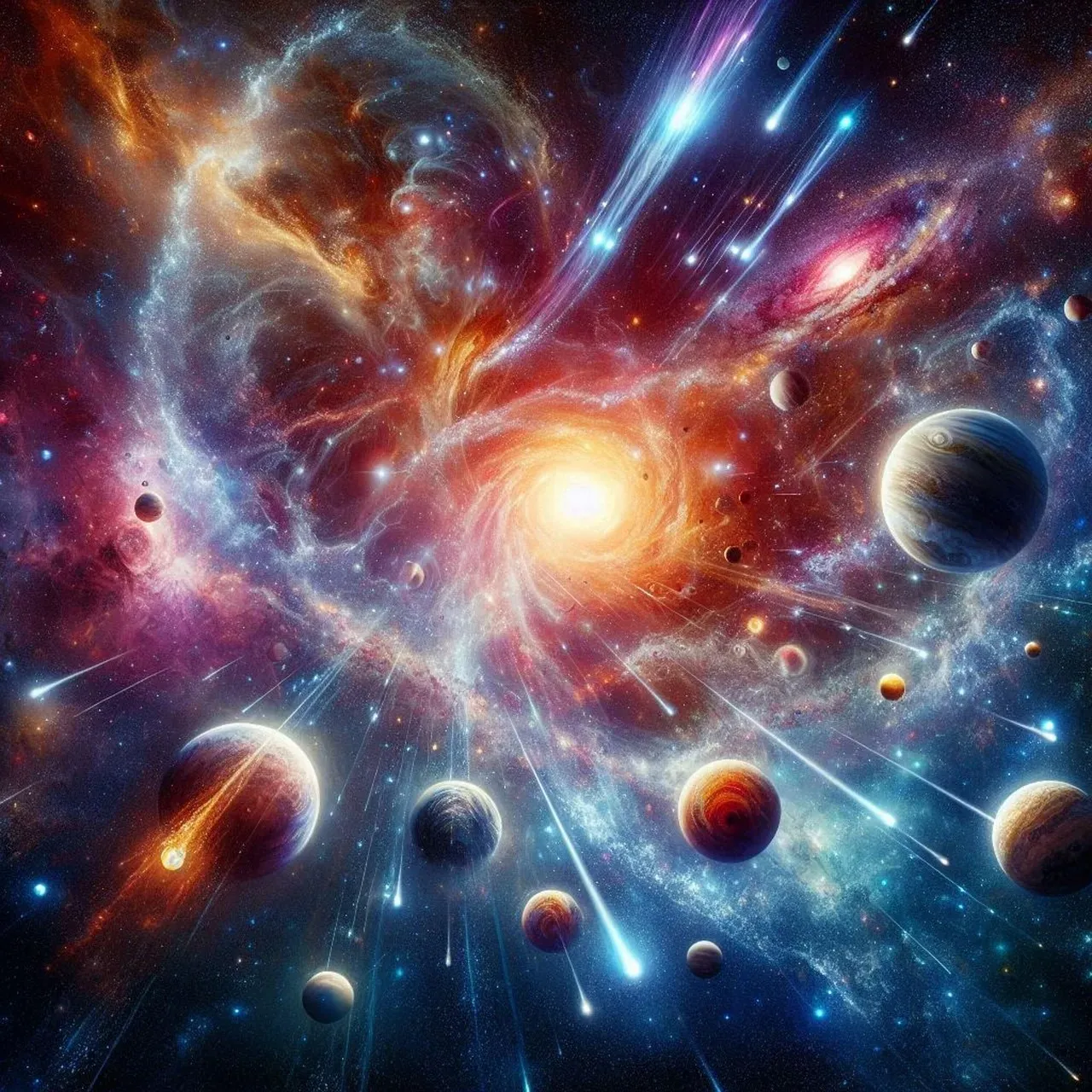
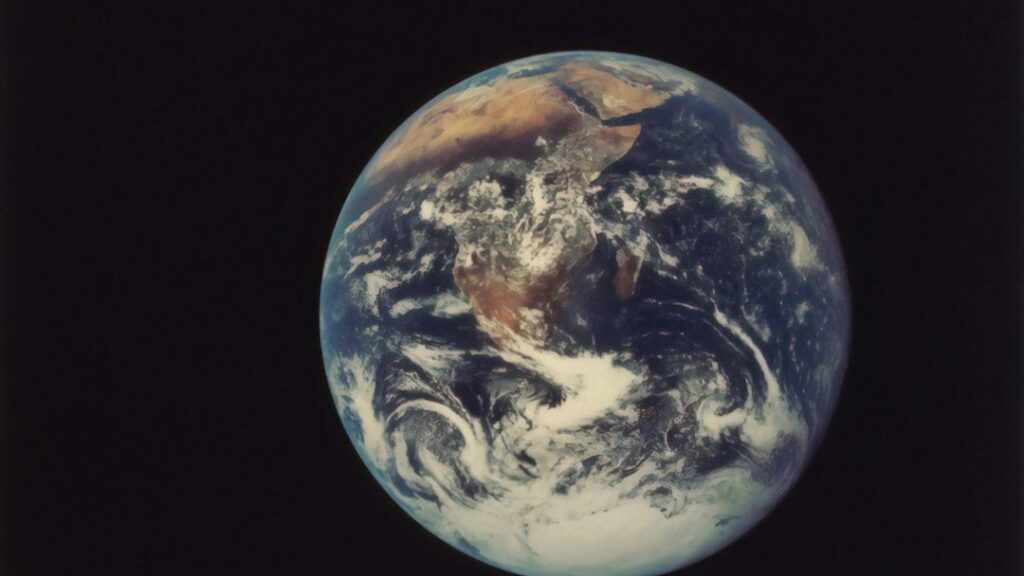
Earth formed around 4.54 billion years ago, approximately one third the age of the universe, by accretion from the solar nebula. Picture a swirling disk of dust and gas left over from the Sun’s birth. Slowly, bits of rock and metal smashed together, building up into bigger and bigger clumps. Much of Earth was molten because of frequent collisions with other bodies which led to extreme volcanism.
When the Earth was a newly formed planet, it was so hot that it was no more than a molten spinning ball. No life could survive the great temperatures. It took at least 1.5 billion years for the Earth to cool enough for life to evolve. Imagine a glowing sphere of liquid rock, hotter than any furnace, spinning in the emptiness of space. Nothing remotely resembling life could exist yet. Earth was a fiery inferno, a cosmic forge still cooling from its violent birth.
A Giant Impact Created Our Moon
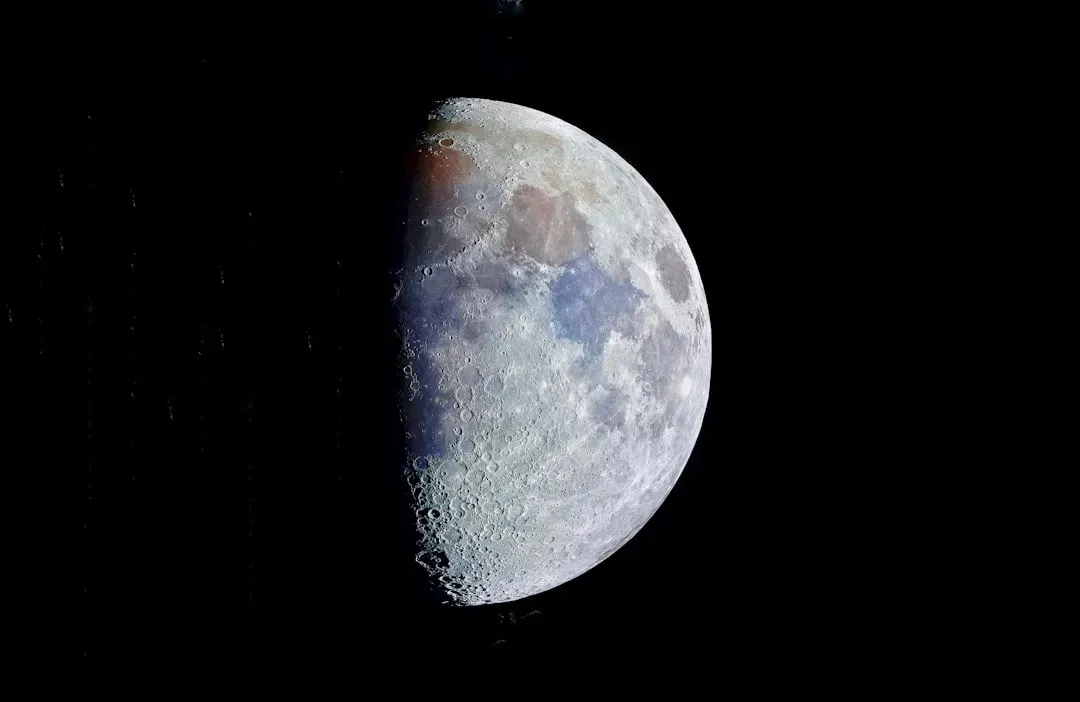
You probably learned the Moon just kind of showed up. The truth is wilder. Radiometric dating of rocks from the Moon’s surface shows that the Moon is 4.53 billion years old, formed at least 30 million years after the Solar System. New evidence suggests the Moon formed even later, 70 to 110 million years after the start of the Solar System. That’s a blink of an eye in cosmic time, yet incredibly late for such a major event.
Here’s the thing. The giant impact hypothesis proposes that the Moon originated after a body the size of Mars struck Earth. Think about that for a second. A planet-sized object slammed into our young Earth with unimaginable violence. The collision vaporized rock, sent debris spiraling into orbit, and eventually that material coalesced into the Moon. This catastrophic crash fundamentally shaped Earth’s destiny, influencing everything from our tides to the tilt of our axis.
Earth’s Early Atmosphere Was Poisonous to You
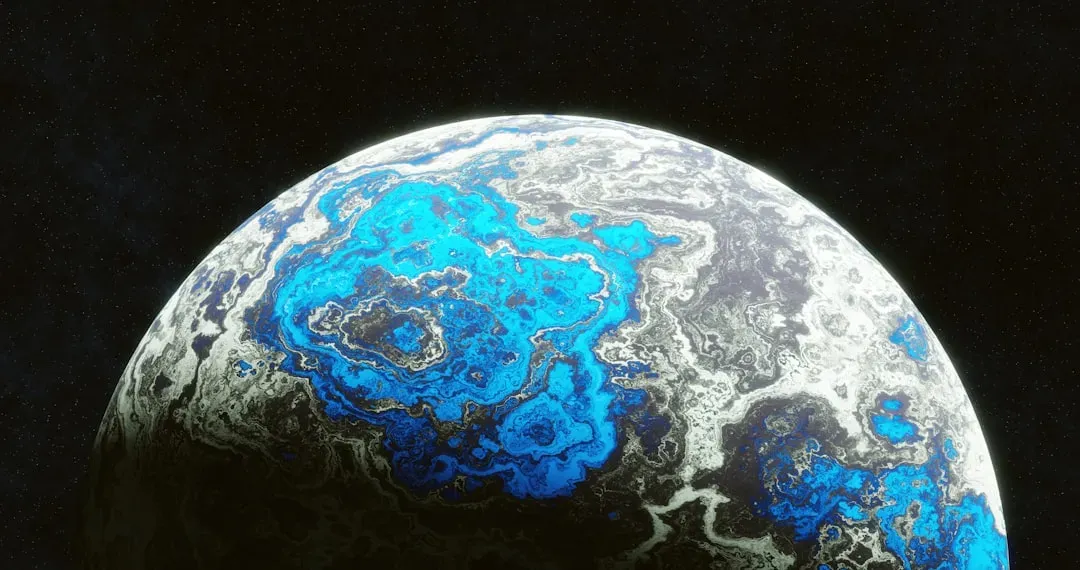
The primordial atmosphere contained almost no oxygen. None. Zero. You couldn’t breathe it for even a moment. Earth’s atmosphere was initially oxygen free. Earth’s early atmosphere had a very low concentration of oxygen, probably less than 0.001 percent of present day levels. The air was likely a toxic cocktail of methane, ammonia, carbon dioxide, and other gases that would kill a modern human instantly.
For billions of years, Earth remained this way. Between 2.45 and 2 billion years ago, oxygen began to build up in the atmosphere. This time coincided with major changes in geochemistry and biology on the Earth but which changes are causes and which are results are debated. Tiny bacteria called cyanobacteria started pumping out oxygen as waste, and the entire planet slowly transformed. The atmosphere we take for granted today is actually a relatively recent invention, at least on geological timescales.
Days Were Much Shorter in the Ancient Past
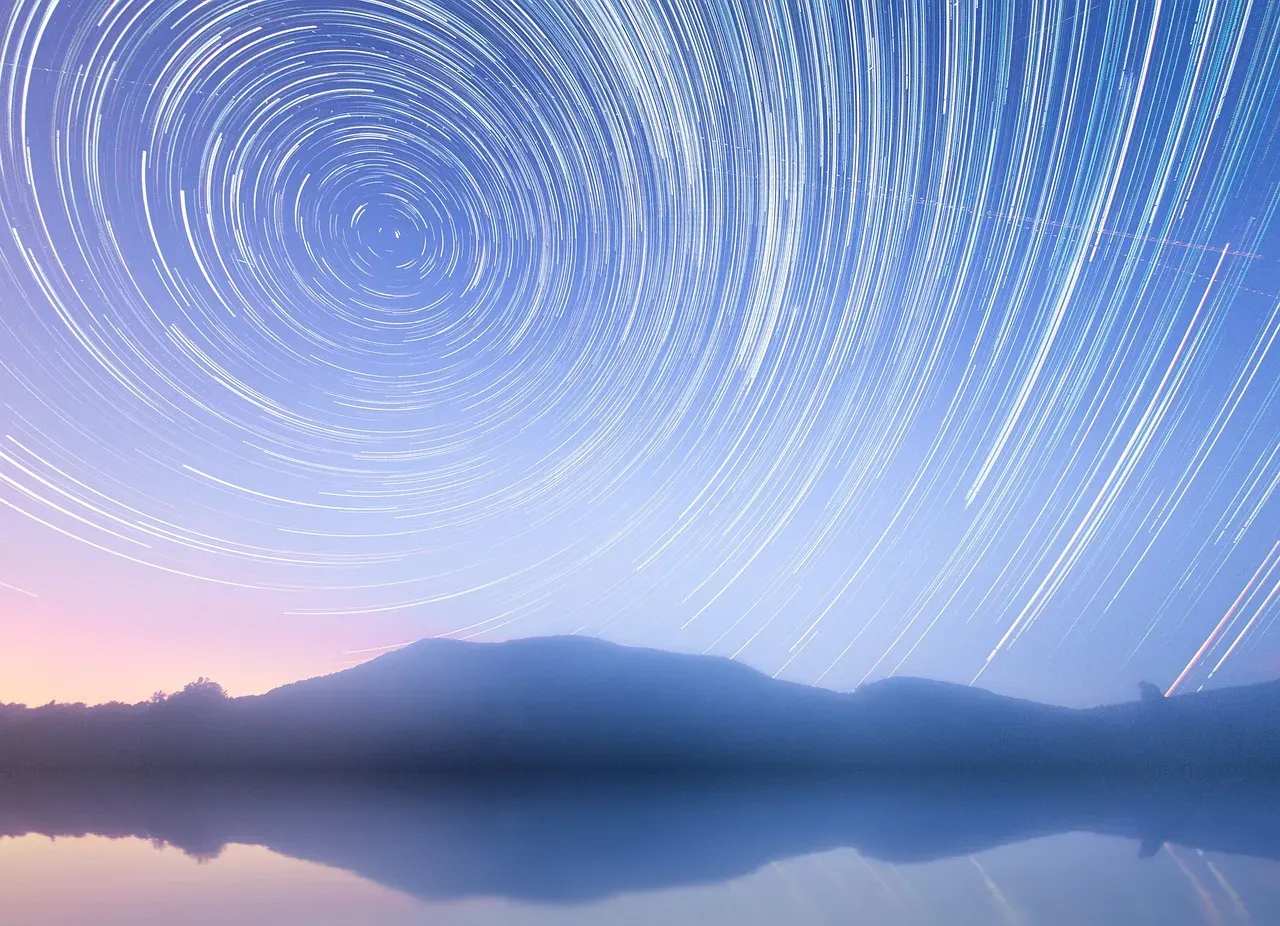
Billions of years ago, a day on Earth did not last 24 hours. New research suggests that for about one billion years, each day stayed fixed at roughly 19 hours because of a balance between the oceans, the atmosphere, and the pull of the Moon. Nineteen hours. Let that sink in. If you lived back then, your entire day-night cycle would be compressed. Sunrise to sunset would fly by far faster than you’re used to.
Why the difference? The Moon’s gravitational pull creates tidal friction that slowly drags on Earth’s rotation. Usually, the Earth’s rotation is actually slowing down so that the length of the day increases by about 1.8 milliseconds per century, on average. This means that 600 million years ago a day lasted only 21 hours. It’s hard to say for sure what you’d notice day to day, but the ancient Earth spun like a top. Over deep time, those lost hours add up dramatically.
The Great Oxidation Event Changed Everything
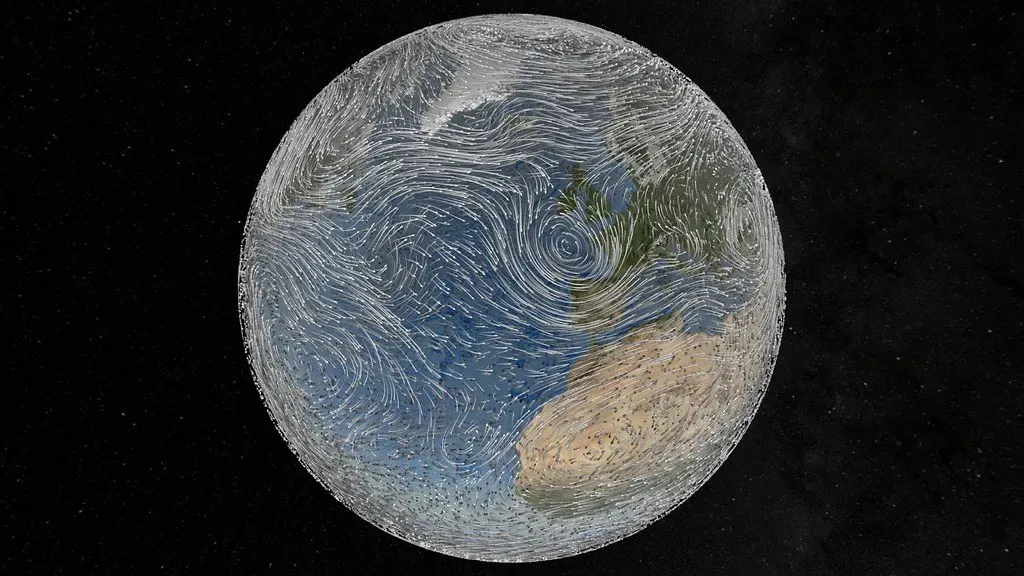
Oxygen began building up in the prebiotic atmosphere at approximately 2.45 billion years ago during the Neoarchean-Paleoproterozoic boundary, a paleogeological event known as the Great Oxidation Event. The concentrations of oxygen attained were less than 10 percent of today’s and probably fluctuated greatly. This was the single most important environmental shift in Earth’s history. Nothing would ever be the same.
The newly produced oxygen was first consumed in various chemical reactions in the oceans, primarily with iron. Evidence is found in older rocks that contain massive banded iron formations apparently laid down as this iron and oxygen first combined. Rust. The oceans literally rusted before the atmosphere could fill with oxygen. Only after the seas ran out of iron did oxygen start accumulating in the air. Life itself was responsible, remaking the entire planet from the inside out.
Supercontinents Formed and Broke Apart Repeatedly
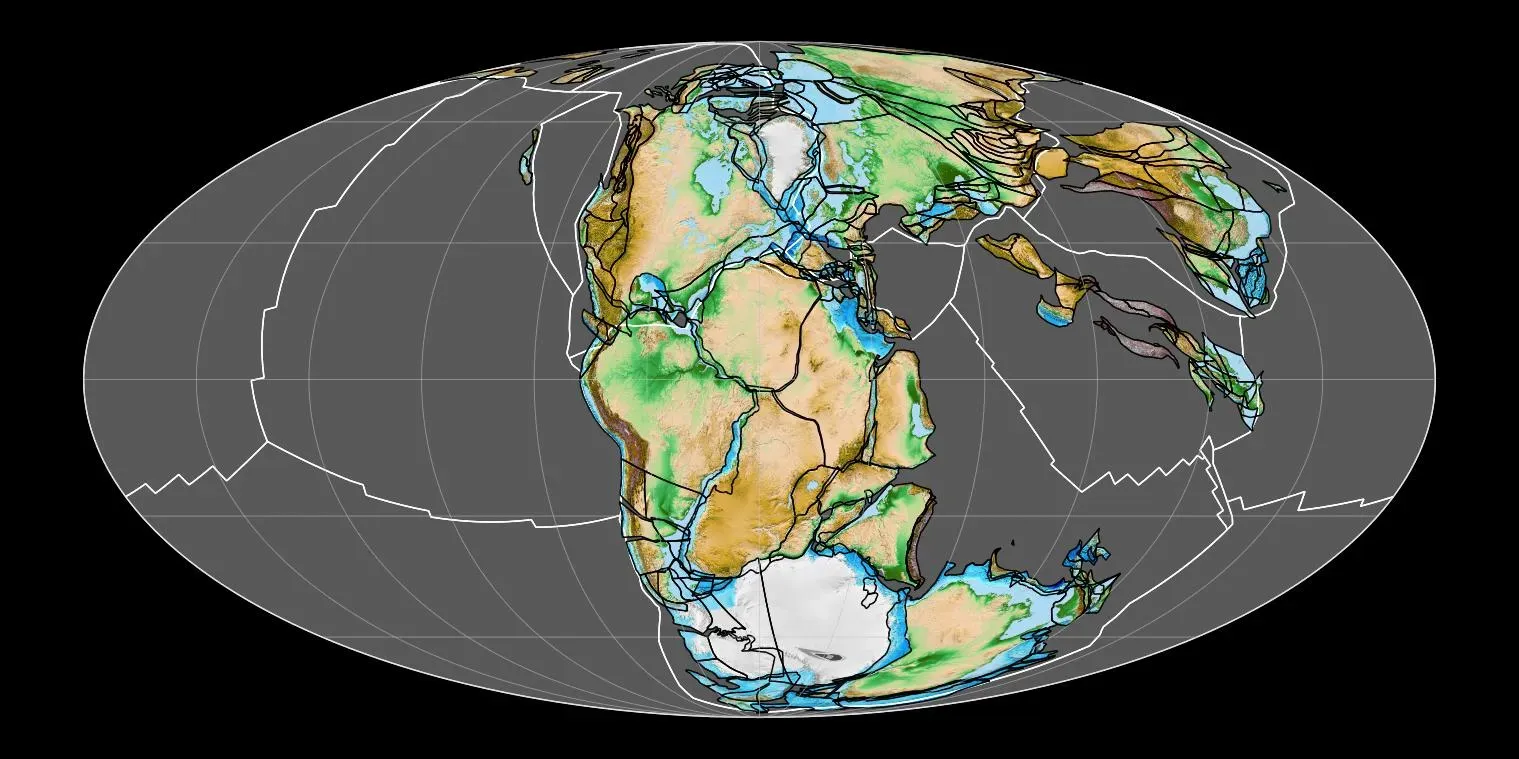
As the surface continually reshaped itself over hundreds of millions of years, continents formed and broke apart. They migrated across the surface, occasionally combining to form a supercontinent. Picture all the landmasses you know today smashed together into one giant continent. Then imagine that mass cracking, drifting apart, and eventually colliding again somewhere else.
Roughly 750 million years ago, the earliest-known supercontinent Rodinia began to break apart. The continents later recombined to form Pannotia, 600 to 540 million years ago, then finally Pangaea, which broke apart 200 million years ago. These cycles of assembly and breakup controlled ocean circulation, climate patterns, and the evolution of life itself. The map you use today is just a snapshot, a fleeting arrangement that won’t last forever.
Giant Creatures Ruled the Land Long Before Dinosaurs
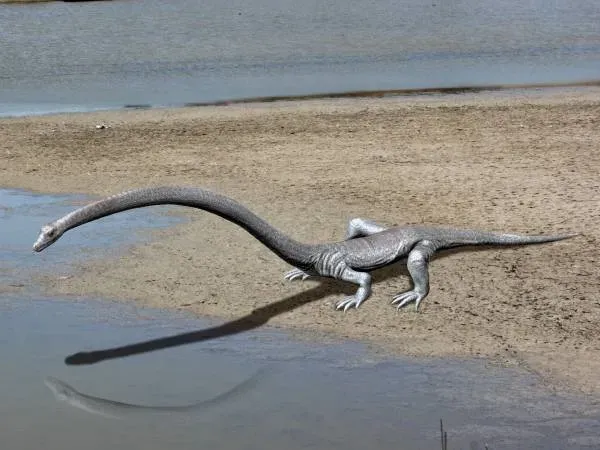
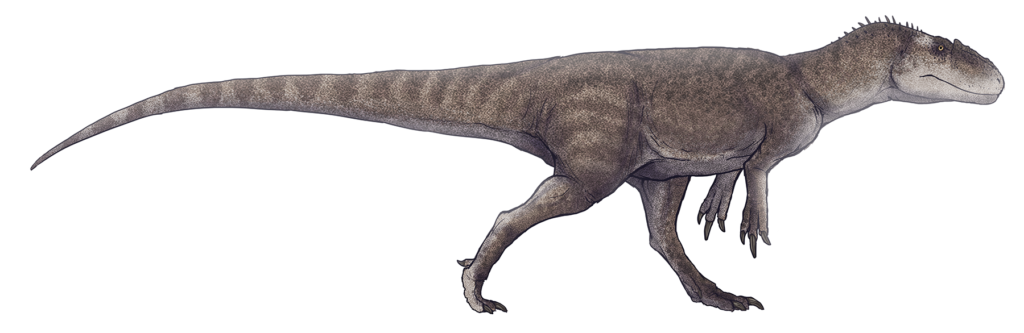
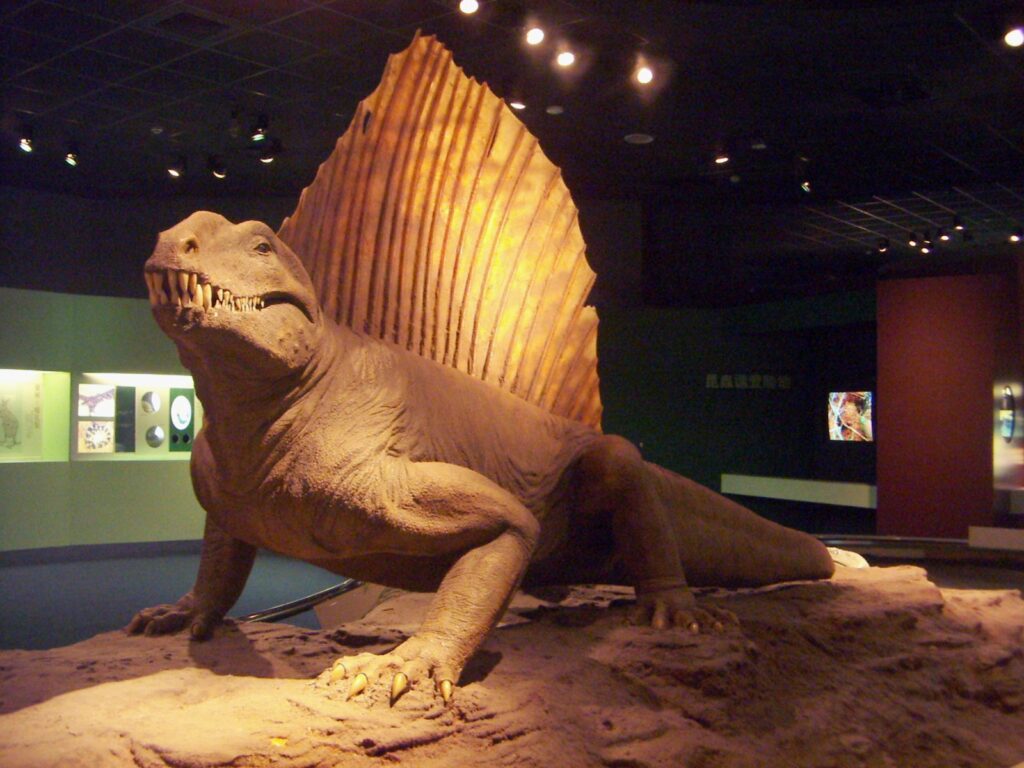
Before dinosaurs ever evolved, Earth was home to some truly alien beasts. A mass extinction known as the Great Dying took place 251.9 million years ago, wiping out more than 90 percent of Earth’s species and leaving a lot of empty niches in its wake. Many of the survivors that evolved to fill these niches ended up looking like failed lab experiments, none more so than Tanystropheus, a six-meter-long reptile with a neck longer than its tail and body combined.
Largest among them was Arthropleura, a 2.6-meter-long, mulch-eating millipede that roamed the beaches and forests of ancient England. This giant creepy-crawly lived during the Carboniferous period, a time when sprawling rainforests acted as the Earth’s lungs, drawing in carbon dioxide and breathing out masses of oxygen. It’s thought there was five to ten percent more oxygen in the air during this time, which is one reason why Arthropleura grew so large. Imagine a millipede nearly as long as a car. Dinosaurs get all the glory, but ancient Earth had plenty of other nightmares.
Massive Ice Ages Blanketed Much of the Planet
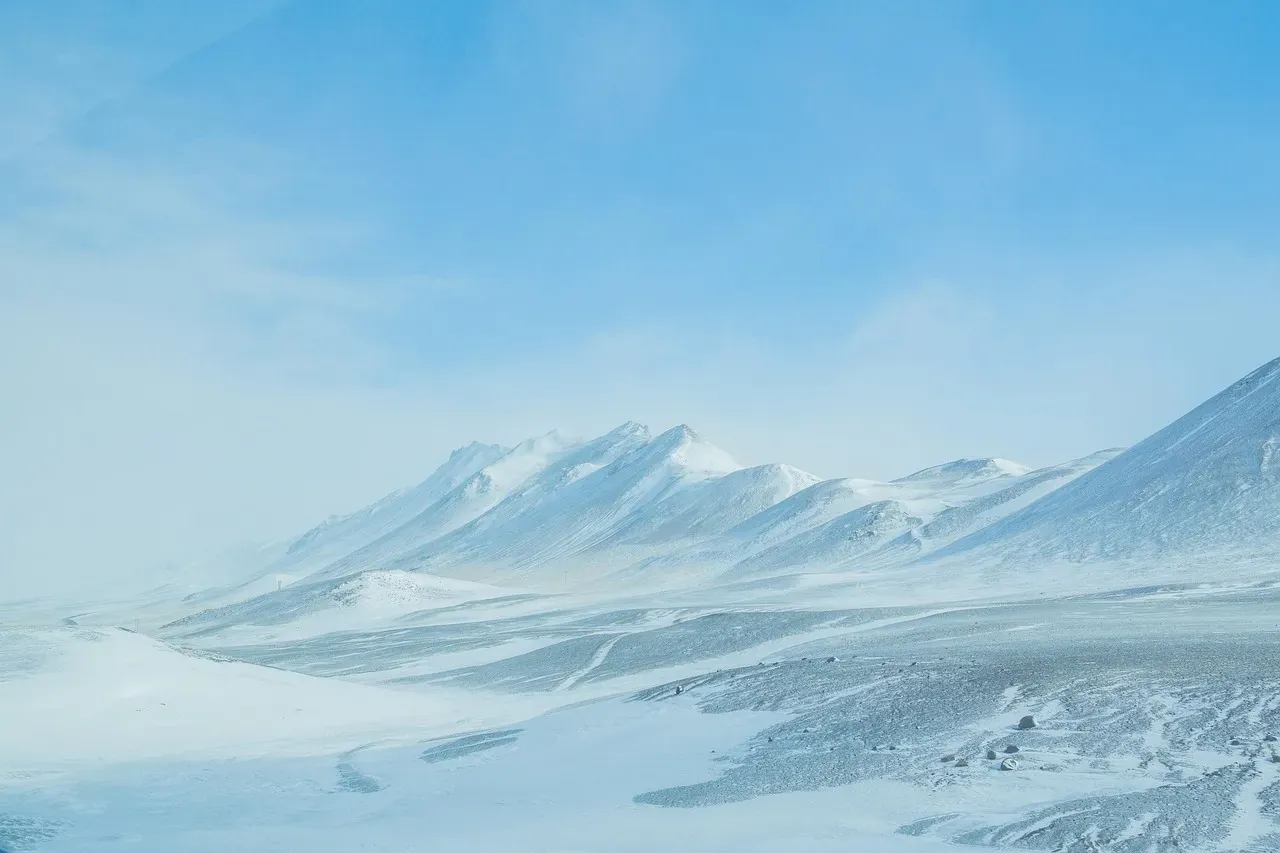
The present pattern of ice ages began about 40 million years ago, then intensified at the end of the Pliocene. The polar regions have since undergone repeated cycles of glaciation and thawing, repeating every 40,000 to 100,000 years. The Last Glacial Period of the current ice age ended about 10,000 years ago. We’re actually living in an interglacial period right now, a brief warm spell between deep freezes.
During the most extreme glacial episodes, ice sheets sprawled across entire continents, burying what is now New York or London under miles of frozen water. Between 1.8 million and 10,000 years ago large ice sheets covered much of Earth. During four periods, known as ice ages, glaciers moved across the northern half of the planet. Long warm periods separated the ice ages. The world our ancestors knew was cold, harsh, and dominated by these glacial rhythms. Life had to adapt or perish.
Megafauna Roamed Every Continent Except Antarctica
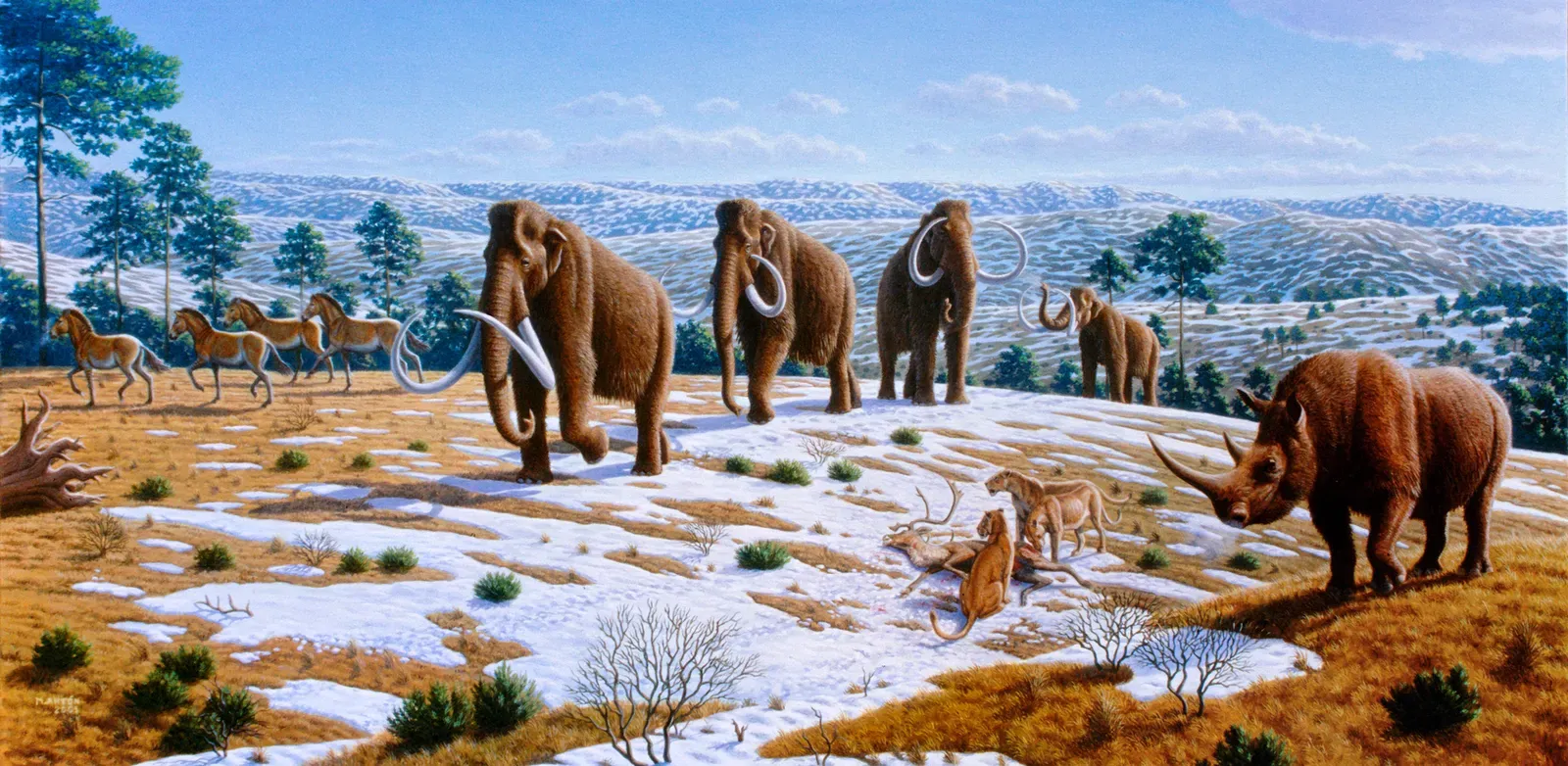
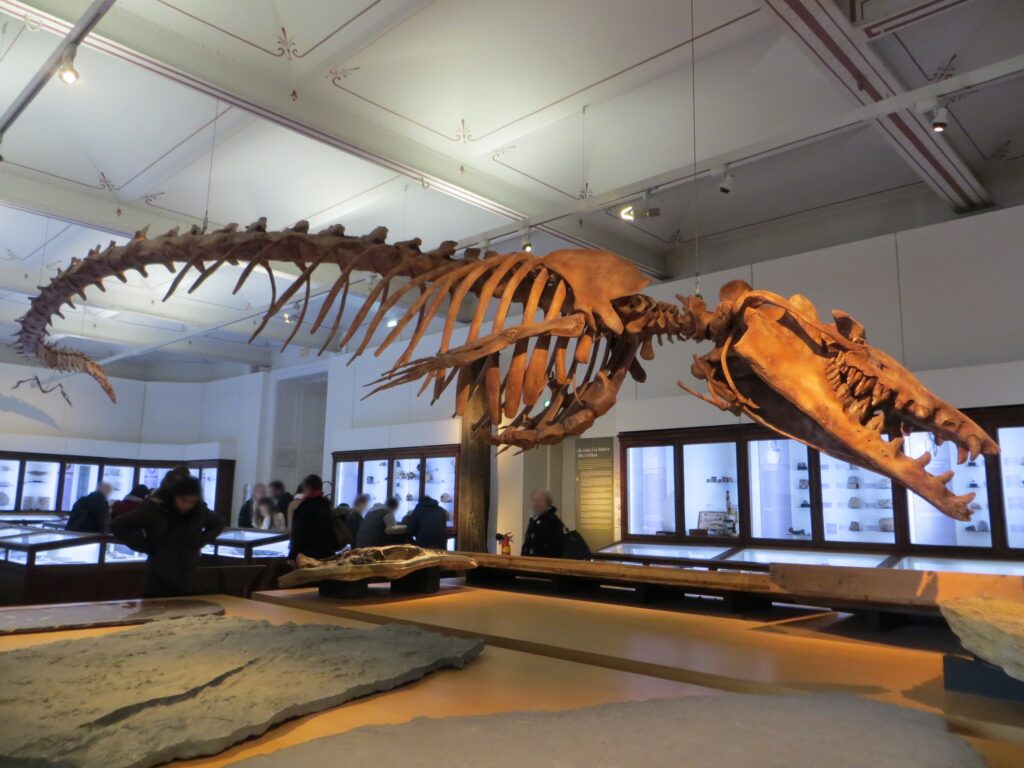
The planet of the last few hundred million years was a world of lush forests, seas brimming with life, and giant creatures that wandered the land. After the dinosaurs vanished, mammals exploded in diversity and size. The woolly mammoth is one of the most famous extinct Ice Age megafauna. Standing 12 feet tall at the shoulders and weighing six to eight tons, the woolly mammoth grazed the northern steppes of Ice Age North America using its colossal, 15-foot curved tusks.
The giant short-faced bear was the largest carnivorous mammal to ever roam North America. Standing on its hind legs, an adult giant short-faced bear boasted a vertical reach of more than 14 feet. Picture a bear taller than most rooms. These animals were real, and they shaped ecosystems in ways we’re only beginning to understand. Their sudden extinction roughly 10,000 years ago remains a hotly debated topic among scientists.
Life First Appeared More Than Three Billion Years Ago
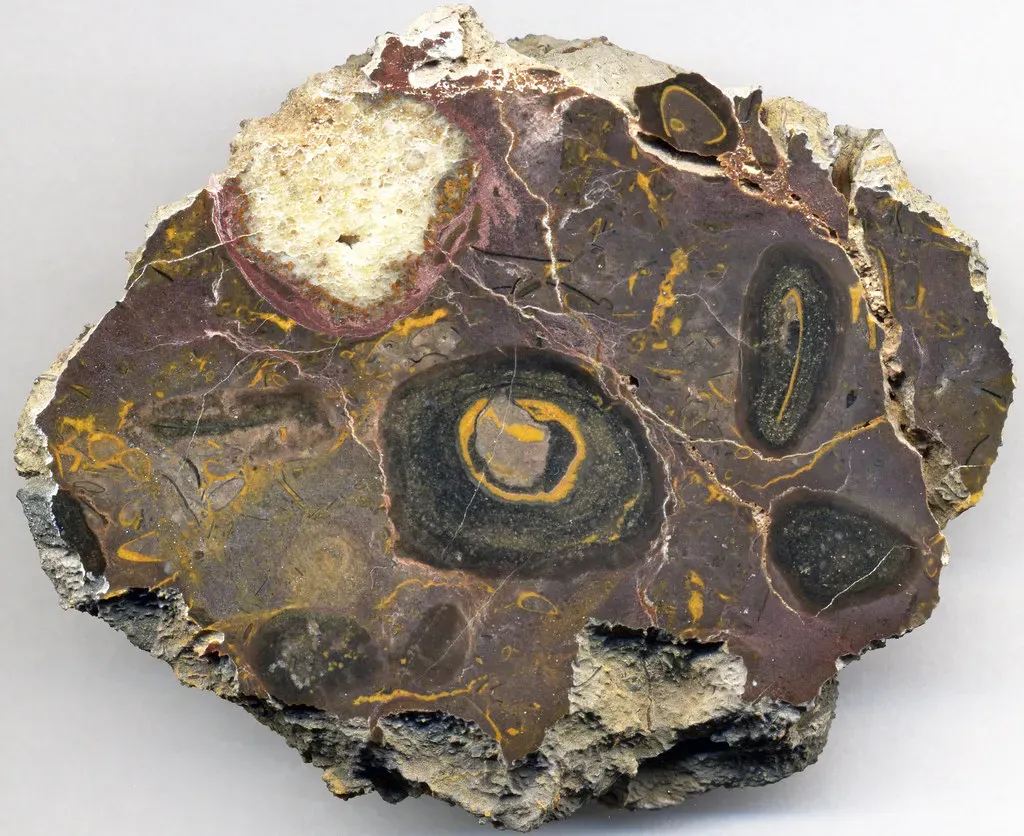
The earliest undisputed evidence of life on Earth dates at least from 3.5 billion years ago, during the Eoarchean Era, after a geological crust started to solidify. That’s a staggering amount of time, far longer than the existence of any complex organism. The oldest known fossils are more than three billion years old. The first life-forms had only one cell. They included early types of bacteria, algae, and protozoans.
For billions of years, Earth was home only to these microscopic pioneers. The seas are the source of all life on Earth and are home to the true rulers of the world – the microbial life that existed for eons before larger plants and animals evolved, and will be here long after the rest of us die out. Everything you see today, every plant, animal, and fungus, owes its existence to those ancient single-celled organisms. They survived apocalyptic conditions and set the stage for all life that followed.
Conclusion
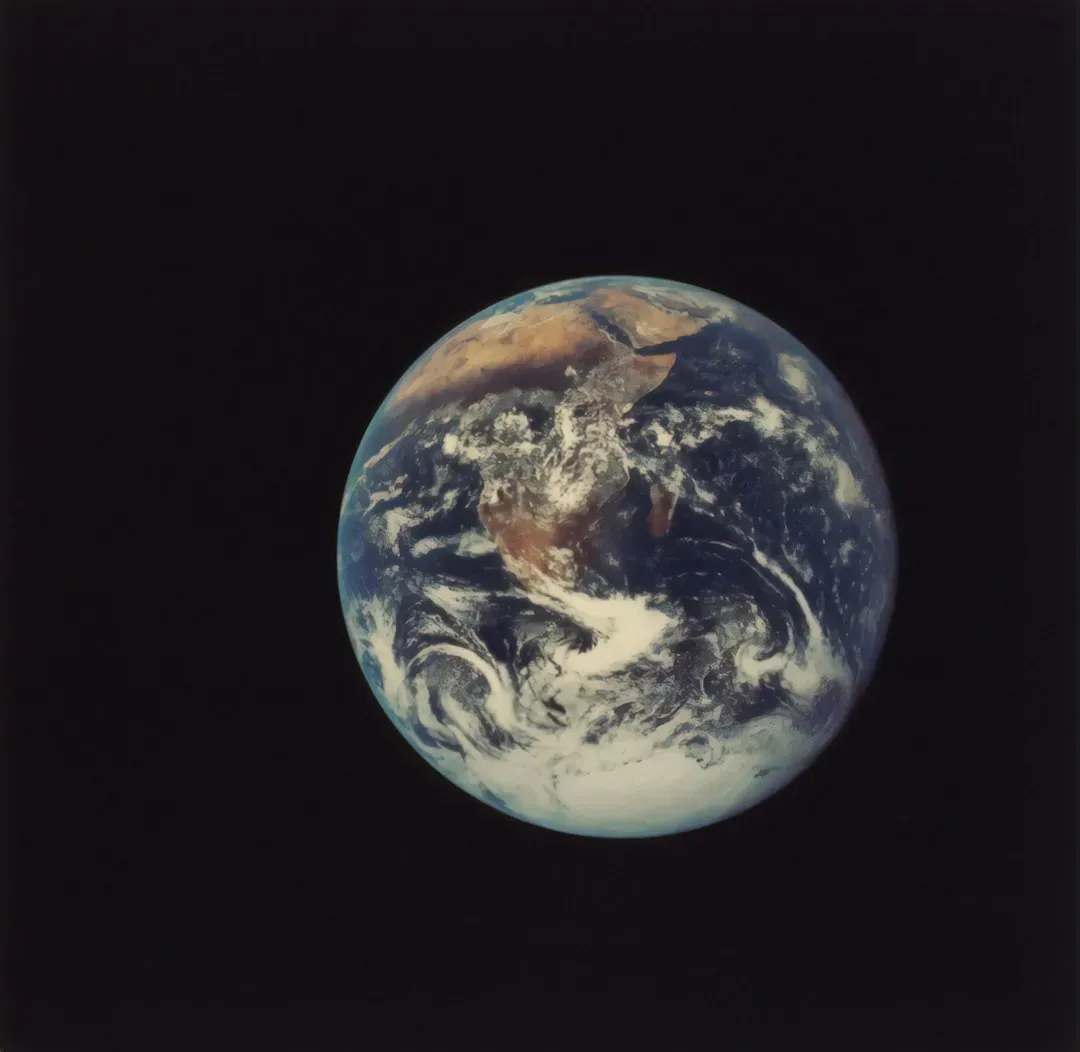
Our planet’s past is stranger, more violent, and more transformative than most people imagine. Earth has been a molten hellscape, a frozen snowball, a toxic wasteland, and a paradise for giant creatures all before humans ever took their first step. The ground beneath your feet has witnessed unimaginable change over billions of years, and it will continue changing long after we’re gone.
These facts aren’t just interesting trivia. They’re reminders that Earth is a dynamic, evolving system, constantly reshaping itself in response to internal and external forces. We’re just the latest chapter in an incredibly long story. What do you think about it? Does knowing Earth’s deep history change how you see the world around you? Let us know in the comments.