
Sisak-Moslavina County, Croatia – Vast industrial poultry operations planned across central regions promise economic growth but ignite fears over animal suffering, pollution, and regulatory shortcuts.
Ambitious Scale Draws International Eyes
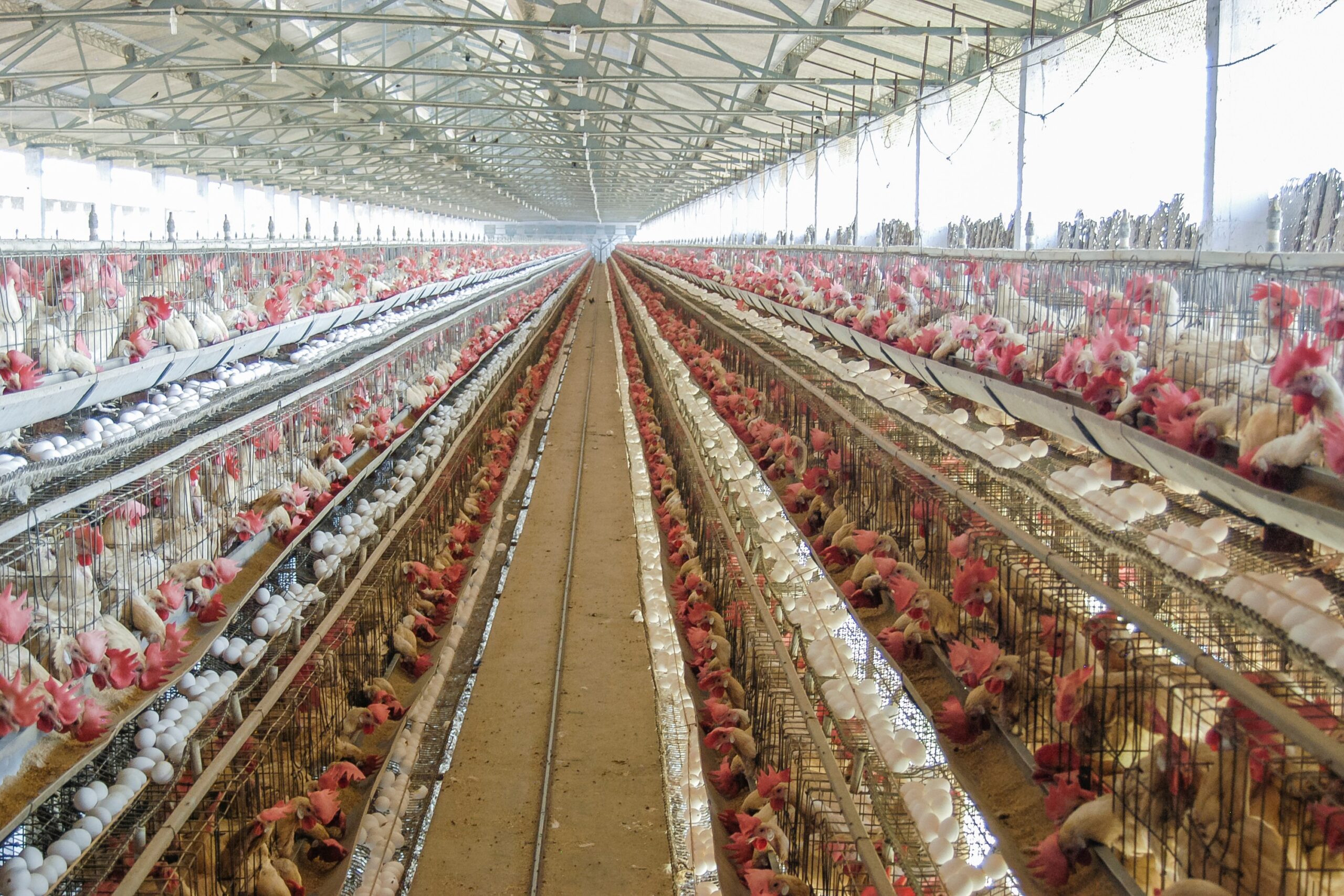
Ambitious Scale Draws International Eyes (Image Credits: Upload.wikimedia.org)
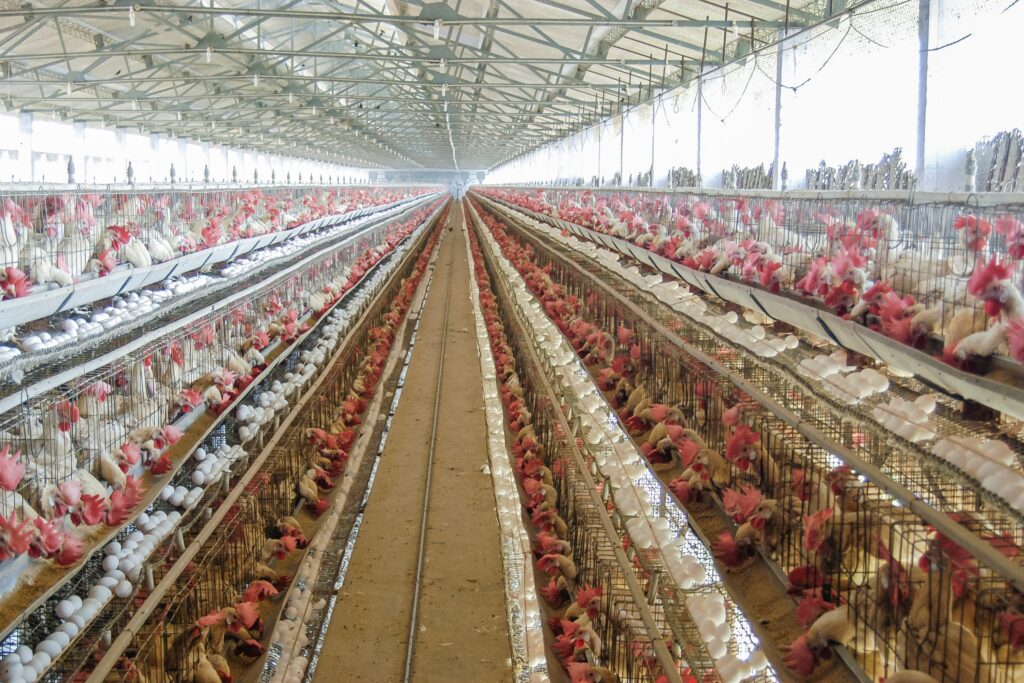
Developers envision clusters of hatcheries, feed mills, farms, and slaughterhouses processing hundreds of millions of chickens yearly. Ukrainian firms like MHP proposed sites with 200 sheds housing 8 million birds at once, boosting national output by 45 million annually from Croatia’s current 235 million.
These integrated complexes aim for efficiency, complete with worker housing. Foreign investment surged post-2022, though MHP paused plans in 2025 amid environmental pushback. Projects advanced through environmental reviews, often fragmented to sidestep full scrutiny.
Local approvals highlighted procedural speed over holistic risks, setting the stage for rapid transformation.
Animals Confined in Industrial Grind
Chickens endure dense crowding in vast sheds, fostering chronic stress and routine antibiotic reliance. Movement remains severely limited, clashing with rising European welfare benchmarks.
Slaughter processes prioritize volume, embedding suffering into the model. Activists from Animal Friends Croatia documented these conditions, urging oversight long absent in scaling operations.
One facility alone demands nearly 500,000 cubic meters of water yearly, underscoring resource intensity behind the production push.
Pollution Threatens Land and Water
Manure piles, ammonia emissions, and wastewater overwhelm rural capacities, risking runoff into drinking sources and protected zones. Sites neighbor schools and villages, amplifying health concerns from air and soil toxins.
Croatia’s impact assessments exempted 94 percent of projects last year, including animal farms, critics charged. Studies, investor-funded and rushed, downplayed cumulative harms.
| Impact Area | Key Concern |
|---|---|
| Water Use | 500,000 m³/year per site |
| Waste | Exceeds local absorption |
| Emissions | Ammonia pollutes air/soil |
Residents Rally Against the Tide
Protests erupted as communities highlighted lost tranquility and job quality doubts. Promises of employment clashed with pollution realities, prompting petitions to halt EU funding.
French industry groups voiced alarms over market floods from low-cost models defying EU antibiotic and emission goals. “The projects… contradict… all the principles of the European Union,” Anvol stated.
- Nearby protected areas at risk from habitat loss.
- Groundwater contamination looms long-term.
- Fragmented approvals ignore network effects.
- Public health tied to emission exposure.
- Petitions demand investment bank divestment.
Opposition grew through organized objections, reflecting broader EU tensions on intensive farming.
Central Croatia stands at a crossroads, where poultry ambitions test commitments to sustainability. Balancing growth against irreversible costs demands urgent scrutiny. What steps should leaders take next? Share your views in the comments.
Key Takeaways
- Mega-farms process hundreds of millions of chickens, straining resources.
- Flawed assessments favor speed over environmental safeguards.
- Communities and activists push for welfare reforms and funding halts.