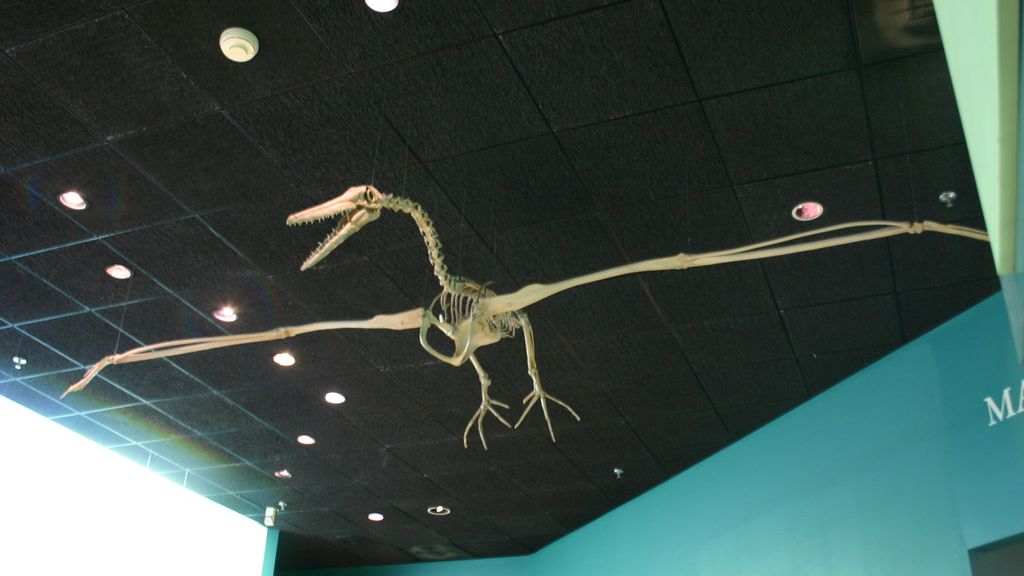
For over two centuries, scientists thought they had pterosaurs figured out. These ancient reptiles with wingspans reaching up to 33 feet dominated the skies for more than 160 million years, long before birds ever took flight. They were the pioneers of powered vertebrate flight, and yet the secrets of how they actually managed to stay airborne have remained frustratingly elusive. The soft tissue that made up their wings rarely fossilized, leaving researchers to rely on educated guesses and comparisons with modern birds and bats.
That’s all changing now. Recent fossil discoveries are forcing paleontologists to completely rewrite the story of pterosaur flight. From brain scans revealing shocking evolutionary patterns to exceptionally preserved specimens showing never-before-seen anatomical features, 2025 and early 2026 have delivered breakthrough after breakthrough. These findings don’t just add new details to what we knew. They fundamentally challenge our understanding of how these creatures evolved, how they flew, and what made them so successful for so long.
The Brain That Changed Everything
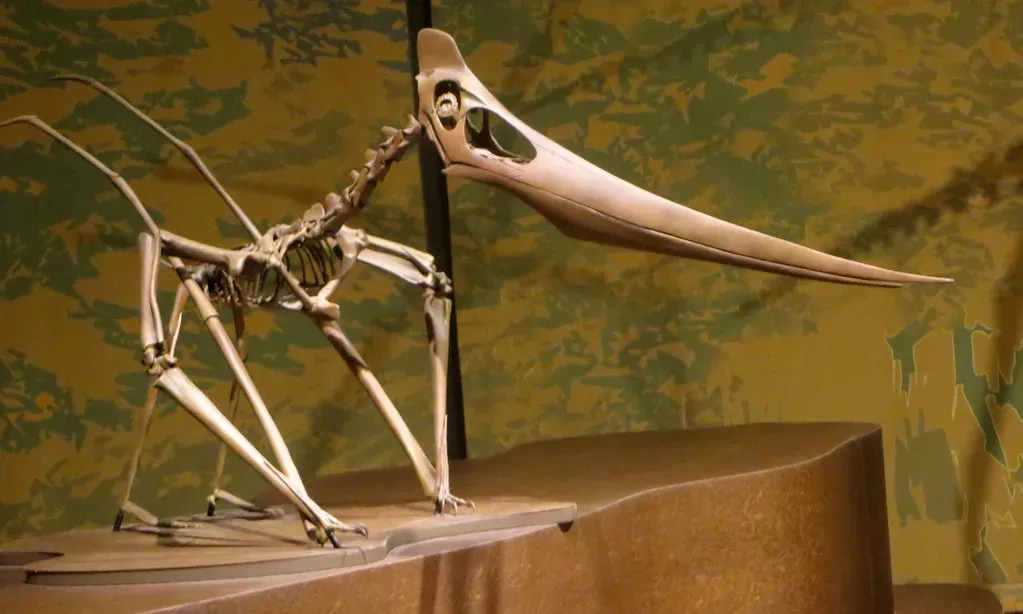
Ancient pterosaurs may have taken to the skies far earlier and more explosively than birds, evolving flight at their very origin despite having relatively small brains. This revelation came from an international research team led by Johns Hopkins Medicine in December 2025, and it turned conventional wisdom completely on its head. Scientists had long assumed that large brains were necessary for the complex coordination required for powered flight.
Using advanced CT imaging, scientists reconstructed the brain cavities of pterosaur fossils and their close relatives, uncovering surprising clues – such as enlarged optic lobes – that hint at a rapid leap into powered flight. The key discovery? Pterosaurs didn’t need big brains to fly. They evolved flight capabilities right from the start, essentially going from zero to airborne in what researchers describe as an evolutionary burst. This stands in stark contrast to birds, which developed flight gradually over millions of years with progressively larger brains.
Meet the Lagerpetid: The Missing Link No One Expected
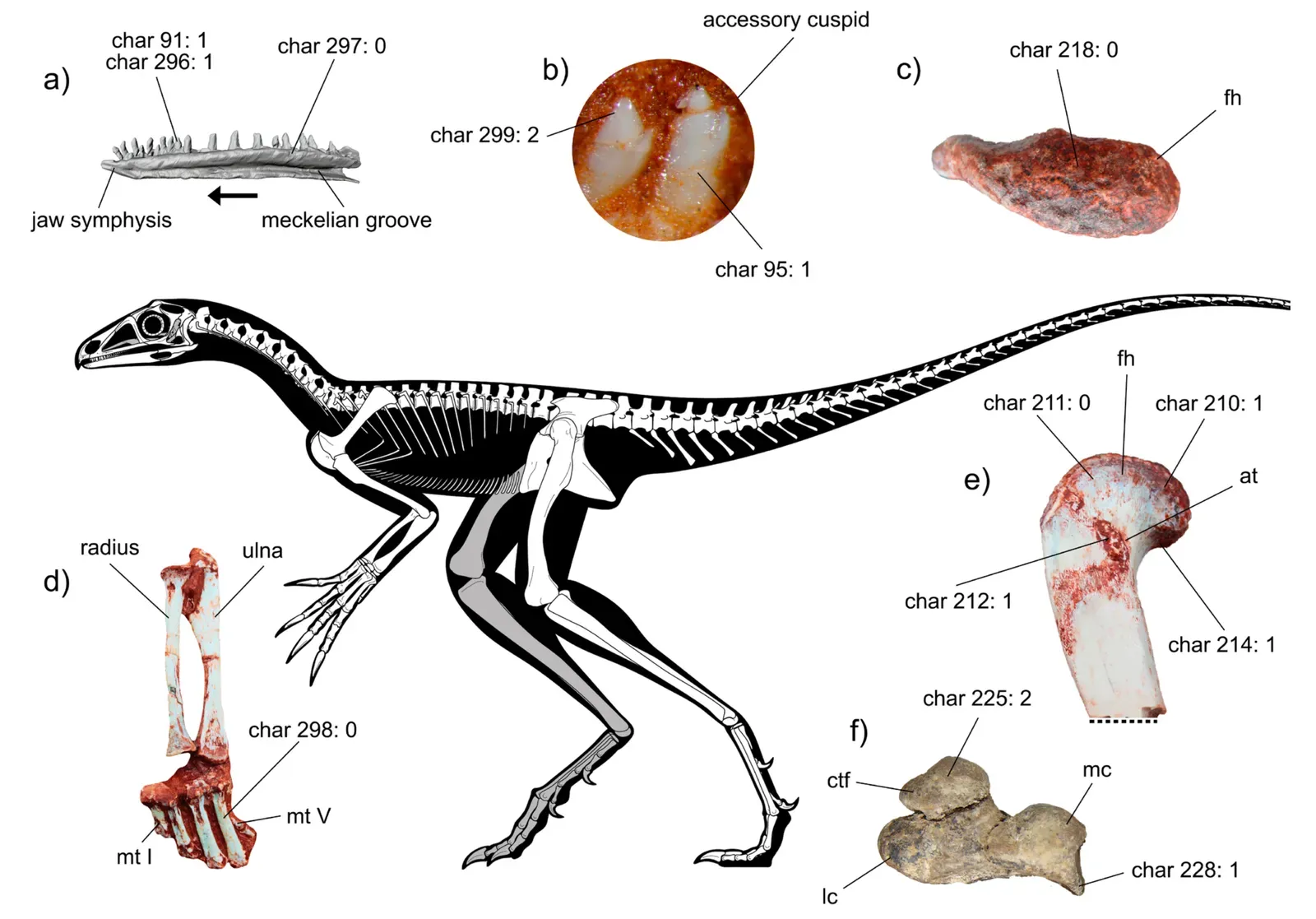
The breakthrough hinged on studying an unlikely creature. The breakthrough was the discovery of an ancient pterosaur relative, a small lagerpetid archosaur named Ixalerpeton from 233-million-year-old Triassic rocks in Brazil. This little reptile couldn’t fly, yet its brain already showed critical adaptations that would later help pterosaurs take to the air.
The lagerpetid’s brain already showed features linked to improved vision, including an enlarged optic lobe, an adaptation that may have later helped their pterosaur relatives take to the skies. What makes this even more fascinating? There were otherwise very few similarities in the shape and size of pterosaur brains and that of the flying reptile’s closest relative, suggesting that flying pterosaurs, which appeared very soon after the lagerpetid, likely acquired flight in a burst at their origin.
North America’s Oldest Pterosaur Emerges From Arizona
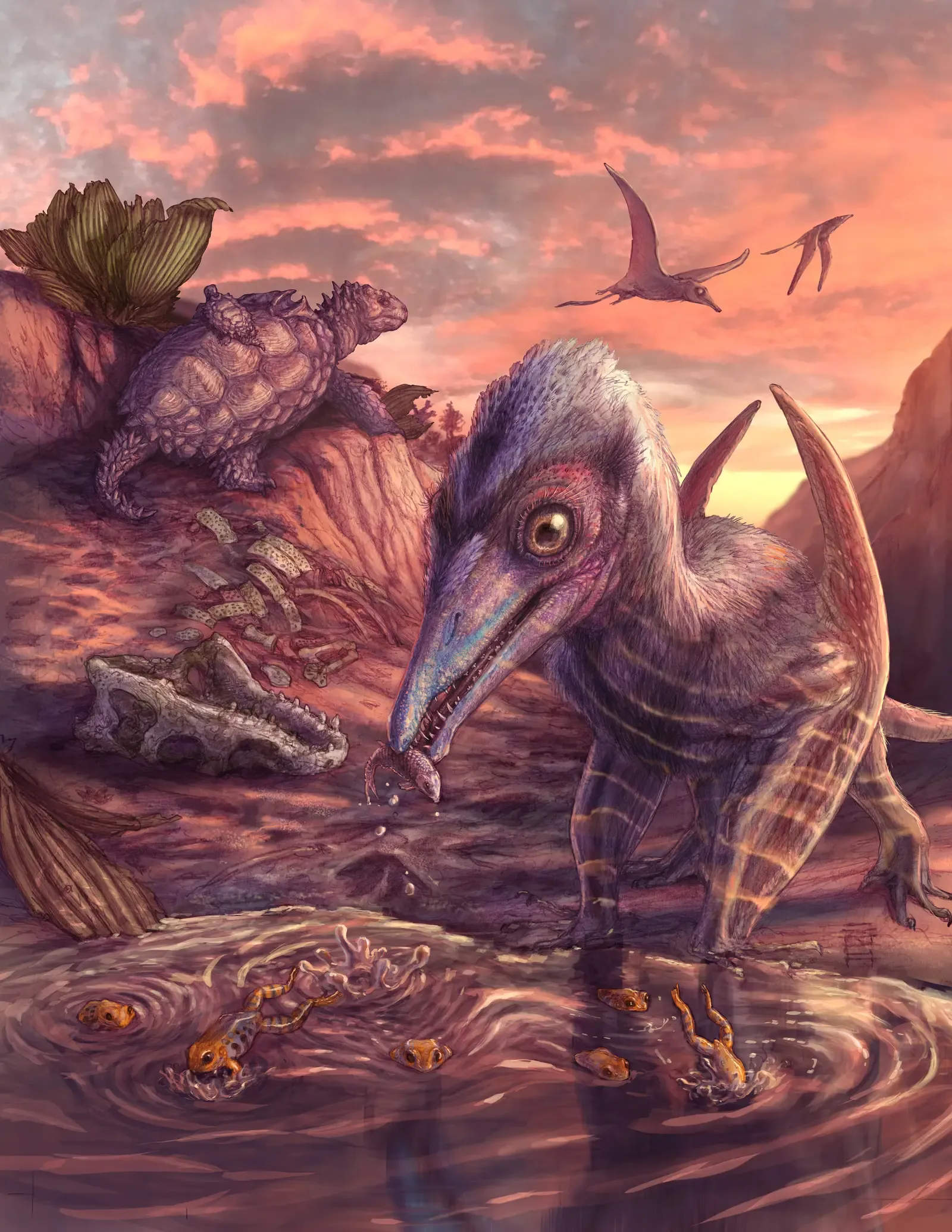
While researchers were rewriting pterosaur brain evolution, another team made a stunning discovery in Arizona’s Petrified Forest National Park. Paleontologists excavating a bonebed in a remote area unearthed the fossilized remains of North America’s oldest known pterosaur, a winged reptile which was small enough to perch on a person’s shoulder and lived 209 million years ago during the Late Triassic period.
The team named the new species Eotephradactylus mcintireae, with the generic name meaning ‘ash-winged dawn goddess’ and referencing the site’s copious volcanic ash and the animals’ position near the base of the pterosaur evolutionary tree. This tiny creature lived just a few million years before a major extinction event cleared the way for pterosaurs and dinosaurs to dominate Earth’s ecosystems. Its discovery fills a critical gap in understanding where and when pterosaurs first appeared in the fossil record.
The German Fossil That Solved a 200-Year-Old Mystery
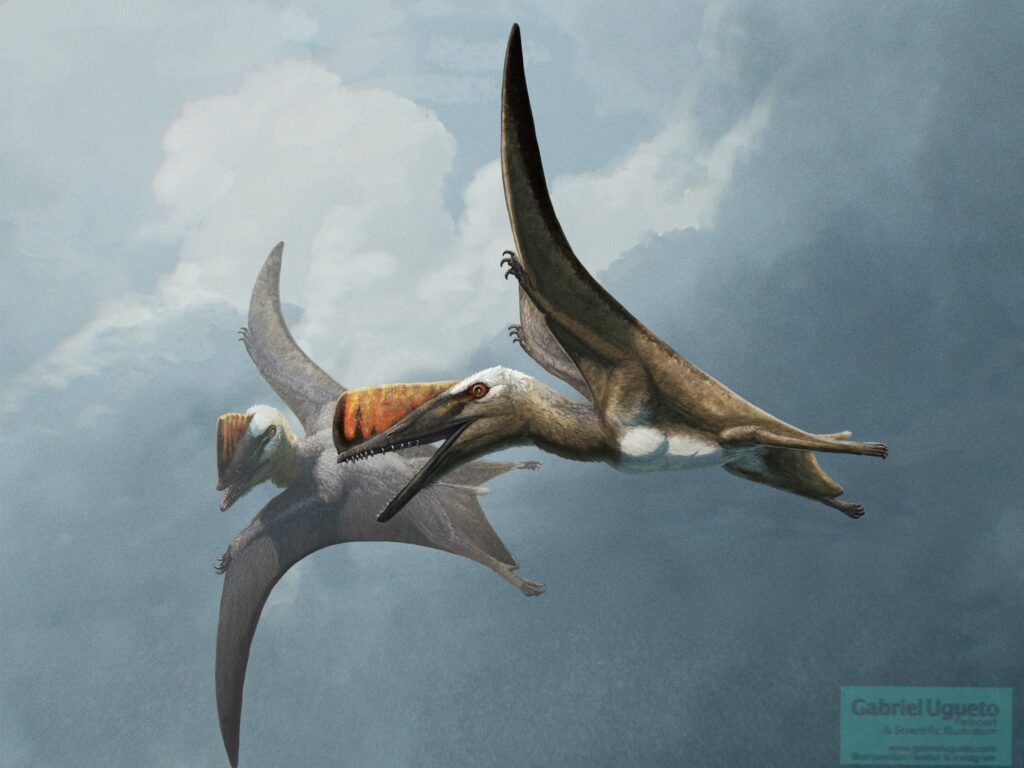
If you wanted to understand how early pterosaurs evolved into the massive flying giants of the Cretaceous period, you faced a frustrating problem. Scientists knew about small, early pterosaurs with short heads and long tails, and they knew about later pterodactyloids with huge heads and short tails. What they didn’t know was how one turned into the other.
Enter Skiphosoura bavarica. Called Skiphosoura bavarica, the new pterosaur species was identified after scientists discovered a surprisingly well-preserved fossil in southeast Germany in 2015, and in a study published in Current Biology, an international team of experts reveals how Skiphosoura fills an important gap in pterosaur evolution that paleontologists have been puzzling over for the better part of 200 years. Its head and neck resemble the more advanced pterodactyloids, while its wrist, tail, and foot show transitional features. Finally, researchers could trace the step-by-step changes that allowed later pterosaurs to reach truly massive sizes.
Flapping, Soaring, or Both? The Flight Style Revolution
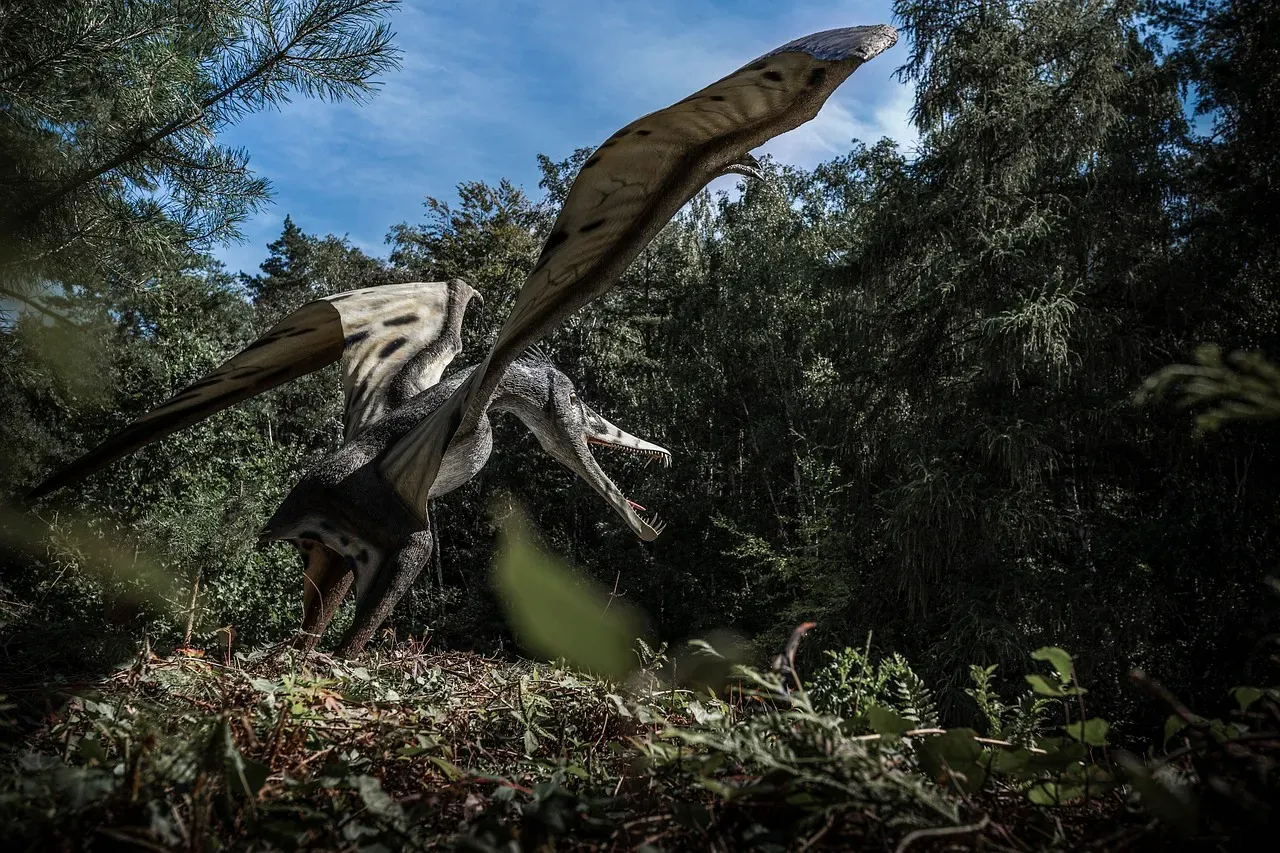
Here’s something that might surprise you. Not all pterosaurs flew the same way. For years, scientists debated whether the largest pterosaurs could even get off the ground, let alone sustain flight. However, three-dimensional fossils of two different large-bodied azhdarchoid pterosaur species – including one new-to-science – have enabled scientists to hypothesize that not only could the largest pterosaurs take to the air, but their flight styles could differ too.
The research team used high-resolution computed tomography (CT) scans to then analyze the internal structure of the wing bones. What they found was fascinating. Some pterosaurs had bone structures suited for active flapping flight, while others were built for soaring like modern vultures. This makes perfect sense when you think about it. Different environments and lifestyles would have favored different flight strategies, just as we see in modern birds.
The Muscular Wing Secret Hidden in Plain Sight
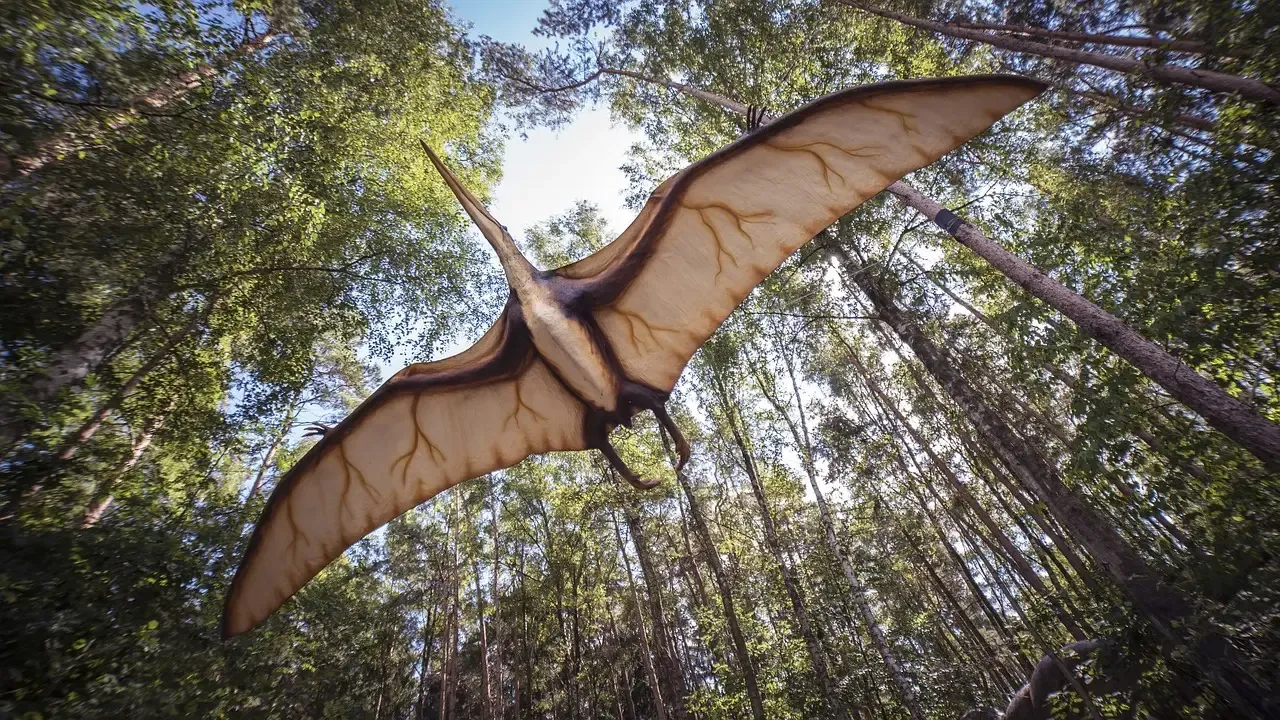
Sometimes the most important discoveries involve things that were always there but never properly seen. Using laser-stimulated fluorescence, researchers examining a pterosaur fossil made an extraordinary observation. Direct soft tissue evidence of a wing root fairing in a pterosaur was observed, a feature that smooths out the wing–body junction, reducing associated drag, and unlike bats and birds, the pterosaur wing root fairing was unique in being primarily made of muscle rather than fur or feathers.
This isn’t just an anatomical curiosity. As a muscular feature, pterosaurs appear to have used their fairing to access further flight performance benefits through sophisticated control of their wing root and contributions to wing elevation and/or anterior wing motion during the flight stroke. Think about what this means. Pterosaurs had active muscular control over a part of their wing anatomy that in birds and bats is essentially passive. They could fine-tune their aerodynamics in flight in ways we never imagined.
Taking Off Like a Bat, Not a Bird
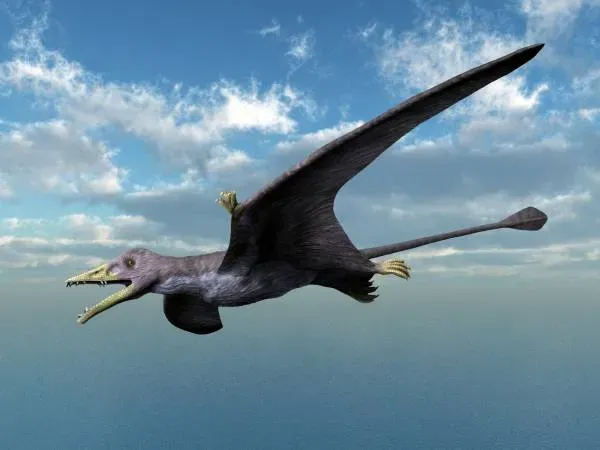
Launching a body the size of a giraffe into the air presents some serious engineering challenges. How did giant pterosaurs manage it? The first computer model for this kind of analysis of a pterosaur tested three different ways pterosaurs may have taken off, and unlike birds which mainly rely on their hindlimbs, models indicate that pterosaurs were more likely to rely on all four of their limbs to propel themselves into the air.
This four-limbed launch strategy, similar to how bats take off today, would have been crucial for getting massive pterosaurs airborne. Their wings weren’t just for flying. They were essential launch equipment. This helps explain how creatures with ten-meter wingspans could get off the ground without needing impossibly long runways or ridiculously oversized leg muscles.
Ancient Bones, Future Aircraft
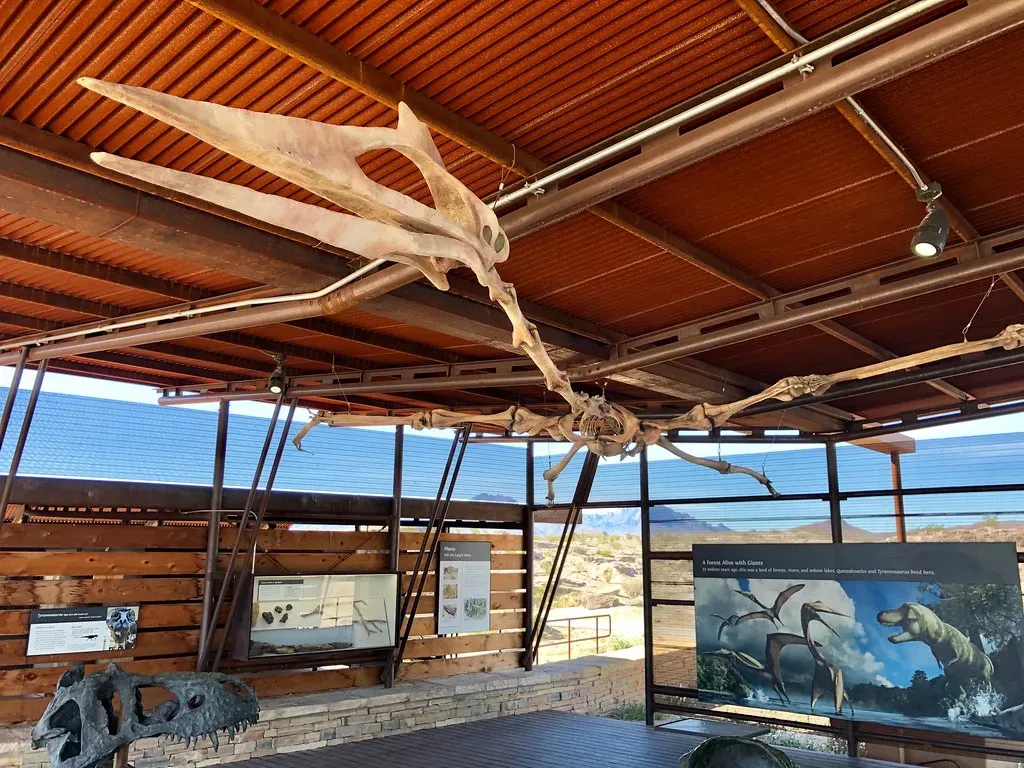
In a twist that sounds like science fiction, the latest pterosaur research might revolutionize aircraft design. Scientists at the University of Manchester used cutting-edge X-ray imaging to examine pterosaur bones at the microscopic level. They discovered that pterosaur bones contained a complex network of tiny canals, making them both lightweight and incredibly strong – details of its structure that have never been seen before.
These channels not only served biological functions, such as transferring nutrients and aiding bone growth, but also provided mechanical reinforcement, directing stress away from weaker areas, thus preventing microfractures from developing into serious damage. Engineers are now exploring how to replicate these natural designs using advanced 3D printing techniques. The same structures that allowed pterosaurs to support wingspans of over 30 feet might one day make aircraft lighter, stronger, and more fuel-efficient. Who would have thought that the solution to 21st-century aerospace challenges might come from studying 100-million-year-old bones?
Rethinking Everything
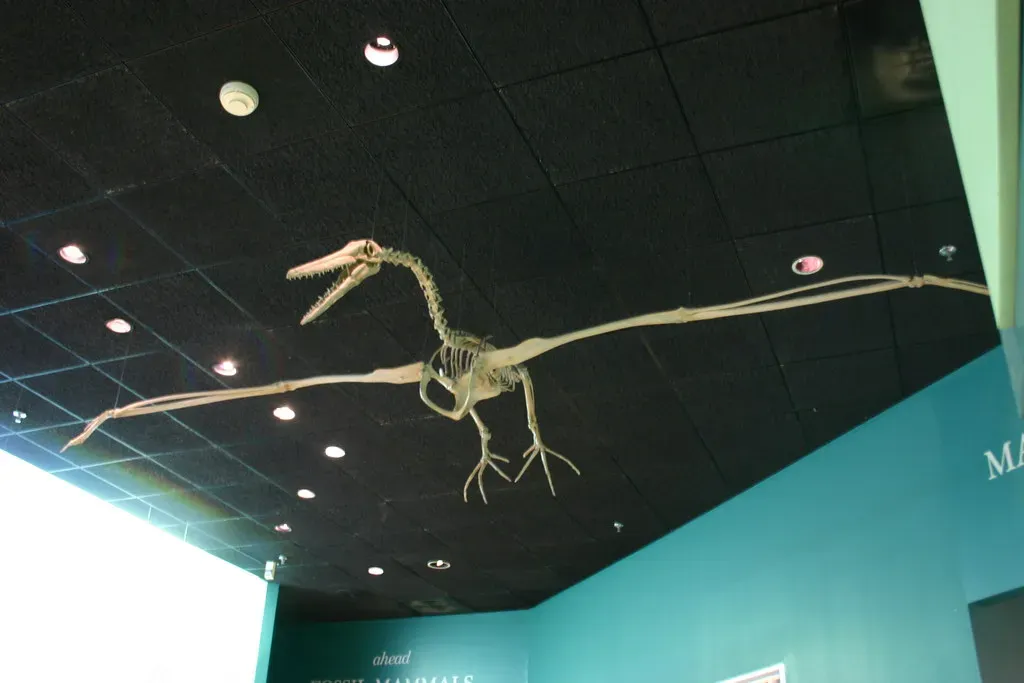
These discoveries collectively paint a picture of pterosaur flight that’s far more complex and sophisticated than anyone previously imagined. Pterosaurs didn’t just stumble into flight through gradual evolutionary tinkering. They burst onto the scene as capable fliers almost immediately, with small but specialized brains perfectly adapted for the task.
They developed unique anatomical solutions that differed fundamentally from both birds and bats, including muscular wing fairings and complex internal bone structures. Some specialized for flapping flight while others became masters of soaring, demonstrating remarkable diversity in flight strategies. The more we learn, the more we realize how little we truly understood about these incredible creatures. Science isn’t just adding details to the pterosaur story anymore. It’s writing entirely new chapters, and each fossil discovery brings fresh surprises that challenge everything we thought we knew.
What other secrets are still hidden in rocks waiting to be discovered? If the past few years are any indication, we’re only scratching the surface. What do you think will be the next big pterosaur discovery?