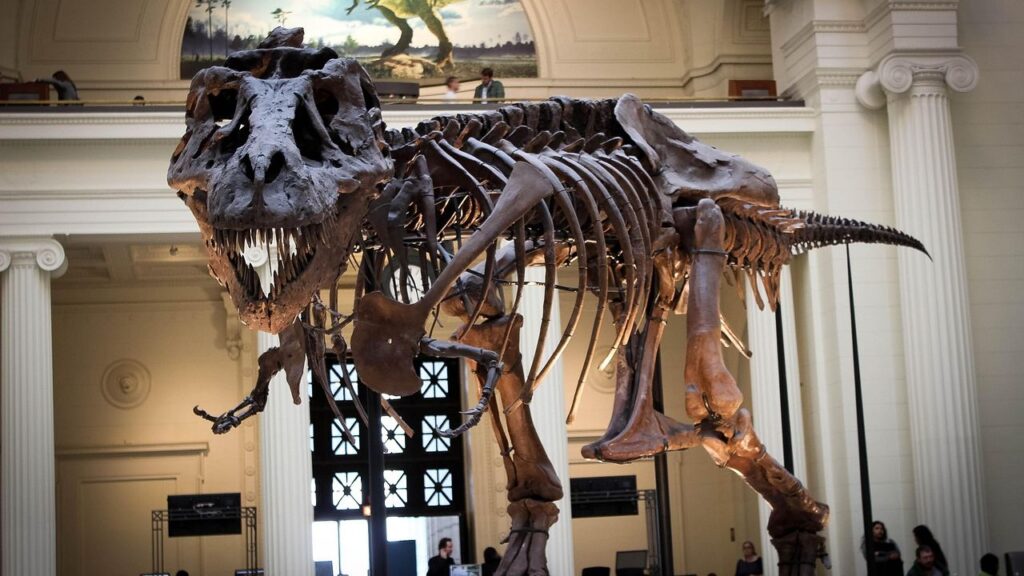
When you imagine a Tyrannosaurus rex hunting across the ancient plains, what comes to mind first? Those massive, bone-crushing jaws, right? Maybe those surprisingly tiny arms or those powerful hind legs capable of supporting a creature weighing several tons. We’ve all been captivated by those teeth, those incredible banana-shaped chompers that could pulverize bone in an instant.
Here’s the thing, though. You’re missing the real surprise. Scientists have spent decades uncovering the secrets of this legendary predator, and while yes, those jaws were absolutely terrifying, T. rex had another weapon in its arsenal that’s equally fascinating. This weapon didn’t involve teeth or claws or brute force, at least not in the way you’d expect. Let’s dive into what made this prehistoric hunter even more formidable than Hollywood ever showed you.
The Hidden Advantage Locked Inside Its Skull
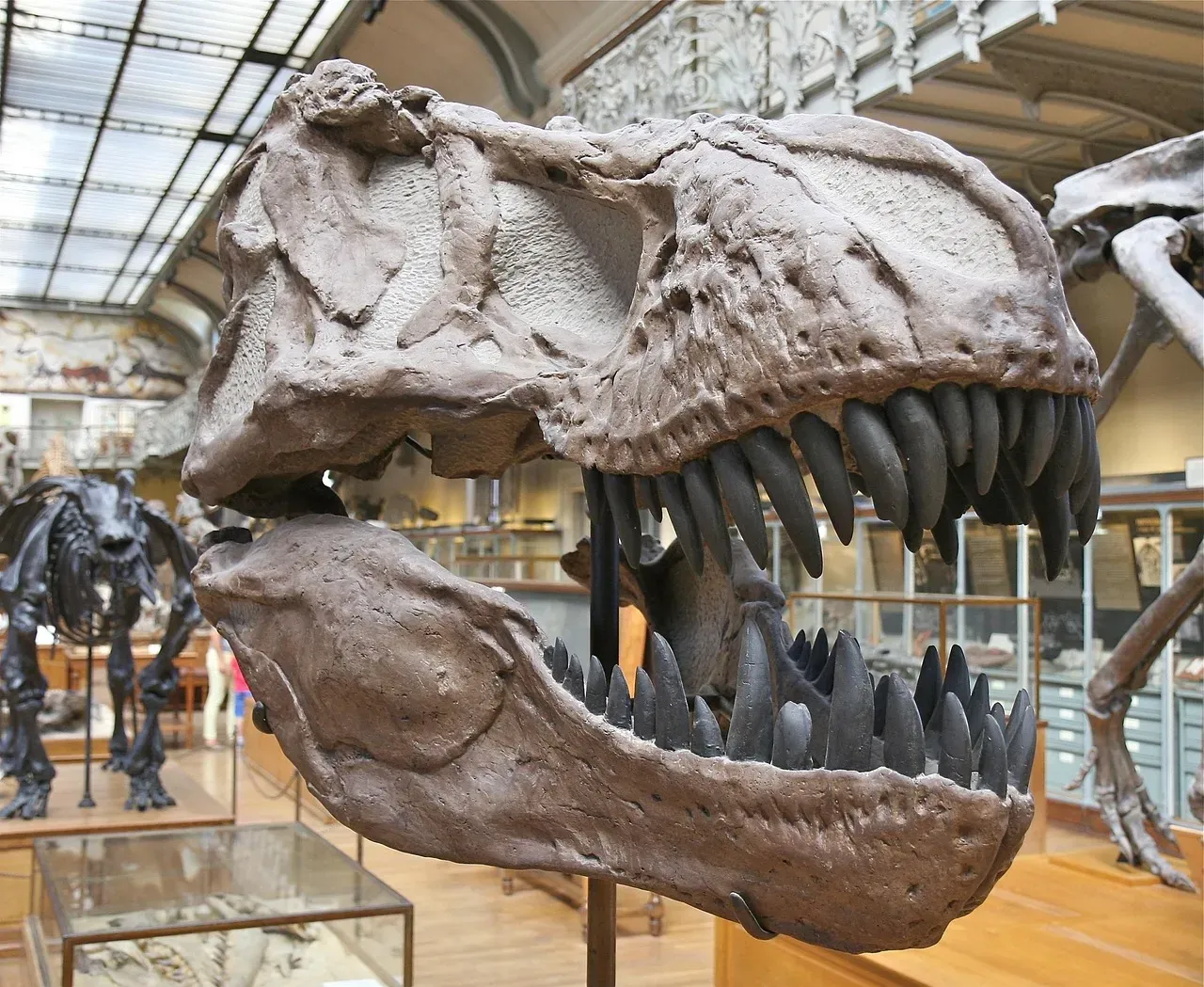
Scientists discovered that T. rex possessed fused, arch-like nasal bones that were a unique feature of tyrannosaurids. Think about that for a moment. While other predatory dinosaurs had flexible nasal structures connected by stretchy ligaments, T. rex essentially had a reinforced skull. This might sound like a minor detail, but the implications were massive.
This fusion adaptation kept T. rex from breaking its own skull while breaking the bones of its prey. Imagine having such powerful bite force that your own head could shatter from the impact. Because the nasal bones were fused, all of the bite force was transmitted to the food instead of some force distorting the skull. This was engineering brilliance, evolved over millions of years.
The Power Behind That Reinforced Structure
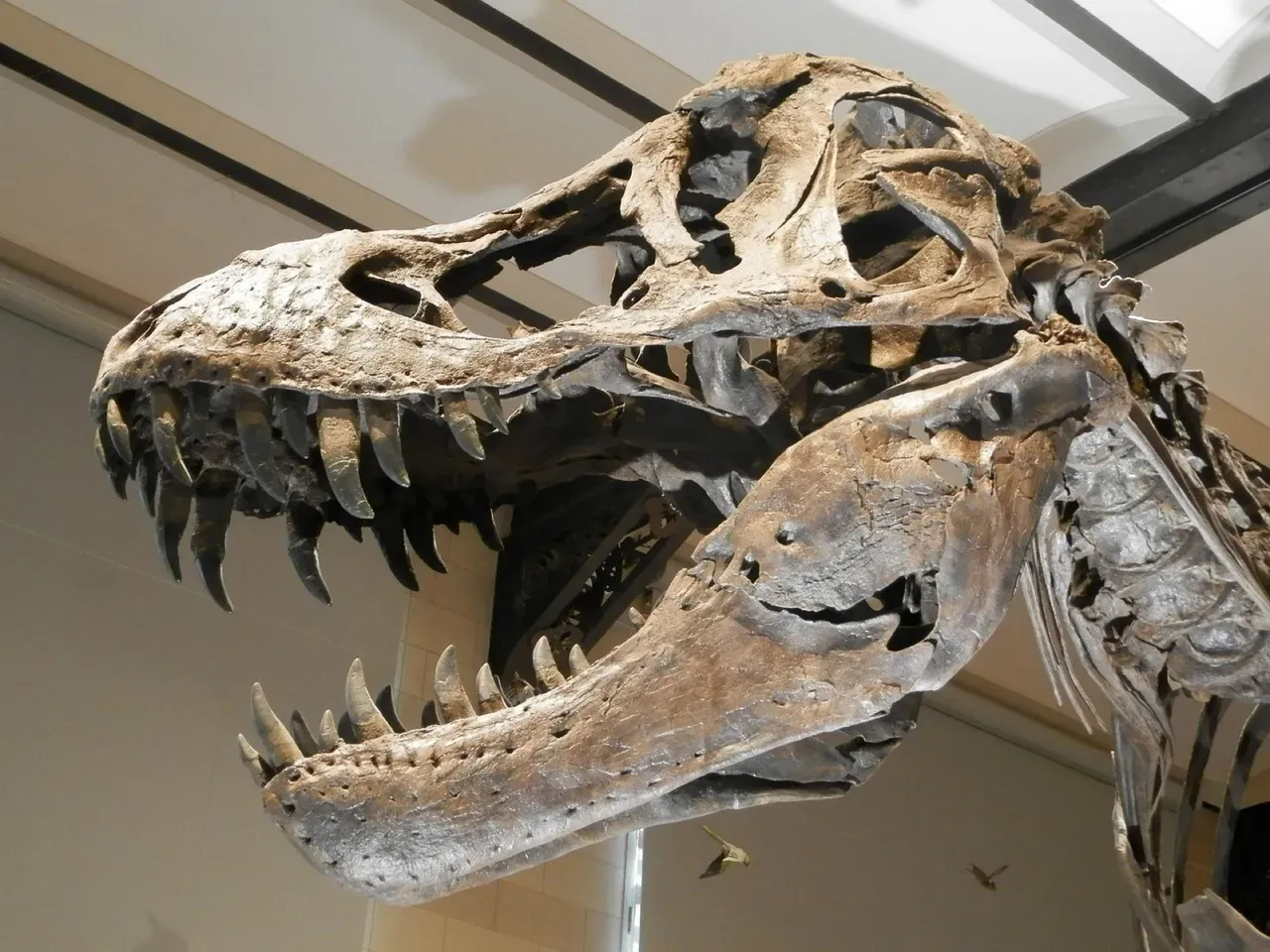
Let’s be real, the numbers here are staggering. A T. rex’s lower jaw could apply 200,000 newtons of force, enough strength to lift a tractor-trailer. Try wrapping your head around that kind of power concentrated in a single bite. Most modern predators don’t come anywhere close to generating that kind of crushing force.
CT scans showed that the fused tyrannosaurid nasal bones were stronger than unfused nasal bones found in other carnivorous dinosaurs. Other large predators of the time, even those with bigger heads, couldn’t match T. rex’s skull strength. A medium-sized T. rex boasted even more skull strength than a larger carnivorous creature such as Carcharadontosaurus saharicus, whose head was about one and a half times as long.
The unfused nasals in other dinosaurs meant wasted energy. Part of their bite force went into flexing and sliding their own skull bones against each other instead of into their prey. T. rex had no such problem.
A Tiny Bone That Changed Everything
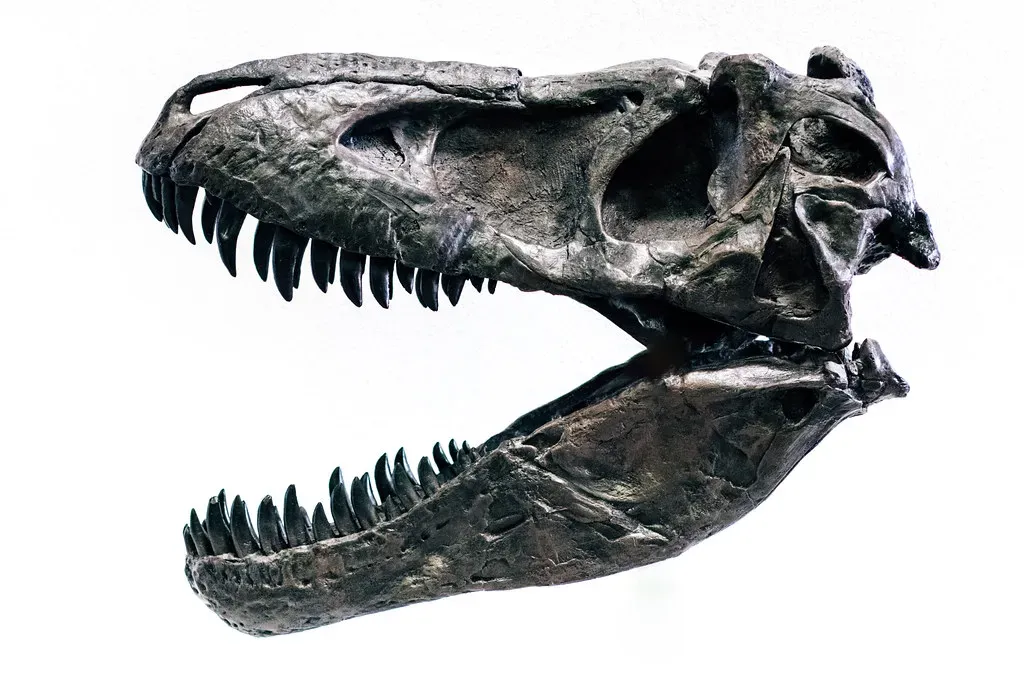
A boomerang-shaped bit of bone braced what would have been an otherwise flexible lower jaw, making a stiff lower jaw possible for T. rex’s tremendous bone-crushing bite. This small bone, called the prearticular, was basically the secret ingredient nobody expected. It’s hard to say for sure, but sometimes evolution really does come down to one tiny adaptation that makes all the difference.
The prearticular acted as a strain sink to counteract bending at the intramandibular joint, keeping the lower jaw stiff. Without it, T. rex would’ve had a flexible jaw like snakes and monitor lizards have today. A flexible jaw would not have enabled a bone-crushing bite, which is exactly what fossil evidence shows T. rex was capable of doing regularly.
With a bone spanning the intramandibular joint, T. rex could have generated bite forces of more than 6 metric tons. That’s not just impressive, it’s almost unbelievable. The engineering had to be perfect, and apparently, it was.
The Nose That Could Track You From Miles Away
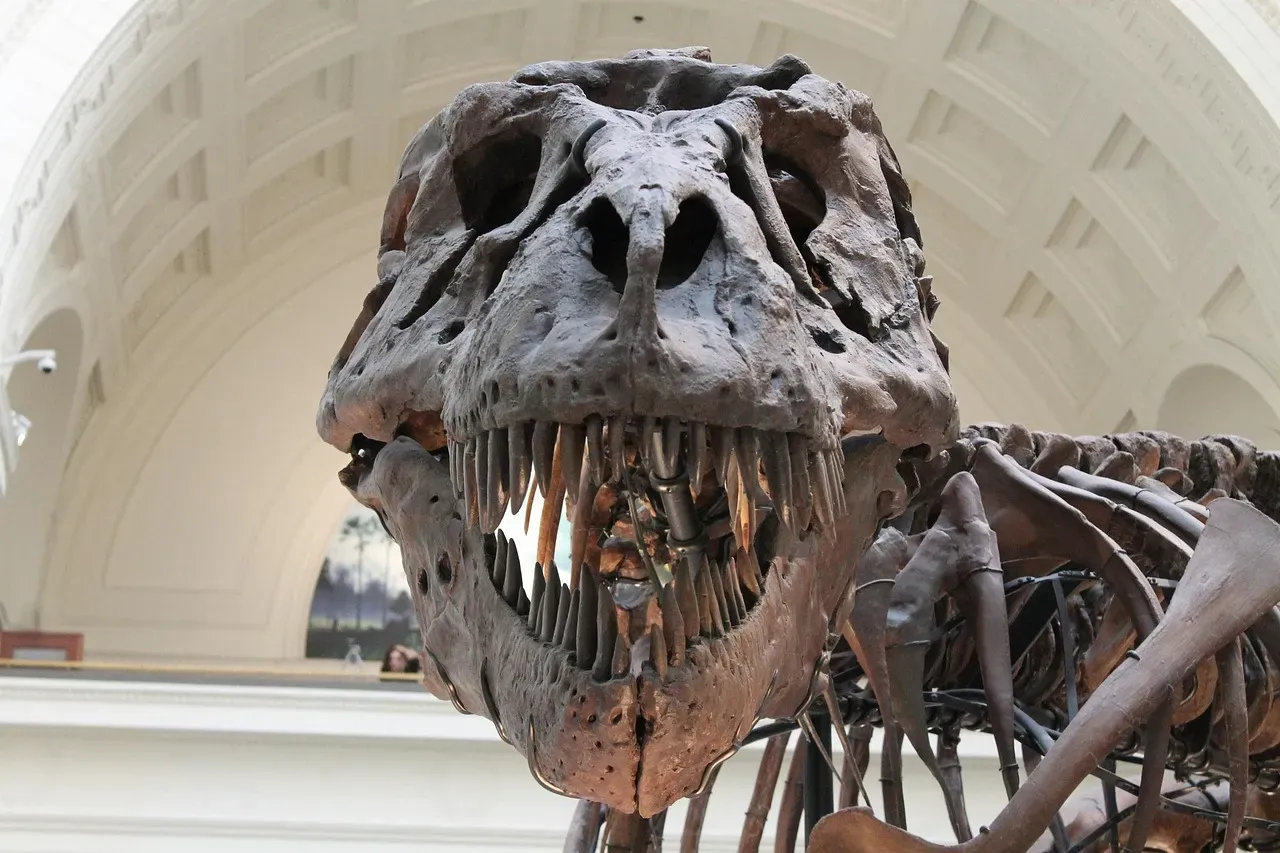
While that reinforced skull was doing its job, T. rex had another advantage working in the background. T. rex brains show unusually large olfactory regions for a dinosaur, indicating the species had an exceptionally keen sense of smell. Roughly speaking, about half of its brain volume was dedicated to processing scents. Just think about that proportion for a second.
Tyrannosaurus topped the charts with olfactory bulb dimensions consistent with more than 600 olfactory receptor genes, on par with domestic cats and higher than almost all modern birds, allowing it to sniff the wind and identify prey long before seeing them. This wasn’t just about finding dinner, either. A predator T. rex could have hunted at night and used smell to aid its strikes in the dark.
Other dinosaurs didn’t come close. Sure, some plant-eaters had decent noses for finding vegetation, but among predators, tyrannosaurs were absolutely dominant in this department.
Eyes That Saw What Others Couldn’t
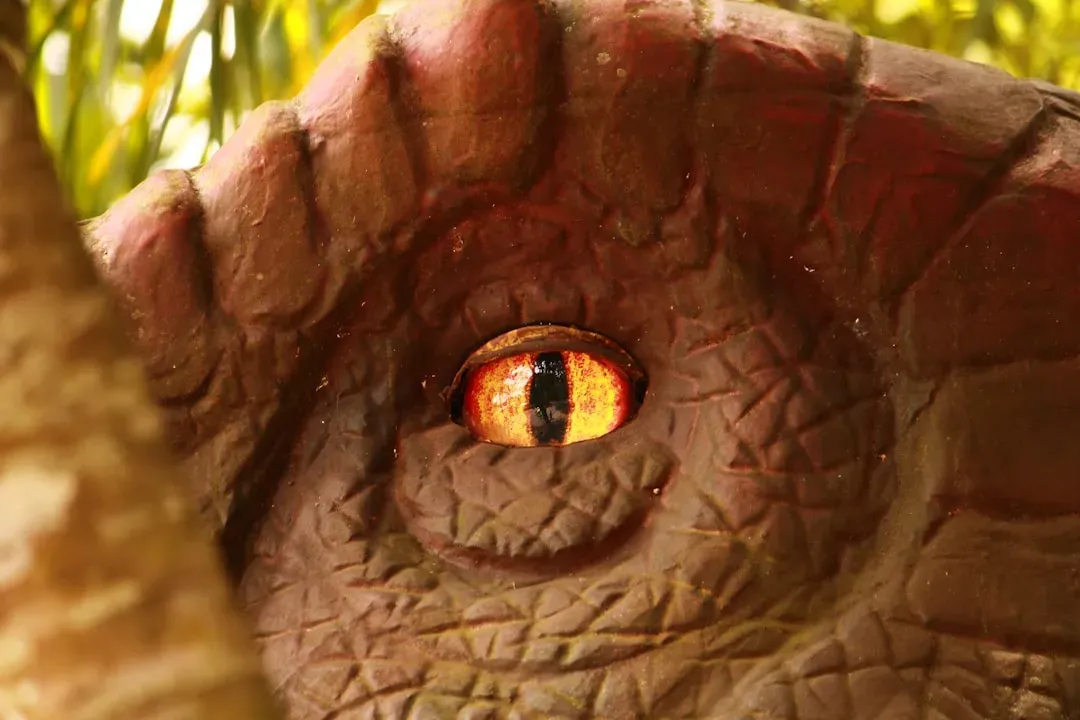
An adult T. rex had eyes the size of oranges, the largest of any land animal, and they faced forward with wide spacing giving excellent depth perception. Forward-facing eyes are a hallmark of predators. Think about hawks, eagles, or even your house cat. That’s the anatomy of a hunter, not a scavenger.
Tyrannosaurus had a binocular range of 55 degrees with 13 times the visual acuity of a human, surpassing an eagle’s vision, and could discern objects as far as 6 km away. Compare that to the roughly one and a half kilometers a human can see clearly. It’s kind of humbling when you think about it. This dinosaur could spot you from miles away, track your movements with precision, and calculate exactly when to strike.
The combination of size, placement, and processing power meant T. rex wasn’t just seeing the world, it was analyzing it with terrifying efficiency.
Teeth Designed to Never Fail
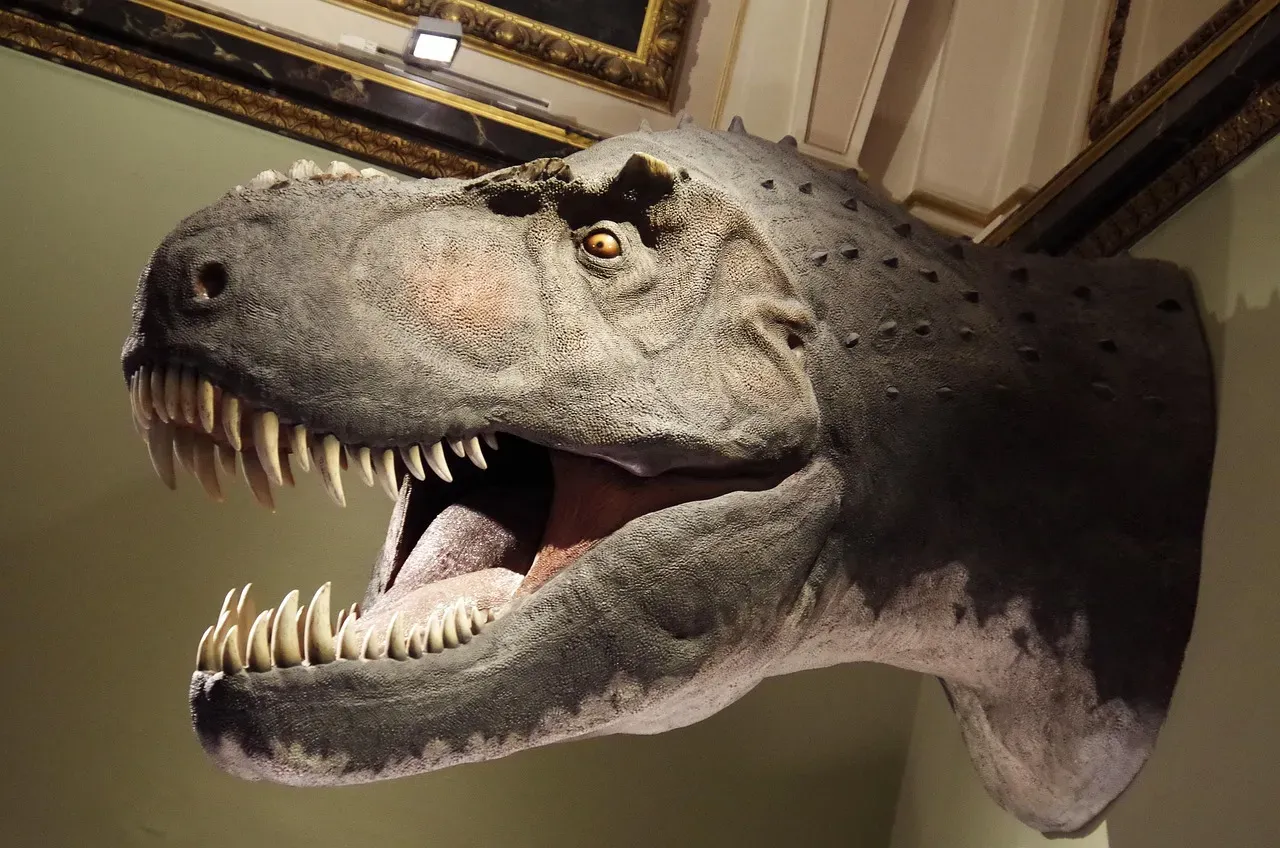
Secret structures hidden within the serrated teeth of Tyrannosaurus rex helped the fearsome dinosaurs tear apart prey without chipping their teeth. Initially, scientists thought these were cracks from wear and tear. Turns out, they were wrong. Each tooth had cracklike structures next to each serration with extra layers of calcified tissue called dentine under the outer enamel, making them tough and hard.
These weren’t design flaws. They were features. The teeth were built to handle incredible stress without shattering. The banana-shaped teeth of Tyrannosaurus rex were designed to withstand the strain of violently struggling prey which would otherwise snap teeth that were sharp, flat and knife-like.
Different teeth had different jobs too. Front teeth for gripping, side teeth for puncturing, back teeth for slicing and forcing chunks down the throat. The whole system worked together like a perfectly calibrated machine designed for one purpose: efficiently dismantling other dinosaurs.
The Neck That Tossed Prey Like Ragdolls
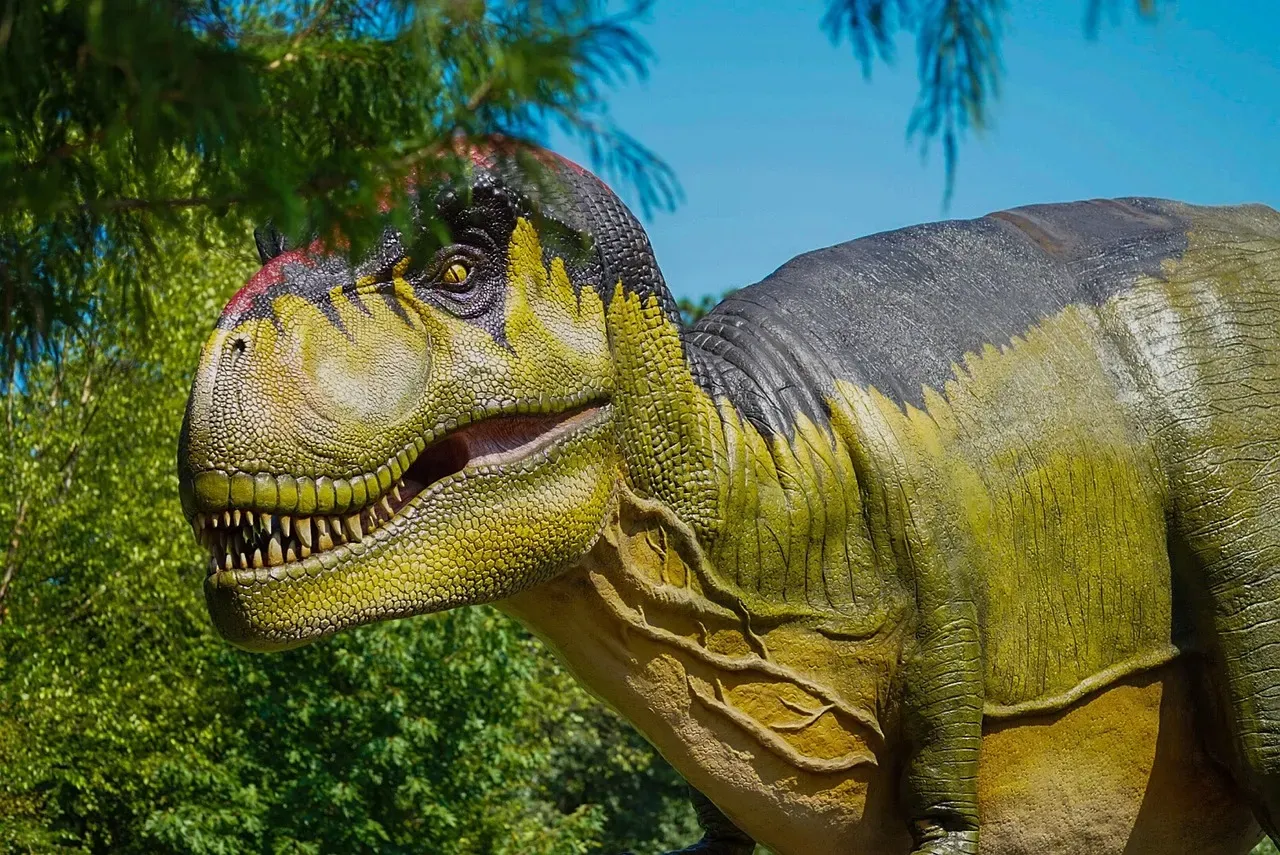
T. rex had a powerful neck that allowed it to swing its head and toss large chunks of meat up and into its throat in a split second. Now we’re getting to the really wild stuff. Scientists calculated a T. rex could fling a 100-pound person more than 15 feet into the air, and the tossing power meant it could tear from side to side, ripping chunks from another dinosaur.
Picture this scene: a multi-ton predator with a reinforced skull, crushing bite force, and the neck strength to shake its head and literally rip pieces off its prey. The physics alone are staggering. This wasn’t delicate predation, this was overwhelming force applied with surgical precision.
All those adaptations, the fused skull, the powerful jaw muscles, the reinforced structure, they all came together to create this ability. It’s like nature designed the ultimate demolition tool and then gave it legs.
The Complete Predator Package
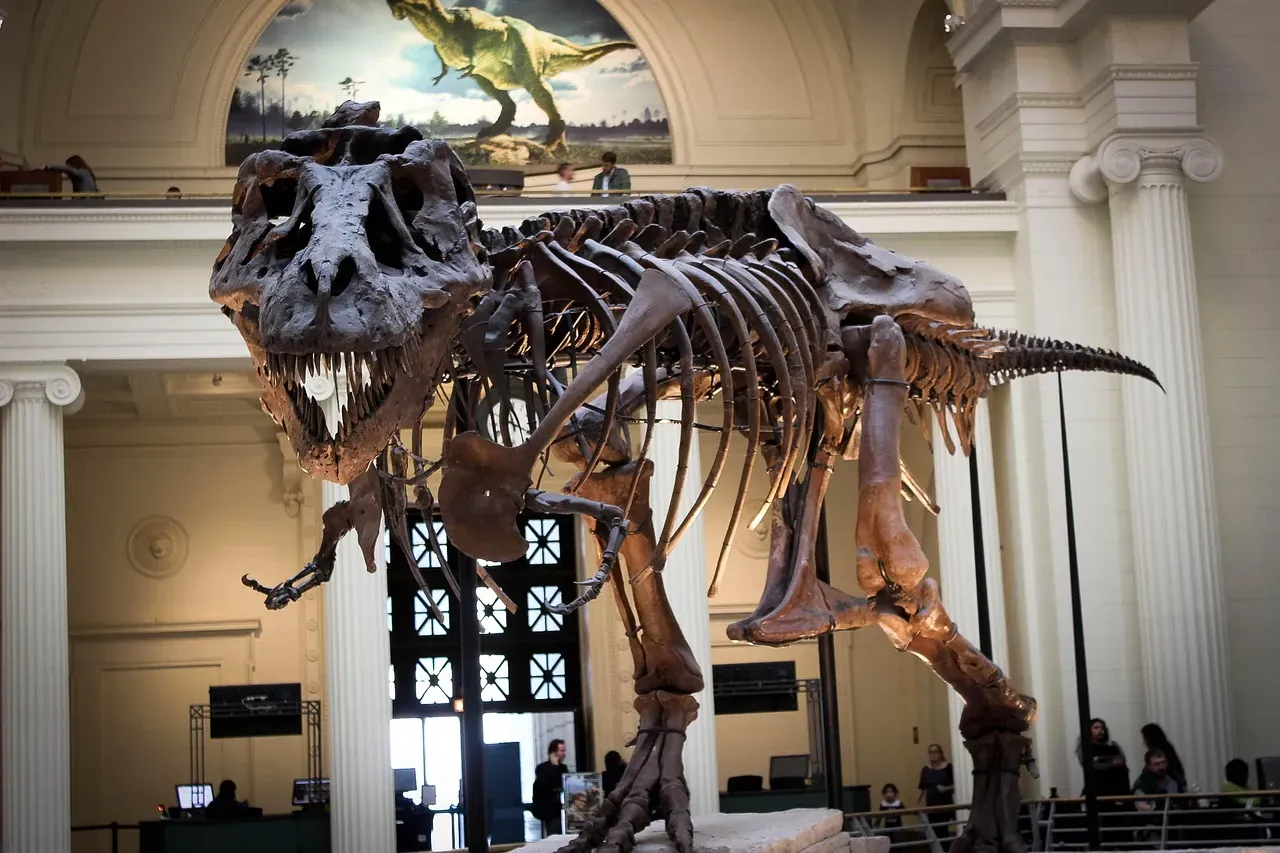
Here’s where it all comes together. The fused nasal bones weren’t operating in isolation. They were part of a complete sensory and structural package that made T. rex arguably the most effective land predator Earth has ever seen. The T. rex especially had a very strong skull and jaw muscles that would turn it into a zoological superweapon.
Every single adaptation reinforced the others. The keen sense of smell located prey from miles away. Those eagle-surpassing eyes tracked movement with deadly accuracy. The reinforced skull channeled every ounce of bite force into the target. The specialized teeth held firm without breaking. The powerful neck muscles finished the job with devastating efficiency.
T. rex’s remarkable sensory advantages included excellent hearing, sight, and sense of smell, and together with its other adaptations, these senses contributed significantly to its status as an apex predator. This wasn’t just a big dinosaur with big teeth. This was evolution’s masterpiece, refined over millions of years into something almost terrifyingly perfect at what it did.
What’s fascinating is how long it took scientists to piece all this together. We’ve known about T. rex for over a century, yet we’re still discovering new secrets about how this animal functioned. Each discovery reveals just how sophisticated these creatures really were.
So the next time someone mentions T. rex and immediately focuses on those jaws, you’ll know better. Sure, the bite was legendary, but it was that fused skull structure, that hidden reinforcement, working alongside a suite of extraordinary senses, that truly made this predator unstoppable. Did you expect that a small structural change in the skull would be just as important as those famous teeth? Sometimes the most powerful weapons are the ones you never see coming.