
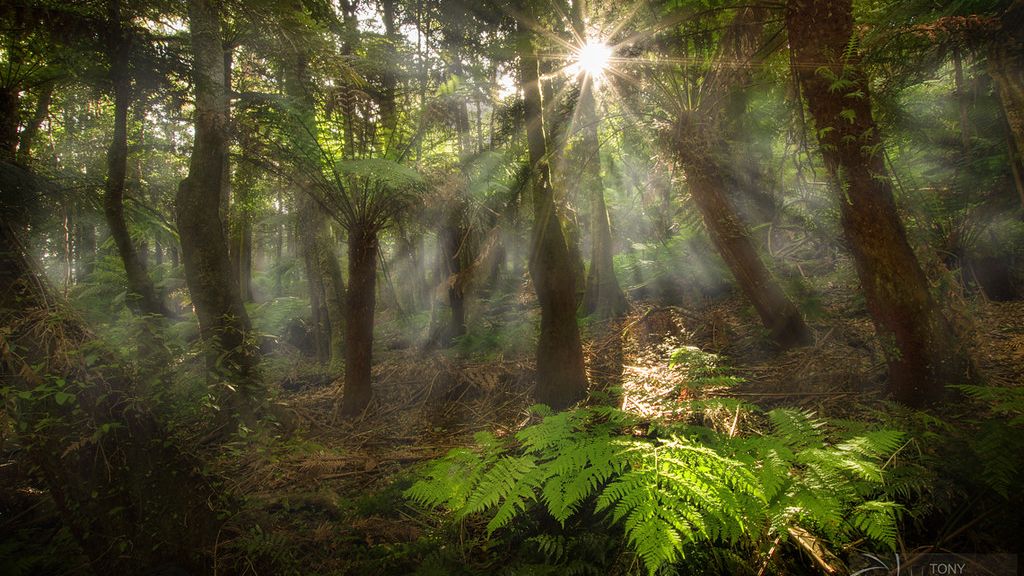
Think about the largest creatures that ever walked on Earth. These behemoths needed an enormous amount of food to survive. Now imagine what sustained them every single day for millions of years. Long before modern plants dominated our world, ancient vegetation fed the giants who shaped entire ecosystems across multiple geological periods. Paleontologists continue to uncover fascinating clues about what went onto these massive plates through fossil evidence and the remarkable survival of certain plant species to this day.
You’ll discover that the dining menu of the prehistoric world was far more interesting than you might expect.
Cycads: The Palm-Like Favorites
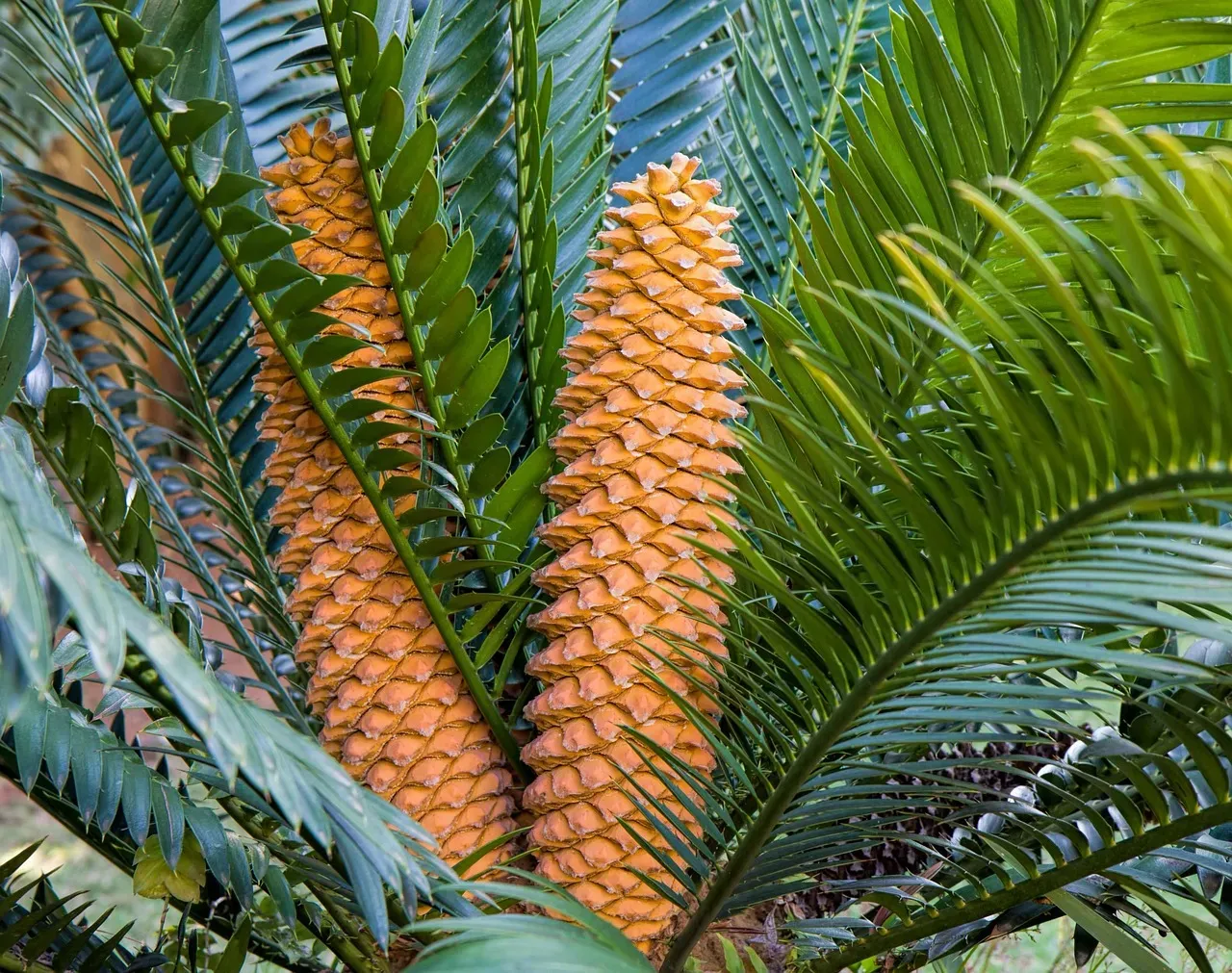
Cycads became so abundant during the Jurassic period that this era is sometimes called the “Age of Cycads.” These ancient palm-like plants with thick woody stems provided crucial nutrition for massive herbivores who needed enormous amounts of calories. Cycads dominated the menus alongside ferns, horsetails, club-mosses, conifers and ginkgoes during Triassic and Jurassic times.
What made cycads particularly valuable was their resilience and widespread availability. These ancient palm trees still exist today in certain countries, and their thick, waxy leaves helped them survive in warmer climates. The largest dinosaurs could consume these plants in vast quantities, stripping leaves from the woody stems with their specialized teeth. Honestly, when you think about creatures that weighed tens of tons, their daily food requirements were staggering.
Conifers: The Evergreen Staples
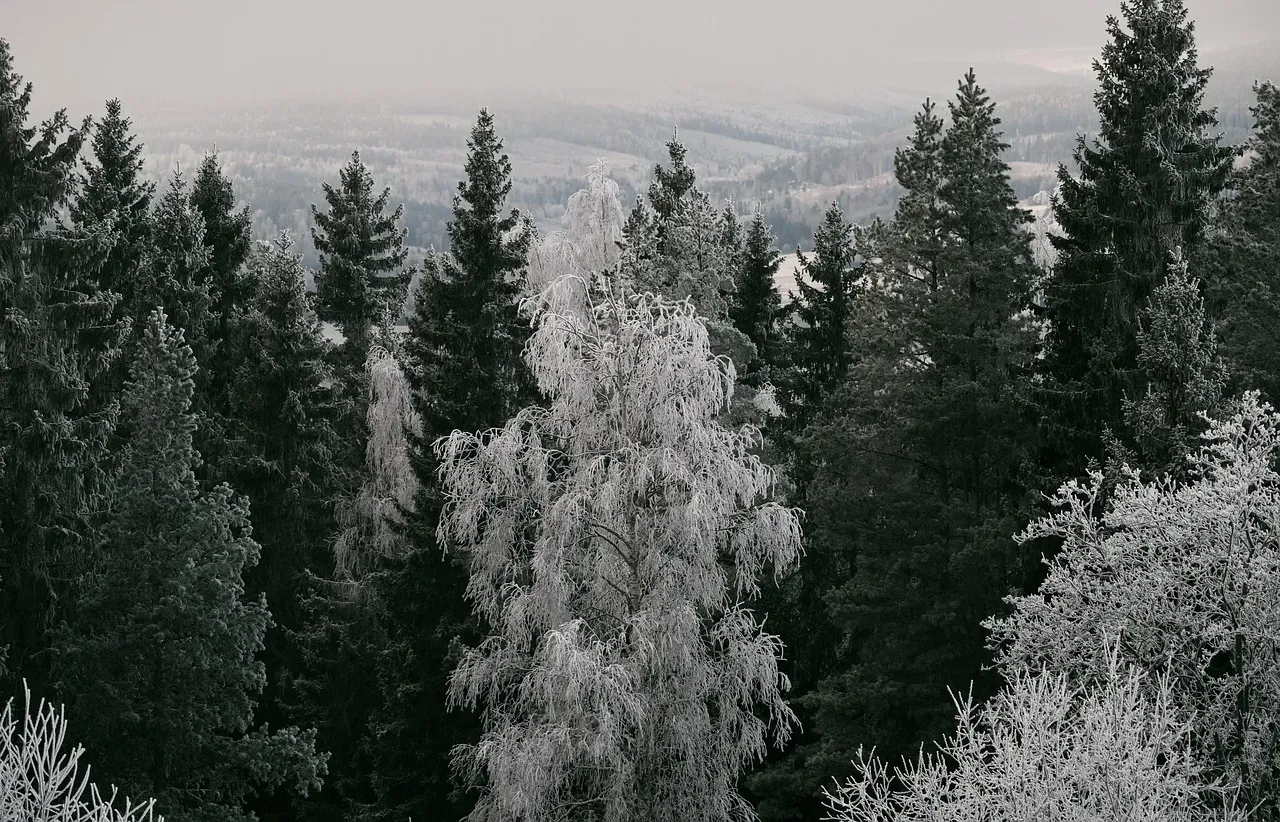
Conifers dominated the landscape during the Mesozoic when dinosaurs lived, and these slow-growing evergreen trees and shrubs probably constituted the majority of the herbivorous dinosaur’s diets. Different from today’s sparse pine forests, these ancient conifers created vast woodlands that stretched across continents.
Think about the advantage here. Evergreen trees were ideal for dinosaurs in colder environments because these trees didn’t lose their leaves when temperatures cooled down, allowing dinosaurs to continue eating throughout winter. Some hadrosaurs survived primarily on pine trees. The seed-bearing cones provided additional nutrients that herbivores desperately needed to maintain their massive frames. For sauropods with their incredibly long necks, these towering trees were perfect targets.
Ferns: The Abundant Understory
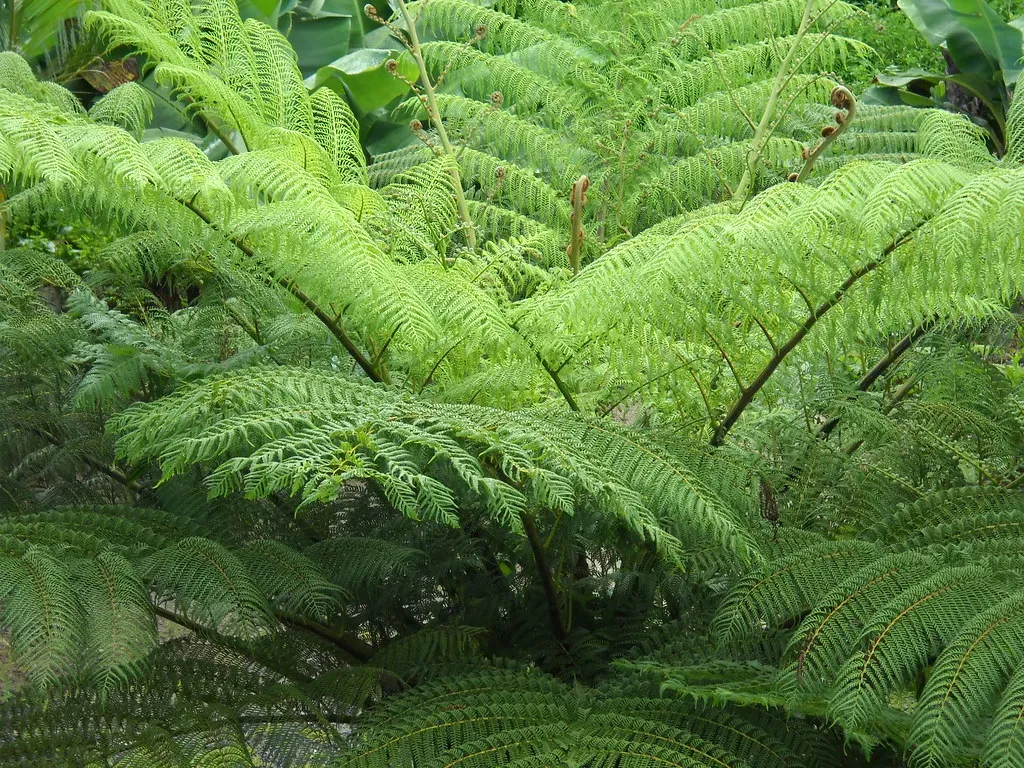
Ferns were absolutely everywhere during the age of dinosaurs. The ferns that grew during the dinosaurs’ reign actually predate these giant land creatures, having been around for more than 300 million years. Their incredible abundance made them a reliable food source that even the pickiest eaters could depend on.
Ferns dominated early Mesozoic menus alongside cycads, ginkgophytes, and bennettitaleans. Lower-growing herbivores like Stegosaurus and Ankylosaurus particularly favored these plants. Many plant-eaters like Scelidosaurus ate mostly low-lying plants such as ferns and cycads. The sheer volume of ferns across prehistoric landscapes meant that herds of dinosaurs could graze extensively without depleting their food sources too rapidly.
Ginkgoes: The Resilient Survivors
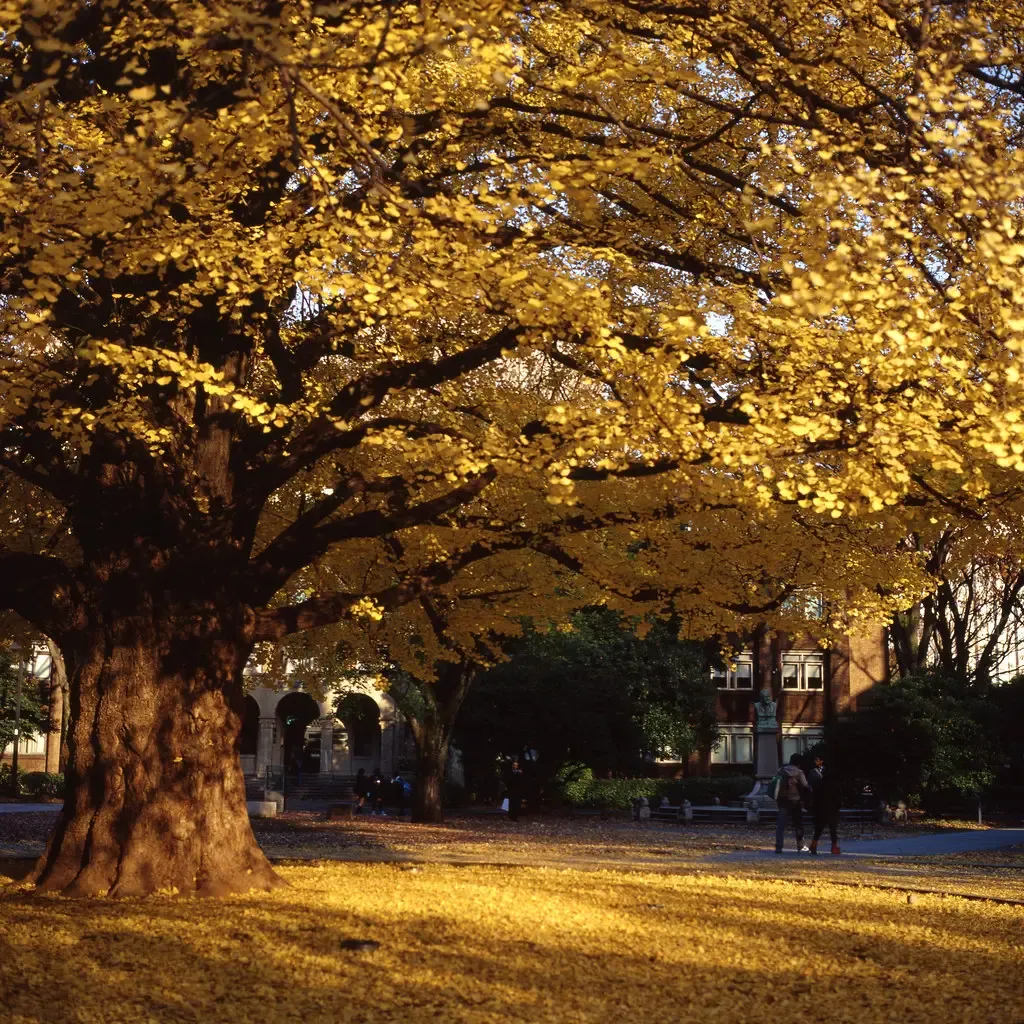
Ginkgo biloba, one of the oldest living tree species in the world, made it onto dinosaur plates. These remarkable trees have survived virtually unchanged for millions of years, making them living fossils we can still observe today.
Ginkgoes carpeted the mid- to high northern latitudes during the Jurassic period. For the towering sauropods, these trees offered substantial foliage at various heights. Giraffatitan had a long neck that enabled it to crop the topmost leaves from conifers and ginkgo. Let’s be real, when you needed to consume hundreds of pounds of vegetation daily, ginkgoes provided both accessibility and nutrition. Their fan-shaped leaves were distinctly different from other available plants, offering dietary variety.
Horsetails: The Moisture-Loving Option
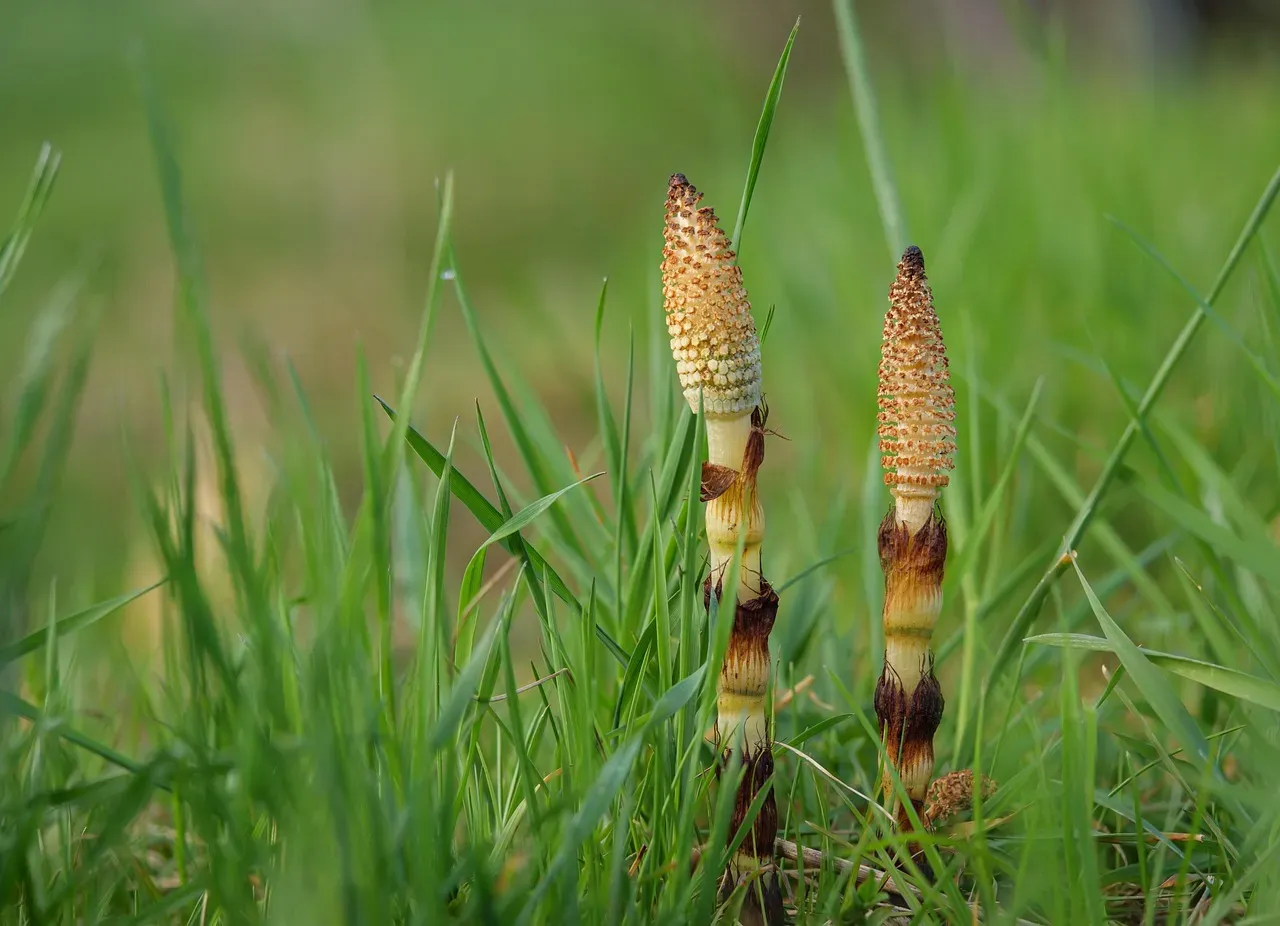
Horsetails were around during the Jurassic Period alongside ginkgoes, conifers, and ferns. These peculiar plants thrived in wet environments near rivers, lakes, and swamps where many large herbivores spent considerable time.
The rivers, lakes, and swamps that sauropods called home were rife with conifers, and if a sauropod grew tired of conifers, it could also readily feed on horsetails, club mosses, ferns, and cycads. Horsetails had a unique segmented structure that made them easy to grasp and consume. While perhaps not the most nutritious option available, their abundance in aquatic ecosystems made them a convenient supplementary food source for dinosaurs seeking relief from heat or predators near water.
Bennettitales: The Mysterious Extinct Group
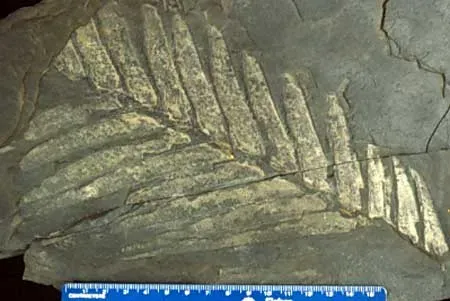
The early Mesozoic was dominated by ferns, cycads, ginkgophytes, bennettitaleans, and other unusual plants. These now-extinct plants resembled cycads but had distinct reproductive structures that set them apart from their palm-like cousins.
Bennettitales remain somewhat mysterious because they vanished completely, leaving only fossil evidence behind. Scientists believe these plants produced seed-bearing structures that may have resembled flowers, making them attractive food sources. Sauropods could readily feed on Bennettitales alongside horsetails, club mosses, ferns, and cycads. The fact that such massive creatures depended on plants that no longer exist really puts into perspective how dramatically Earth’s vegetation has transformed. It’s hard to say for sure exactly what role they played, but fossil evidence suggests they were widespread enough to feed entire herds.
Flowering Plants: The Late Arrivals
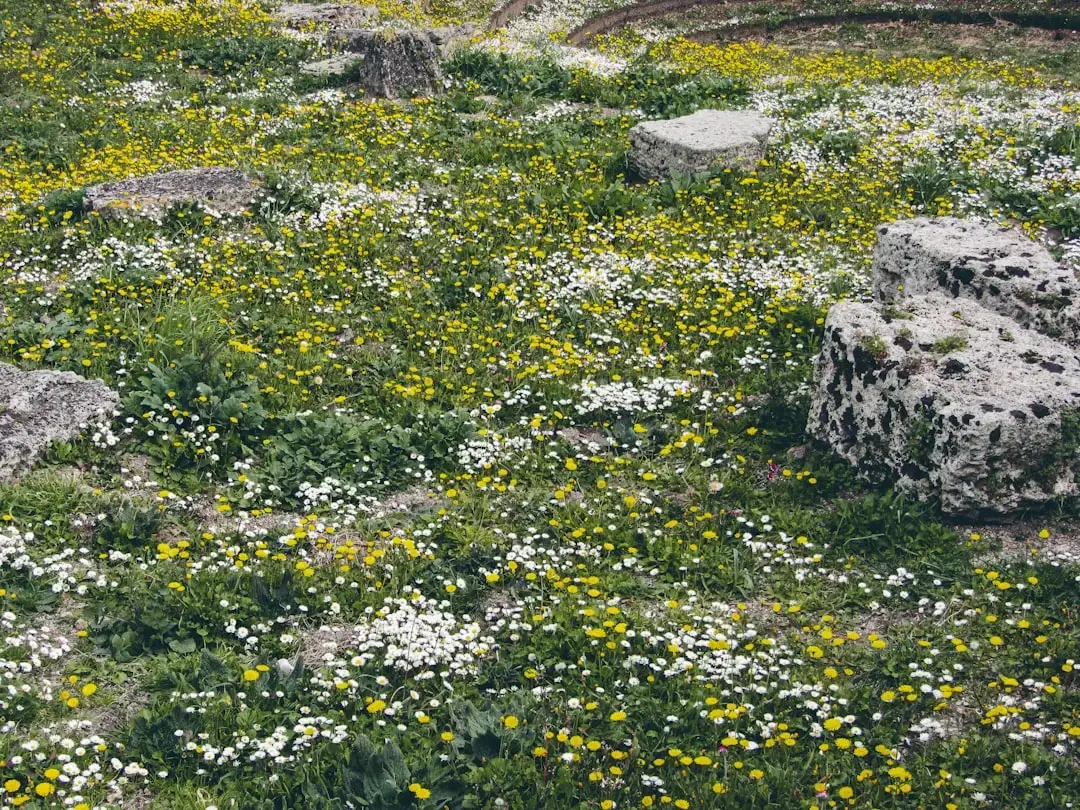
The Cretaceous saw an expansion of food options with flowering plants becoming dominant and grasses appearing towards the end of the period. These angiosperms arrived relatively late in dinosaur history but quickly diversified into numerous forms.
Many plants had edible leaves including flowering plants in the latter part of the dinosaur age, and although the exact time of origin for flowering plants is still uncertain, the last of the dinosaurs certainly had fruit available to eat. Scientists found at least five types of grass in the fossilized remains of a Titanosaurus, though grass wasn’t a large part of their diet because they didn’t have the grinding-style teeth good for grazing. The emergence of flowering plants represented a major evolutionary shift that changed dinosaur diets significantly during their final millions of years on Earth.
Conclusion
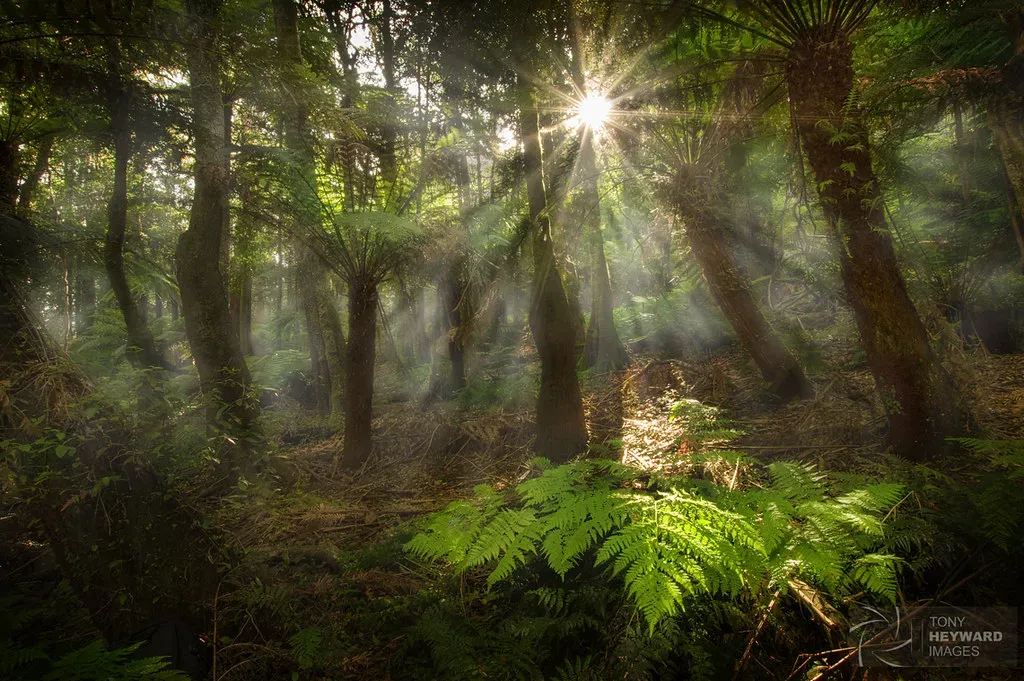
The ancient plants that sustained the largest dinosaurs tell a fascinating story of survival, adaptation, and interconnection. From the cycad-dominated Jurassic landscapes to the flowering plant revolution of the Cretaceous, vegetation shaped how these giants lived and where they roamed. Many of these ancient plants like ginkgoes, conifers, and ferns still grow today, offering us living connections to that prehistoric world.
Understanding what these massive creatures ate helps you appreciate the complexity of ancient ecosystems and how dramatically our planet has changed. What do you think about these ancient meals? Can you imagine a world where cycads and horsetails fed creatures weighing more than modern buses?