You probably know the story. A massive asteroid slammed into the Yucatan Peninsula around 66 million years ago, and the dinosaurs went extinct. It’s the catastrophe that gets all the attention, the one splashed across documentaries and blockbuster films. The thing is, Earth’s history is littered with apocalyptic disasters that make that asteroid look almost gentle by comparison.
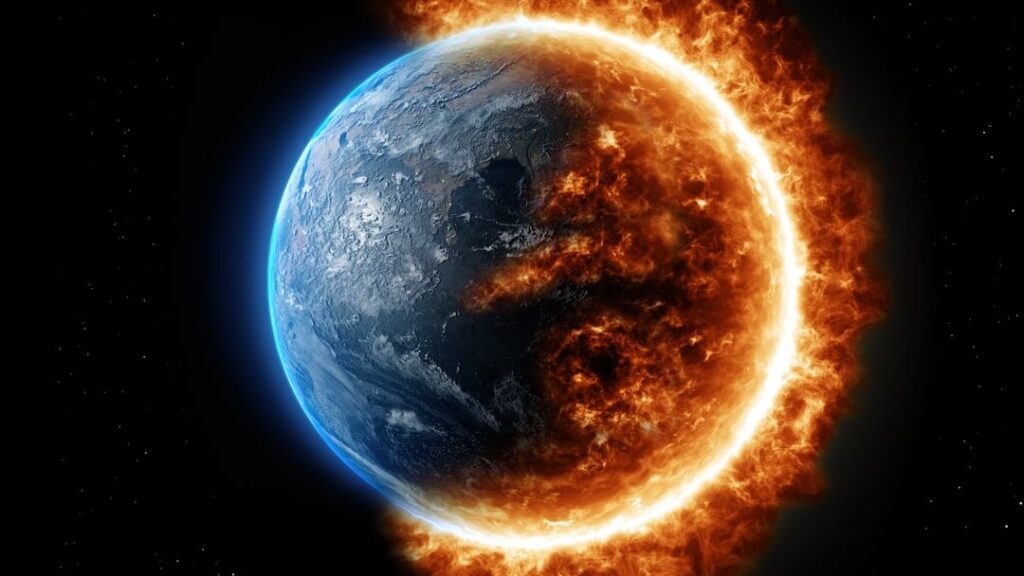
We’re talking about events that nearly wiped life itself from the planet. Imagine a world frozen solid, encased in ice from pole to equator. Picture a planet choking on its own oxygen, a gas that once killed almost everything alive. Think of an event so devastating it erased roughly nine out of every ten species from existence. These catastrophes didn’t just reshape the surface of our planet; they fundamentally altered the trajectory of life itself.
So let’s dive in and explore three catastrophes that rewrote Earth’s rulebook long before the dinosaurs ever walked the planet.
The Great Oxidation Event: When Oxygen Became a Killer
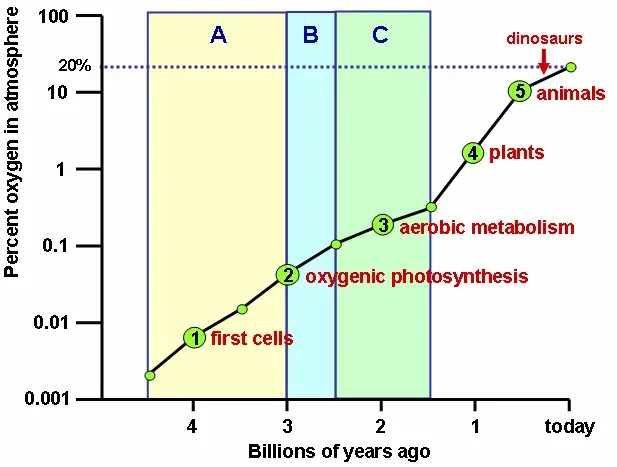
Approximately 2.46 to 2.43 billion years ago, during the Earth’s Paleoproterozoic era, the atmosphere and shallow seas first experienced a rise in the concentration of free oxygen. This sounds like good news, right? After all, we breathe oxygen every day. Here’s the twist: back then, oxygen was a lethal poison to virtually all life on Earth.
Long ago, oceanic cyanobacteria evolved to carry out photosynthesis to make energy for themselves and didn’t need oxygen as they were completely anaerobic; in fact, oxygen was poison for cyanobacteria. Yet these tiny organisms kept pumping out oxygen as a waste product. Over a span of 200 to 300 million years, oxygen was produced at a faster rate than it could react with other elements, accumulated over vast swathes of the ocean and oxygenated the water, and gradually escaped into the atmosphere where it reacted with methane.
The appearance of highly reactive free oxygen, which can oxidize organic compounds and is toxic to the then-mostly anaerobic biosphere, may have caused the extinction of many early organisms on Earth. Think about that for a moment. The organisms that created oxygen were essentially poisoning themselves and everything around them. While the cyanobacteria proliferated, the anaerobe populations had been greatly affected by the presence of oxygen, which was a toxic environment for them, leading to their mass extinctions.
The consequences rippled across the planet in unexpected ways. When oxygen combined with methane, it produced carbon dioxide; because there was less methane in the atmosphere, the greenhouse effect wasn’t as strong, and without heat trapped in the atmosphere, Earth froze over for about 300 million years. So not only did oxygen kill off most life directly, but it also triggered one of Earth’s first major ice ages. Yet this catastrophe also paved the way for something remarkable: the evolution of aerobic respiration and eventually, complex multicellular life.
The Permian Extinction: Earth’s Greatest Dying
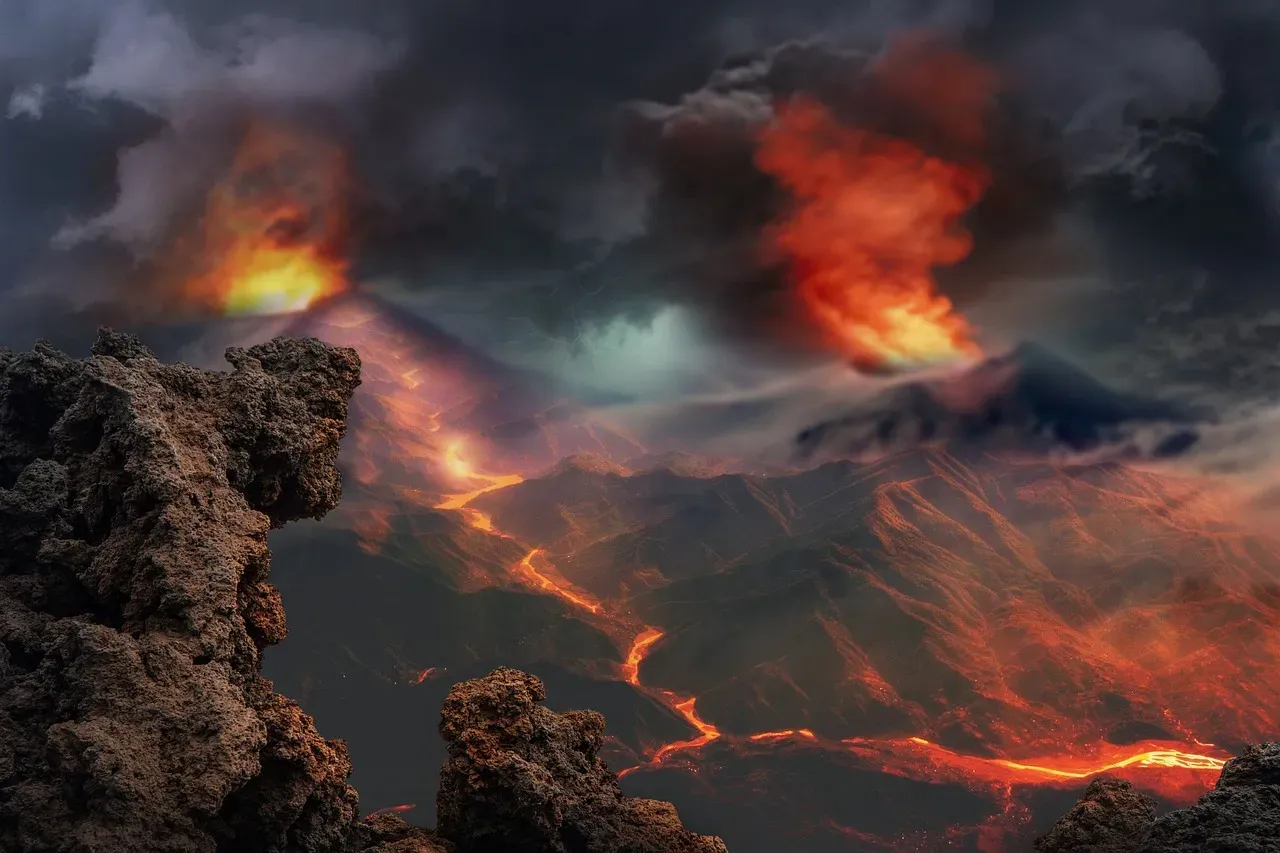
Approximately 251.9 million years ago, an extinction event occurred at the boundary between the Permian and Triassic geologic periods, representing Earth’s most severe known extinction event, with the extinction of 57% of biological families, 81% of marine species, and 70% of terrestrial vertebrate species, and it is also the greatest known mass extinction of insects. Let’s be real here: calling this the “Great Dying” isn’t just dramatic marketing. It’s probably an understatement.
About 250 million years ago, at the end of the Permian period, something killed some 90 percent of the planet’s species, with less than 5 percent of the animal species in the seas surviving and on land less than a third of the large animal species making it. Picture walking through a world where almost every living thing you see is dead or dying. The extinction took place in as little as 100,000 years, quicker than the click of a camera shutter on a geologic scale of time.
The scientific consensus is that the main cause of the extinction was the flood basalt volcanic eruptions that created the Siberian Traps, which released sulfur dioxide and carbon dioxide, resulting in oxygen-starved, sulfurous oceans, elevated global temperatures, and acidified oceans. The eruption covered around 2 million square kilometers with lava and was one of the largest volcanic events in Earth’s history. Honestly, it’s hard to imagine the scale of destruction we’re talking about here.
The Siberian volcanoes ejected about 3 million cubic kilometers of lava, as well as greenhouse gases like carbon dioxide which helped to warm the ancient world; when Earth warms, its oceans warm as well, and warmer oceans have a tougher time retaining dissolved oxygen in their waters than colder oceans do, leading to ocean waters that lack sufficient oxygen to sustain life. The recovery took forever. Close study of ecosystem evolution shows that true ecological recovery was slower, with taxonomic diversity at the community level not recovering to pre-extinction levels and reaching only a low plateau after each pulse and continuing low into the Late Triassic. Life survived, but it took millions of years to crawl back from the brink.
Snowball Earth: The Planet Frozen Solid
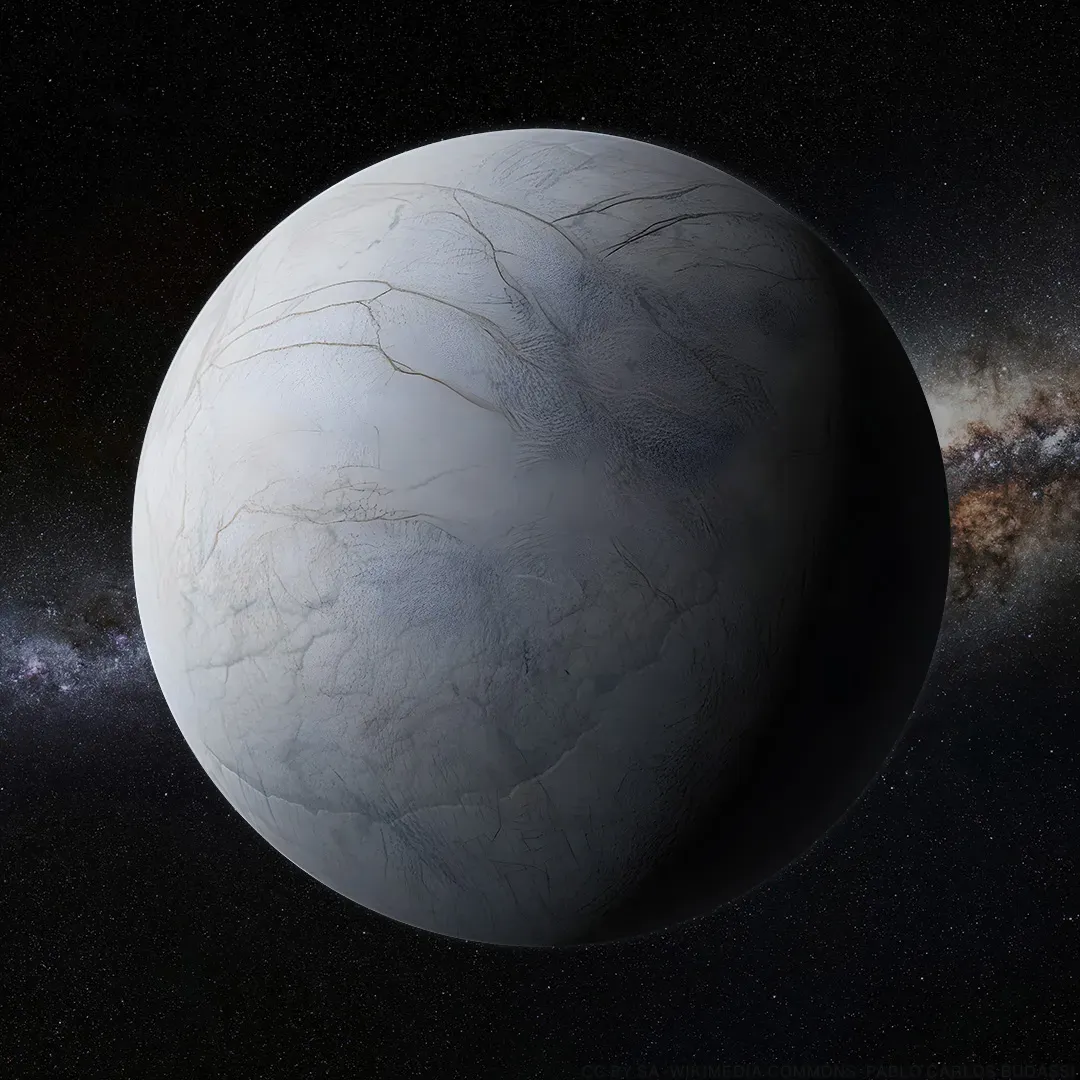
The Snowball Earth hypothesis proposes that during one or more of Earth’s icehouse climates, the planet’s surface became nearly entirely frozen with no liquid oceanic or surface water exposed to the atmosphere, believed to have occurred some time before 650 million years ago during the Cryogenian period. Try to wrap your head around that: the entire planet, from the poles to the equator, covered in ice.
At least two Snowball Earth glaciations occurred during the Cryogenian period, roughly 640 and 710 million years ago, with each lasting about 10 million years or so. The first Snowball lasted for 58 million years and the second one only lasted 5 million to 15 million years. These weren’t your typical ice ages. The Sturtian snowball was a runaway climate catastrophe that occurred because ice reflects more sunlight than land or water, so ice reflected sunlight which cooled the planet, which made more ice, which reflected more sunlight and so on, until the whole world ended up buried under glaciers.
You might be wondering how life survived at all. It is believed that the effect of a Snowball event on the biosphere of Earth would have been catastrophic, supported by evidence that indicates the carbon-isotope ratios of carbonates from this period are the same as those of Earth’s mantle, implying that photosynthesis and most eukaryotic life was effectively eliminated. Yet some organisms did survive, likely in volcanic hot springs, deep-sea vents, or pockets of liquid water beneath the ice.
One proposed solution involves the outgassing of massive amounts of carbon dioxide by volcanoes, which could have warmed the planetary surface rapidly by enhancing the planet’s greenhouse effect, especially given that major carbon dioxide sinks would have been dampened by a frozen Earth. The Snowball glaciations terminate extremely abruptly and they are followed by clear evidence of a complete and abrupt climate reversal, a very hot period. Imagine going from a frozen wasteland to a scorching greenhouse in geological terms, practically overnight. The Snowball Earth episodes may have triggered the evolution of multicellularity, setting the stage for the explosion of complex life that followed.
The Aftermath: How Catastrophes Forge Evolution
Here’s the thing about these disasters: they didn’t just destroy. They created opportunities. After each catastrophe, the few survivors found themselves in a world with endless ecological niches to fill. Disaster taxa, known to insinuate themselves into empty guilds, pushed the boundaries of their geographical range and ecospace, with Early Triassic terrestrial ecosystems clearly dominated by a small number of genera, most notably the dicynodont Lystrosaurus, which accounted for approximately 90% of terrestrial vertebrates, and then experienced rapid turnover in the time immediately following the event.
The Great Oxidation Event ultimately enabled aerobic respiration, a vastly more efficient way to generate energy than anything that came before. The increase in oxygen levels in the early atmosphere allowed organisms to exploit the abundant oxygen in their cells for use in biological processes such as cellular respiration; the aerobic type of respiration is about ten times more efficient than the anaerobic type in terms of yielding ATP, and the availability of sufficient oxygen in the atmosphere is one of the climactic events that led to the development of the multicellularity of life on Earth.
The Permian extinction, despite killing nearly everything, cleared the way for the age of dinosaurs. With its competition gone, Lystrosaurus spread across the world, from Russia to Antarctica; death creates opportunity as survivors occupy vacant niches, and within a million years synapsid diversity recovered, with one lineage producing our ancestors, the first mammals. It’s a sobering thought that we exist only because of that ancient catastrophe.
The fact that Ediacara evolved so soon after the end of the Snowball Earth suggests the great global catastrophe may somehow have nurtured the conditions for the evolution of these first animals. Each disaster fundamentally rewrote the rules of life on Earth, pushing evolution in directions it might never have taken otherwise. Sometimes, it seems, you need to nearly destroy everything to create something entirely new.
Warning Signs: What Ancient Catastrophes Tell Us Today
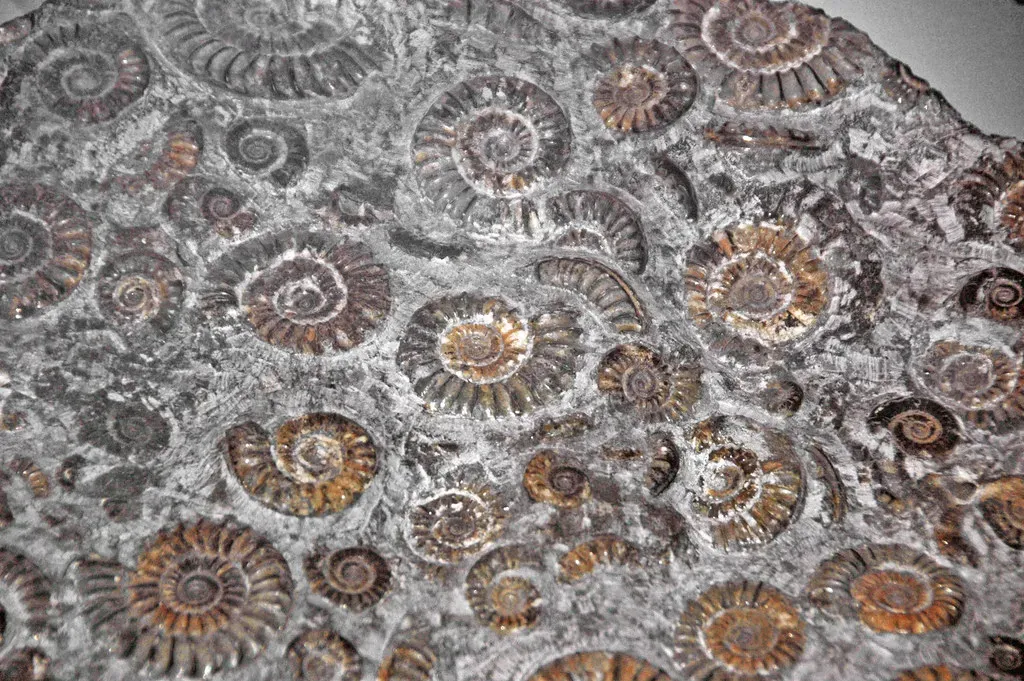
These ancient disasters aren’t just fascinating history lessons. They’re warnings. The extinction was triggered by events resembling the changes brewing in today’s oceans, and this study could be telling us a lot on how ocean ecosystems will respond as we proceed into the increased environmental stress that may well lead to a sixth mass extinction. The patterns we see in the geological record are eerily familiar.
New research combines models of ocean conditions and animal metabolism with published lab data and paleoceanographic records to show that the Permian mass extinction in the oceans was caused by global warming. Rising temperatures, ocean acidification, oxygen depletion in marine environments… sound familiar? We’re essentially running the same experiment that killed ninety percent of life on Earth, just at a much faster pace.
The ongoing sixth mass extinction may be the most serious environmental threat to the persistence of civilization because it is irreversible, and thousands of populations of critically endangered vertebrate animal species have been lost in a century, indicating that the sixth mass extinction is human caused and accelerating. The difference is that this time, we’re the asteroid. We’re the volcanic eruption. We’re the runaway climate feedback.
The question isn’t whether catastrophes can reshape Earth. We know they can. We’ve seen the evidence carved into the rocks, frozen in ancient ice, preserved in fossilized bones. The question is whether we’ll learn from these ancient disasters before we become just another layer in the geological record, a thin band of plastic and concrete marking the brief existence of a species that knew better but couldn’t stop itself in time.
Conclusion: Earth’s Resilience and Fragility
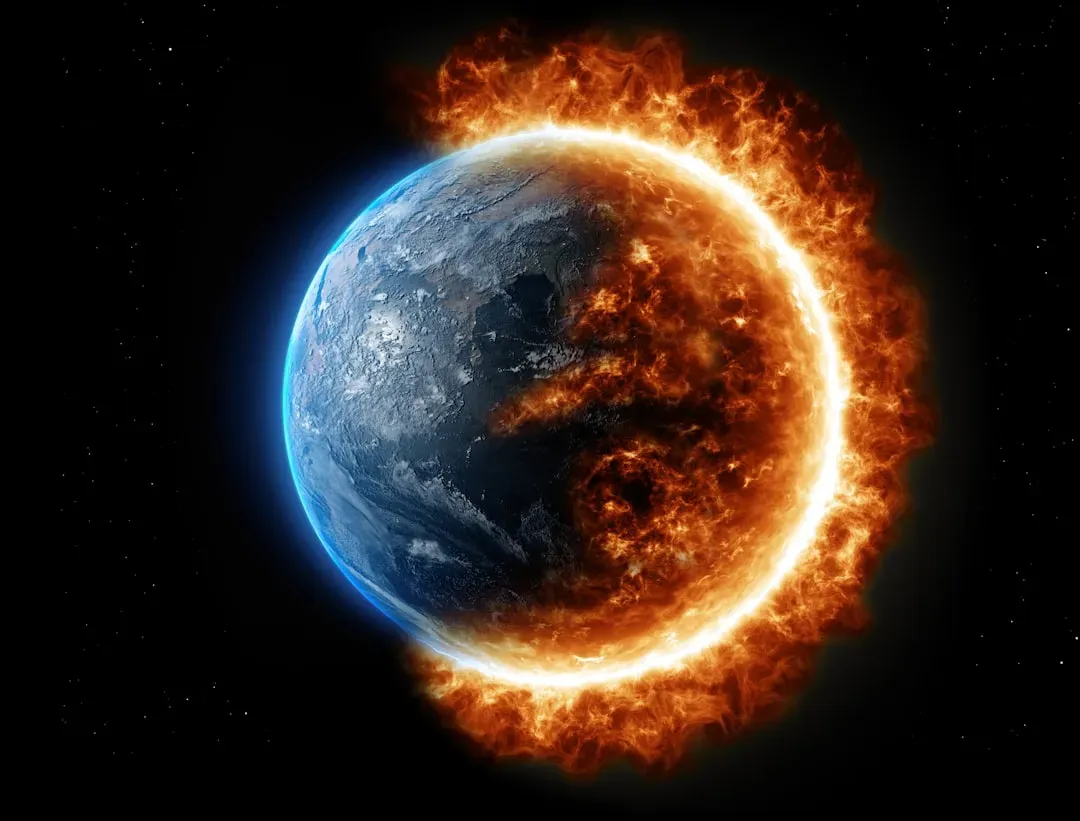
Looking back at these three catastrophes, along with the more famous asteroid impact, a pattern emerges. Earth is simultaneously incredibly resilient and terrifyingly fragile. If life can survive the Permian extinction, it can survive anything. Life itself persists, adapts, and eventually flourishes again. The planet recovers, though it may take tens of millions of years.
Yet that recovery comes at an unimaginable cost. Species that took millions of years to evolve vanish in what amounts to a geological eyeblink. Ecosystems collapse. The survivors are often just the generalists, the weedy species that can tolerate almost anything. Complexity takes forever to rebuild.
These catastrophes reshaped Earth more profoundly than any asteroid impact ever could. They transformed the atmosphere itself, froze the entire planet, and came within a hair’s breadth of extinguishing all life. They remind us that our world has been through hell and back multiple times, and each time, it emerged fundamentally changed. What do you think about these catastrophic events? Did any of them surprise you with their severity?