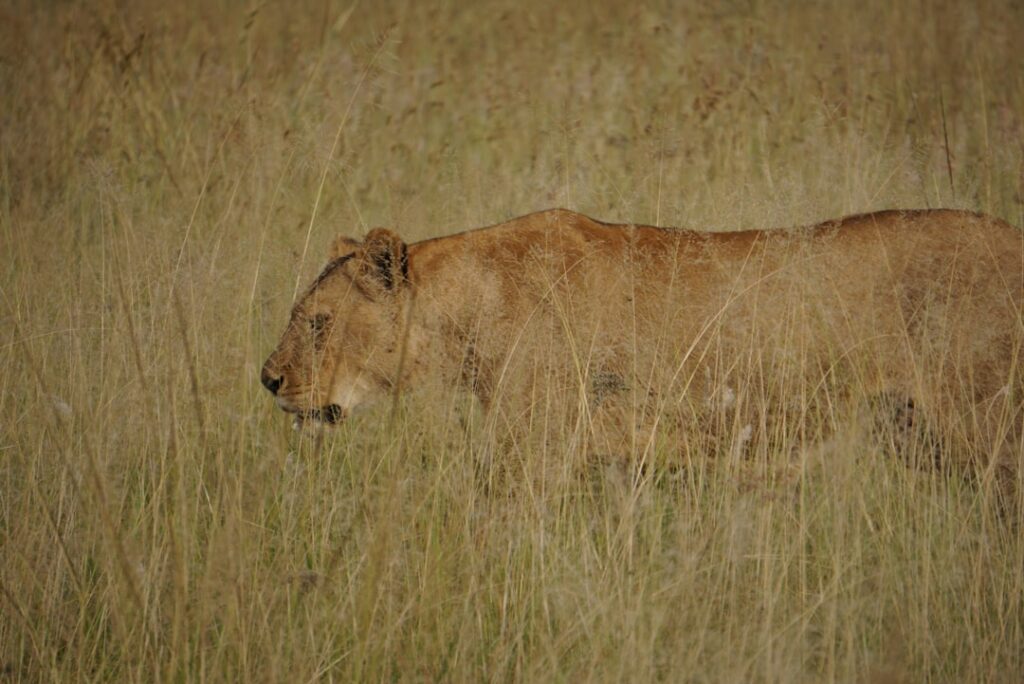
Southwestern Kenya – Lions in the Maasai Mara conservancies consistently avoided areas used for livestock grazing, research showed, highlighting an unexpected dynamic in predator-prey interactions.
Predators Turn Cautious Around Livestock
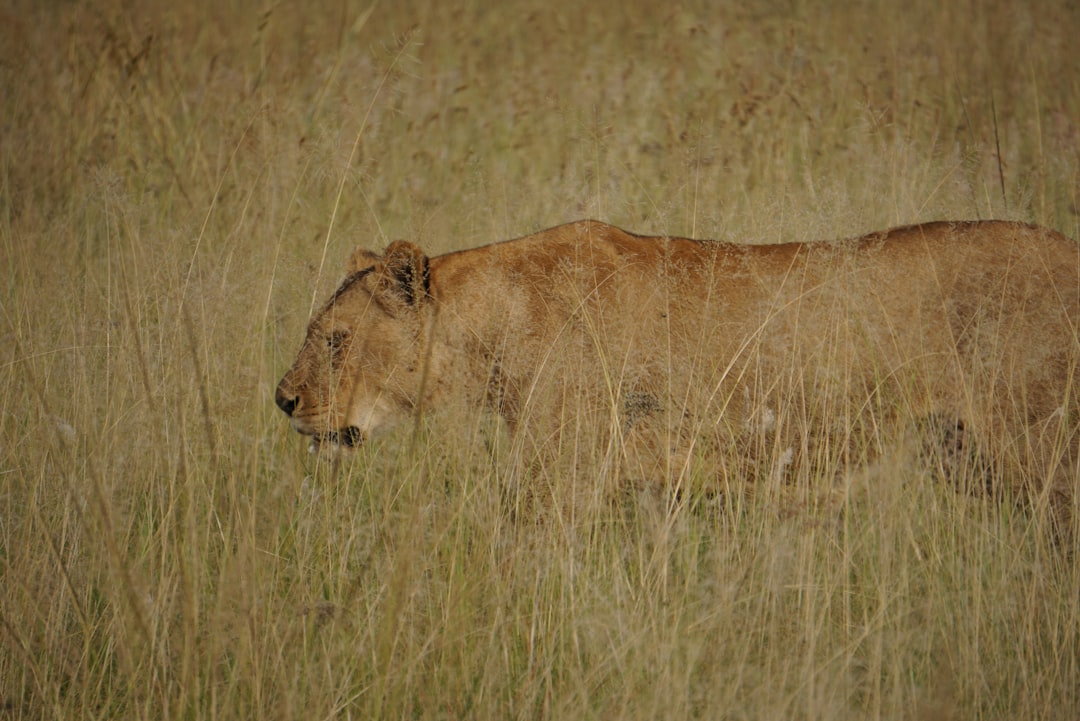
Predators Turn Cautious Around Livestock (Image Credits: Unsplash)
Lions earned a reputation as bold hunters, yet recent observations revealed their reluctance to enter cattle herding zones. These apex predators retreated from grazing grounds even without livestock in sight. The behavior persisted despite cattle typically receiving supervision from herders during the day and secure enclosures at night.
Neils Mogensen, a doctoral student at Aarhus University in Denmark, noted this pattern during fieldwork. “Lions have a natural fear of cattle and their herders, and as cattle numbers increase, it is the lions that retreat,” he said. Researchers documented wildlife and livestock movements across the conservancies, uncovering how human-managed herds reshaped lion territories.
Study Unpacks Behavior in Maasai Mara
Fieldwork in Kenya’s Maasai Mara conservancies, including sites like Ol Kinyei, provided the data for these insights. Teams tracked lion presence alongside livestock distributions over time. The effort revealed indirect pressures on wildlife from everyday herding practices.
Mogensen emphasized lasting effects. “Even though cattle are supervised by herders and brought into enclosures at night when lions become active, the wildlife is still indirectly affected,” he explained. Findings appeared in the journal Biological Conservation, drawing from systematic observations of animal densities and movements. This approach offered a clear view of spatial avoidance patterns.
Density of Herds Shapes Lion Ranges
Cattle numbers exerted the strongest influence on where lions roamed. Higher densities correlated with fewer lion sightings in those areas. Goats and sheep contributed similar effects, compounding the avoidance.
- Cattle density showed the largest impact on lion distribution.
- Lions shunned zones with elevated livestock presence, regardless of time of day.
- Herder activity amplified the deterrence, prompting predator withdrawal.
- Other ungulates faced parallel disruptions in habitat use.
- Grazing patterns altered broader wildlife behaviors indirectly.
Such responses underscored how livestock management rippled through ecosystems. Lions prioritized safer grounds, potentially straining prey availability elsewhere.
Steps Toward Reduced Conflicts
Results pointed to practical conservation measures. Designated grazing-free zones could ease tensions between herders and wildlife. These areas would allow lions unrestricted access to traditional ranges.
Human-livestock expansion challenged lion populations across Africa. Targeted land-use strategies promised mutual benefits for communities and predators. The study urged collaboration among conservancies, herders, and researchers to implement changes.
Key Takeaways
- Lions avoid cattle areas due to fear of herds and herders.
- Cattle density most strongly predicts lion absence.
- Grazing-free zones offer a path to lessen conflicts.
This research reframed lions not as aggressors toward livestock but as wary navigators of human-altered landscapes. Protecting their space benefits entire ecosystems. What strategies have worked in your area to balance wildlife and farming? Share in the comments.