Malaysia – Reef Check Malaysia’s 2025 national survey exposed a rapid erosion of coral cover, with one-fifth lost since 2022 amid mounting environmental pressures.
Scale of Loss Stuns Conservationists
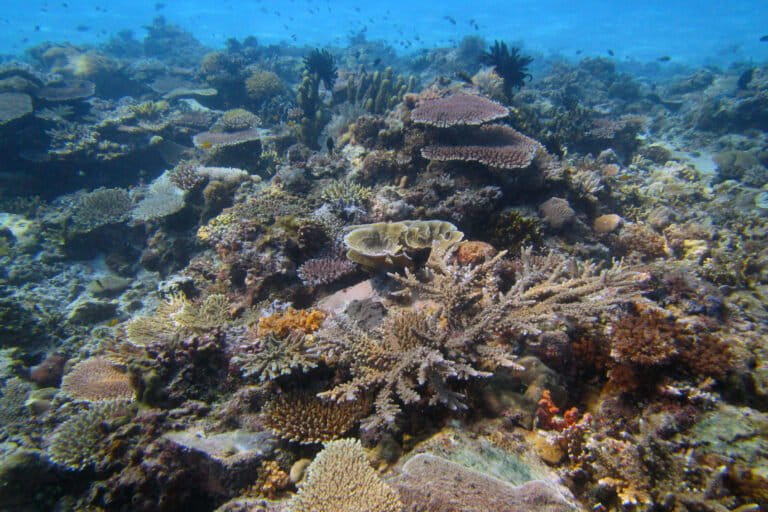
Scale of Loss Stuns Conservationists (Image Credits: Imgs.mongabay.com)
Imagine vanishing coral equivalent to 47,250 football fields in just three years. That reality struck when Reef Check Malaysia released findings from its 2025 surveys at 297 sites nationwide. Live coral cover averaged 39.94 percent last year, down from 44.65 percent in 2024 – a drop of five percentage points, or roughly 10 percent in one year alone.
Conditions worsened further when viewed over the longer term. Coverage hovered near 50 percent in 2022 before sliding steadily. Julian Hyde, with Reef Check Malaysia, described the trend: “Back in 2022, live coral cover was about 50%. Looked at one way, you could say we lost 10 percentage points, or 20% of coral reefs since 2022.”
This marked the third consecutive year of decline, shifting reefs from fair to precarious health overall.
Multiple Threats Pile On
Coral bleaching emerged as a dominant force during the fourth global bleaching event in 2024. Surveyors observed bleaching at 67.5 percent of sites, linked to extreme ocean heat peaking from April to June.
Human activities compounded the damage. Trash littered 82.5 percent of sites, while discarded fishing gear ensnared 80 percent. Boat anchors and damage scarred 57.5 percent, pollution stemmed from poor sewage treatment, and destructive practices like dynamite fishing persisted.
Tourism intensified strains in hotspots. Johor authorities closed six islands to visitors, yet day trips surged to Redang, Seri Buat, and Semporna. Overfishing depleted indicator fish and invertebrate populations, even within protected areas.
| Year | National Average Live Coral Cover |
|---|---|
| 2022 | ~50% |
| 2024 | 44.65% |
| 2025 | 39.94% |
Regional Hotspots Highlight Uneven Pressures
Sabah faced acute challenges from dynamite fishing, recorded at 33.33 percent of its surveyed sites – a sign of enforcement gaps.
Popular dive destinations like those in Johor and Terengganu bore tourism’s brunt. Increased visitor numbers overwhelmed fragile ecosystems despite some protective measures. Coastal development and pollution further eroded resilience nationwide.
Reef Check teams noted low abundances of key species across states, underscoring broad vulnerability. These patterns signaled that local stressors amplified global threats like warming seas.
Economic and Ecological Ripples
Reefs sustained roughly 140,000 small-scale fishers and tens of thousands of coastal households. They formed nurseries with mangroves and seagrasses, bolstering fish stocks central to food security.
Tourism leaned heavily on healthy reefs, contributing about 15 percent to GDP and 25 percent of employment. Hyde emphasized: “These findings are significant because coral reefs underpin livelihoods and food security for coastal communities.” Diminishing cover risked jobs and catches alike.
Biodiversity suffered too, with indicator species scarce even in marine protected areas. The survey painted a reef system under siege, demanding swift intervention.
Key Takeaways
- Live coral cover fell 10 percent year-over-year to 39.94 percent in 2025.
- 20 percent total loss since 2022 equals 47,250 football fields of coral.
- Bleaching hit 67.5 percent of sites; trash and gear affected over 80 percent.
Reef Check Malaysia urged reducing local threats to build resilience against climate change. Steps included community-led management, sustainable tourism, and livelihood diversification. Hyde affirmed: “We are not anti-tourism – we are pro-sustainable tourism.” These reefs remain vital; their protection hinges on collective action now. What steps should Malaysia prioritize next? Share your thoughts in the comments.