You’ve probably grown up with certain ideas about dinosaurs stuck in your head. Maybe you learned them from movies, museum displays that haven’t been updated since the 1980s, or even old textbooks. Here’s the thing though. Modern paleontology is constantly evolving, and many of those childhood beliefs about these ancient creatures have been proven completely wrong.
The science behind dinosaurs has made remarkable leaps in recent decades. New fossil discoveries, advanced imaging techniques, and cutting-edge research have shattered long-standing misconceptions that once seemed like established facts. What we thought we knew about how these magnificent beasts looked, moved, and lived has undergone a dramatic transformation. So let’s dive into some of the most persistent myths that researchers have finally put to rest.
T-Rex Vision Was Based on Movement
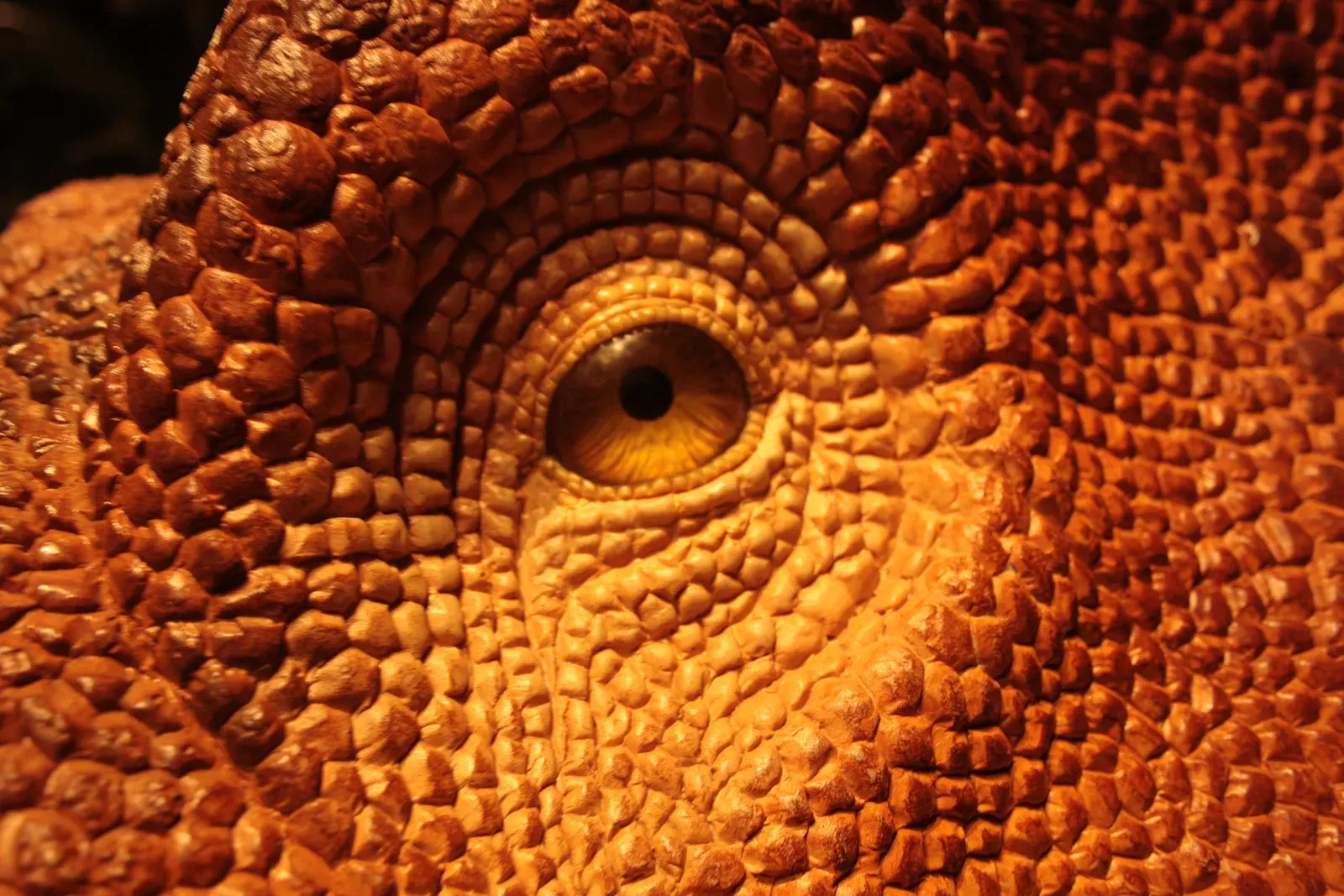
Remember that iconic scene from Jurassic Park where Dr. Alan Grant tells everyone to stay perfectly still because the T-Rex can’t see them if they don’t move? Yeah, that’s complete fiction. T. rex would’ve had good vision that wasn’t based on movement, instead being comparable to that of hawks. This myth was purely a plot device created by Michael Crichton for dramatic effect.
Stevens’ model study suggests that T. rex had a binocular range of around 55°, better than that of modern-day hawks and eagles. The research conducted by Kent Stevens at the University of Oregon completely dismantled this misconception. Not only could T-Rex see stationary objects just fine, but it actually had exceptional vision with forward-facing eyes that gave it superb depth perception. Tyrannosaurus had the largest eyes of any known land animal, as well as excellent depth perception and an expanded spectrum of color vision. Standing still in front of one would’ve been a terrible survival strategy.
All Dinosaurs Were Cold-Blooded Like Modern Reptiles
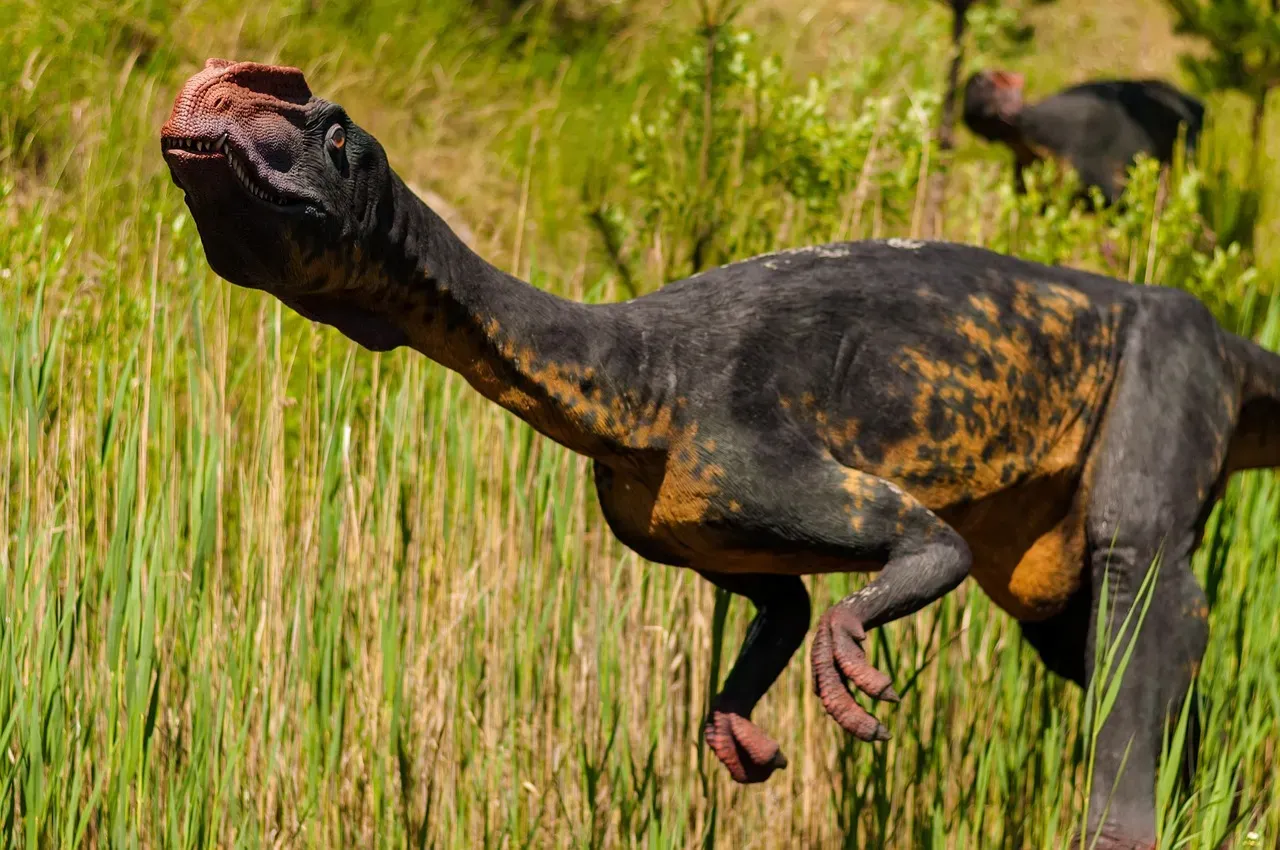
For decades, scientists assumed dinosaurs were sluggish, cold-blooded reptiles that needed to bask in the sun to warm up. That image has been completely overturned. Most dinosaurs were warm-blooded, according to groundbreaking research published in Nature. Paleontologists developed a new method to assess metabolism by examining waste products preserved in fossilized bones.
The findings were surprising though. The bird-hipped dinosaurs, like Triceratops and Stegosaurus, had low metabolic rates comparable to those of cold-blooded modern animals. Meanwhile, theropods such as Tyrannosaurus rex, Deinonychus and Allosaurus likely to be warm-blooded, as well as other animals such as sauropods. This means the question wasn’t as simple as all or nothing. Different dinosaur groups had different metabolisms, which affected everything from their daily activity patterns to where they could live and how much they needed to eat.
Dinosaurs Went Extinct Because They Were Evolutionary Failures
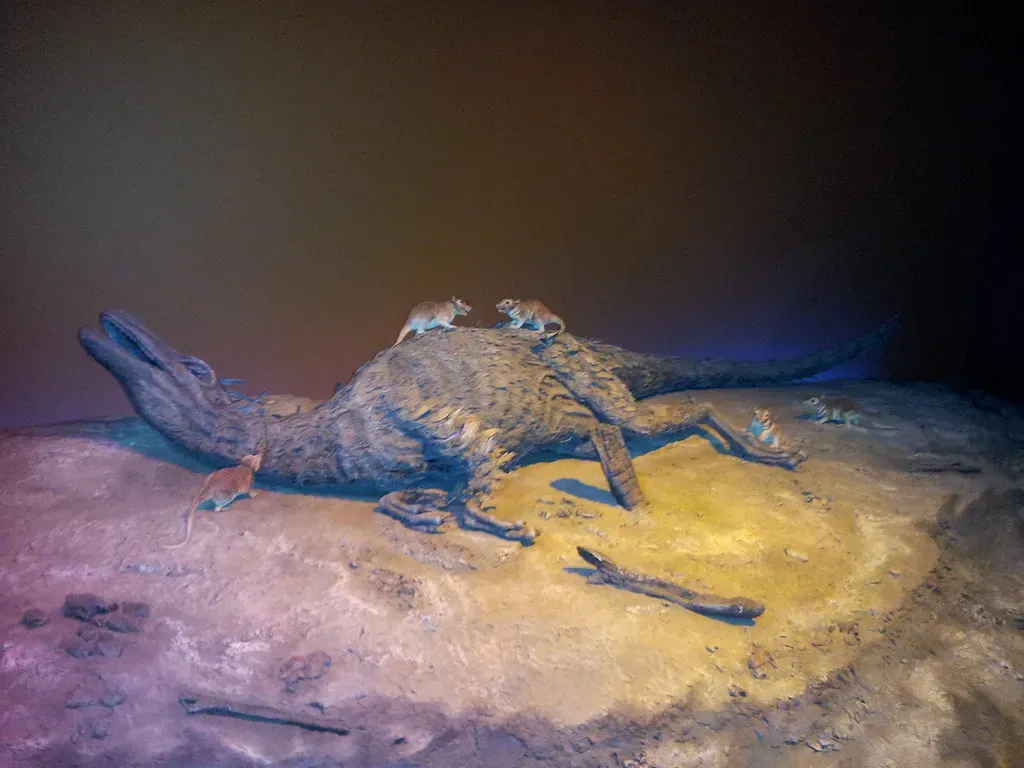
Let’s be real, calling dinosaurs failures is absurd when you look at the actual numbers. Dinosaurs were not failures. They were enormously successful. They dominated the planet for 135 million years. Compare that to humans, who’ve only been around for a few million years. Dinosaurs ruled for over 150 million years before the end of the Cretaceous, were incredibly diverse and successful, and evolved rapidly to fill many ecological niches.
The word dinosaur gets used as an insult to mean something outdated or obsolete. That’s incredibly ironic considering these animals were masters of adaptation who thrived across every continent in wildly different environments. Their extinction wasn’t due to some inherent weakness or inability to evolve. The Alvarez hypothesis was initially controversial, but it’s now the most widely accepted theory for the mass extinction at the end of the Mesozoic Era. They were wiped out by a catastrophic asteroid impact that would’ve killed off most large land animals regardless of how well adapted they were.
The Asteroid Impact Alone Killed the Dinosaurs Instantly
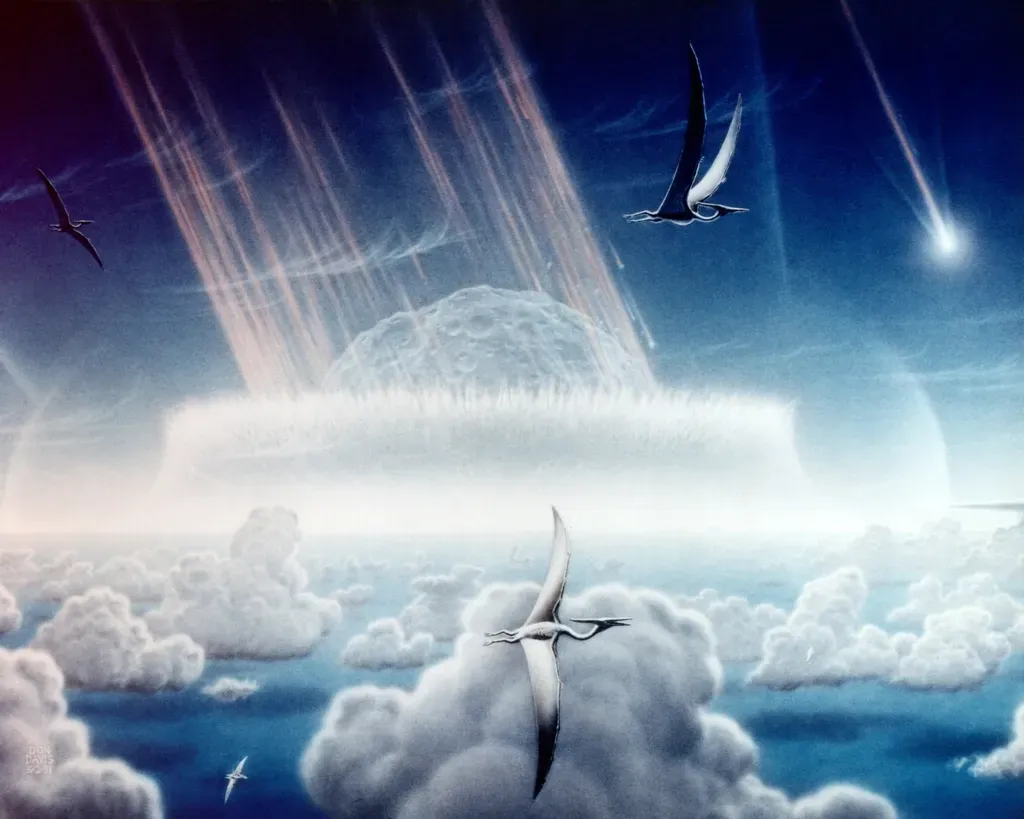
While the asteroid impact near the Yucatán Peninsula was indeed the primary cause of dinosaur extinction, the story is more nuanced than a single day of doom. The devastation and climate disruption resulting from the impact was the primary cause of the Cretaceous–Paleogene extinction event, a mass extinction of 75% of plant and animal species on Earth. However, the actual dying out took time.
The dust kicked up by the impact circulated in the atmosphere for no more than a couple of decades – which helps time how long extinction took. The impact didn’t simply vaporize everything instantly. Instead, it triggered a cascade of environmental catastrophes including massive wildfires, tsunamis, acid rain, and most devastatingly, a prolonged period of darkness that shut down photosynthesis. Some animals survived for weeks or even months after the impact before ecosystems completely collapsed. The extinction was swift on geological timescales, but it wasn’t instantaneous.
All Dinosaurs Were Massive, Lumbering Giants
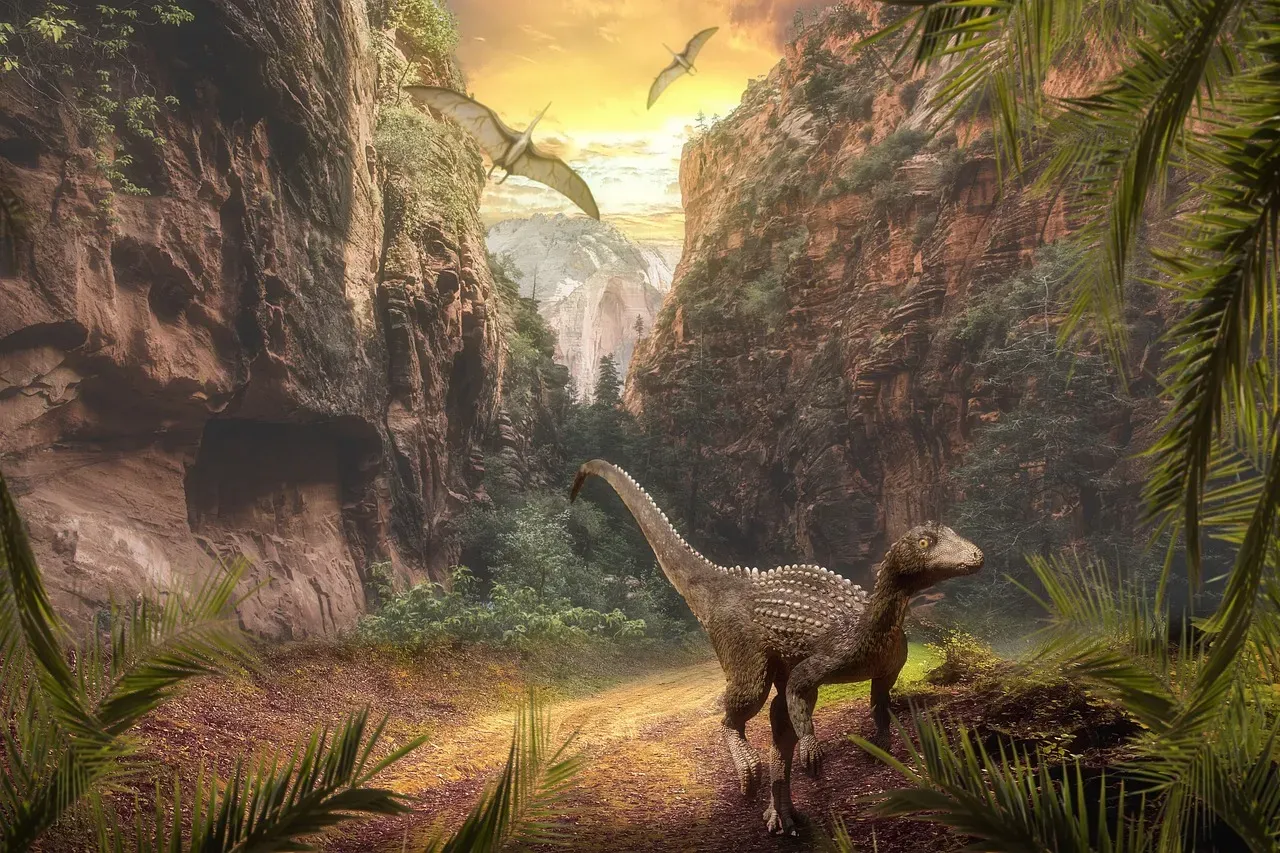
Hollywood loves to show us towering behemoths, but that’s only part of the picture. Most dinosaurs were much smaller, with many species being no larger than modern chickens or turkeys. The gigantic sauropods and massive tyrannosaurs certainly existed and grab our attention, but they weren’t representative of the entire group.
Dinosaur sizes varied enormously. They inhabited every corner of the world and ranged in bulk from the chicken-size Compsognathus to the 100-ton Brachiosaurus, the largest creature ever to trod the earth. This incredible diversity in size allowed different species to occupy different ecological niches. Smaller dinosaurs were often incredibly agile and quick, nothing like the slow, plodding monsters depicted in older illustrations. They ran, leaped, and hunted with speed and efficiency that would put many modern animals to shame.
Dinosaurs Were All Scaly Like Lizards
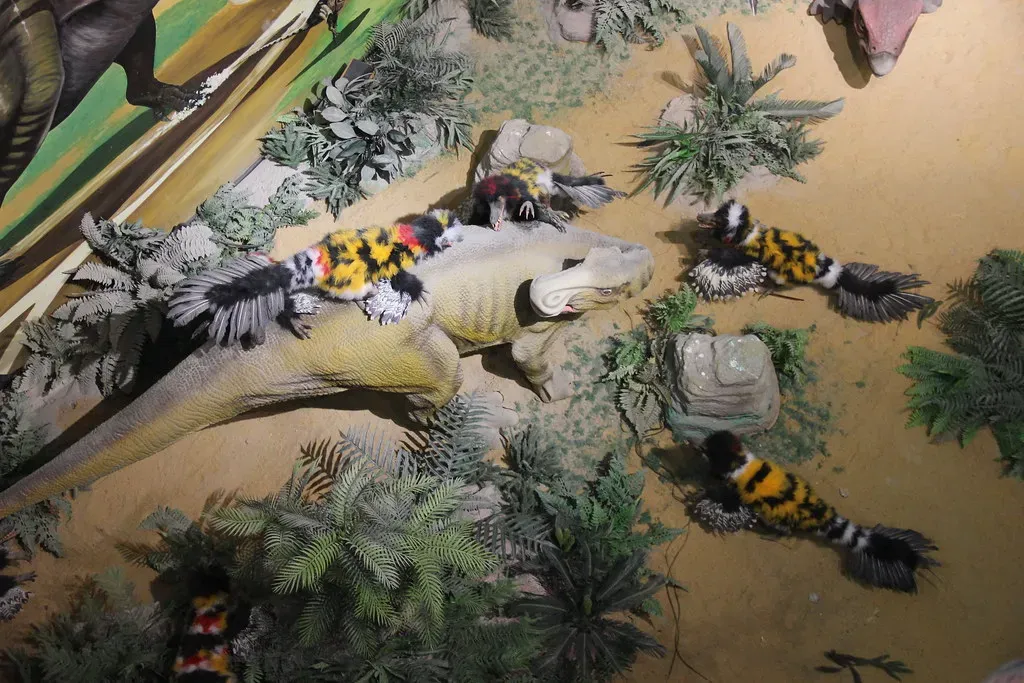
This myth has been thoroughly demolished by fossil discoveries over the past few decades. Since the 1990s, Paleontologists have discovered species after species of extinct dinosaurs that were also covered in feathers. These were flightless theropods that may have used their feathery body coverings for insulation, protection from the elements and as displays for potential mates. The first feathered dinosaur fossils from China in the 1990s revolutionized our understanding.
That said, not all dinosaurs had feathers. Most dinosaurs grew scales, with what we might term “true feathers” in the modern sense limited to derived coelurosaurs. Research suggests that the earliest dinosaurs were likely scaly, and feathers evolved later in certain lineages, particularly among theropods. Some species might have had both scales on certain parts of their bodies and feathers on others. Honestly, the diversity of skin coverings among dinosaurs was far more complex and interesting than anyone imagined decades ago.
Dinosaurs and Humans Coexisted
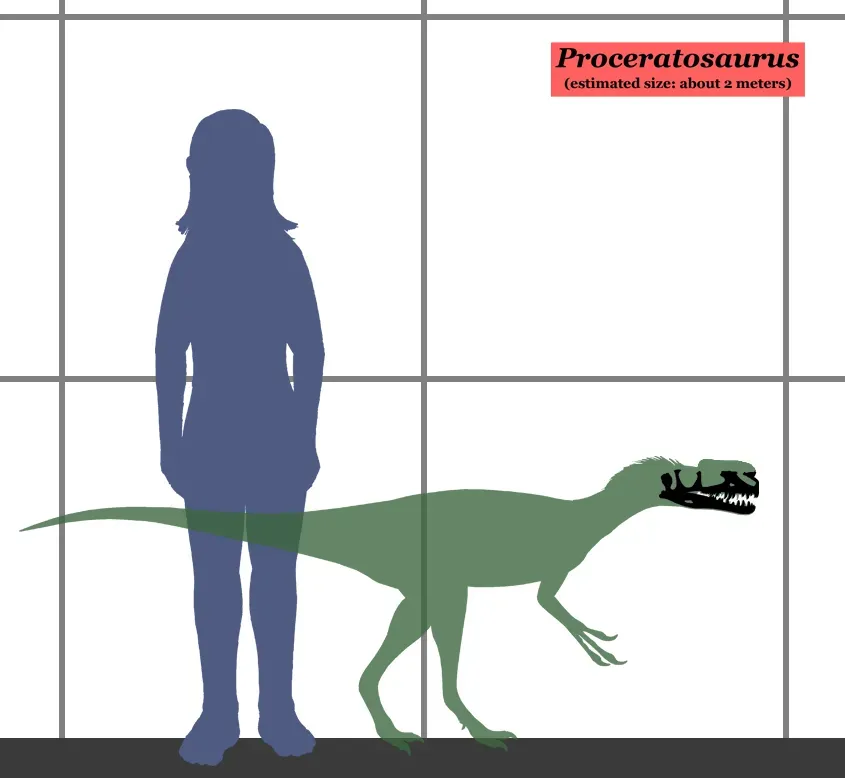
Despite what certain fringe theories might claim, there’s absolutely zero credible evidence that humans and non-avian dinosaurs ever lived at the same time. After the dinosaurs died out, nearly 65 million years passed before people appeared on Earth. The timeline is crystal clear from the geological record.
Human remains and artifacts simply do not occur in the same rock layers as dinosaur fossils. Whenever someone claims to have found evidence of human artifacts alongside dinosaur bones, it invariably turns out to be either a hoax, a misidentification, or modern materials that ended up in the same location through natural processes long after the dinosaur fossils were deposited. The fossil record is remarkably consistent on this point worldwide. Non-avian dinosaurs went extinct roughly 66 million years ago, while anatomically modern humans appeared less than a million years ago. That’s a gap of over 65 million years.
Dinosaurs Were Dimwitted Creatures with Tiny Brains
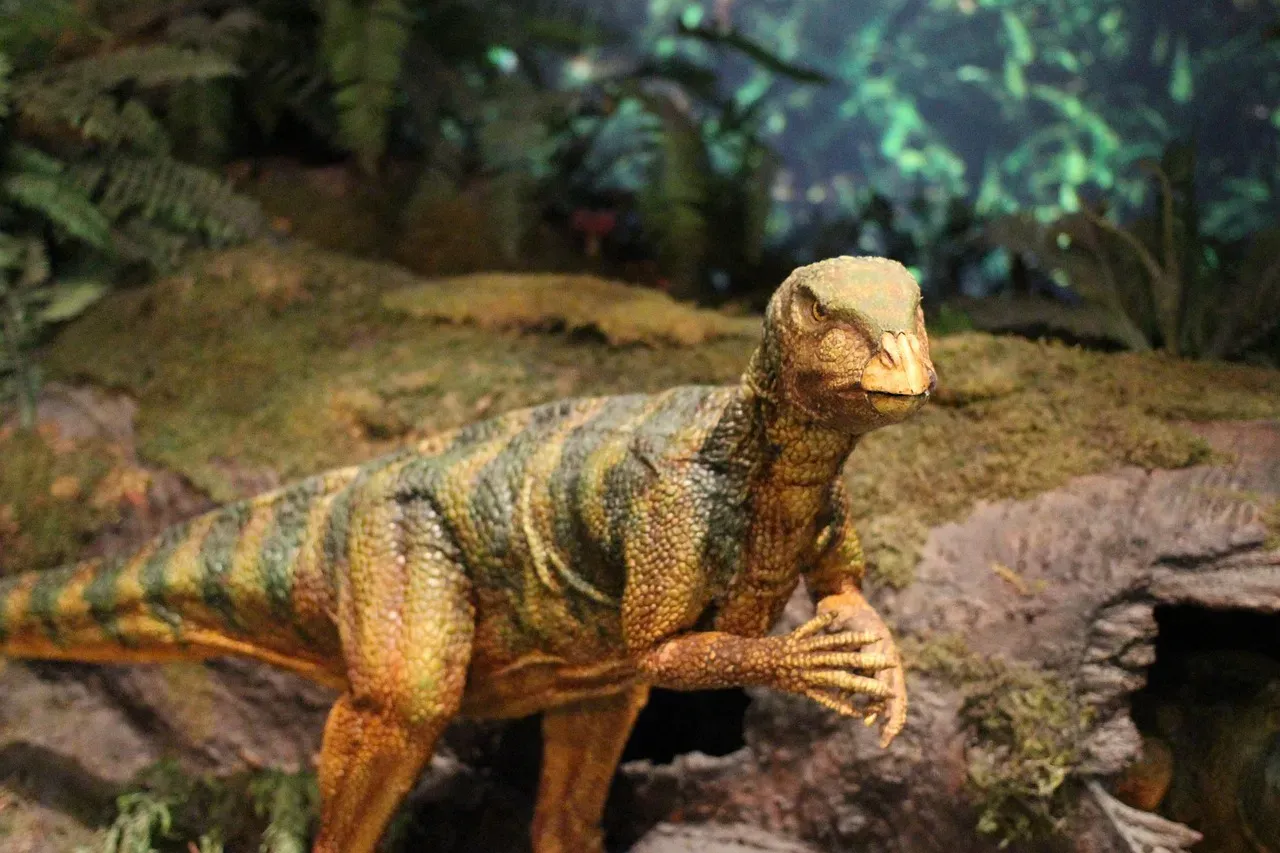
The old idea that dinosaurs were stupid animals has been seriously challenged by modern research. An international team of paleontologists, behavioral scientists, and neurologists have re-examined brain size and structure in dinosaurs and concluded they behaved more like crocodiles and lizards. That might not sound impressive at first, but modern crocodiles are actually quite intelligent.
However, claims that T-Rex was as smart as a baboon have been debunked. They were more like smart giant crocodiles, and that’s just as fascinating. Different dinosaur species had varying levels of intelligence based on their brain structures. Some theropods showed relatively advanced cognitive abilities for reptiles, particularly those closely related to birds. Neuron counts are not good predictors of cognitive performance, and using them to predict intelligence in long-extinct species can lead to highly misleading interpretations. Brain size relative to body mass varied considerably, and the smartest dinosaurs were likely those smaller theropods that eventually evolved into birds.
The Jurassic Park Movies Got Dinosaurs Mostly Right
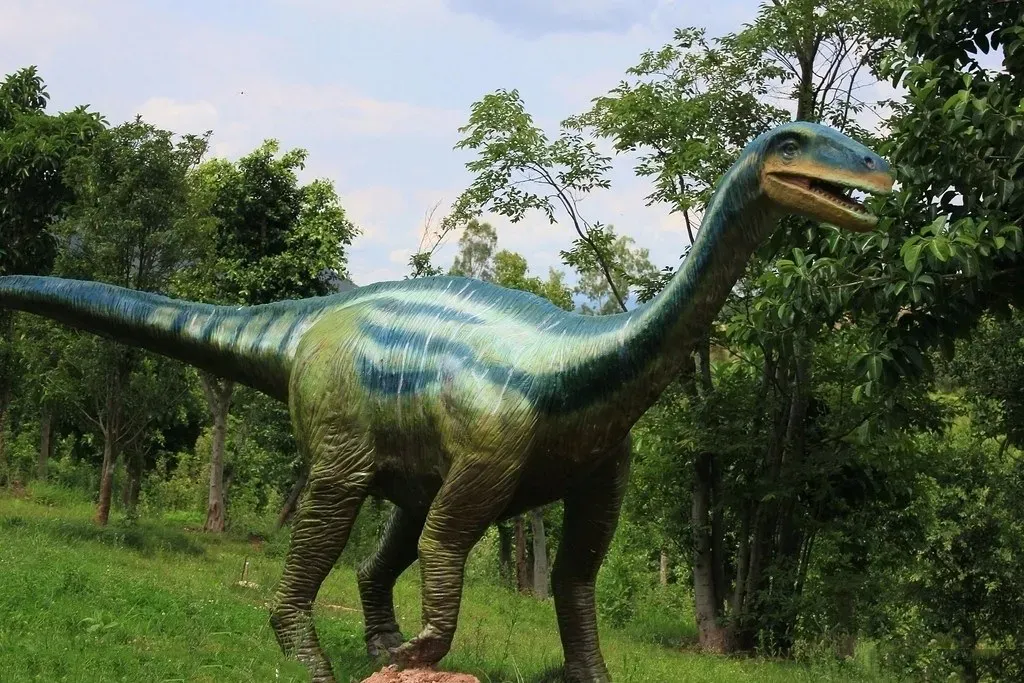
As entertaining as they are, the Jurassic Park films are packed with scientific inaccuracies that have unfortunately shaped public perception for decades. Most of the dinosaurs in the Jurassic Park/World movies did not meet each other in the real world, and most lived in in the Cretaceous – but author Michael Crichton thought the name “Jurassic” sounded better. The timeline mixing alone is a huge problem.
Tyrannosaurus rex was closer in time to us than it was to the plate-backed, spike-tailed Stegosaurus, which is frequently shown battling it. These two iconic dinosaurs never encountered each other, separated by roughly 80 million years. The movies also got the Velociraptors completely wrong in terms of size and appearance, portrayed T-Rex movement incorrectly, and ignored feathers entirely. Modern paleontology shows us creatures that were far more colorful, agile, and in many cases feathered than those grey-green movie monsters. The real dinosaurs were actually more fascinating than their Hollywood counterparts.
Conclusion: Science Keeps Rewriting Dinosaur History
The myths we’ve explored here represent just the tip of the iceberg when it comes to outdated dinosaur beliefs. Modern paleontology continues to revolutionize our understanding of these ancient creatures with every new discovery and technological advancement. What seemed like settled science just a few decades ago has been completely overturned by fossil evidence, chemical analysis, and sophisticated imaging techniques.
The lesson here is that science is a constantly evolving process. The dinosaurs you learned about in school might be very different from what we know today, and what we know today will likely be refined and updated in the years to come. These magnificent creatures were far more diverse, complex, and fascinating than the simplified monsters of popular culture. They were warm-blooded, feathered, colorful, intelligent in their own ways, and supremely successful for an almost incomprehensible span of time. What myths about dinosaurs surprised you the most? Did any of these shake up beliefs you’ve held since childhood?