
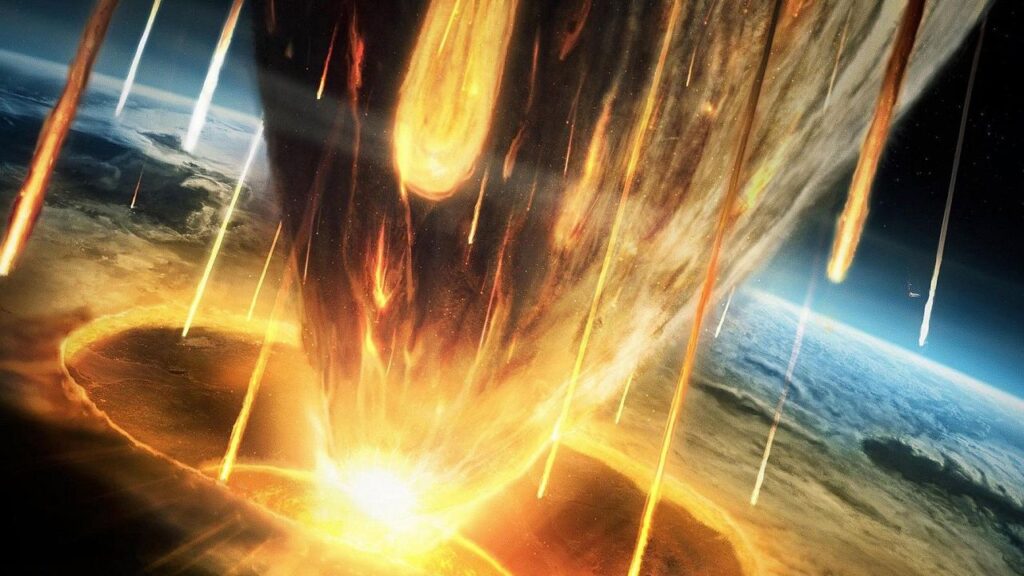
You probably grew up hearing that a massive space rock wiped out the dinosaurs 66 million years ago. That’s the story most textbooks tell, and honestly, it’s a compelling one. A six-mile-wide asteroid slammed into what’s now Mexico’s Yucatán Peninsula, triggering catastrophic tsunamis, global firestorms, and a years-long impact winter that choked out sunlight. Three-quarters of life on Earth vanished in what seemed like an instant.
Yet here’s the thing: the asteroid story might not be the complete picture. Scientists have spent decades wrestling with nagging questions that don’t quite fit this single-cause explanation. Some dinosaur families appear to have been struggling well before that fateful impact. Temperature records show climate was already shifting erratically. Massive volcanic eruptions were reshaping entire continents around the same time. Let’s be real, extinction events are messy, complicated affairs, and new evidence keeps emerging that challenges what we thought we knew. Let’s dive in.
Massive Volcanism in India’s Deccan Traps
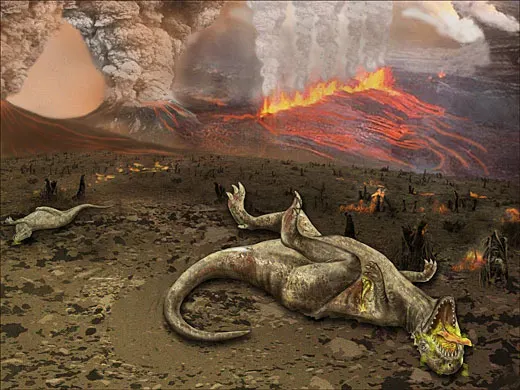
Picture volcanic eruptions so enormous they blanketed an area the size of Texas with lava flows. The Deccan Traps in western India date back to around 66 million years ago, with volcanic layers more than two kilometers thick in some areas. We’re talking about one of the largest volcanic events ever recorded on land.
The Deccan Traps had been erupting for roughly 300,000 years before the Chicxulub asteroid, and during their nearly million-year eruption period, they pumped up to 10.4 trillion tons of carbon dioxide and 9.3 trillion tons of sulfur into the atmosphere. That’s an incomprehensible amount of climate-altering gases. The sulfur would have created acid rain and temporarily cooled the planet by blocking sunlight, while the carbon dioxide caused long-term greenhouse warming. Some researchers, particularly Princeton’s Gerta Keller, have argued passionately that Deccan volcanism was the primary driver of the end-Cretaceous mass extinction.
The timing remains fiercely debated. Based on precise dating, the eruption began 250,000 years before the asteroid strike and continued for 500,000 years after, suggesting these volcanoes may have been steadily weakening ecosystems long before any space rock finished the job. Think of it as death by a thousand cuts rather than one swift blow.
Gradual Climate Cooling and Environmental Decline
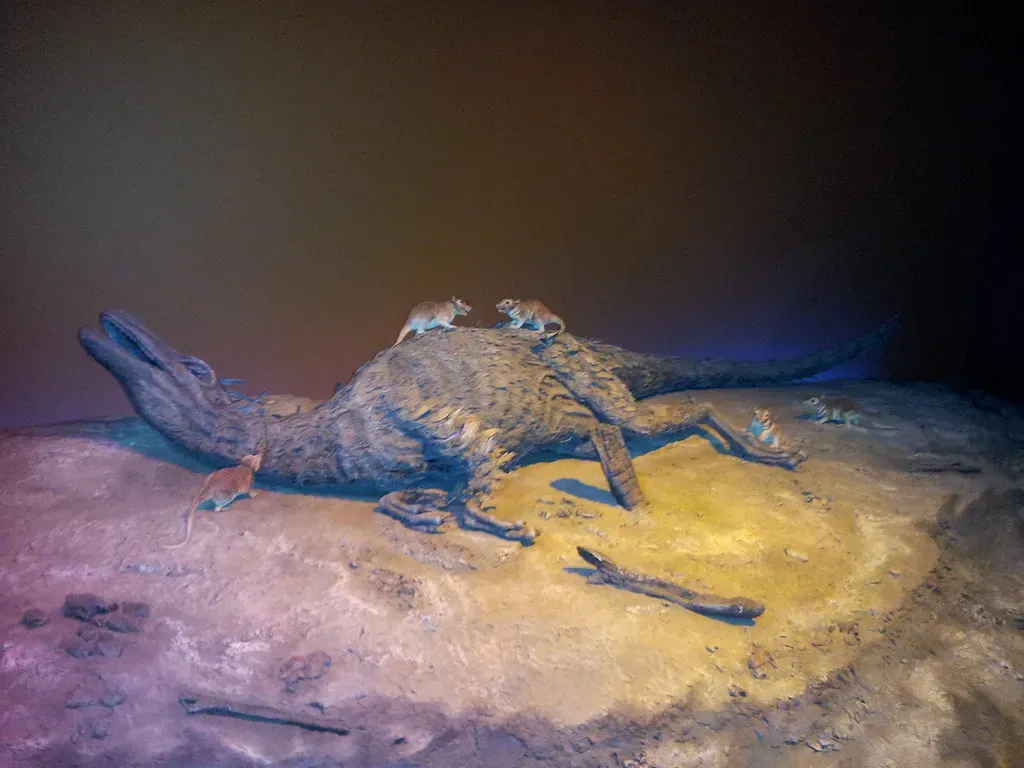
What if the dinosaurs were already in trouble before disaster struck from above? Research indicates that the decline of dinosaurs was likely driven by global climate cooling and herbivorous diversity drop. This isn’t the dramatic Hollywood version of extinction, but it’s potentially more realistic.
Six major dinosaur families were already in decline in the preceding 10 million years, possibly due to global cooling and competition among herbivores. The planet’s climate sensitivity during this period meant even relatively small environmental shifts could trigger cascading effects through food chains. Herbivorous dinosaurs faced increased competition, with hadrosaurs apparently outcompeting other plant-eaters. When the plant-eaters struggled, the carnivores that depended on them inevitably followed.
Evidence shows that Earth’s climate was changing before the asteroid hit, with the planet gradually warming by some 5°C about 400,000 years before the impact, only to plunge in temperature right before the mass extinction. These wild temperature swings would have stressed even the most adaptable species. It’s possible dinosaurs were like a patient already weakened by chronic illness, making them far more vulnerable when acute trauma arrived.
Multiple Comet Impacts Over Extended Periods
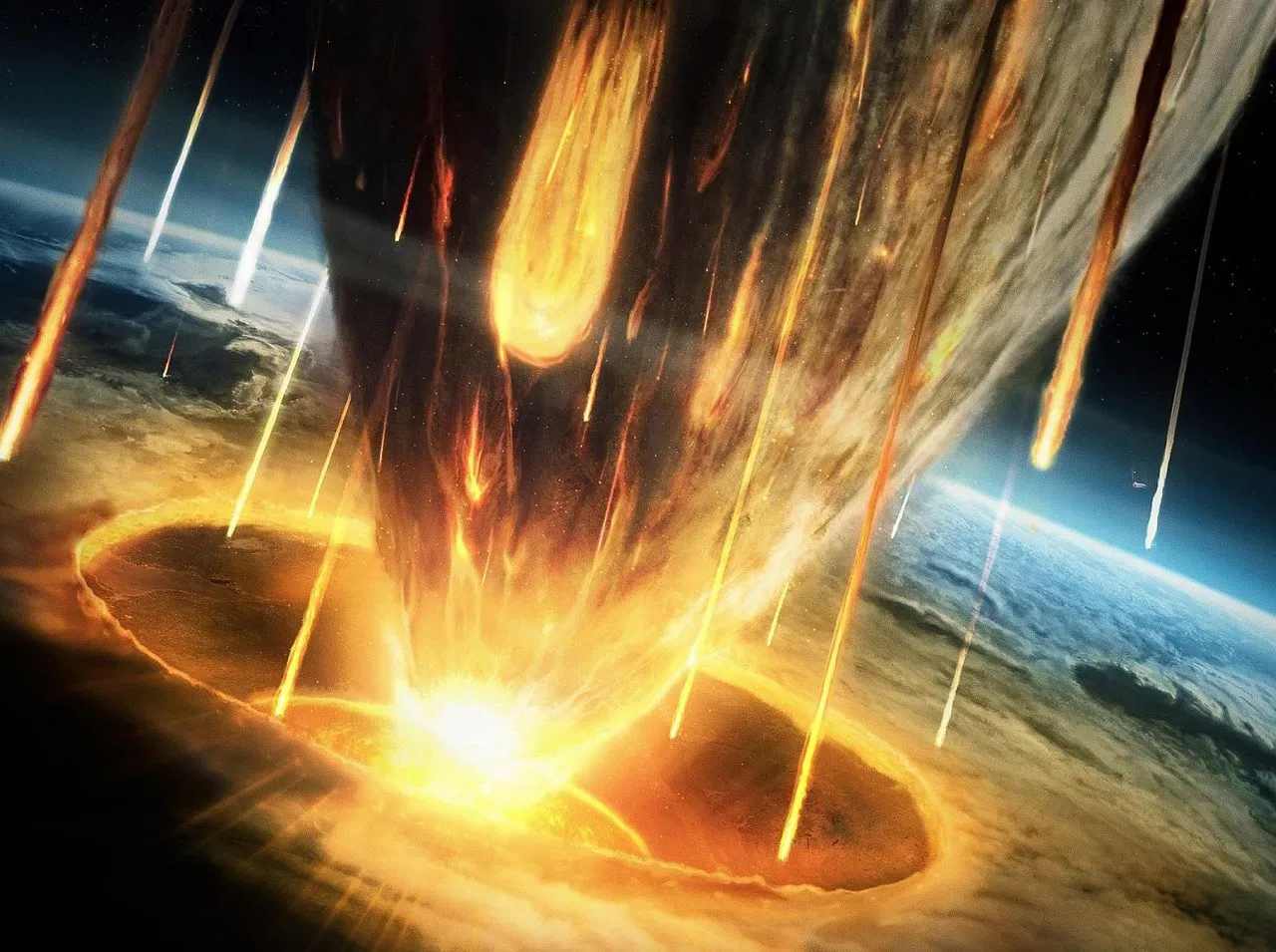
Here’s where things get interesting. Some scientists have theorized that extinction of the dinosaurs may have occurred as a result of many comet impacts over one to three million years, rather than one single catastrophic strike. This hypothesis paints a grimmer, more prolonged picture of extinction.
A major comet shower involving a billion comets with diameters of 3 kilometers would result in about 20 comets striking Earth over a period ranging from one to three million years. That’s not one bad day for planet Earth but rather an extended barrage that would have created stepwise extinctions. Evidence includes multiple iridium layers in clay deposits at different depths and multiple impact craters of similar ages scattered across the globe.
Near-simultaneous multiple impacts from a fragmented asteroidal object have been proposed, including the 180-kilometer Chicxulub crater, the 24-kilometer Boltysh crater in Ukraine, and the 20-kilometer Silverpit crater in the North Sea. Though the periodic comet shower theories have largely fallen out of favor, the possibility of multiple smaller impacts working in concert remains on the table. It might explain why extinction patterns appear gradual in some fossil records but catastrophic in others.
Disease and Epidemic Spread Among Dinosaur Populations
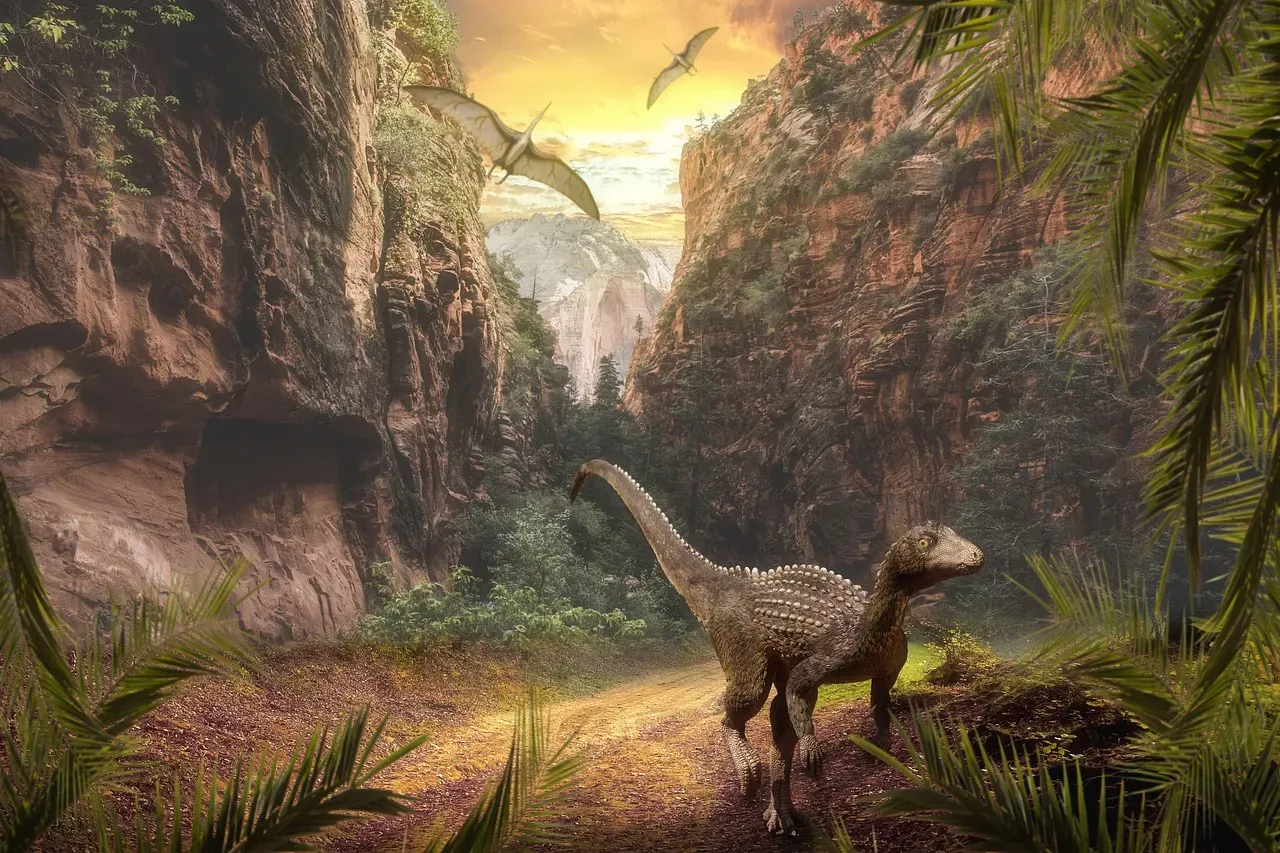
In our post-pandemic world, this theory hits differently than it might have a decade ago. We’ve seen firsthand how quickly pathogens can devastate populations. Could disease have pushed dinosaurs to the brink? A study by Oregon State University showed that 65-million-year-old mosquitos carried malaria, which may have killed off populations in their droves.
Think about the sheer volume of viruses, bacteria, and parasites that existed during the Cretaceous period. Dinosaurs lived for roughly 170 million years across every continent, creating countless opportunities for diseases to evolve, spread, and mutate. Large populations living in relatively concentrated areas would have been particularly vulnerable to epidemics.
The disease hypothesis doesn’t require a single catastrophic event but rather suggests dinosaurs could have been systematically weakened by pathogens over time. This would make them especially vulnerable to other environmental stressors. It’s hard to say for sure whether disease was a primary killer or merely a contributing factor, but the fossil record rarely preserves evidence of ancient infections. Absence of evidence isn’t evidence of absence, as they say.
The One-Two Punch: Combined Catastrophes
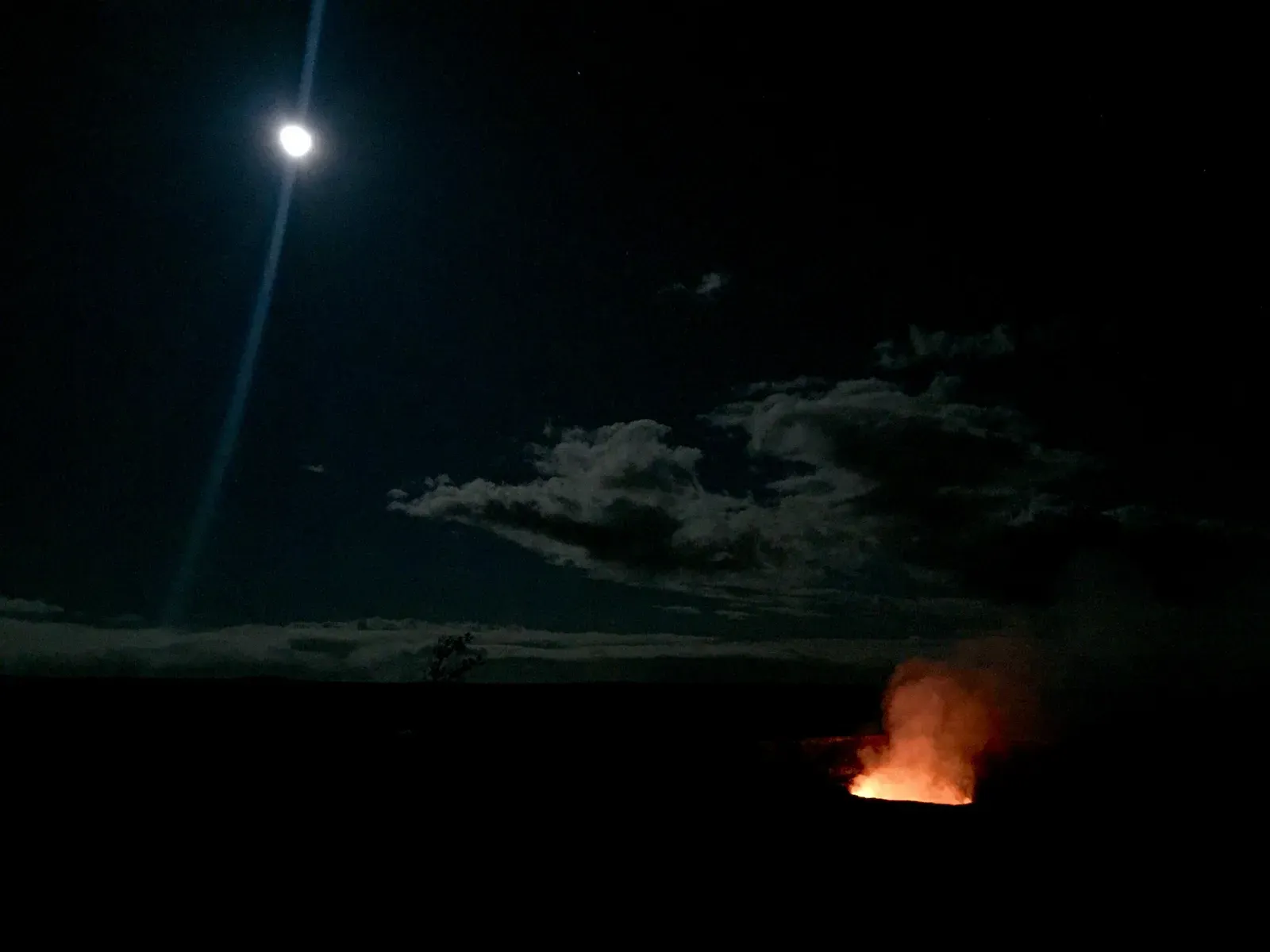
Let’s be honest, nature rarely does us the favor of simple explanations. Increasingly, scientists are seeing that dinosaurs may have been the unlucky recipients of a geologic one-two punch, with volcanism weakening ecosystems enough to make them vulnerable to an incoming meteor. This combined theory acknowledges that multiple extinction drivers likely worked together.
Researchers suggest that perhaps both the volcanic eruptions and the asteroid impact were involved, with the end of the dinosaurs caused by a one-two punch. Imagine ecosystems already stressed by centuries of volcanic emissions, climate fluctuations, and declining biodiversity suddenly hit with the most devastating impact event in millions of years. Even species that might have weathered one crisis couldn’t survive both simultaneously.
While volcanic CO2 emissions caused gradual warming, a brief cold snap occurred 30,000 years before the extinction event, likely triggered by volcanic sulfur emissions that blocked sunlight. These rapid swings from warming to cooling and back would have prevented ecosystems from stabilizing. Research suggests that warming from volcanism may have actually mitigated the most extreme effects of the asteroid impact, potentially reducing the extinction severity in some regions, though clearly not enough to save most dinosaur species.
Conclusion
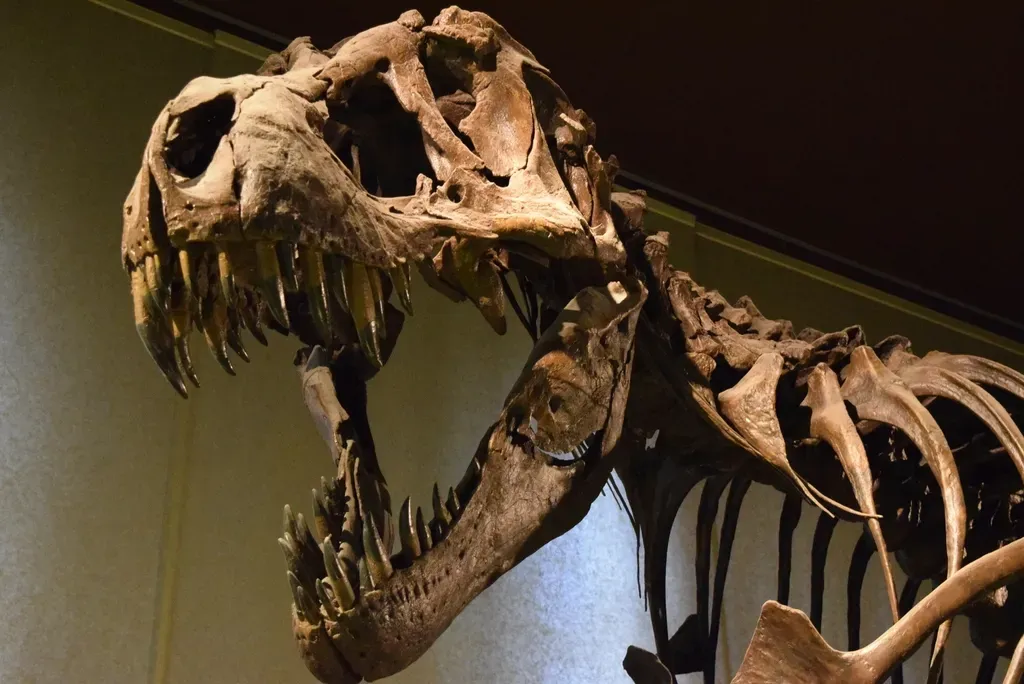
The extinction of dinosaurs remains one of Earth’s greatest mysteries, and honestly, that’s part of what makes it so fascinating. While the Chicxulub asteroid impact dominated scientific consensus for decades, we’re learning that the truth is considerably messier. Volcanic eruptions, climate shifts, disease, and possibly multiple impacts may have all conspired to end the reign of these magnificent creatures.
Perhaps the most important lesson here is that catastrophic change rarely has just one cause. Mass extinctions seem to occur when multiple stressors converge, overwhelming even the most successful species. As we face our own era of rapid climate change and environmental upheaval, understanding what drove ancient extinctions isn’t just academic curiosity. It’s a window into how ecosystems collapse when pushed beyond their limits. What do you think really finished off the dinosaurs? Could it have been avoided if even one factor had been different?