
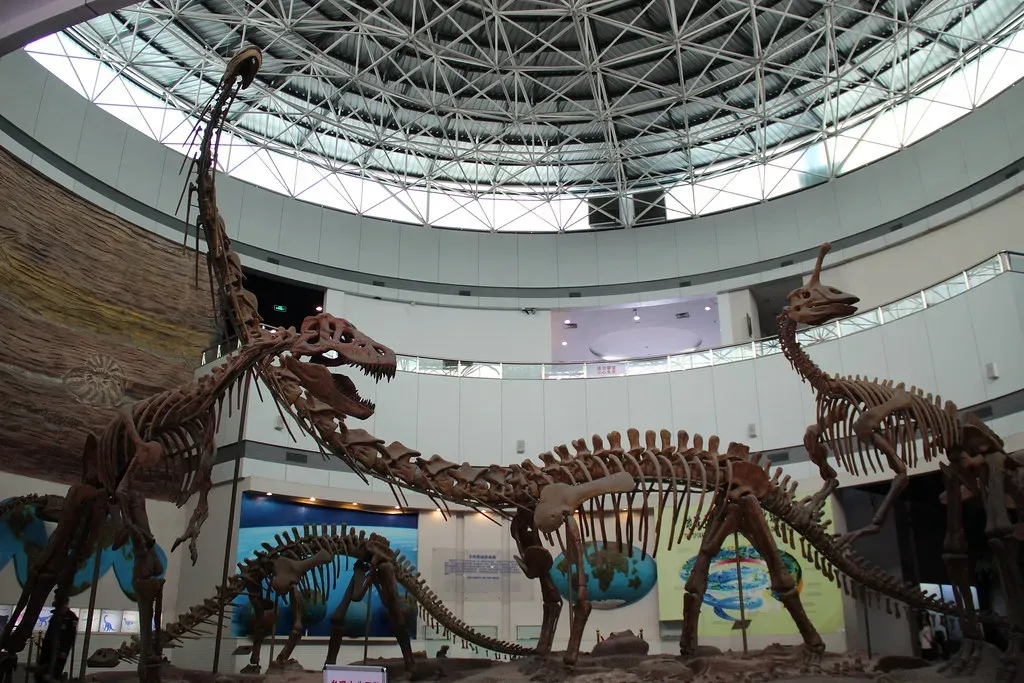
Ever wondered why dinosaurs ruled Earth longer than just about any other land creature? Picture this: over a span of 160 million years, these ancient reptiles didn’t just survive – they thrived across every continent, evolving into forms more diverse than anything alive today. From the Arctic to desert wastelands, they carved out niches where others couldn’t even exist. The secret wasn’t just size or ferocity. It was something far more ingenious, woven into their bones, their breath, and even the way they walked. Let’s dive into the evolutionary masterstrokes that made dinosaurs true champions of their world.
An Upright Stance That Changed the Game
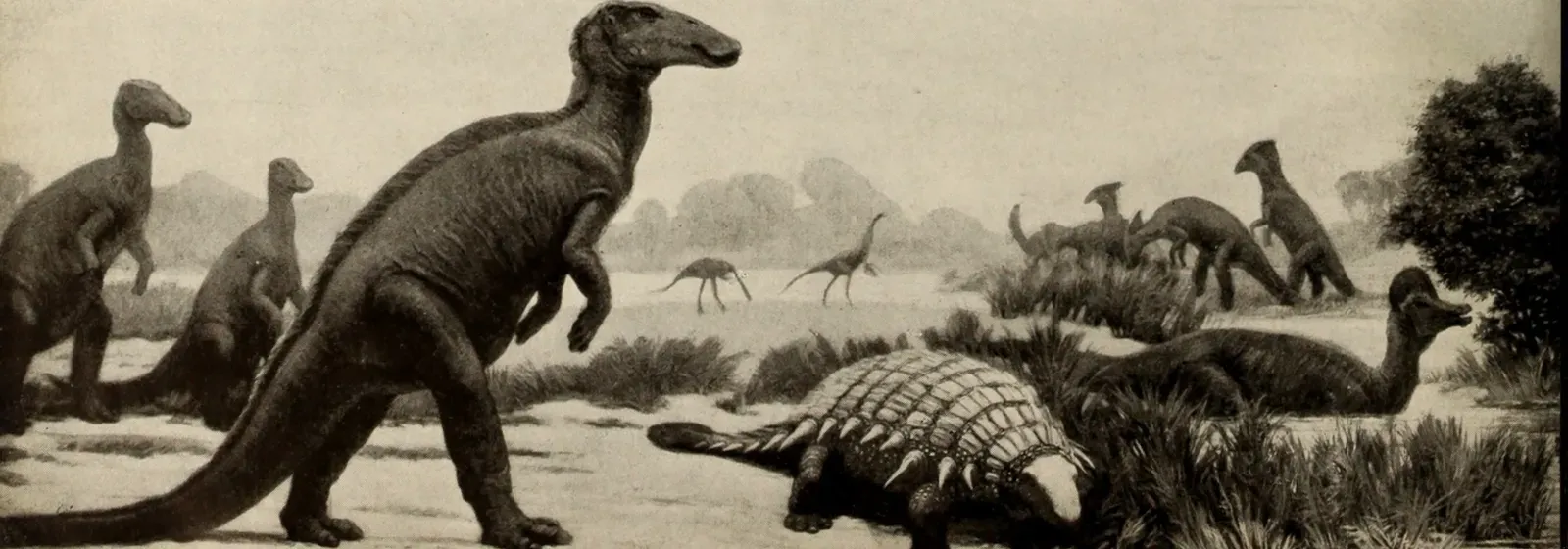
You might not think much about leg position, yet it gave dinosaurs an extraordinary edge. Their legs stood straight beneath their bodies, perpendicular and weight-bearing in a way that conserved energy and provided superior support compared to the sprawling stance of contemporary reptiles. Think of it like the difference between doing push-ups on your knees versus your toes – one burns you out fast, the other keeps you going.
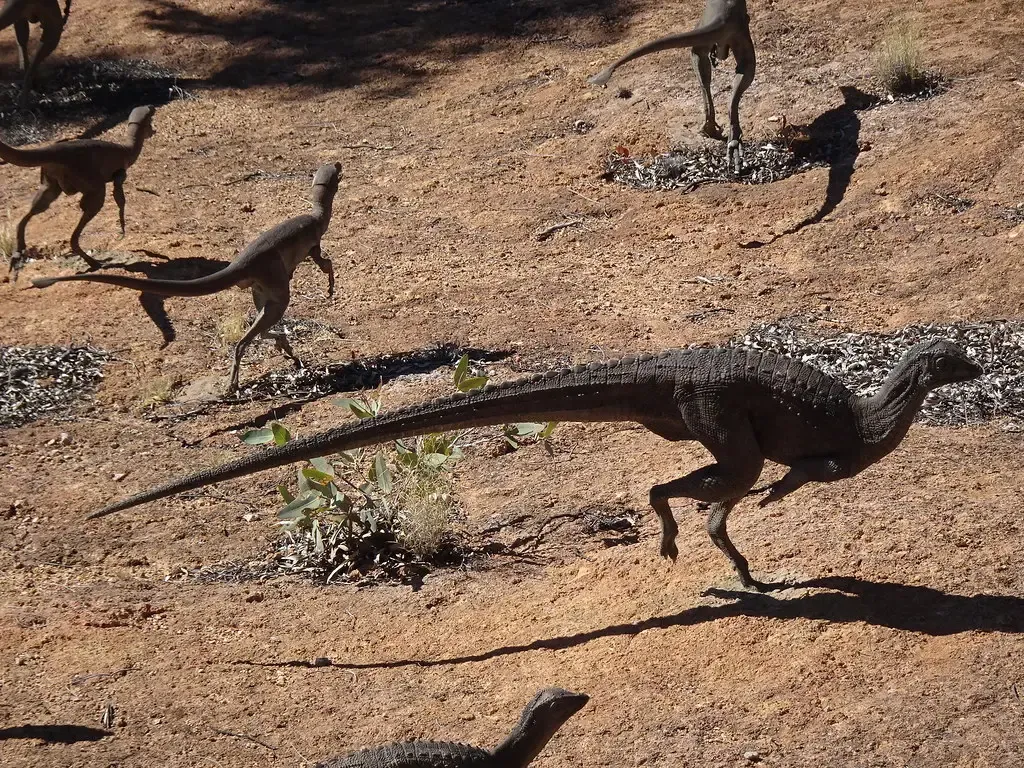
Dinosaurs mastered both bipedal and quadrupedal movement, which allowed them to diversify and exploit ecological niches during periods of massive environmental change. This flexibility was massive. Picture a predator sprinting on two legs, then imagine a sauropod lumbering steadily on four. Both strategies worked brilliantly in their own right. The diversity of their posture and movement meant they were immensely adaptable.
Hollow Bones and Air Sacs for Lightweight Power
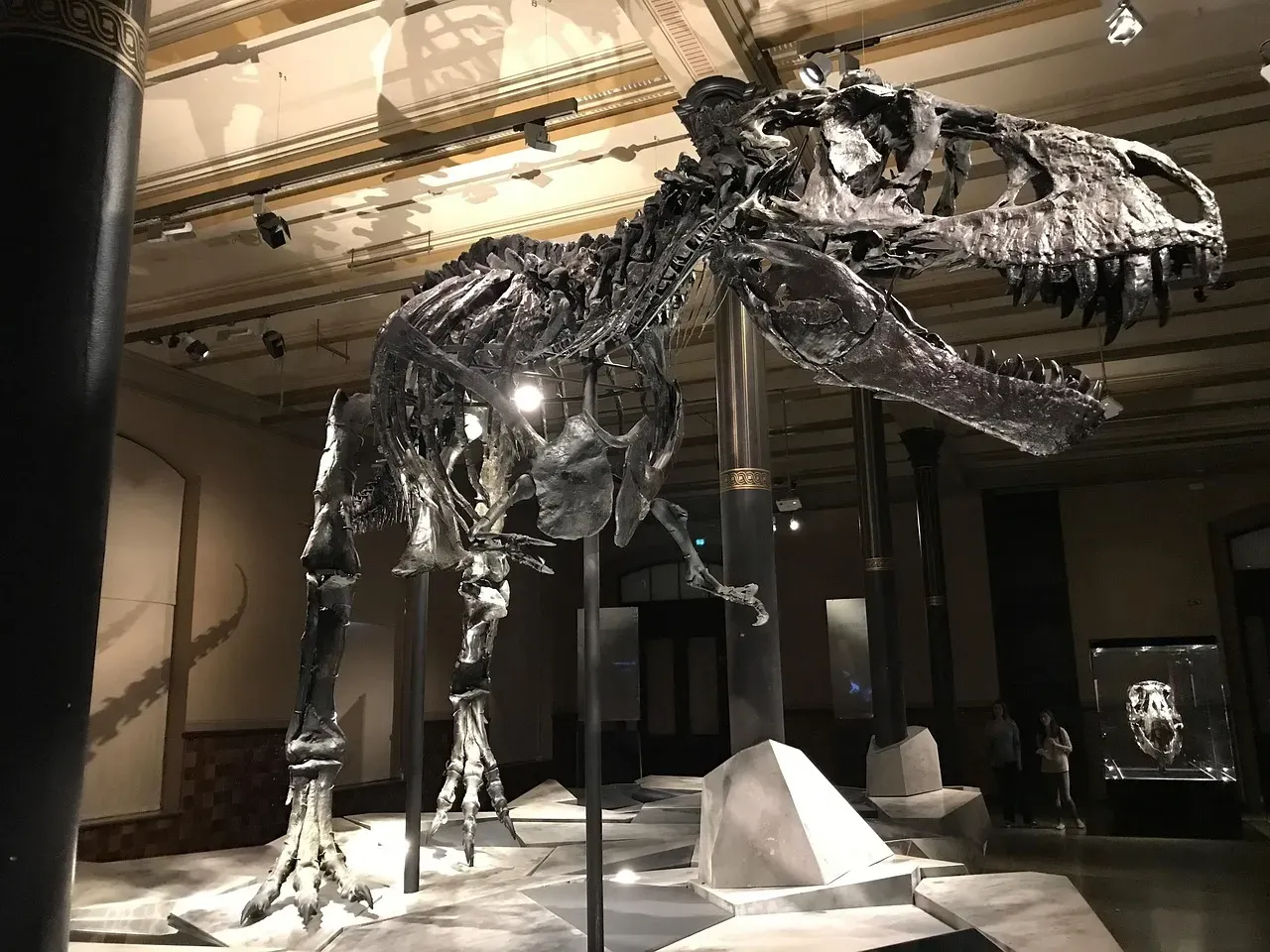
Here’s where things get truly fascinating. Many large dinosaurs, from Tyrannosaurus to Apatosaurus, possessed complex networks of air sacs extending from their throats and lungs into their bones, making them lighter while maintaining strength and enhancing breathing efficiency. Imagine carrying around a skeleton made of cardboard instead of solid wood – same toughness, fraction of the weight.
Hollow bones filled with air sacs were so critical to dinosaur survival that this trait evolved independently multiple times across different lineages. That’s evolution giving the same winning hand over and over. These superlungs likely helped dinosaurs dominate despite the Mesozoic atmosphere containing only around 10 to 15 percent oxygen, compared to today’s 20 percent. Try running a marathon in thin mountain air, and you’ll appreciate this advantage.
Highly Efficient Respiratory Systems
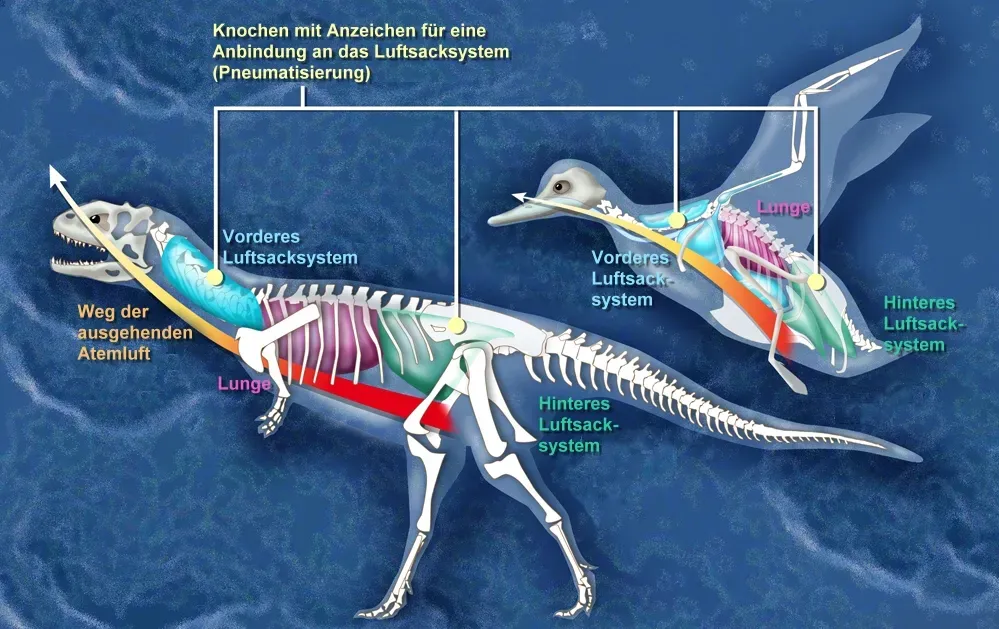
Large meat-eating dinosaurs had air sac systems remarkably similar to modern birds, with lungs likely pumping air into hollow sacs within their skeletons. Unlike mammals whose lungs expand and deflate, bird lungs remain rigid while special air sacs do the work, continuously pumping air through the lungs for superior oxygen diffusion.
This wasn’t just about breathing – it was about performance. Air sacs used throughout the body allowed high activity levels while releasing heat more efficiently, a mechanism still seen in their living bird descendants. Honestly, it’s hard not to be impressed. While we’re huffing and puffing after a jog, these ancient beasts had a built-in turbocharger for stamina.
Feathers for Insulation and Display
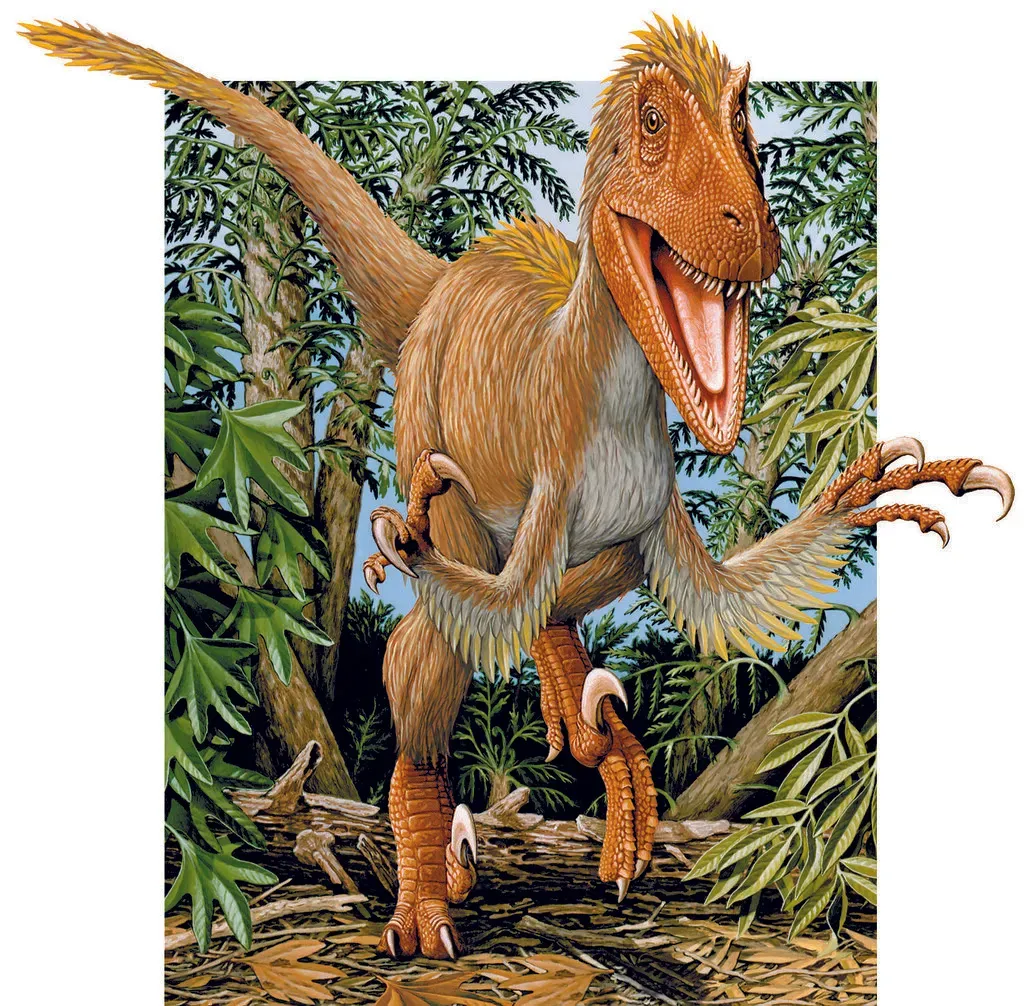
Forget the scaly monsters from old movies. Feathers evolved before flight, likely functioning as insulation to regulate body temperature or for visual display to attract mates. Fossil evidence, including fuzzy feathers on specimens from regions like northwest China, provides crucial insight into their cold-weather survival abilities.
Dinosaurs showcased remarkable resilience during volcanic winters at the end of the Triassic, when eruptions created cold, dark conditions, and their adaptations contributed significantly to their rise. While competitors froze or starved, feathered dinosaurs bundled up and carried on. Their cold adaptations granted them a competitive advantage as other species struggled.
Specialized Teeth and Feeding Strategies
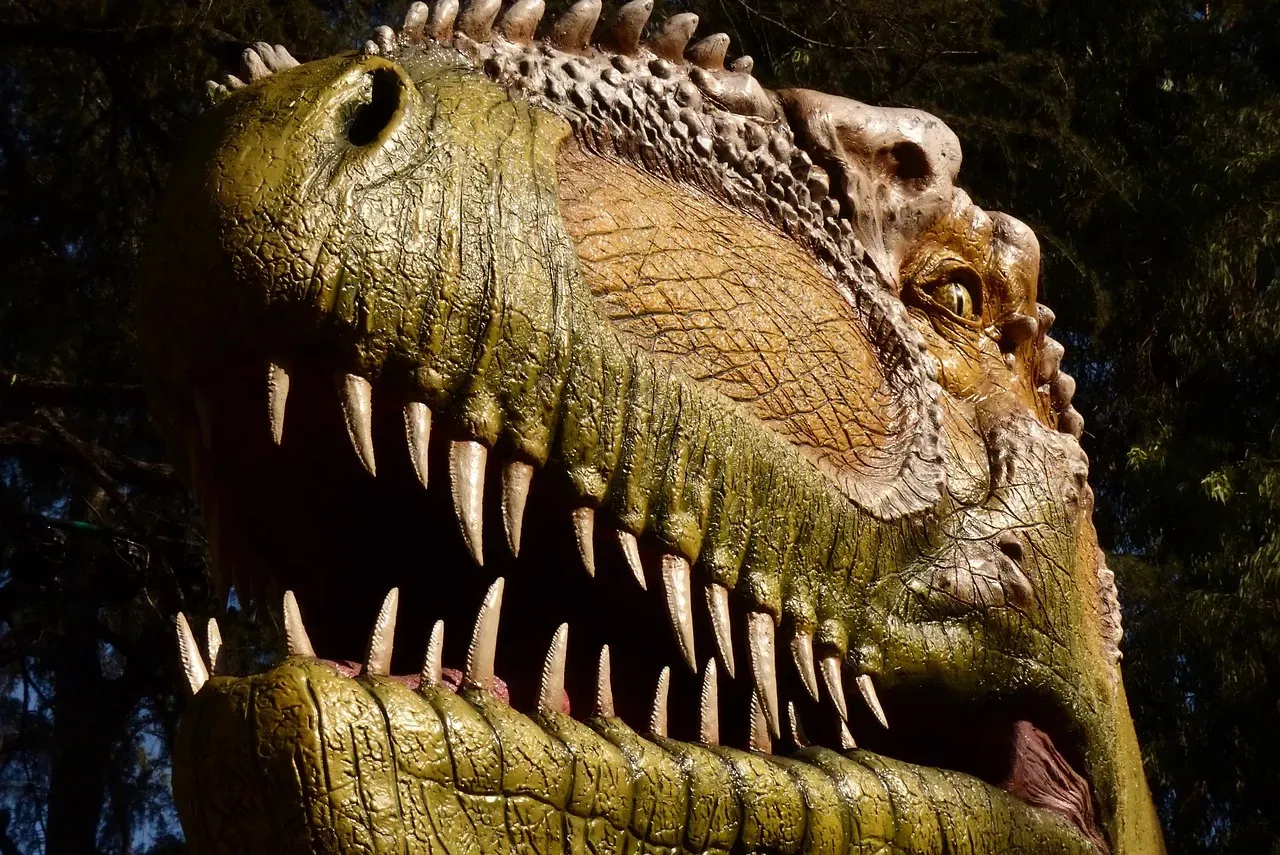
Herbivores and carnivores evolved specialized dental structures enabling efficient food processing – herbivores developed flat, broad teeth for grinding plants while carnivores sported sharp teeth for tearing flesh, minimizing dietary competition. It’s like having the perfect tool for every job in nature’s workshop.
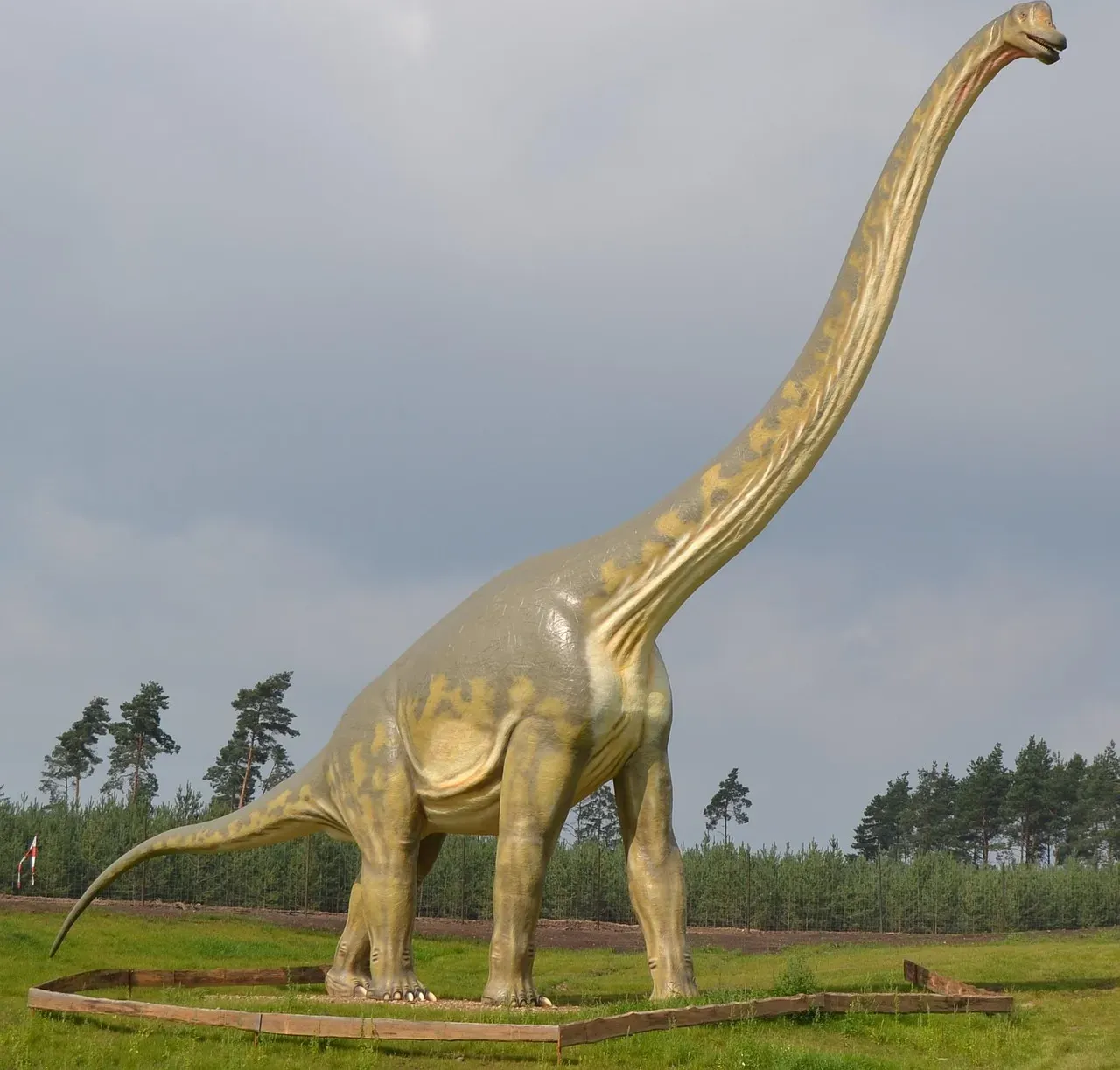
Massive sauropods like Brachiosaurus and Diplodocus developed elongated necks that allowed them to reach high into tree canopies, accessing plant matter unavailable to smaller herbivores. Early herbivorous dinosaurs diversified their diets to survive fluctuating environments, and their ability to exploit a wide range of food resources allowed them to thrive during ecological upheavals. Adaptability in diet was survival insurance.
Rapid Growth Rates and Metabolic Advantages
When compared against body size, dinosaurs had significantly higher growth rates than ectotherms of similar dimensions – in fact, their growth rates were comparable to mammals and ground-dwelling birds. They grew fast, matured quickly, and reached reproductive age sooner than their competitors.
When size and temperature effects were considered, dinosaur metabolic rates fell intermediate between endotherms and ectotherms, closest to extant mesotherms. This “metabolic middle ground” was genius. Lower resting metabolic rates meant they needed less food and could dedicate more energy to growth than animals with high baseline metabolism. They got the best of both worlds without the drawbacks.
Behavioral Flexibility and Social Structures
Fossil evidence indicates some dinosaurs, particularly theropods, may have hunted cooperatively in packs, displaying complex social behavior that allowed them to take down larger prey and survive in challenging environments. Imagine velociraptors coordinating an attack like wolves – terrifying and brilliantly effective.
Dinosaurs developed diverse physical adaptations, such as the bony plates of Stegosaurus, which served both defensive and thermoregulatory purposes. Elaborate display structures like horns or crests were common across dinosaur groups, with some developing skeletal modifications including bony armor and spines. These weren’t just weapons or shields – they were social signals, mating displays, and temperature regulators all rolled into one.
Adaptations to Diverse Climates and Terrains
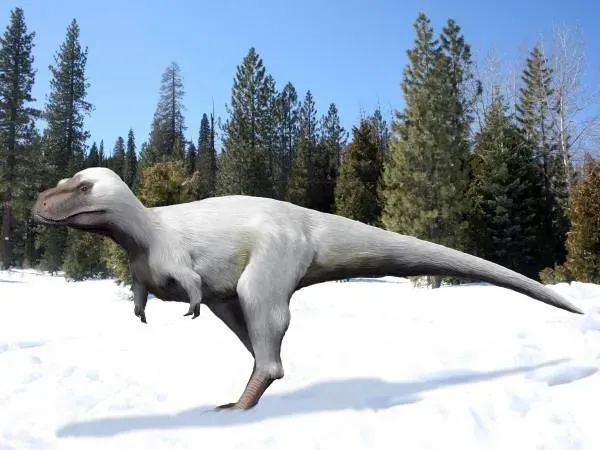
Recent research revealed that dinosaurs adapted remarkably to cold climates, with fossil evidence from northern regions showing they not only survived but thrived in freezing conditions. The presence of ice-rafted debris in Arctic regions indicates dinosaurs lived in polar areas and endured freezing temperatures, outcompeting species unable to adapt to cold.
Triceratops, with its three-horned head and robust build, navigated rugged mountainous landscapes easily, while its powerful limbs and sturdy frame allowed traversal of challenging terrain. In contrast, the fleet-footed Velociraptor thrived in open grassland environments where agility and speed provided distinct advantages. Different dinosaurs, different habitats, same winning formula – adapt or perish. They chose adaptation every time.
Conclusion
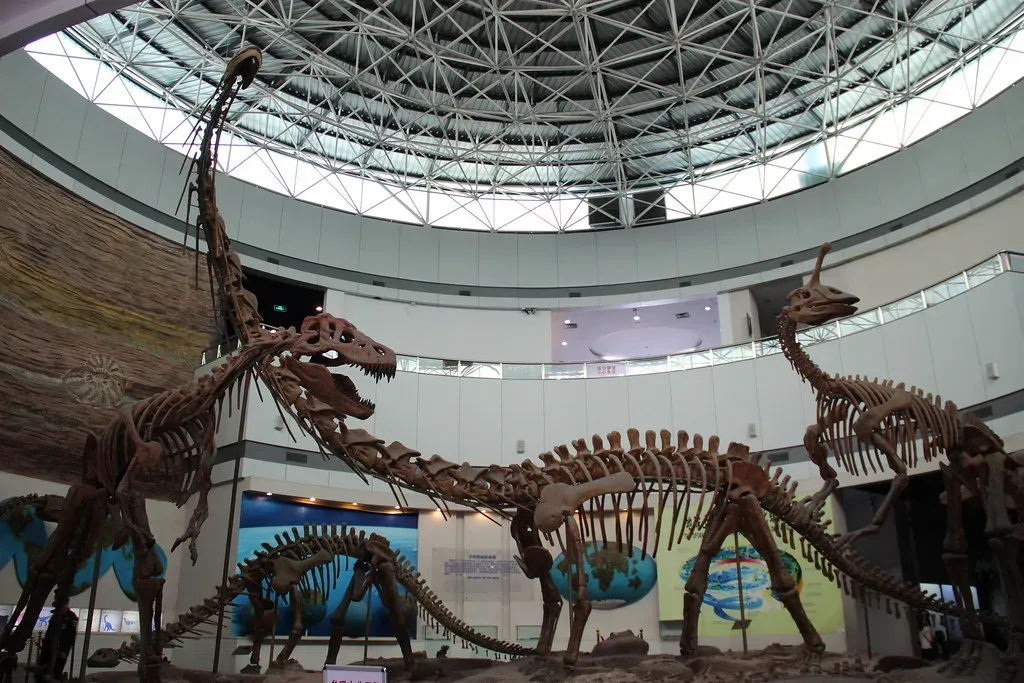
The reign of dinosaurs wasn’t built on luck or circumstance – it was forged through evolutionary brilliance. From lightweight yet powerful skeletons to respiratory systems that would make endurance athletes jealous, these creatures optimized nearly every aspect of survival. Their ability to adapt diets, climates, and social behaviors created a legacy that lasted longer than most species can dream of. While an asteroid eventually brought their era to a close, birds carry their DNA forward today, still flying on those same hollow bones.
What surprises you most about these ancient adaptations? Did you ever imagine dinosaurs were this sophisticated?