Think you know everything about dinosaurs? You probably recognize T. rex, Triceratops, and maybe even Velociraptor from the movies. These iconic creatures have dominated our childhood imaginations and museum halls for decades. Yet the prehistoric world was packed with far stranger beasts than Hollywood ever bothered to show us.
The Mesozoic Era lasted nearly 180 million years, which gave evolution plenty of time to experiment. Some of those experiments resulted in creatures so bizarre that when paleontologists first discovered their fossils, they suspected someone had glued different skeletons together as a prank. Seriously, these dinosaurs look like Mother Nature was having a laugh.
From tiny arms with a single finger to duck bills paired with camel humps, the dinosaurs you’ve never heard of might just be more captivating than their famous cousins. Let’s be real, once you learn about these oddities, you’ll wonder why they haven’t been featured in every dinosaur documentary ever made. So let’s dive in and discover seven of the most unforgettable dinosaurs that time forgot.
Linhenykus: The One-Fingered Wonder
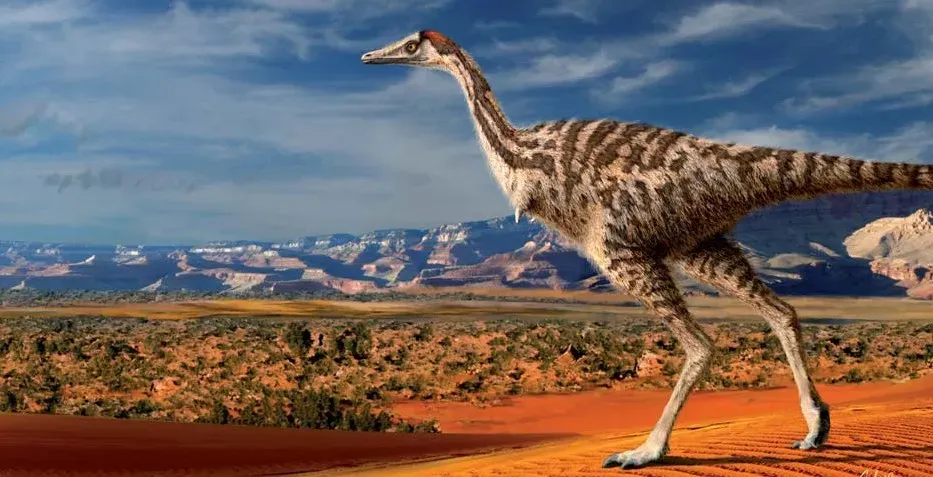
Linhenykus monodactylus was a small dinosaur belonging to a group called alvarezsaurs, whose members had absurdly tiny arms, and it inhabited what would become Mongolia between 84 and 75 million years ago. Here’s the thing though: while its relatives at least had multiple fingers, Linhenykus took minimalism to the extreme. It only possessed one heavily clawed finger per arm, making it the only known dinosaur with a single finger.
Picture a creature small enough to fit in the palm of your hand, wandering around with these ridiculously tiny arms ending in a single thick claw. Scientists hypothesize that Linhenykus used its thick claws to dig at ant hills and termite mounds, feasting on the small insects hiding inside while subsisting on an insectivorous diet. Evolution decided that one finger was all it needed, and honestly, who are we to argue? It’s like nature’s version of extreme decluttering.
Deinocheirus: The Platypus of Dinosaurs
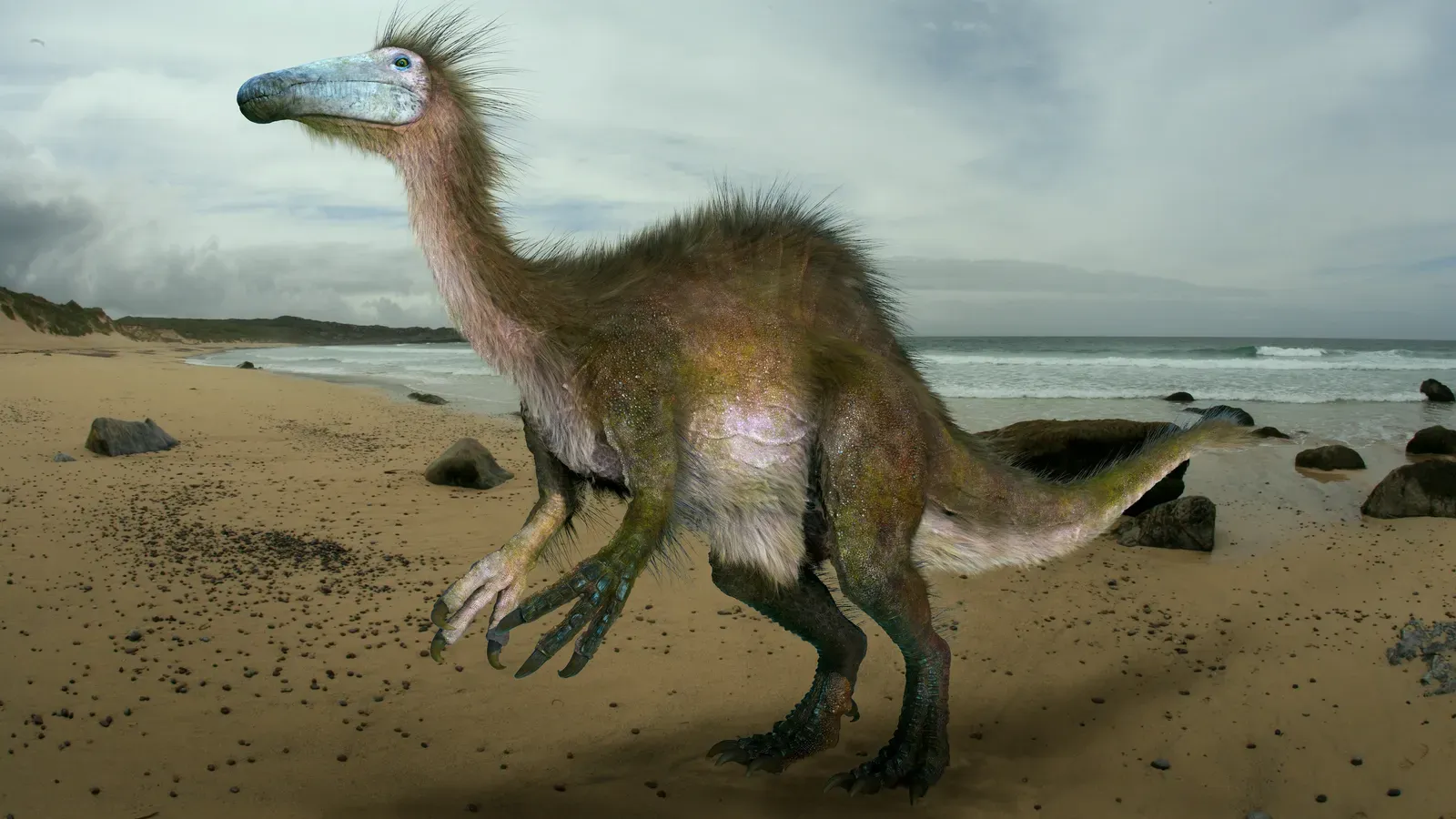
For half a century, this species was known only by two eight-foot arms with massive claws excavated in 1965 in Mongolia, until new specimens in 2014 finally filled in the rest of the picture. When scientists finally saw the complete skeleton, they could barely believe their eyes. The amalgam was so strange it rivaled the platypus, featuring a duck’s bill, a camel’s hump, and possibly a set of fan-like tail feathers.
It grew to the size of a Tyrannosaurus and had a massive hump on its back to help its legs support its large body, with about 1,400 rocks found in the belly of one specimen. Apparently, like modern birds, Deinocheirus swallowed stones to help grind up food in its stomach. The creature looked like someone played a game of “exquisite corpse” with dinosaur body parts, yet it actually existed. I mean, if you tried to design this thing from scratch, people would accuse you of having too much imagination.
Nigersaurus: The Vacuum Cleaner Dinosaur
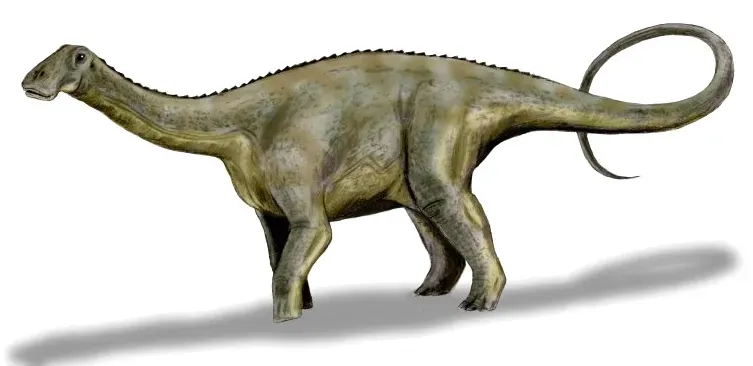
This sauropod earned a rather unflattering nickname, but it’s startlingly accurate. Nigersaurus had a unique head and jaw shape not seen in any other animal, with all its 500 teeth positioned at the end of its jaw at the front of the mouth, making its head look like the attachment to a vacuum cleaner. Imagine a dinosaur with a mouth that resembles a floor cleaning appliance. Nature really outdid itself with this one.
Each mature tooth had nine replacement teeth stacked up behind it, ready to take over when it wore down. This constant tooth replacement system was like having a lifetime supply of backup parts. This peculiar sauropod from the Middle Cretaceous Niger was famed for its grazing specialization, feeding close to the ground akin to modern cattle with its body structure supporting a head-down, ground-level feeding posture. It spent its days hoovering up vegetation like a prehistoric lawn mower, which is both practical and completely ridiculous.
Therizinosaurus: The Freddy Krueger of Herbivores
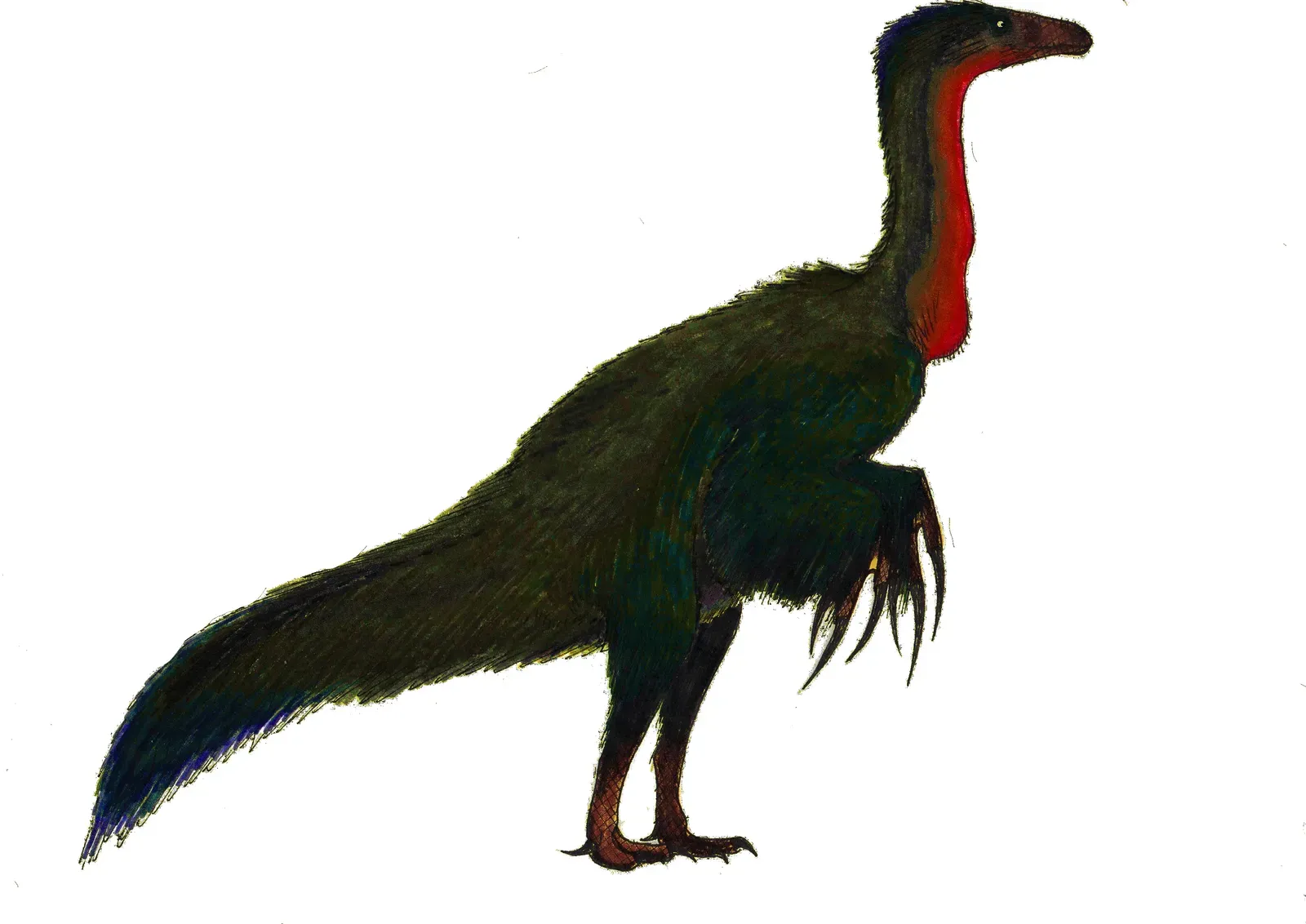
This Late Cretaceous herbivore from Mongolia looked like it belonged in a science fiction movie, with claws longer than a baseball bat, standing up to 10 meters long with a pot-bellied stance and long neck. When you first see this dinosaur, your brain immediately screams “predator!” Those claws look absolutely terrifying. Yet here’s the twist: it ate plants.
Despite their nightmarish Freddy Krueger claws, these unusual dinosaurs were probably not carnivorous, featuring a small skull and leaf-shaped teeth but lacking teeth in the front half of the upper jaw. It’s hard to say for sure, but those massive curved claws were likely used for stripping vegetation or maybe defending itself from actual predators. The image of this lumbering, pot-bellied giant delicately munching on leaves while sporting horror movie claws is almost too bizarre to comprehend. Evolution really has a sense of humor.
Yi Qi: The Bat-Winged Dinosaur
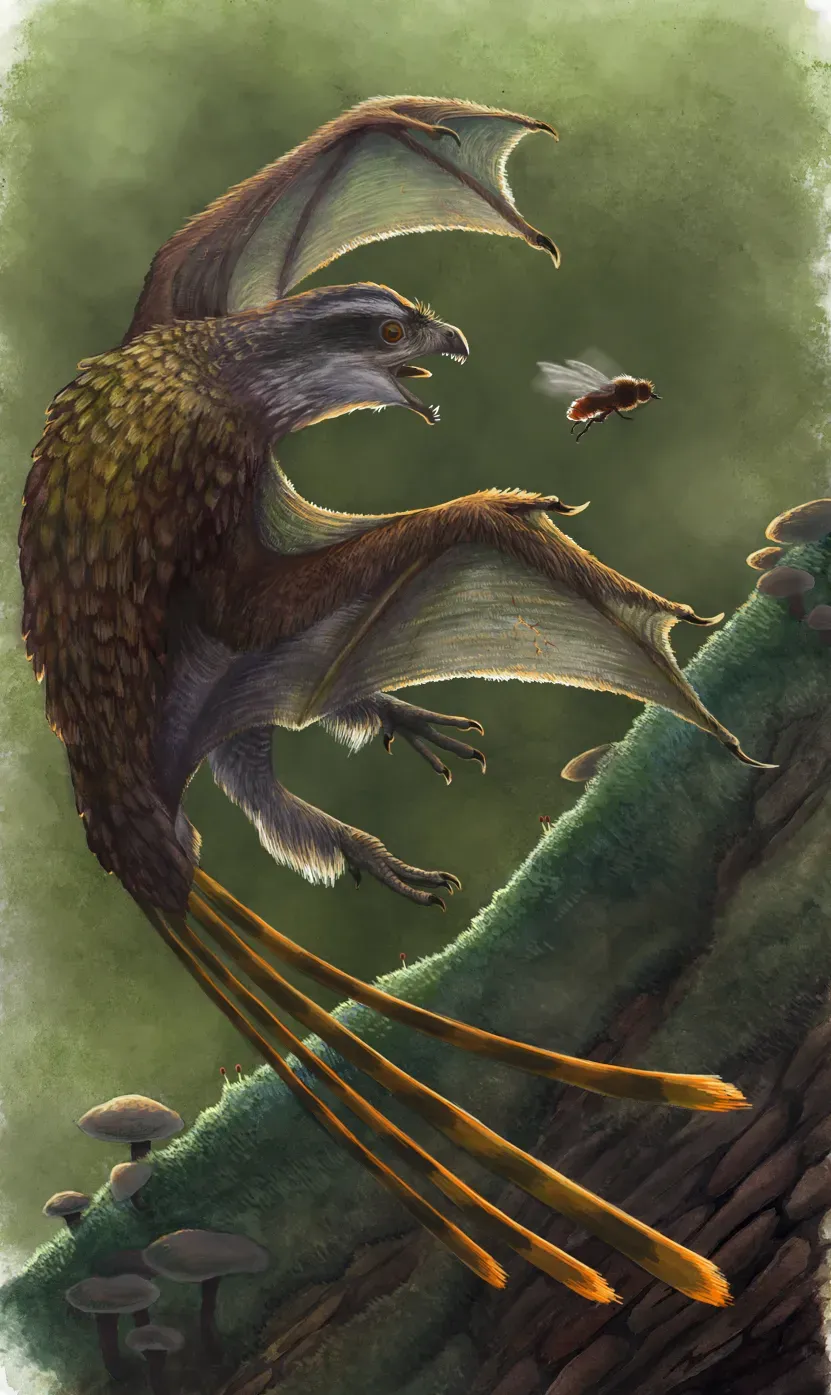
This tiny winged dinosaur from the Late Jurassic, around 160 million years ago, is so strange that the word “strange” literally makes up half of its name, with “qi” meaning strange in Mandarin and “yi” meaning wing, discovered in a quarry near Mutoudeng, North China. Most feathered dinosaurs have bird-like wings, but Yi qi decided to go in a completely different direction.
Yi qi was a small feathered dinosaur from China with membranous wings supported by a long rod-like bone extending from its wrist, featuring bat-like structures that may have allowed it to glide instead of feathered wings like a bird. Picture a pigeon-sized dinosaur covered in fluffy feathers but with skin membranes stretched between its fingers like a bat. The lack of large pectoral muscles suggests it probably wasn’t capable of flapping flight but was instead a specialized glider that soared from tree to tree hunting small flying insects. This creature was evolution’s experiment with an alternative flight design, and honestly, it’s kind of adorable in its weirdness.
Amargasaurus: The Punk Rock Sauropod
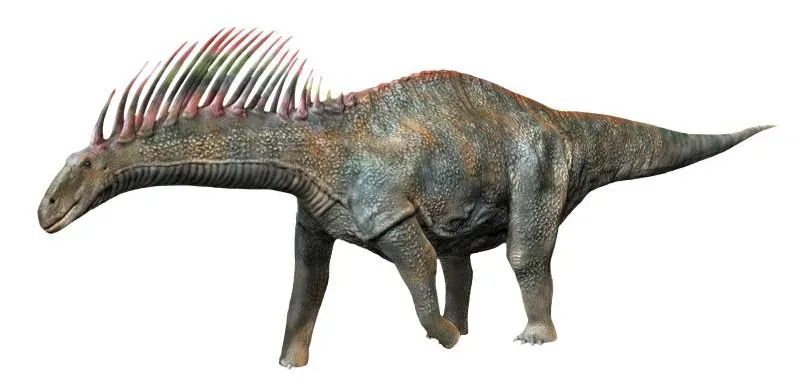
Most sauropods are known for their long necks and generally conventional appearance, but Amargasaurus threw that rulebook out the window. Amargasaurus possessed a bizarre double row of parallel spines along its neck and back, taller than any other sauropod. These weren’t subtle little bumps either. They were dramatic, elongated spines that gave the dinosaur an absolutely unforgettable silhouette.
Discovered in 1991 in Argentina, Amargasaurus was a sauropod that maxed out at around 35 feet long, and what made it so awesome was that it was the punk rock dinosaur, complete with mohawk. Scientists still debate whether these spines supported a sail of skin or were covered in keratin sheaths. Its double neck spines may have acted like a built-in sail to regulate body temperature. Whatever their purpose, Amargasaurus looked like it was ready to headline a Mesozoic music festival.
Pegomastax: The Porcupine Parrot
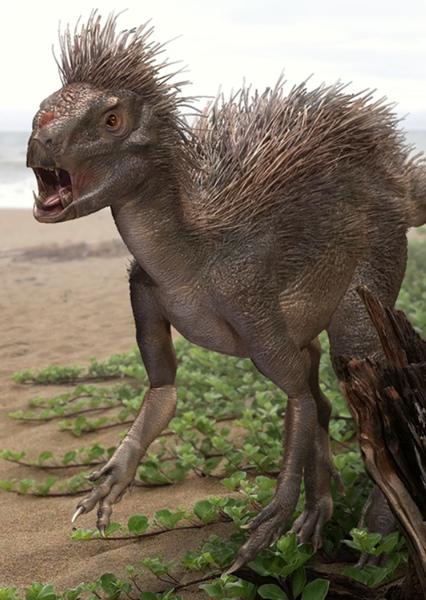
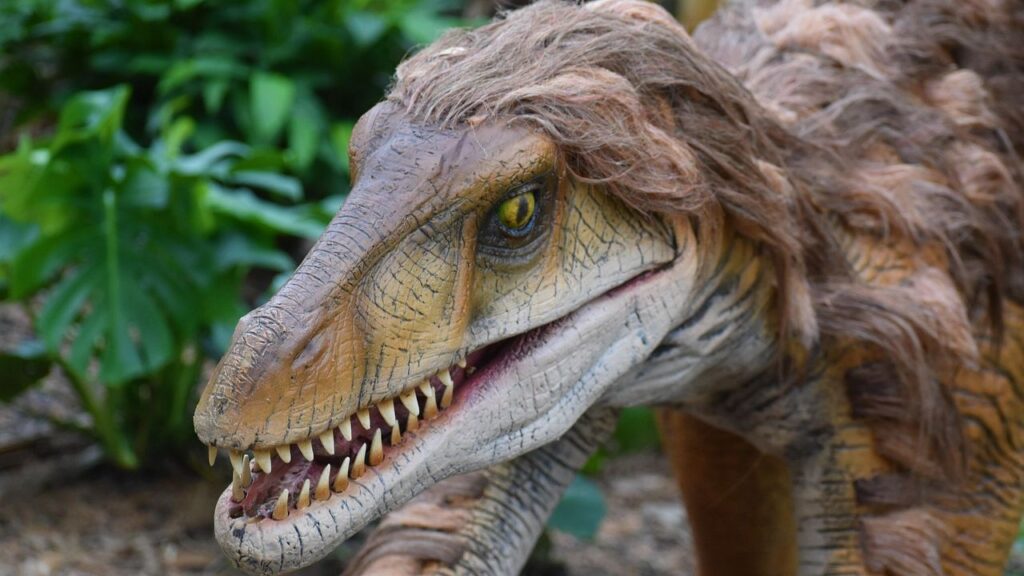
This herbivore was just 60 centimeters long and covered in quills, described as a cross between a parrot and a porcupine with a beak and teeth which sharpened themselves against each other. Honestly, “porcupine parrot” might be the best dinosaur description ever conceived. This little oddball looked nothing like what most people imagine when they think “dinosaur.”
Pegomastax was a small Early Jurassic heterodontid that inhabited what is now South Africa around 200 to 190 million years ago, measuring 60 centimeters in length and weighing less than a housecat, yet despite its plant-based diet it sported a parrot-like beak with unusual fangs. Why would a plant-eater need fangs? Probably for defense or showing off to rivals. Its jaw was robust with tall teeth adapted for slicing through vegetation, and its body may have been covered with bristle-like structures, suggesting it was a specialist using its sharp teeth for nipping and its quills for protection. This tiny, spiky, beaked creature must have been quite the character in its ecosystem.
Conclusion
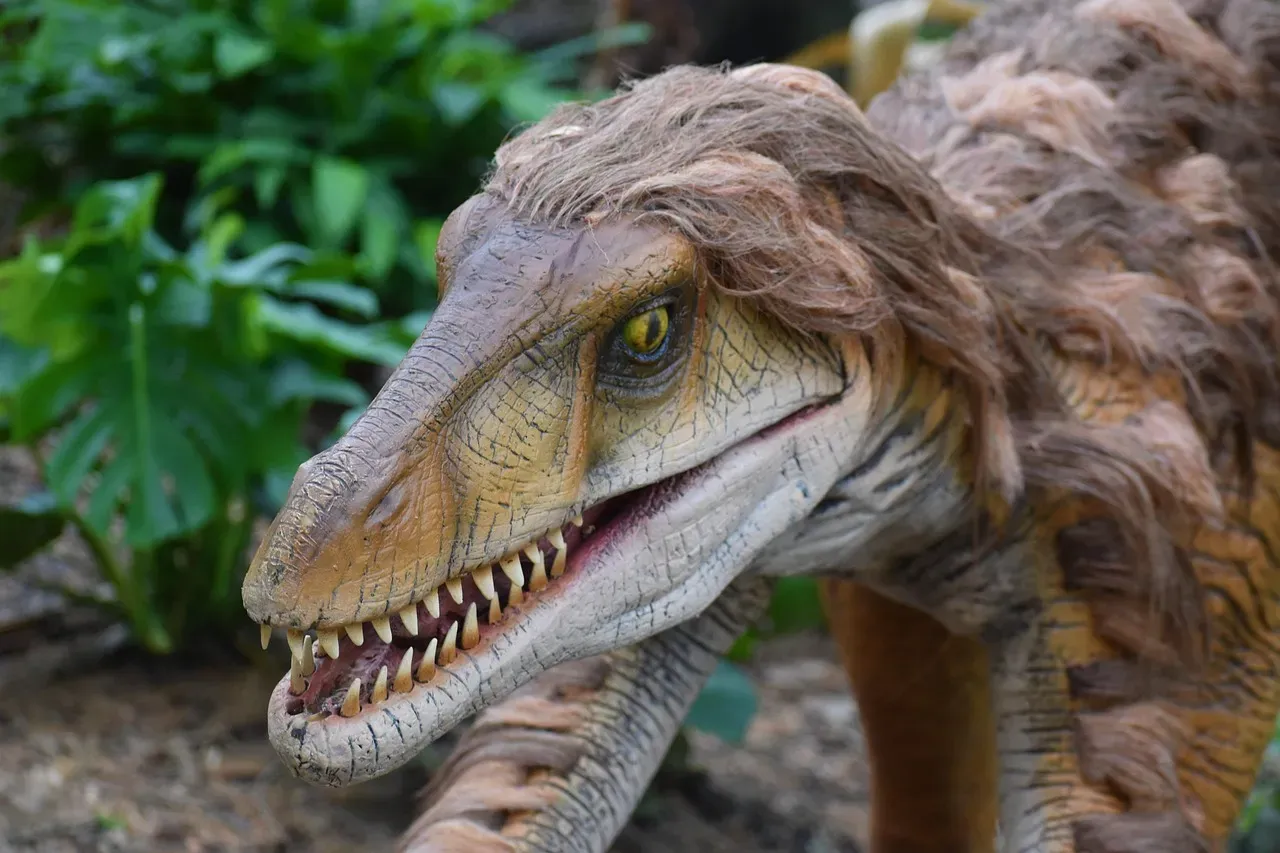
The dinosaurs you just discovered prove that the prehistoric world was far weirder and more creative than any museum diorama suggests. These lesser-known species show us that evolution doesn’t follow a predictable script. Sometimes it produces vacuum cleaner mouths, bat wings on feathered bodies, or absurdly long claws on gentle herbivores.
Each of these bizarre dinosaurs survived and thrived in their respective environments, which means their strange features weren’t just quirks but successful adaptations. That single-fingered Linhenykus? Perfectly suited for raiding insect nests. That ridiculous-looking Deinocheirus? Actually an efficient omnivore. These creatures remind us that what seems odd to us made perfect sense in their world.
Next time someone brings up dinosaurs, skip the T. rex talk and blow their minds with tales of the platypus dinosaur or the porcupine parrot instead. Did you expect dinosaurs to be this wonderfully weird? What other prehistoric oddities might be waiting to be discovered beneath our feet?