Ever wonder what happens when ancient mythology collides with paleontology? You’re about to find out. Picture this: scientists digging through millions of years of rock, unearthing prehistoric bones, and then reaching back into the stories of gods, demons, and dragons to name their discoveries. It’s not just creative, it’s downright poetic.
The world of dinosaur nomenclature is filled with references to Greek heroes, Mesopotamian demons, and Norse tricksters. These names aren’t random. They tell stories about the creatures themselves, their characteristics, their behaviors, even the places they were discovered. Think about it this way: if you found a feathered dinosaur with massive claws, wouldn’t you want to name it after something equally dramatic?
Let’s be real, paleontologists have a flair for the theatrical. They understand that a good name can capture the public’s imagination while honoring the rich tapestry of human storytelling. So let’s dive in.
Talos Sampsoni: The Bronze Guardian with Deadly Talons
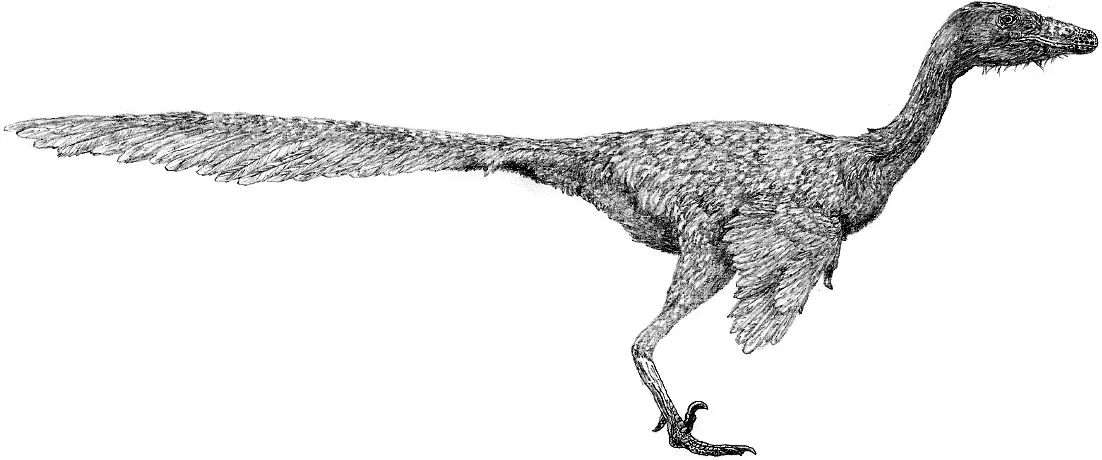
Named after Talos, a giant bronze automaton from Greek mythology, Talos sampsoni was a raptor dinosaur with razor sharp claws. This birdlike theropod lived during the late Cretaceous period, roughly 76 million years ago, in what we now know as Utah.
The mythological Talos was a winged figure that could supposedly run at lightning speed. Here’s the thing, the dinosaur version wasn’t exactly slow either. Weighing about 83 pounds and measuring approximately six feet long, this little scrapper was fleet-footed and lightly built. What makes Talos particularly interesting is that the fossil showed evidence of an ankle injury, which paleontologists believe offers insight into how it used its famous sickle claws. The mythological connection? The Greek automaton Talos also succumbed to an ankle wound. Sometimes reality mirrors legend in the most unexpected ways.
Anzu Wyliei: The Feathered Demon from Hell Creek
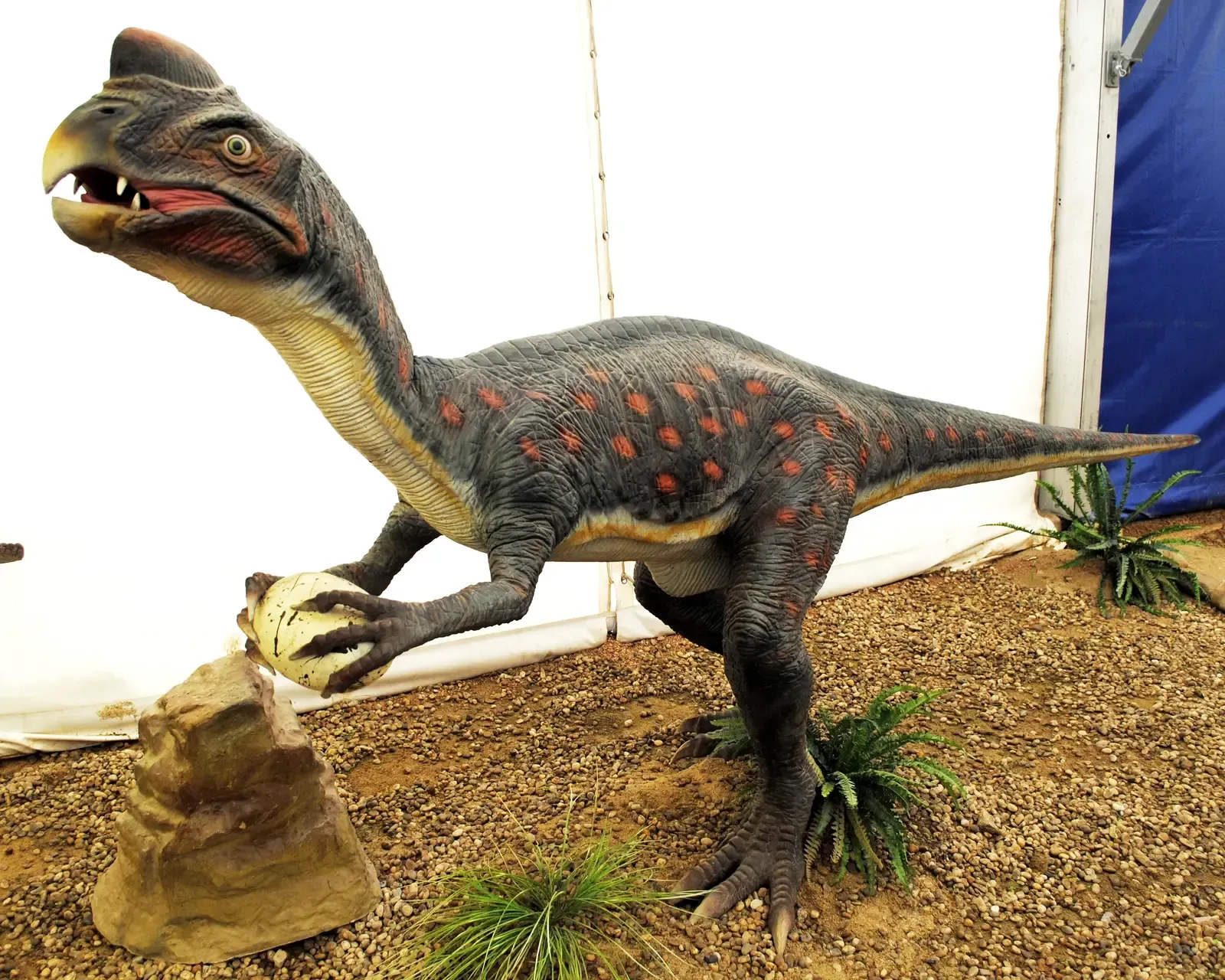
Talk about an intimidating name. Anzu was named after a bird-like daemon from ancient Sumerian mythology and lived during the Late Cretaceous period in what is now North Dakota and South Dakota. The researchers who discovered it had a nickname for this beast that perfectly captures its essence: the “chicken from hell.”
In Mesopotamian mythology, Anzu was a divine storm-bird, half man and half bird, who stole the Tablet of Destinies from the god Enlil. The dinosaur version was just as formidable. It sported big crests on its skull, a toothless beak, and a very bird-like skeleton. Standing around 11 feet long and weighing several hundred pounds, Anzu was North America’s largest known oviraptorosaur. Scientists believe it was a fast-running ecological generalist with a jaw structure suggesting it could eat vegetation, small animals, and possibly eggs. Now that’s versatility worthy of a mythological demon.
Lokiceratops Rangiformis: The Norse God’s Horned Face
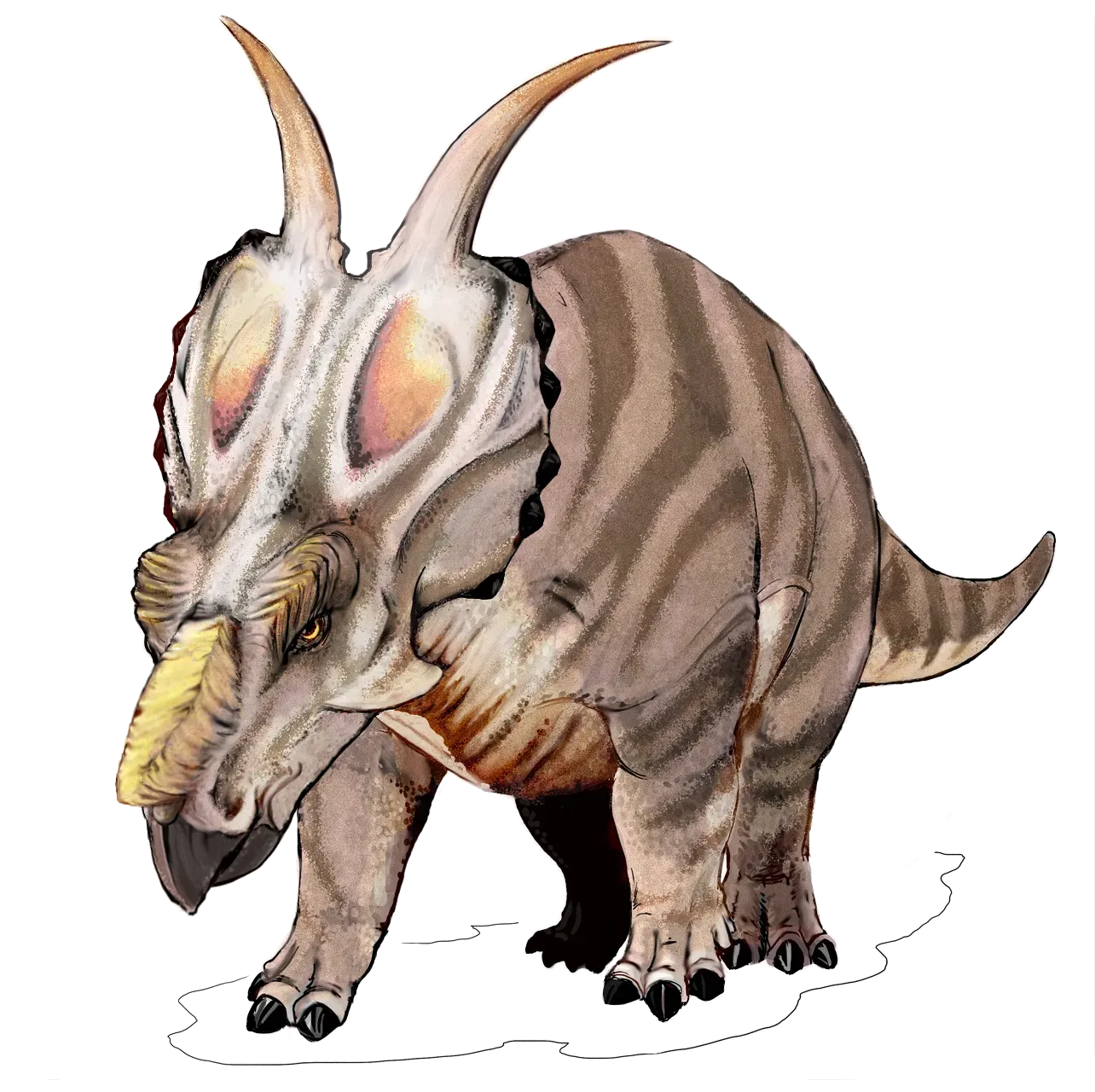
Lokiceratops rangiformis takes its name from Loki, the famous Norse trickster god, and was discovered in Montana. If you’re a Marvel fan, you’ll recognize the inspiration immediately, though honestly, the real Norse mythology is far more complex.
The full name roughly translates to “Loki’s horned face that looks like a caribou,” directly inspired by the horned helmet worn by Loki in Marvel comics and films. The two horns on this dinosaur were of different lengths, just like the asymmetrical antlers of caribou. This species was one of many Triceratops ancestors that lived in western North America around 78 million years ago. The elaborate horn display likely served a purpose beyond intimidation. Researchers speculate they were used for attracting mates, making Lokiceratops the prehistoric equivalent of a peacock showing off its feathers.
Balaur Bondoc: Romania’s Stocky Dragon
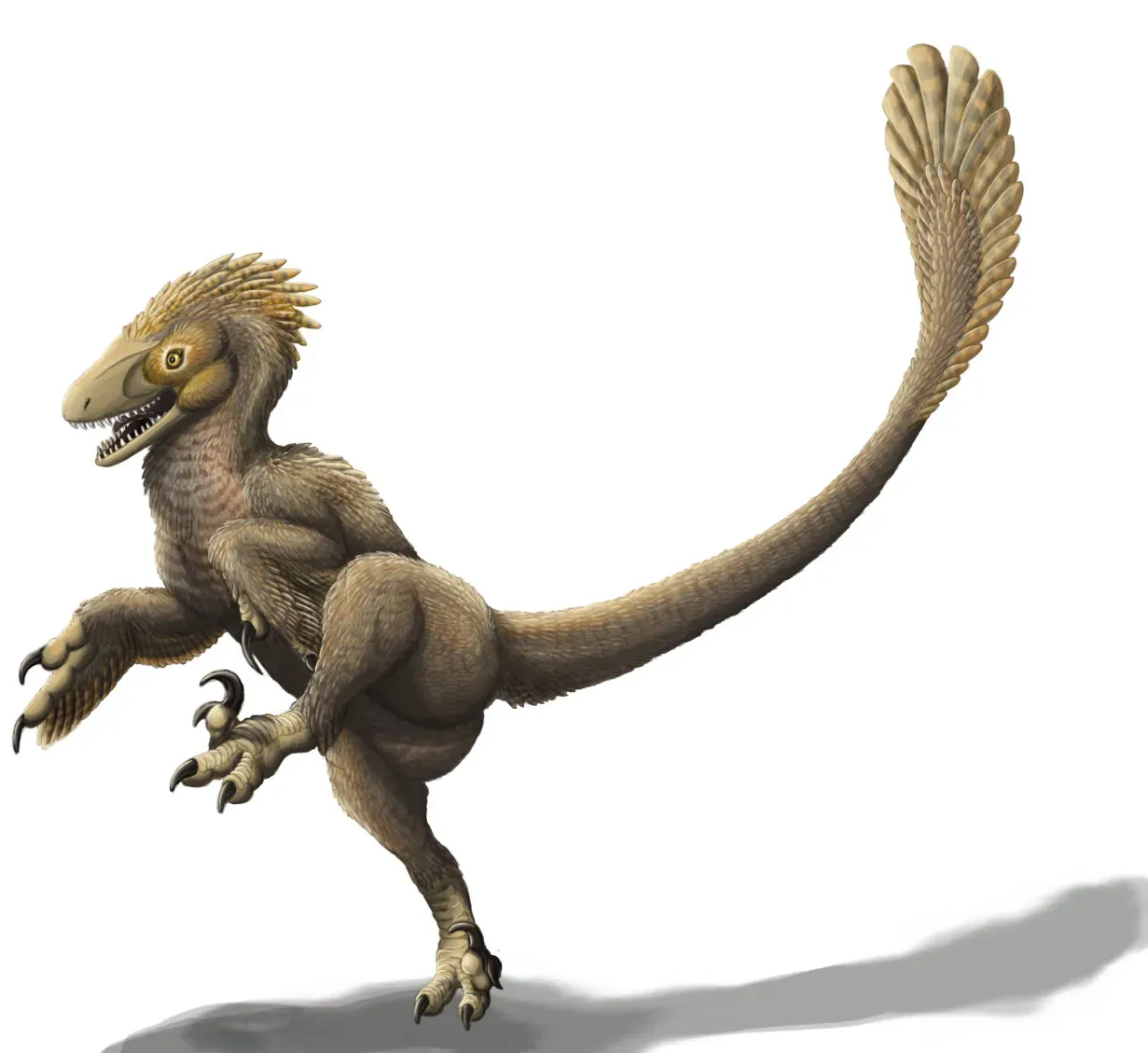
Balaur bondoc gets its name from the Romanian word for dragon, with bondoc meaning “squat” or “chubby individual”. Put them together and you get “stocky dragon,” which is remarkably accurate for this unusual theropod.
In Romanian folklore, a balaur is a type of many-headed dragon or monstrous serpent, sometimes equipped with wings, with the number of heads usually around three but sometimes seven or even twelve. The dinosaur lived in Romania during the late Cretaceous period, about 70 million years ago. What sets Balaur apart from other raptors is its bizarre foot structure. While most raptors had one enlarged sickle claw, Balaur had two retractable sickle claws on both the first and second toes of each foot. That’s double the weaponry. Scientists believe Balaur exhibited island syndrome, showing reduced flight capacity compared to other basal avialans due to its isolated island environment. Evolution does strange things when you’re stranded on an island for millions of years.
Mercuriceratops Gemini: Wings of the Roman Messenger
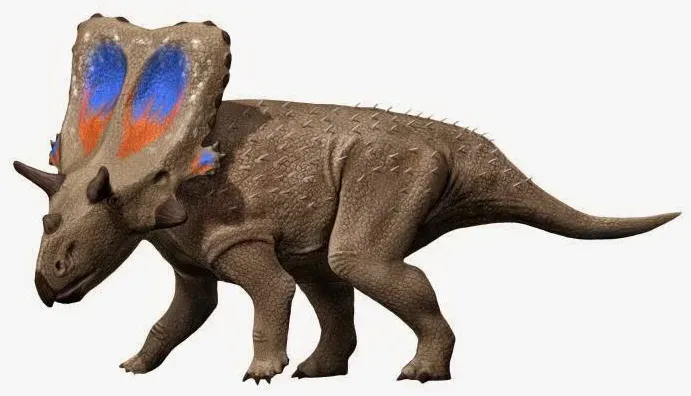
Mercuriceratops gemini was named after Mercury, the Roman god, because the ornamentation on its head resembles the wings on the head of the deity, and Gemini because two almost identical specimens were found. Here’s where mythology meets anatomy in the most visual way possible.
This Cretaceous ceratopsid dinosaur had distinctive wing-like frills extending from its skull. Imagine a horned dinosaur sporting what looks like Mercury’s famous winged helmet. The gemini part of the name adds another layer, referencing the twin specimens discovered. Mercury, known for speed and communication in Roman mythology, makes a fitting namesake for a creature whose most striking feature evokes the god’s iconic headgear. It’s this kind of creative naming that makes paleontology feel less like dry science and more like storytelling.
Dracorex Hogwartsia: The Dragon King of Hogwarts
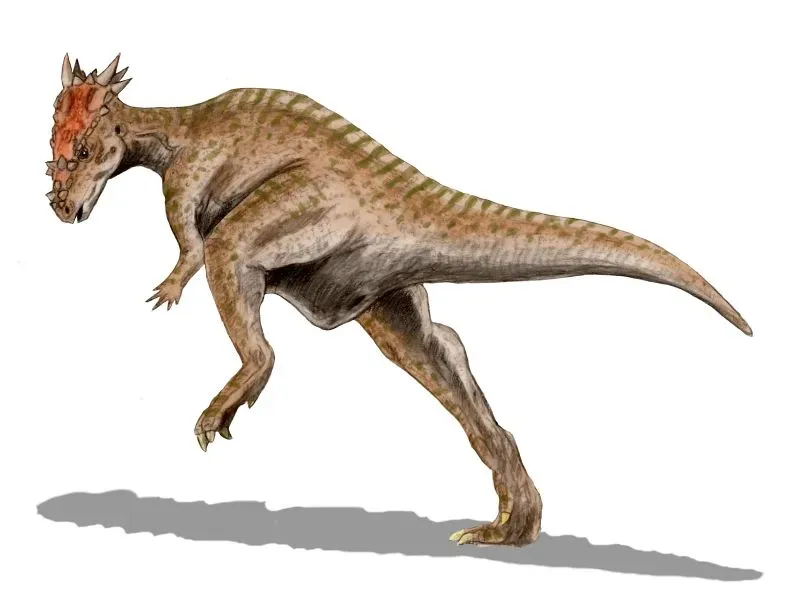
Dracorex hogwartsia was named after the fictional school Hogwarts from the Harry Potter series, reflecting its dragon-like appearance. Yes, you read that right. A legitimate dinosaur species carries the name of a wizard school.
This dinosaur had a thick, domed skull with spiky horns and bumps that genuinely made it look like a dragon straight out of fantasy literature. The scientific name translates roughly to “Dragon King of Hogwarts,” which might be the coolest dinosaur name ever conceived. It lived during the Late Cretaceous period in North America. Some paleontologists have debated whether Dracorex is actually a juvenile form of another dinosaur species, but the name has stuck regardless. This demonstrates how popular culture and scientific nomenclature can intersect, creating bridges between academic research and public fascination. Sometimes a little magic in the name helps spark interest in real science.
Quetzalcoatlus: The Aztec Feathered Serpent
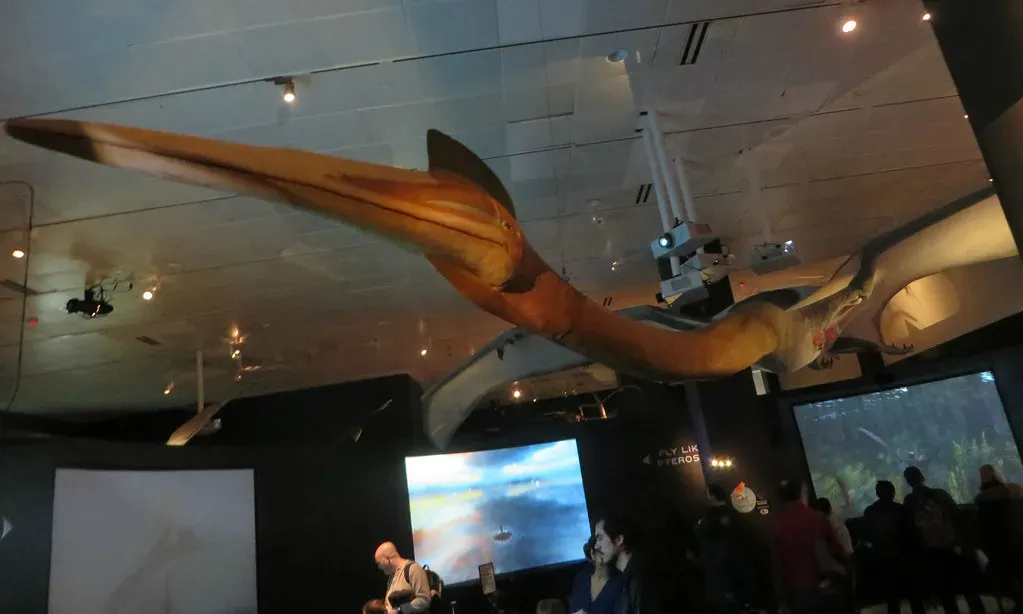
Quetzalcoatlus, the giant flying reptile, was named after Quetzalcoatl, the Aztec feathered serpent god. Though technically a pterosaur rather than a dinosaur, it absolutely deserves mention for its mythological connection and sheer impressiveness.
Quetzalcoatlus was one of the largest known flying animals ever to exist, with a wingspan that could reach over 30 feet. That’s roughly the size of a small airplane. The Aztec god Quetzalcoatl was a feathered serpent deity associated with wind, air, and learning, making it a perfect namesake for a creature that ruled the Cretaceous skies. The connection between a flying reptile and a deity of the air seems almost inevitable. When paleontologists discovered remains of this massive pterosaur in Texas, they knew only a god’s name would do it justice. Looking at reconstructions of Quetzalcoatlus, with its enormous wings and distinctive crest, you can almost imagine ancient peoples stumbling upon similar fossils and creating myths about feathered serpents soaring through the heavens.
Gojirasaurus: Japan’s King of the Monsters
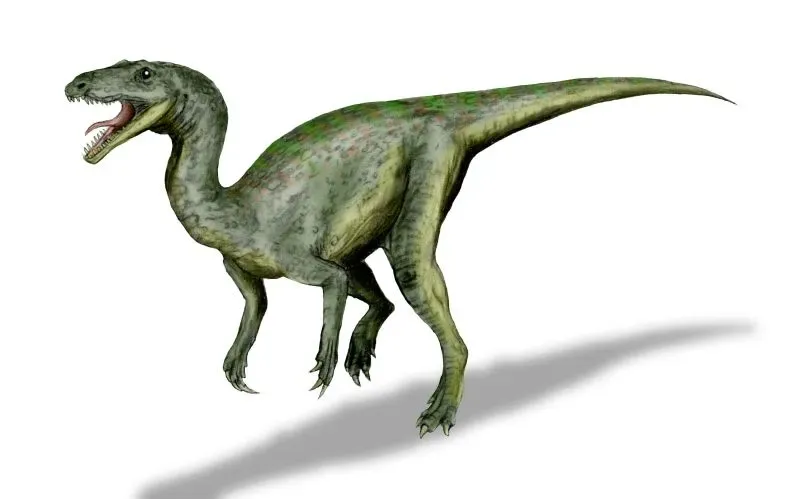
Though not directly from ancient mythology, Gojirasaurus deserves recognition for being named after one of modern mythology’s most iconic creatures: Godzilla. The Japanese name for Godzilla is “Gojira,” and this Triassic theropod was named in homage to the legendary kaiju.
Discovered in New Mexico, Gojirasaurus lived roughly 210 million years ago during the Late Triassic period. It was a sizable predator for its time, though nowhere near the city-destroying proportions of its cinematic namesake. The connection highlights how modern pop culture monsters often draw from the same well of ancient fears and fascinations that gave birth to dragons, demons, and mythological beasts. Godzilla itself was inspired by both dinosaurs and nuclear age anxieties, creating a full circle where ancient creatures inspire modern myths, which then inspire the naming of newly discovered ancient creatures. It’s a beautiful loop of cultural storytelling.
Stygimoloch Spinifer: From the River of Hate
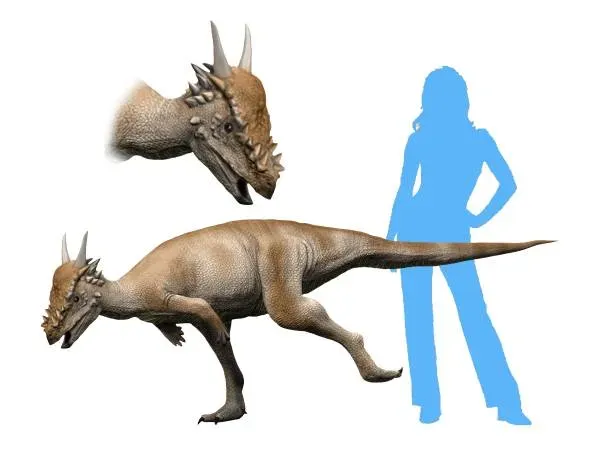
Stygimoloch spinifer carries one of the most metal names in paleontology. The genus name combines “Styx,” the mythological river in Greek mythology that formed the boundary between Earth and the Underworld, with “moloch,” a Semitic deity.
This thick-skulled dinosaur lived during the Late Cretaceous period in what is now North America. With its prominent spikes and domed head, Stygimoloch looked like it crawled straight out of the underworld. The name “spinifer” refers to the spike-bearing nature of the creature. Greek mythology describes the River Styx as a place of binding oaths and terrible darkness, guarded by fearsome entities. A dinosaur named after such a place carries an inherent sense of danger and otherworldliness. Some researchers now believe Stygimoloch may actually be a juvenile form of Pachycephalosaurus, but the name remains evocative regardless. Whether it’s a distinct species or a growth stage, the mythological connection perfectly captures the creature’s intimidating appearance.
Cryolophosaurus Ellioti: The Frozen Elvis Demon
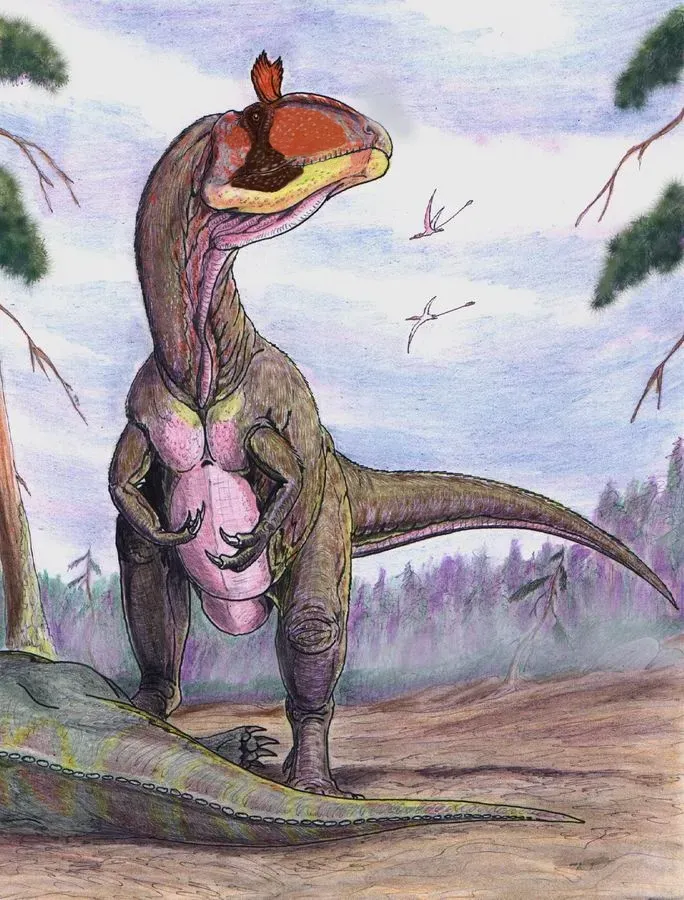
Cryolophosaurus ellioti has dual mythological connections, though one is decidedly more modern. Discovered in Antarctica, this Early Jurassic theropod earned the nickname “Elvisaurus” because of a distinctive curved crest on its head that resembled Elvis Presley’s famous pompadour hairstyle.
The scientific name breaks down to “frozen crested lizard,” referencing both its Antarctic home and its unusual headgear. While Elvis isn’t exactly ancient mythology, the king of rock and roll has achieved near-mythological status in popular culture. The crest itself likely served display purposes, helping Cryolophosaurus attract mates or intimidate rivals. What makes this dinosaur particularly fascinating is its location. Finding a large predatory dinosaur in Antarctica demonstrates how different Earth’s climate was 190 million years ago. The continent wasn’t always a frozen wasteland. During the Early Jurassic, it was forested and temperate, home to diverse ecosystems. Cryolophosaurus, with its flamboyant crest and powerful build, would have been a formidable presence in those ancient Antarctic forests.
Pantydraco Caducus: The Welsh Dragon’s Legacy
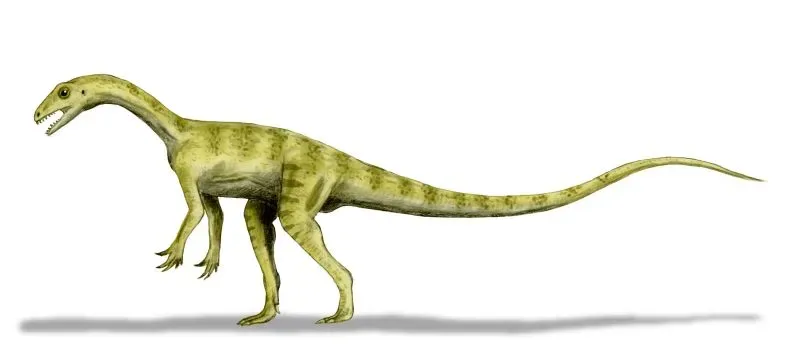
Pantydraco caducus, a sauropodomorph from the Late Triassic or Early Jurassic, gets its name from the Pant-y-ffynnon quarry where it was discovered and the word draco, meaning dragon. This brings us full circle to dragons, perhaps the most universal mythological creature across cultures.
The Welsh connection is particularly appropriate given Wales’s deep association with dragons. The Welsh flag features Y Ddraig Goch, the Red Dragon, as its central symbol. Dragons appear throughout Welsh mythology and legend, representing power, wisdom, and national identity. Pantydraco lived roughly 200 million years ago during a time when dinosaurs were still relatively new players in Earth’s ecosystems. As an early sauropodomorph, it was part of the lineage that would eventually produce the largest land animals ever to walk the planet. The name elegantly combines local heritage with paleontological discovery, honoring both the creature itself and the land where its bones were found. It’s a reminder that dinosaur names can pay tribute to local culture and mythology, not just the grand epics of Greece, Rome, or Mesopotamia.
The Mythological Legacy Lives On
The practice of naming dinosaurs after mythological creatures creates a bridge between ancient storytelling and modern science. These names do more than identify species in academic papers. They capture imaginations, spark curiosity, and help us remember that paleontology is fundamentally about uncovering stories buried in stone.
Looking to human culture and mythology has become especially popular with paleontologists as a way to link science and imagination, and wisely chosen names can become vectors for connecting nature and humanity through shared culture. Each of these dinosaurs carries not just the weight of millions of years of evolutionary history, but also the power of human myth and legend.
From Greek automatons to Mesopotamian demons, from Norse tricksters to Romanian dragons, these names remind us that the line between science and storytelling isn’t as firm as we might think. Both seek to explain our world, to make sense of the strange and wonderful, to pass knowledge from one generation to the next. When a paleontologist names a new species after a mythological creature, they’re participating in a tradition as old as humanity itself: using stories to make the incomprehensible feel just a little more understandable.
What’s your favorite mythology-inspired dinosaur name? Does knowing the mythological connection change how you picture these ancient creatures?