When you picture a dinosaur dig, you probably imagine dusty badlands or vast desert plains. Maybe some remote canyon under a blazing sun. The truth is, paleontology keeps surprising us in places we never thought to look. Sometimes fossils turn up right beneath our feet. Or under a museum parking lot. Or frozen into remote cliffs where few humans dare to venture.
We’re living through what experts call a golden age of dinosaur discovery, with new species popping up nearly every week. What makes these finds even more thrilling is where they’re coming from. Let’s be real, it’s not always the obvious spots. So let’s dive into five of the most locations that left even seasoned scientists scratching their heads.
Beneath a Museum Parking Lot in Denver
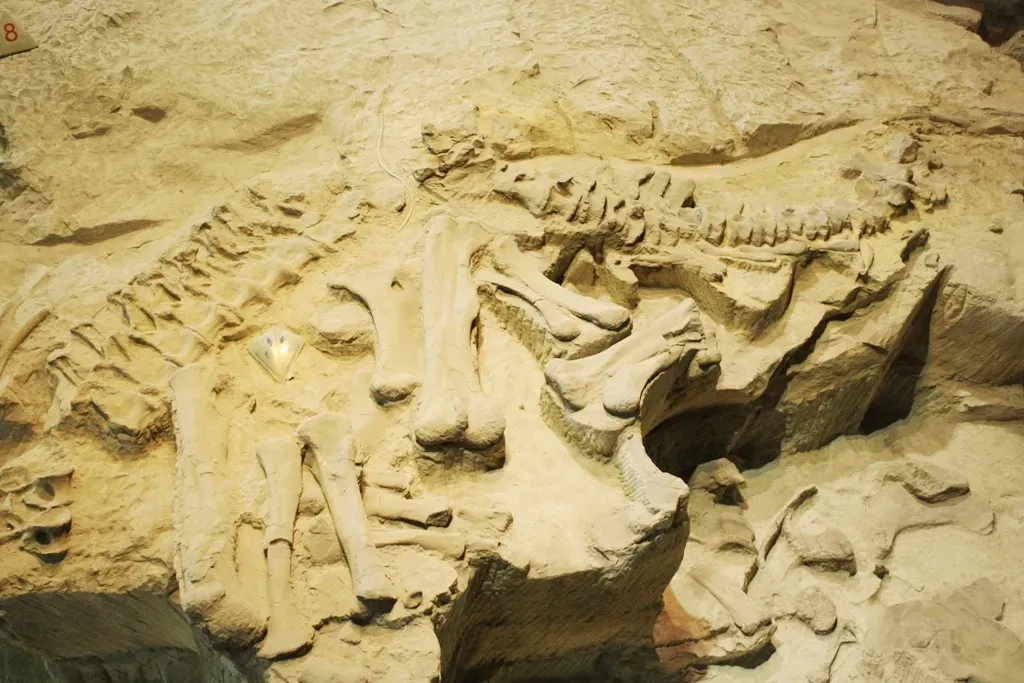
Picture this: You’re drilling test holes for a geothermal project in a museum parking lot when you hit something extraordinary. A dinosaur fossil was found in a narrow drill core, marking the deepest and oldest dinosaur bone ever discovered within Denver city limits.
The scientific core was drilled nearly 1,000 feet below the surface, passing through layers of modern river deposits before reaching ancient bedrock from the Late Cretaceous Period. One curator described it as “basically like winning the lottery and getting struck by lightning on the same day”. The odds were astronomical. Nobody expected to find a perfectly preserved piece of prehistory right there in Denver, Colorado.
Under Construction at Dinosaur National Monument
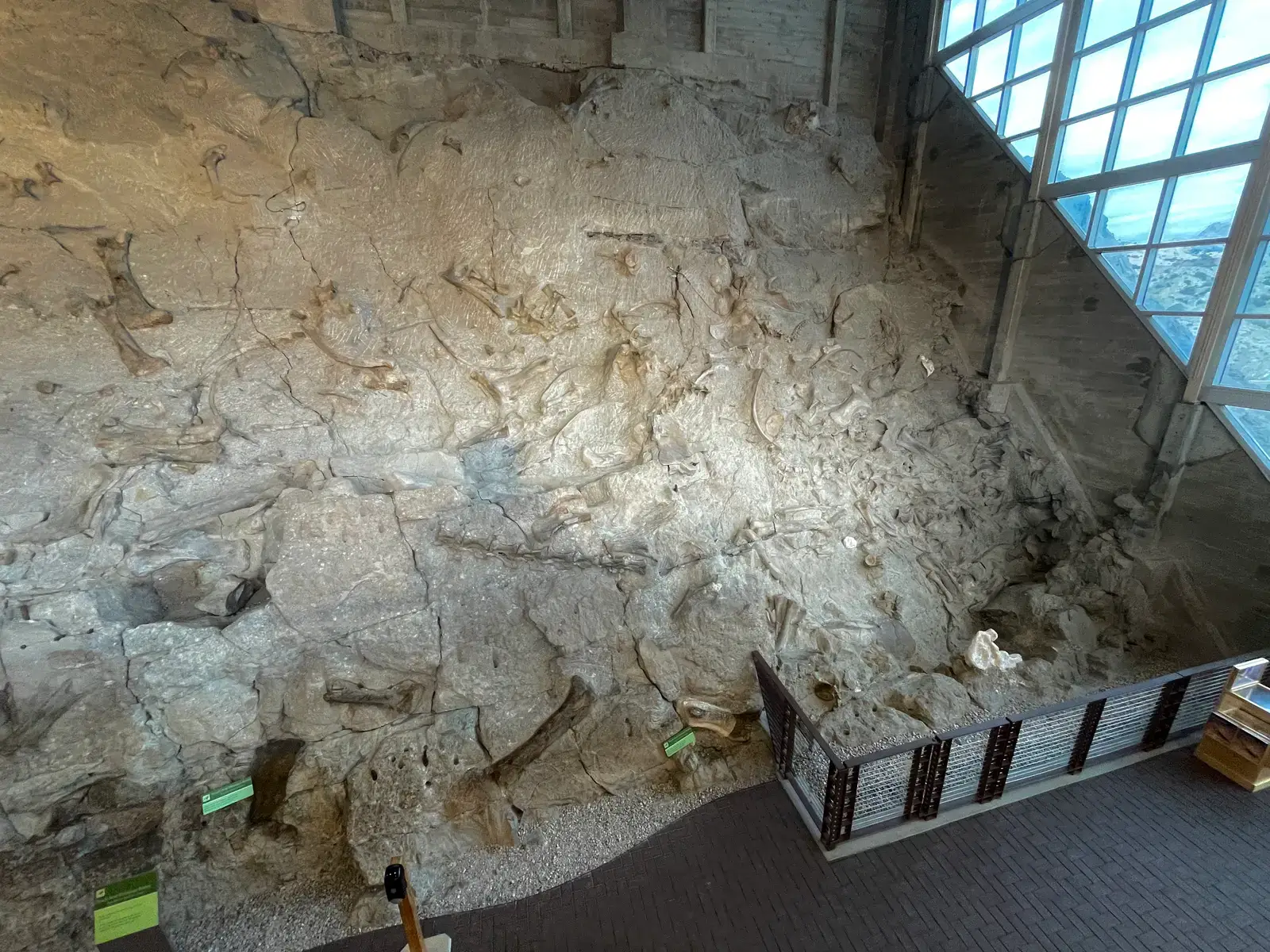
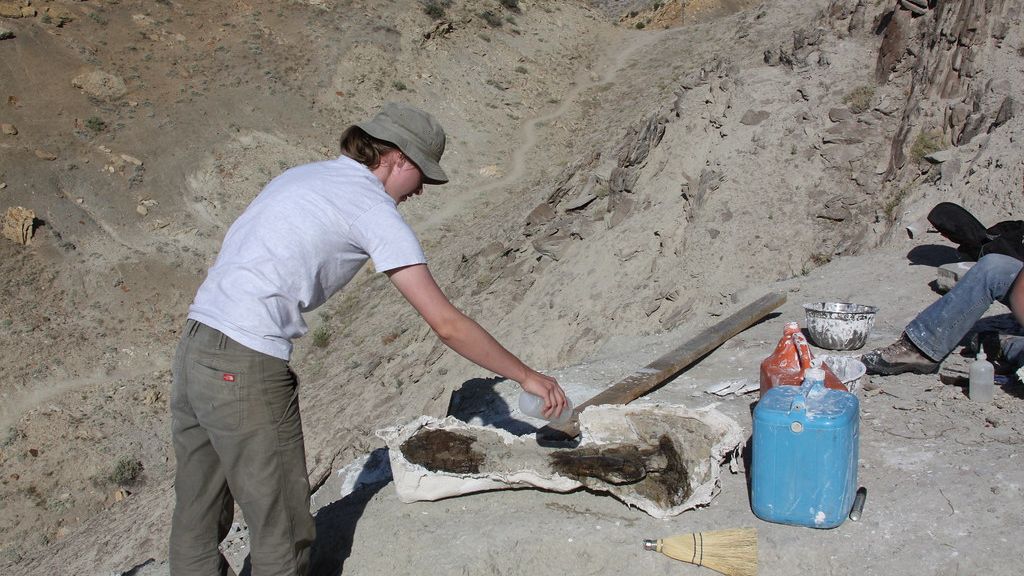
During parking lot construction work at Dinosaur National Monument, previously uncovered dinosaur fossils emerged near the Quarry Exhibit Hall, marking the first fossil excavations at this location since 1924. Sometimes the best discoveries happen when we’re trying to improve visitor amenities rather than actively searching for bones.
The timing felt almost poetic. Here’s this famous site known worldwide for its spectacular wall of bones where visitors can see roughly 1,500 dinosaur fossils still embedded in rock. Yet somehow, right next door during routine construction, more fossils decided to reveal themselves after nearly a century of silence. It’s hard to say for sure, but maybe there are countless treasures still waiting just inches beneath the places we walk every day.
In a Limestone Quarry Worker’s Daily Routine
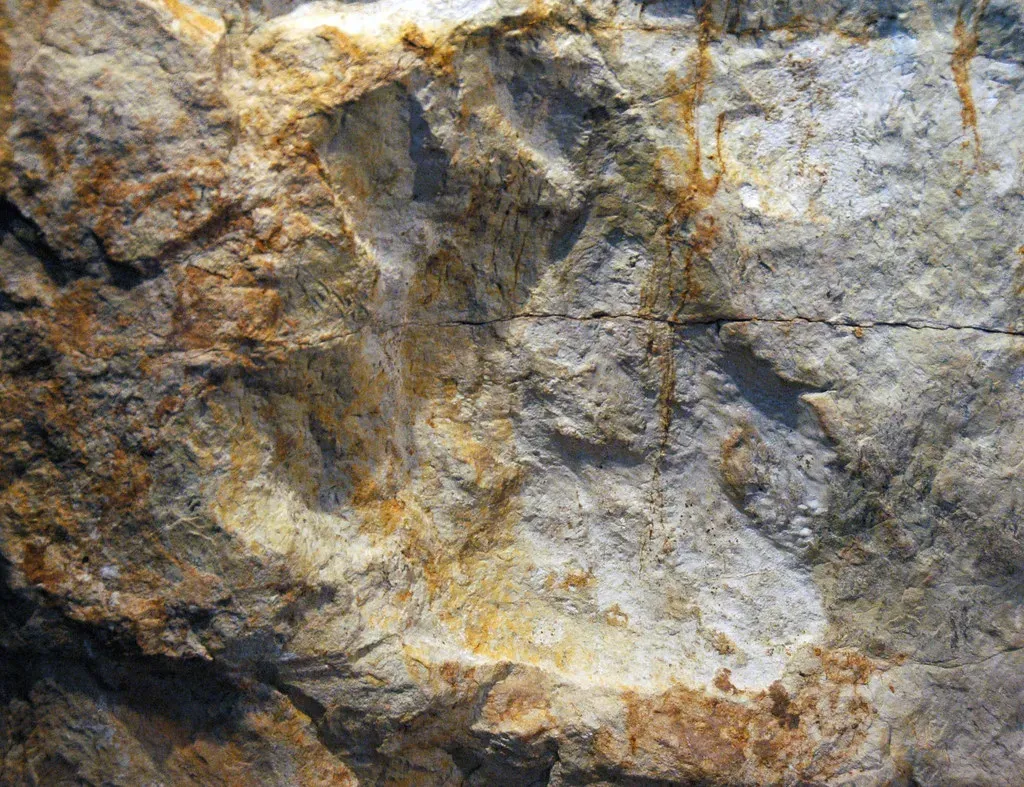
A worker digging up clay in a southern England limestone quarry noticed unusual bumps that led to the discovery of a “dinosaur highway” with nearly 200 tracks dating back 166 million years. The Dewars Farm Quarry in Oxfordshire became the site of an extraordinary excavation in June involving over 100 people.
Four sets of tracks showed paths taken by gigantic herbivores called sauropods, while a fifth set belonged to Megalosaurus, a ferocious predator that left distinctive triple-claw prints. The preservation was so detailed that researchers could see how mud deformed as dinosaur feet squelched in and out. Imagine clocking in for a regular day of work and stumbling onto one of the most scientifically significant dinosaur trackways ever recorded.
Stacked Like Pancakes in Transylvania
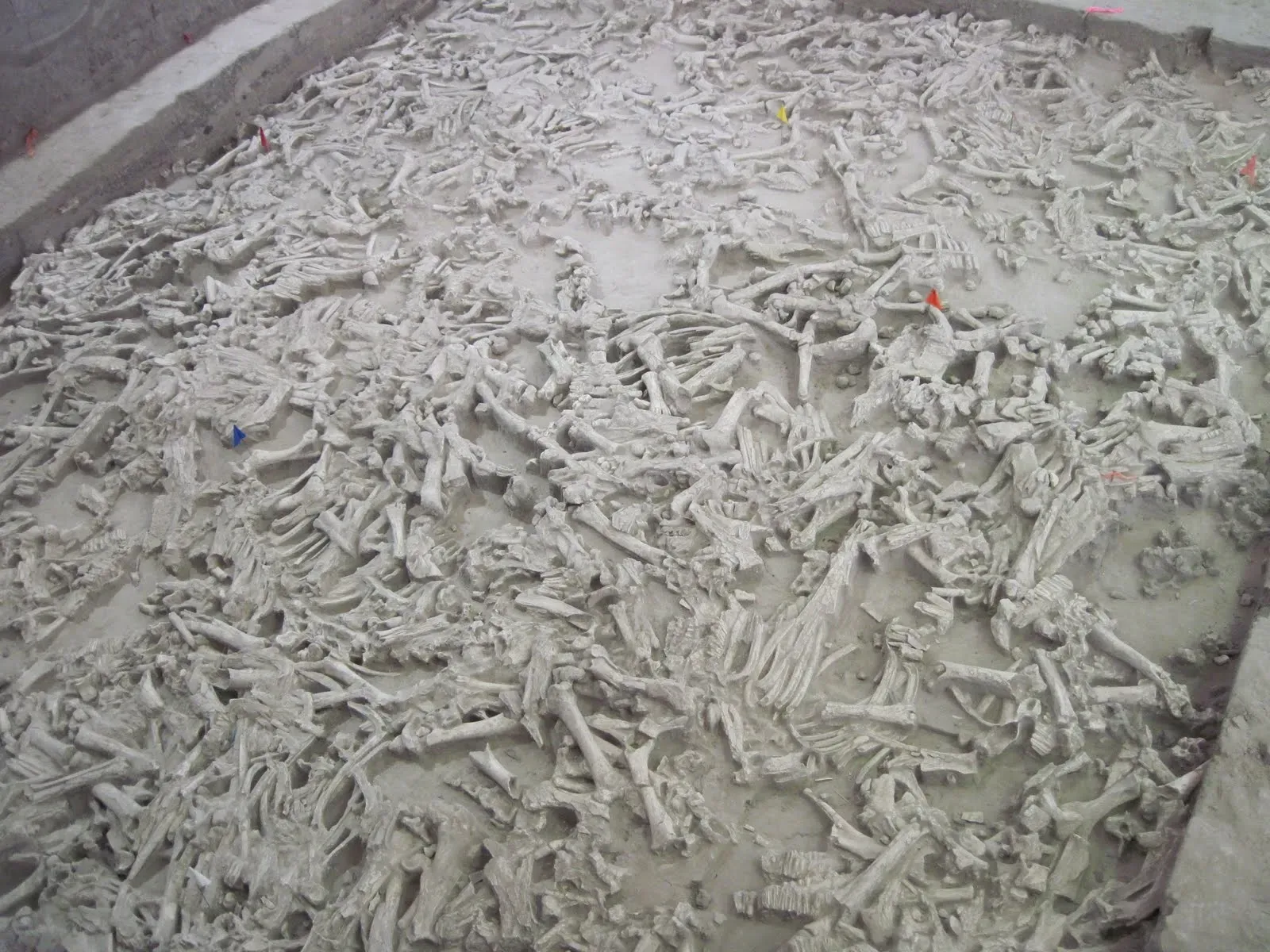
Scientists exploring Romania’s Hațeg Basin discovered one of the densest dinosaur fossil sites ever found, with bones lying almost on top of each other from a prehistoric flood-fed lake that acted like a natural bone trap 72 million years ago. From an area measuring less than five square meters, researchers recovered more than 800 vertebrate fossils.
This wasn’t your typical scattered bone field. Researchers uncovered the first well-preserved titanosaur skeletons ever found in the region, alongside partial skeletons from multiple plant-eating species. The concentration was mind-boggling. These bones were literally stacked in layers, preserved by some ancient catastrophe that turned a single location into a time capsule of Late Cretaceous life in Eastern Europe.
High in the Andes Mountains of Argentina
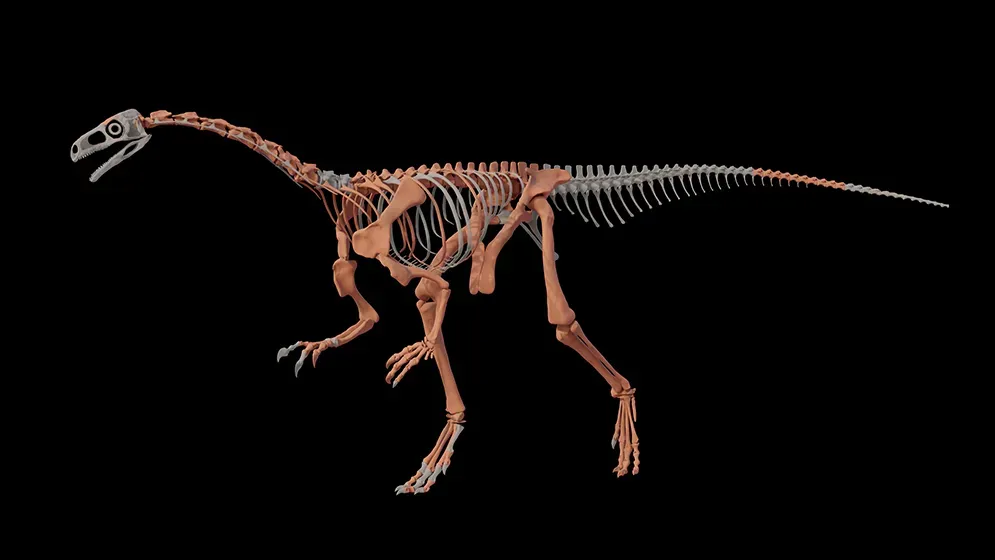
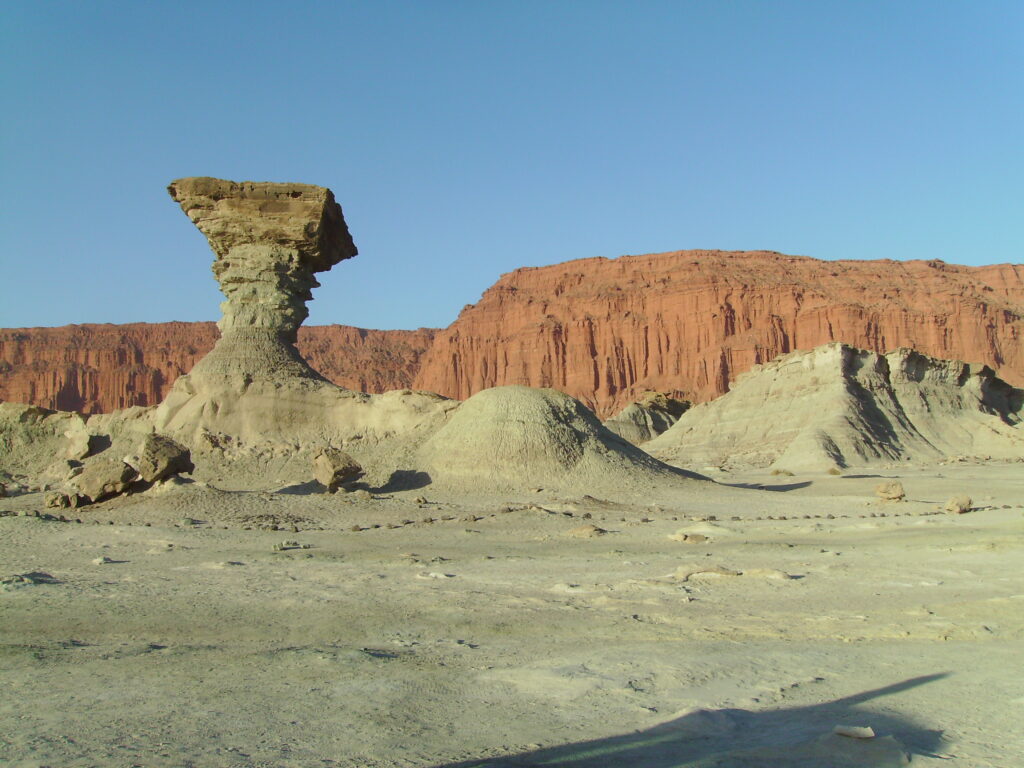
The fossils of Huayracursor jaguensis were found in the Santo Domingo Formation in the Andes of La Rioja province at about 2 miles above sea level in a distinct region. Most early dinosaur discoveries in South America came from well-known basins in western Argentina and southern Brazil, making this mountainous location particularly surprising.
Huayracursor jaguensis measured nearly 5 feet long and weighed about 40 pounds, with a shorter neck compared to later sauropodomorphs but showing signs of cervical vertebra elongation. This new fauna was the first to be recovered from the newly identified Northern Precordillera Basin. Finding such a complete skeleton at high altitude in remote mountains required months of painstaking work in challenging conditions, but it rewrote what we knew about where early dinosaurs roamed and evolved.
Conclusion
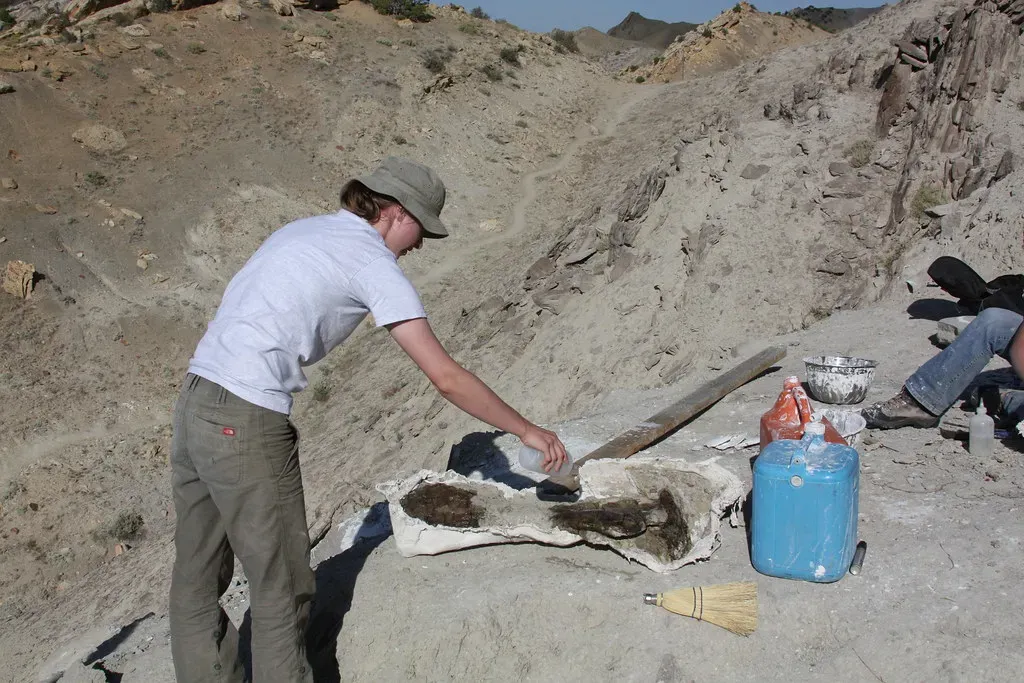
These five discoveries prove that dinosaur fossils can appear anywhere if we’re paying attention. From parking lots to construction sites, from limestone quarries to high mountain ranges, the past keeps surprising us. What’s fascinating is how many of these finds happened almost by accident during completely unrelated activities.
The next game-changing fossil could be sitting beneath a shopping mall, waiting for someone to drill a foundation. It might be weathering out of a cliff face that nobody’s bothered to examine closely. Here’s the thing: every new discovery doesn’t just add another name to the dinosaur family tree. It changes how we understand evolution, ancient climates, and the incredible diversity of life that once dominated our planet. What do you think will be the next unexpected location where paleontologists make history?