
Kruger National Park, South Africa – Heavy rains in mid-January unleashed severe flooding that damaged vital infrastructure across the reserve, prompting South African National Parks to prioritize repairs and partial reopenings.
Extensive Damage Tests Park Resilience
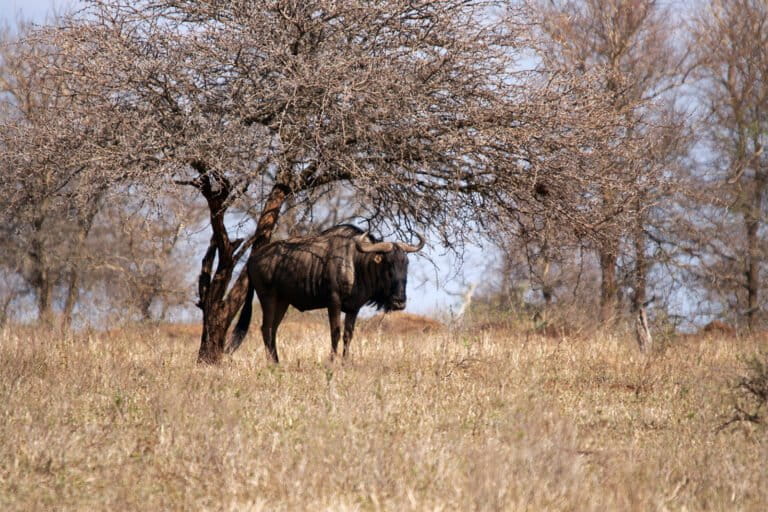
Extensive Damage Tests Park Resilience (Image Credits: Imgs.mongabay.com)
The January 2026 floods inflicted widespread destruction on roads, bridges, tourism facilities, and staff accommodations throughout Kruger National Park. Authorities closed the park to day visitors temporarily as water levels rose, isolating sections and halting operations. Fifteen camps became inaccessible initially due to collapsed structures and severed access routes.
Minister of Forestry, Fisheries and the Environment Willie Aucamp described the impact as devastating, with damage estimates reaching hundreds of millions of rands. The events led to a 41 percent drop in tourist entries between January 9 and 19 compared to the prior year. Such losses threaten the park’s self-generated revenue, which covers nearly 80 percent of South African National Parks’ budget.
Rapid Repairs Restore Critical Access
Park managers acted quickly to rebuild, reopening the H7 Route from Orpen Gate to Satara by February 2. Teams constructed a bypass using S12 and S40 routes to circumvent the heavily damaged Nsemani Dam area.
Several camps and sites followed suit. Tsendze Rustic Camp near Mopani Rest Camp welcomed guests again, alongside picnic spots at Mooiplaas and Babalala. Masorini Ruins, a historical Iron Age site near Phalaborwa Gate, also resumed operations.
Safety Protocols Guide Visitor Return
Orpen Gate now accommodates open safari vehicles under a quota system to control traffic and prevent overloads. Officials stressed extreme caution on the single-lane section of H7 near Nsemani Dam, where heavy vehicles over eight tonnes face restrictions.
- No entry on gravel roads marked with prohibition signs.
- Proceed slowly through repair zones.
- Monitor official SANParks channels for real-time advisories.
- Northern and certain southern areas remain limited.
“Restoration efforts are ongoing, and visitor safety remains our highest priority,” SANParks stated in its February 2 update.
Recovery Fund Bolsters Long-Term Efforts
To address costs potentially exceeding $30 million, authorities launched the Kruger Recovery Fund. Donations flow through a dedicated First National Bank account, audited by independent firms for transparency.
| Area | Status | Notes |
|---|---|---|
| H7 Route | Open | One lane at Nsemani Dam; no heavy vehicles |
| S12/S40 Bypass | Under construction | Alternative access |
| Tsendze Rustic Camp | Open | Near Mopani |
| Orpen Gate | Open for OSVs | Quota system |
Minister Aucamp urged contributions to safeguard the park’s future, especially as it marks its centenary this year.
- Swift action has reopened major routes despite ongoing challenges.
- Safety measures ensure responsible access amid repairs.
- Public support via the recovery fund accelerates full restoration.
Kruger National Park’s determined recovery underscores its enduring appeal as a biodiversity haven and economic pillar. As teams push forward, the reserve stands ready for cautious explorers. What steps would you take to support such vital conservation efforts? Share your thoughts in the comments.