
Europe – Residues from pesticides infiltrate 70% of soils across the continent, disrupting the intricate web of organisms that underpin agriculture and natural habitats, according to a comprehensive study published in Nature.
Unprecedented Scale of Soil Pollution
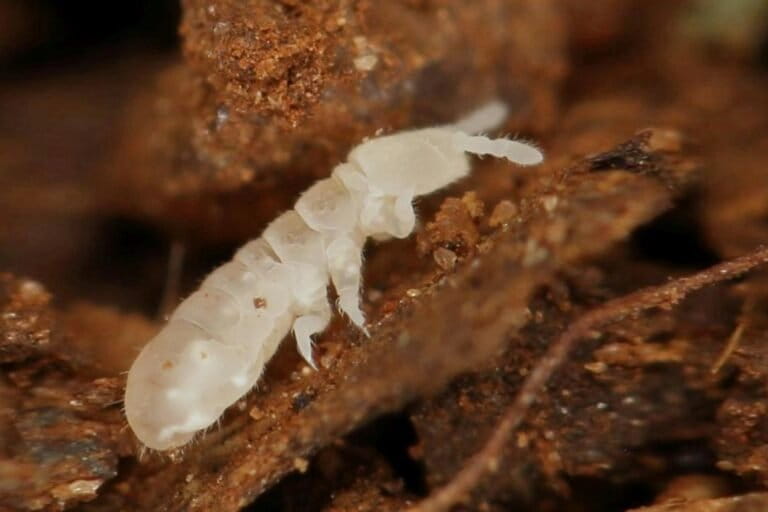
Unprecedented Scale of Soil Pollution (Image Credits: Imgs.mongabay.com)
Researchers examined 373 soil samples collected from croplands, grasslands, and woodlands spanning 26 European countries. They detected traces of 63 distinct pesticides in the majority of sites. Fungicides represented 54% of the active ingredients found, herbicides accounted for 35%, and insecticides made up 11%.
The herbicide glyphosate appeared most frequently. Contamination proved highest in agricultural areas but extended into forests and meadows, likely through spray drift. Some compounds persist for years due to slow degradation, amplifying long-term risks.
| Pesticide Type | Percentage of Detections |
|---|---|
| Fungicides | 54% |
| Herbicides | 35% |
| Insecticides | 11% |
Harming Essential Soil Inhabitants
Pesticide residues ranked as the second-most influential factor shaping soil biodiversity, trailing only basic properties like pH and texture. The study assessed impacts on archaea, bacteria, fungi, protists, nematodes, and arthropods. Beneficial groups suffered most, including arbuscular mycorrhizal fungi that aid plant roots in nutrient and water uptake, and bacterivore nematodes.
“This contamination has a major impact on various beneficial soil organisms, such as mycorrhizal fungi and nematodes, impairing their biodiversity,” stated Marcel van der Heijden, a professor at the University of Zurich and co-lead author. Certain bacteria proliferated as competitors declined, but overall community shifts signaled widespread disruption.
- Mycorrhizal fungi: Severely reduced, hindering plant nutrition.
- Bacterivore nematodes: Suppressed, altering food webs.
- Arthropods and protists: Experienced non-target effects.
- Fungi like those targeted by bixafen: Broad harm across taxa.
Disrupting Critical Soil Functions
Beyond taxonomy, pesticides altered functional genes tied to nutrient cycling. Phosphorus and nitrogen processes weakened, potentially forcing farmers to apply more fertilizers to sustain yields. “This suggests that the natural function of the affected soil is reduced,” van der Heijden noted.
The analysis used metabarcoding and modeling to link residues to biodiversity metrics like richness and Shannon diversity. In croplands, pesticide concentrations explained significant variance in these measures. Such changes threaten ecosystem services, including carbon storage – where soils hold more carbon than the atmosphere and all terrestrial life combined.
Regulatory Shortcomings Exposed
Current approvals test pesticides on isolated species, such as one earthworm or nematode type, overlooking community-level and functional repercussions. Julia Königer, the study’s first author, observed that some bacteria thrive amid reductions in others. Maria J. I. Briones, co-lead from the University of Vigo, emphasized: “Pesticides represent a very significant human environmental impact on our soils.”
Experts urge integrating holistic assessments into regulations to protect soil health. The collaboration involved institutions like the EU Joint Research Centre and Agroscope, marking the first quantitative proof of these broad effects.
Key Takeaways
- 70% contamination rate underscores urgent need for monitoring beyond farms.
- Beneficial fungi and nematodes face greatest threats, risking crop productivity.
- Shift to community-wide testing could reshape pesticide policies.
This landmark research spotlights the unseen cost of crop protection: a quieter, dirtier crisis eroding the foundation of food systems. As soils falter, so may the yields they support – what steps should Europe take next? Share your thoughts in the comments.