
Ghana – The government delivered a major win for conservation on December 10, 2025, by revoking regulations that had permitted mining across nearly 90% of the country’s forest reserves.
Nearly 90% of Reserves at Risk
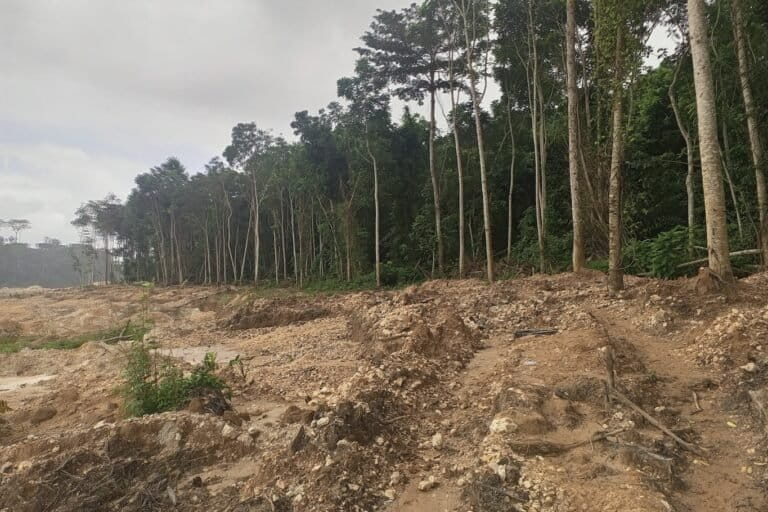
Nearly 90% of Reserves at Risk (Image Credits: Imgs.mongabay.com)
Ghana’s forest reserves span more than 9 million hectares and serve as vital sources of water, climate regulation, and habitat for diverse wildlife in globally significant biodiversity zones. The Environmental Protection (Mining in Forest Reserves) Regulations, known as L.I. 2462 and enacted in 2022, empowered the president to authorize mining in these protected areas. This move contradicted the nation’s Forest Development Master Plan, which sought to phase out such activities by 2036.
Industrial mining emerged as Ghana’s primary driver of forest loss, positioning the country among the world’s top three for mining-related deforestation. Africa’s largest gold producer watched as permits proliferated, exacerbating damage from illegal small-scale operations known as galamsey. Communities faced ruined farmlands and polluted rivers, while nearly all water treatment plants relied on forest-fed waterways.
Broad Coalition Ignites National Pushback
Civil society organizations, faith groups, trade unions, and ordinary citizens united in an unprecedented campaign against the law. Protests filled the streets of Accra, petitions flooded Parliament, and a prayer walk drew widespread attention. In October 2024, authorities arrested 53 demonstrators opposing illegal mining, holding them for 21 days and fueling further outrage.
The effort included investigative reports from outlets like The Fourth Estate, which exposed government-linked companies encroaching on reserves such as Apamprama in the Ashanti region, where up to a third of the area suffered damage. Environmental advocates like A Rocha Ghana and Nature & Development Foundation coordinated legal challenges and media drives, supported by international partners.
- Nationwide protests and street marches
- Petitions to the presidency and Parliament
- Labor union threats of strikes
- Catholic Church involvement and prayer events
- Social media campaigns by influencers
- Court actions and legal briefings
From Election Pledge to Historic Repeal
The campaign’s momentum carried into Ghana’s 2024 general election, where the winning opposition party made revocation a manifesto promise. President John Dramani Mahama took office in January 2025, and by December, Minister for Lands and Natural Resources Emmanuel Armah-Kofi Buah tabled the revocation instrument. It matured into law after the mandatory 21-day parliamentary period.
“Healthy forests bring rainfall, protect our farms, and give life to our communities. Clean rivers secure our drinking water and our future,” Buah stated. Daryl Bosu of A Rocha Ghana called it a crucial victory, though he warned that enforcement remained essential.
Challenges Persist Beyond the Win
While the repeal restored full protections, illegal mining, logging, and farming continue to threaten reserves across 13 of Ghana’s 16 regions. Existing leases and weak oversight demand urgent action, including a National Forest Protection Strategy and expanded restoration under the Tree for Life program.
The new Gold Board aims to regulate trading and exports transparently, potentially mirroring the EU’s FLEGT system for timber. Civil society presses for global applicability to ensure sustainable practices benefit communities rather than elites.
Key Takeaways
- Revocation protects 9 million hectares of vital forest ecosystems.
- Broad coalition action, from protests to elections, drove change.
- Future success hinges on enforcement, restoration, and traceability.
This repeal marks a pivotal shift, affirming that Ghana’s forests hold greater long-term value than short-term gold gains. It sets a model for balancing economic needs with environmental stewardship. What steps should Ghana take next to safeguard its green heritage? Share your thoughts in the comments.