
United States – Nearly 60 percent of the nation’s land falls under private ownership and management, positioning these working landscapes as critical arenas for broad-scale wildlife protection.
A Massive Opportunity in Private Hands
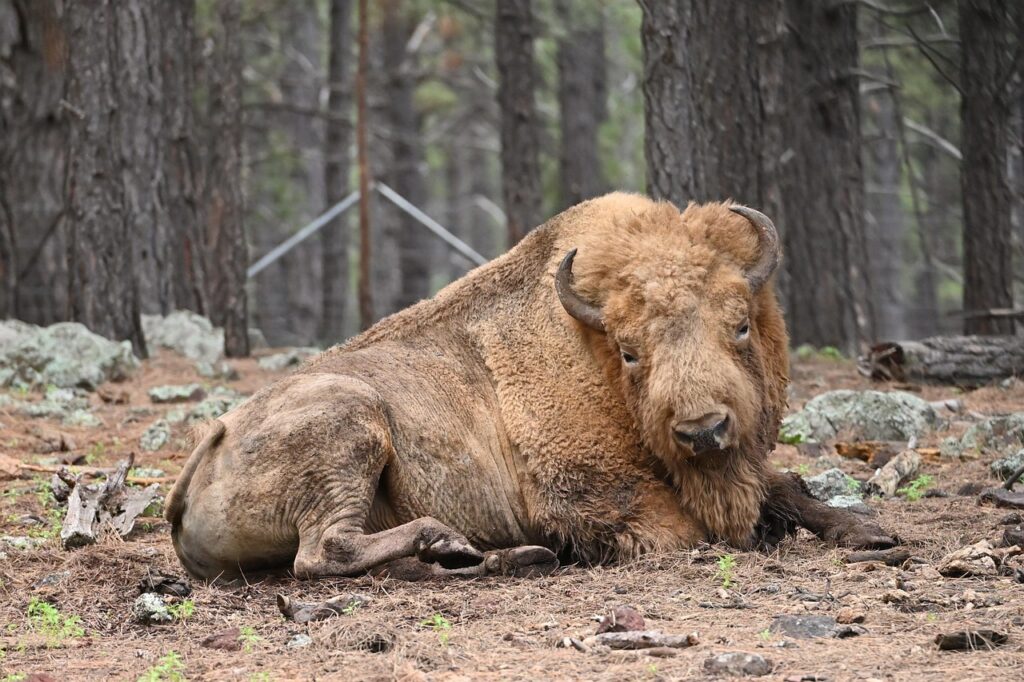
A Massive Opportunity in Private Hands (Image Credits: Pixabay)
Private properties dominate the American landscape, covering vast expanses from farms and ranches to forests. This ownership structure creates unique challenges but also immense potential for conservation. Wildlife biologists recognize that intact private lands serve as essential habitats amid growing development pressures.
The Wildlife Society highlighted this dynamic in a recent podcast episode. Experts emphasized how these areas support species migration and biodiversity when managed thoughtfully. For instance, agreements on private properties have opened vital routes for elk populations.
Key Strategies Keeping Lands Productive and Wild
Landowners employ targeted approaches to balance agricultural or ranching activities with habitat needs. Conservation easements emerge as a cornerstone tool, restricting development while preserving open spaces. Incentives further encourage practices that enhance wildlife corridors and food sources.
Science-based management integrates data on species behavior and land health. These methods ensure working lands remain economically viable. Results include improved water quality, soil stability, and refuge for birds, mammals, and other fauna.
- Conservation easements limit subdivision and protect habitats long-term.
- Financial incentives reward landowners for sustainable practices.
- Data-driven plans tailor efforts to local wildlife needs.
- Partnerships with trusts connect owners to expertise and funding.
- Migration route enhancements benefit wide-ranging species like elk.
Experts Share Field-Tested Insights
Joe Roy, a private lands wildlife biologist with the Maine Department of Inland Fisheries and Wildlife, brings hands-on experience from northeastern forests. As a member of The Wildlife Society, he focuses on integrating wildlife priorities into private management plans.
Erik Glenn leads the Colorado Cattlemen’s Agricultural Land Trust, where he champions protections for ranchlands in the West. Their combined perspectives span regions and underscore the nationwide relevance of these efforts. Both guests detailed real-world applications during a dedicated discussion.
‘Our Wild Lives’ Brings the Conversation Home
The Wildlife Society released the episode as part of its weekly “Our Wild Lives” podcast on February 6. Hosted by Katie Perkins and Ed Arnett, the series features wildlife professionals sharing stories and solutions. Listeners gain access via The Wildlife Society’s site or platforms like YouTube.
The organization, founded in 1936, supports over 10,000 members worldwide through research, education, and advocacy. This episode aligns with its mission to advance data-driven conservation on all land types.
Charting a Path Forward for Landowners
Private land conservation promises enduring benefits for ecosystems and communities. As pressures from urbanization mount, these strategies offer scalable solutions. Landowners play a pivotal role, often partnering with trusts and agencies to amplify impact.
Key Takeaways:
- Nearly 60% of U.S. land is privately held, vital for wildlife.
- Easements and incentives sustain working lands and habitats.
- Experts like Joe Roy and Erik Glenn provide actionable guidance.
These efforts remind us that conservation thrives where people and nature intersect. What steps can private landowners take in your area? Share your thoughts in the comments.