
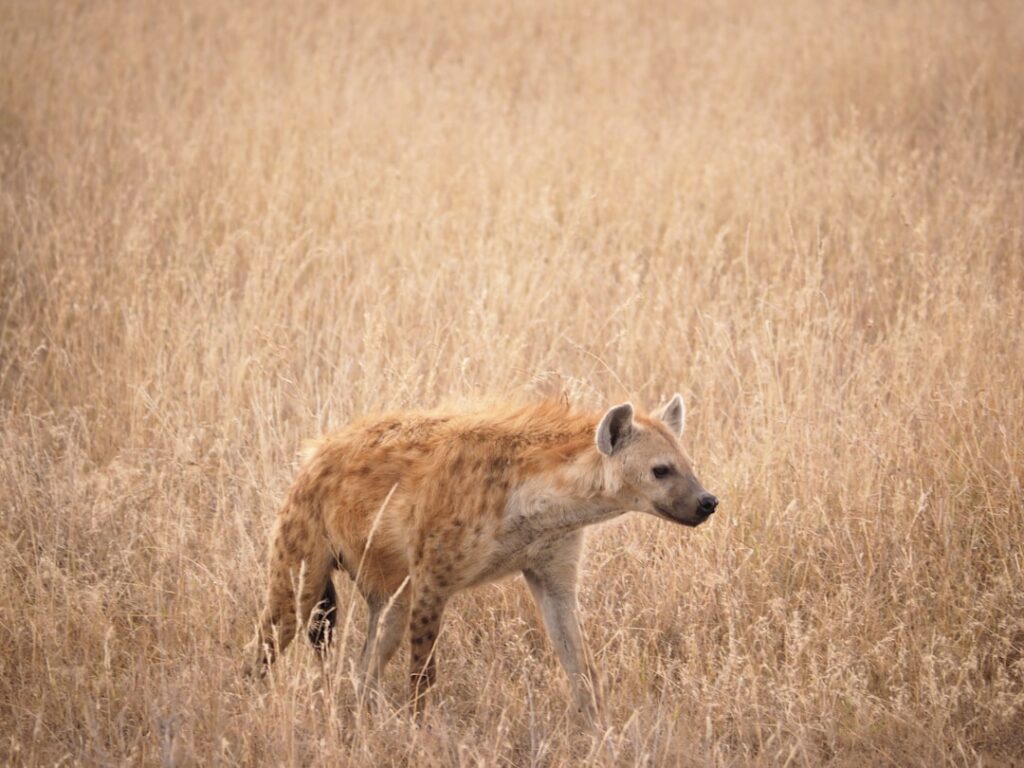
Lake Eyasi, Tanzania – Spotted and striped hyenas navigate a delicate balance with pastoralists and hunter-gatherers in this Rift Valley expanse, revealing patterns of adaptability that challenge traditional views of predator-human conflict.
Spotted Hyenas Defy Expectations in Shared Territories
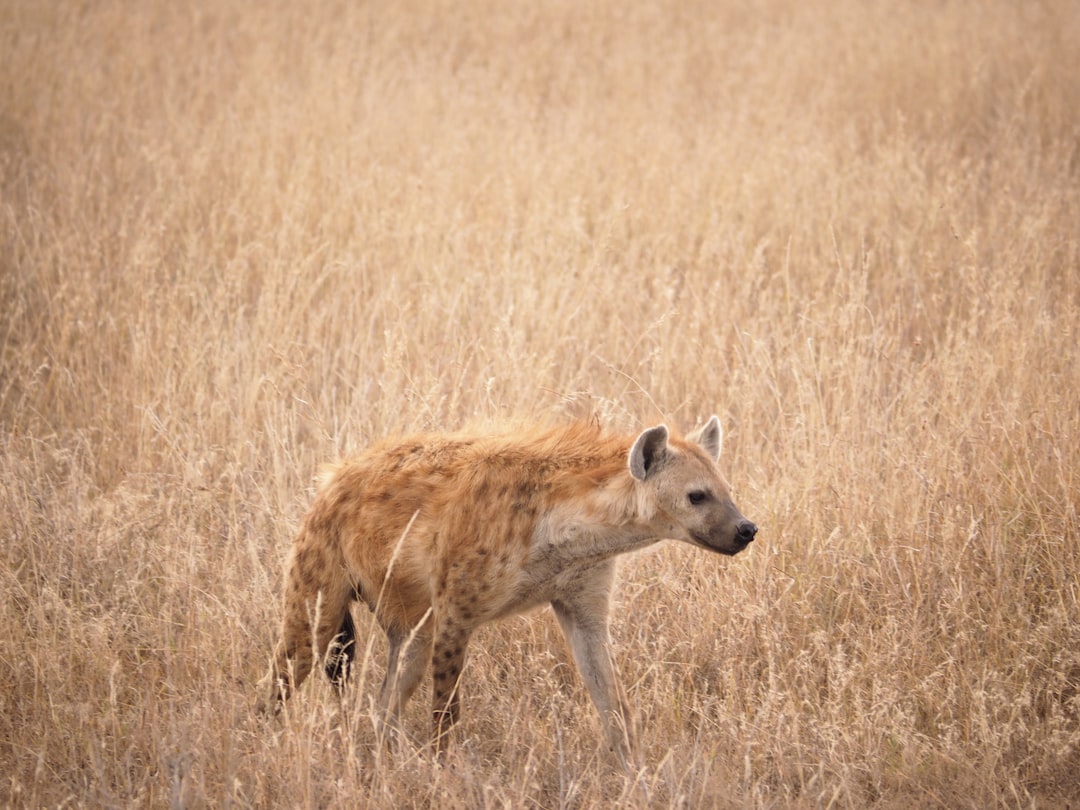
Spotted Hyenas Defy Expectations in Shared Territories (Image Credits: Unsplash)
Spotted hyenas stand out as Africa’s most versatile apex predators, shifting their behaviors to survive in landscapes dominated by human activity. At Lake Eyasi, clans adjust hunting grounds and social structures across wet and dry seasons, responding to prey migrations and water scarcity. This flexibility allows them to persist where other carnivores falter.
Researchers noted that these animals tolerate routine human presence, much like observations from nearby Ngorongoro Crater. Yet pressures from habitat loss and retaliatory actions persist, underscoring the need for targeted interventions.
Mapping Movements Through Rigorous Fieldwork
United Tansania e.V. spearheaded efforts to track hyena distributions using camera traps, track surveys, and scat analysis around the saline lake. Photo-identification helped pinpoint individuals, clans, and home ranges overlapping with settlements. In six nearby villages, a Carnivore Conflict Monitoring program logged predation events, detailing species, times, and locations.
The organization’s Community Camera Scout Program engaged locals to gather data, fostering better wildlife perceptions while rewarding sightings. These methods illuminated seasonal shifts: dry periods intensified freshwater competition, while wet seasons altered boundaries with denser cover aiding nocturnal raids on livestock enclosures, or bomas.
Striped Hyenas: The Elusive Counterpart
Less common than their spotted relatives, striped hyenas hold Near Threatened status according to the IUCN Red List. Their scarcity in the savanna-steppe around Lake Eyasi demands focused monitoring to prevent further decline.
Both species overlap with Hadza foragers and Datoga herders, who sustain livelihoods on these seasonal shores between the Serengeti Plateau and Ngorongoro Conservation Area. Daily interactions highlight the ecosystem’s shared nature, far from the isolation of protected zones.
Strategies for Sustainable Coexistence
Conflict peaks occur at night near grazing areas, but data suggests predictable patterns ripe for mitigation. Improved boma designs and community reporting systems emerged as practical solutions, drawing from long-term studies showing hyenas’ tolerance of non-aggressive human routines.
United Tansania e.V.’s hyena project, detailed on their site at United Tansania e.V., integrates spatial analysis with local involvement. Such approaches promise reduced losses and preserved biodiversity.
| Hyena Type | Status | Key Traits at Lake Eyasi |
|---|---|---|
| Spotted | Widespread | Behavioral plasticity; seasonal shifts |
| Striped | Near Threatened | Rare; requires priority monitoring |
Key Takeaways
- Hyenas exhibit remarkable adaptability, adjusting to human-dominated savannas through flexible behaviors.
- Community-driven data collection reduces conflicts and improves perceptions of wildlife.
- Targeted strategies like reinforced enclosures pave the way for lasting predator-human harmony.
United Tansania e.V.’s work reframes hyenas not as threats, but as resilient participants in a vibrant Rift Valley narrative, urging conservation that honors both wildlife and communities. What strategies have worked in your local wildlife challenges? Tell us in the comments.