
Northeast Cambodia – Villagers in Sre Chhuk watched mining equipment overrun fields they considered secure within a community-protected zone bordering Lumphat Wildlife Sanctuary.
Community Lands Targeted by Extractive Industries
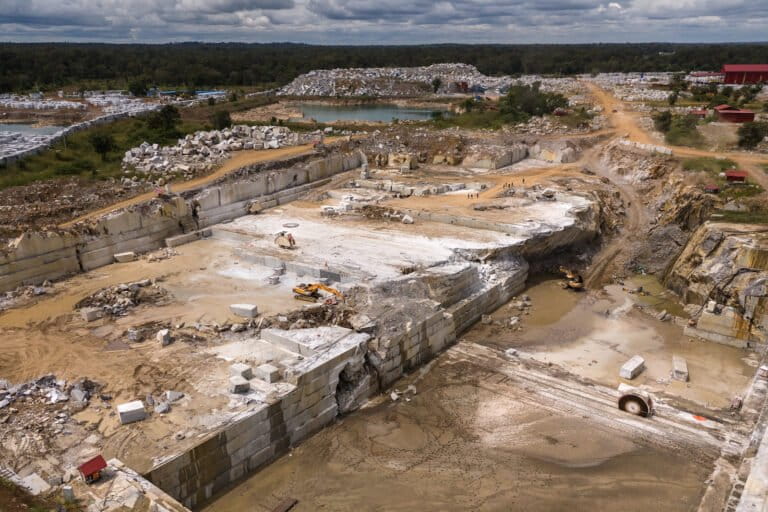
Community Lands Targeted by Extractive Industries (Image Credits: Imgs.mongabay.com)
Officials and conservation organizations established the Veal Kambor Community Protected Area in 2018. This nearly 3,000-hectare zone allowed locals to manage resources while patrolling adjacent forests for 15 years. Residents like Vorn Pang and Sao Thorn relied on these arrangements for their farmland and gathering sites.
Starting in 2020, authorities granted concessions to at least five mining companies inside the CPA. Marble quarries and open pits scarred fallow paddies and wooded areas. Pang recalled a 2021 meeting with environment ministry officials and company representatives about compensation, but years passed without resolution. “It’s all up in the air,” he said.
Environment ministry rangers reported that several firms went bankrupt, abandoning water-filled pits. Others expanded into the sanctuary’s conservation zone without apparent current licenses or required environmental and social impact assessments. Operations persisted into late 2025, with trucks hauling stone blocks observed by investigators.
Well-Connected Firms Drive Quarry Expansion
CHHC Investment Co., led by petrol magnate Leng Srouyheang, held a concession in the conservation zone valid until 2022. Yet quarrying continued, with satellite imagery showing expanding pits. Nearby, Howpin (Cambodia) Co., under Oknha Tang Kuonghow, installed signs for nearly 100 hectares of operations starting in late 2024. LHCT PH Xing Investment Co., chaired by Srouyheang’s brother Leng Srouyhang, received about 100 hectares in the CPA.
| Company | Key Figure | Location |
|---|---|---|
| CHHC Investment Co. | Leng Srouyheang | Conservation zone |
| Howpin (Cambodia) Co. | Tang Kuonghow | Veal Kambor CPA |
| LHCT PH Xing | Leng Srouyhang | Veal Kambor CPA |
These tycoons hold Oknha status for major government donations. No public records showed environmental assessments for their projects. Geo-agronomist Jean-Christophe Diepart noted that such zones often become “open for development,” with inadequate oversight.
Decades of Deforestation and New Threats
Lumphat Wildlife Sanctuary spans over 350,000 hectares across three provinces, expanded by more than 106,000 hectares in 2023. Yet agro-industrial concessions covered nearly 50,000 hectares for rubber, palm oil, and bananas over the past 15 years. Primary forest cover dropped 50% from 2010 to 2024, per Global Forest Watch data.
A proposed 376-megawatt hydropower dam threatens to flood core zones and displace thousands. The sanctuary hosts critically endangered species, including giant ibis numbers falling from 50 in 2022 to 33 in 2024.
- Giant ibis (Thaumatibis gigantea)
- White-shouldered ibis (Pseudibis davisoni)
- Siamese crocodile (Crocodylus siamensis)
- Asian elephant (Elephas maximus)
- Banteng (Bos javanicus)
- Gaur (Bos gaurus)
Veal Kambor serves as a nesting site for lesser adjutants. NatureLife Cambodia and BirdLife International supported seven CPAs covering 23,000 hectares, but industrial pressures persist.
Hopes Amid Ongoing Challenges
A REDD+ carbon-credit project, validated last year, offers potential for renewed safeguards. Communities conducted patrols, but concessions undermined their efforts. Some Veal Kambor residents received minimal compensation, while others got none.
The Lumphat case exposes tensions between economic ambitions and biodiversity preservation in Cambodia’s protected areas.
Key Takeaways
- Mining concessions since 2020 fragmented the Veal Kambor CPA, displacing villagers without full compensation.
- Forest loss accelerated near agro-concessions, halving primary cover over 14 years.
- Endangered wildlife declines underscore urgent needs for stricter enforcement and assessments.
Lumphat’s forests and communities hang in the balance, demanding balanced policies that honor both heritage and habitats. What measures could strengthen protections here? Tell us in the comments.