
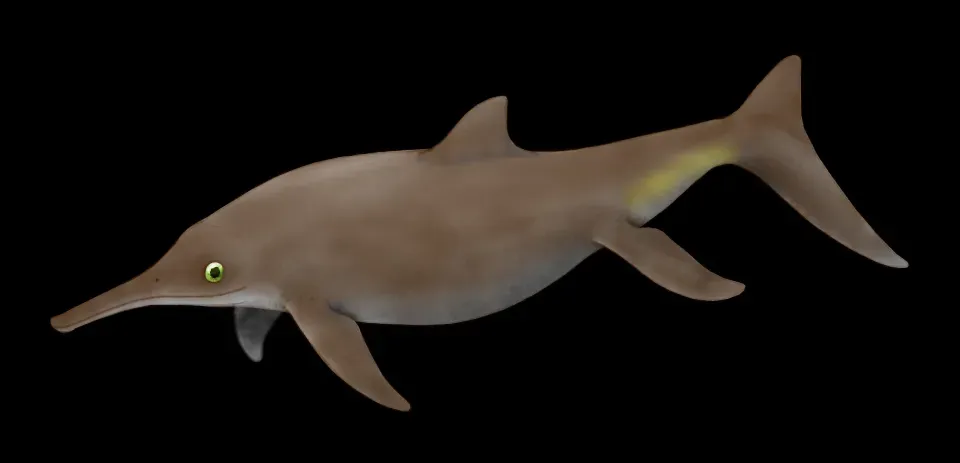
Imagine diving into the ocean and encountering a predator with eyes the size of dinner plates, razor-sharp teeth, and the sleek body of a dolphin combined with the power of a great white shark. Sounds intense, right? Well, these creatures actually existed, and they ruled the ancient seas for millions of years. Ichthyosaurs were some of the most fascinating marine reptiles ever to swim through Earth’s oceans, and understanding their story gives you a whole new appreciation for just how wild prehistoric life really was.
These remarkable reptiles first appeared around 250 million years ago and at least one species survived until about 90 million years ago. They were not dinosaurs, despite what you might think. Instead, they were marine reptiles that evolved from land-dwelling ancestors who decided the ocean was a better place to be. Their reign lasted longer than most empires in human history, and during that time, they perfected the art of underwater hunting in ways that still amaze scientists working in 2026.
Evolution at Breakneck Speed
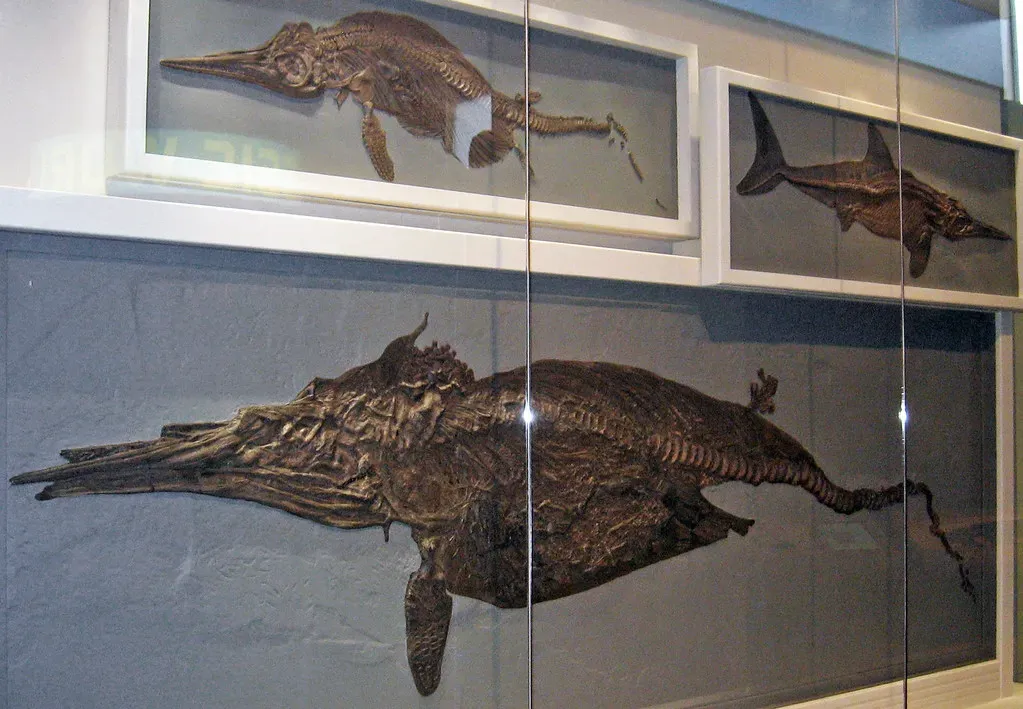
Here’s the thing about ichthyosaurs that honestly blows my mind. These ocean giants lived 246 million years ago, only about 3 million years after the first ichthyosaurs appeared, and they evolved large body size very early on in the clade’s history. Think about that for a second. In just three million years, they went from small reptilian forms to massive predators dominating the entire marine ecosystem. Compare that to whales, which took considerably longer to reach similar sizes, and you start to realize just how remarkable this evolutionary sprint really was.
Ichthyosaurs first appeared about 250 million years ago and quickly diversified into highly capable swimmers, filling a broad range of sizes and ecologies in the early Mesozoic oceans, though this rapid pace didn’t last long and an evolutionary bottleneck 200 million years ago led to much slower evolution. The speed of their initial adaptation was staggering, with these reptiles developing streamlined bodies, giving birth to live young instead of laying eggs, and evolving multiple feeding strategies in what felt like the blink of an eye in geological terms.
Size Matters in the Predator Game
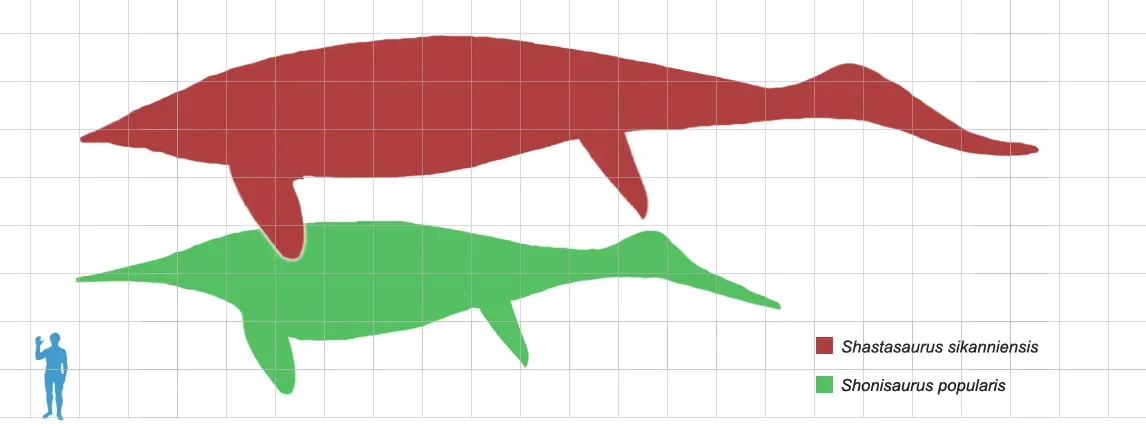
Let’s talk size, because some of these creatures were absolute monsters. The largest ichthyosaurs, like Shastasaurus, stretched 21 meters in total length and are the only extinct marine reptiles that come close to matching the largest modern whales in size. To put that in perspective, that’s longer than a standard city bus and nearly as long as a blue whale. Can you imagine swimming alongside something that enormous?
The variety in their sizes was impressive too. Shonisaurus popularis and others could exceed 50 feet in length, while smaller species were comparable to modern dolphins. This diversity allowed different species to occupy different ecological niches, reducing competition among themselves. The smallest were hardly bigger than a person, nimble hunters chasing quick prey through shallow waters, while the giants cruised the deep ocean hunting larger quarry or filtering massive amounts of small prey.
Built for Killing
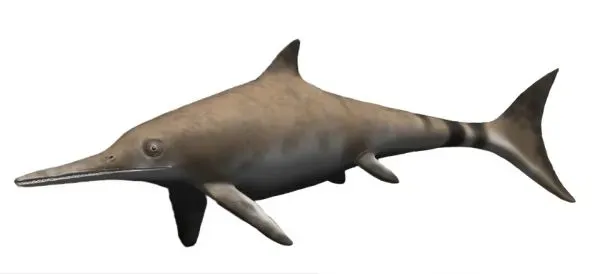
You have to appreciate the physical adaptations these predators developed. Their streamlined bodies and paddle-like limbs made them agile predators, with their fish-like tail providing powerful propulsion and their sharp teeth ideal for seizing slippery prey, while fleshy dorsal fins aided in stabilization during high-speed chases. Everything about their body design screamed efficiency.
The biggest of these whale-like creatures were apex predators, hunting ancient fish, ammonites, and even their smaller reptile relatives, with some swimming with surprising stealth. Recent research from 2025 even revealed special fin features that may have helped them move silently through the water, making them like underwater owls stalking unsuspecting prey. Their eyes were another remarkable feature. Some species possessed the largest eyes of any known vertebrate, living or extinct, allowing them to hunt effectively in deep, dark waters where most other predators couldn’t see a thing.
The Menu of an Ancient Predator
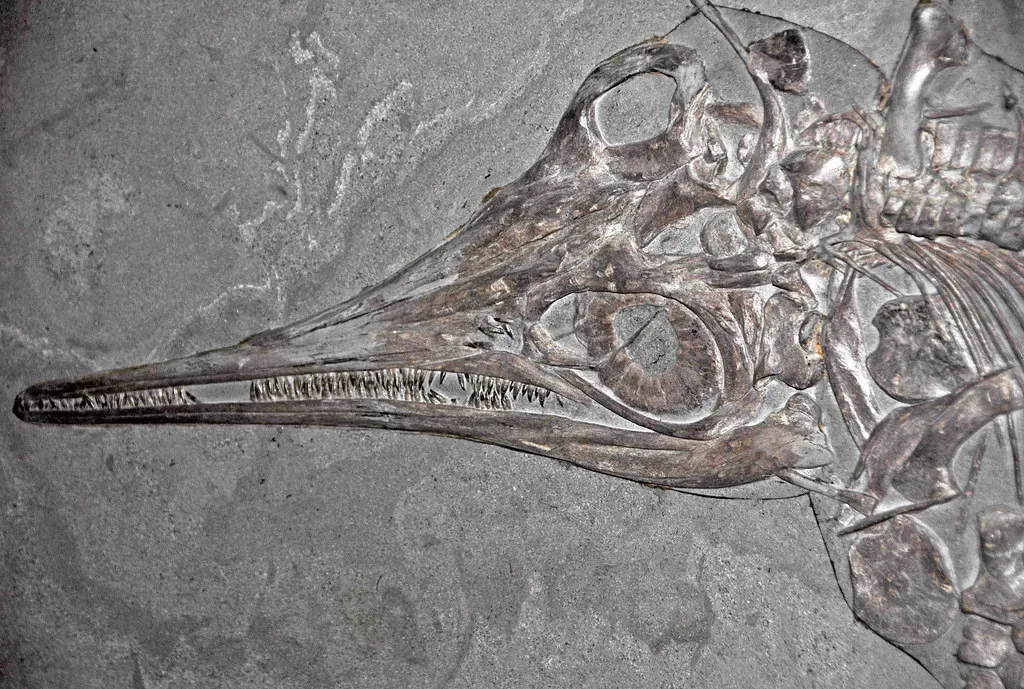
What exactly did these apex predators eat? Honestly, the answer is pretty much everything they could catch. Direct evidence from fossil gut masses supports a mixed diet of fish and squid for many species, with cephalopod hooklets commonly preserved in addition to varying amounts of fish bones and occasional terrestrial vertebrate remains suggesting opportunistic scavenging behavior. They weren’t picky eaters, and when opportunity knocked, they answered.
Different species specialized in different prey. Some ichthyosaurs like Stenopterygius specialized in slow biting of hard prey while Hauffiopteryx specialized in fast, but weaker bites on fast-moving, but soft prey, effectively dividing food resources between thick-scaled fishes and ammonites for one, and fast fish and squid for the other. This dietary partitioning was clever. It meant multiple species could coexist in the same waters without constantly competing for the exact same food sources. Perhaps most shocking is the evidence that some larger ichthyosaurs weren’t above eating their own kind when the chance arose.
Predators Eating Predators
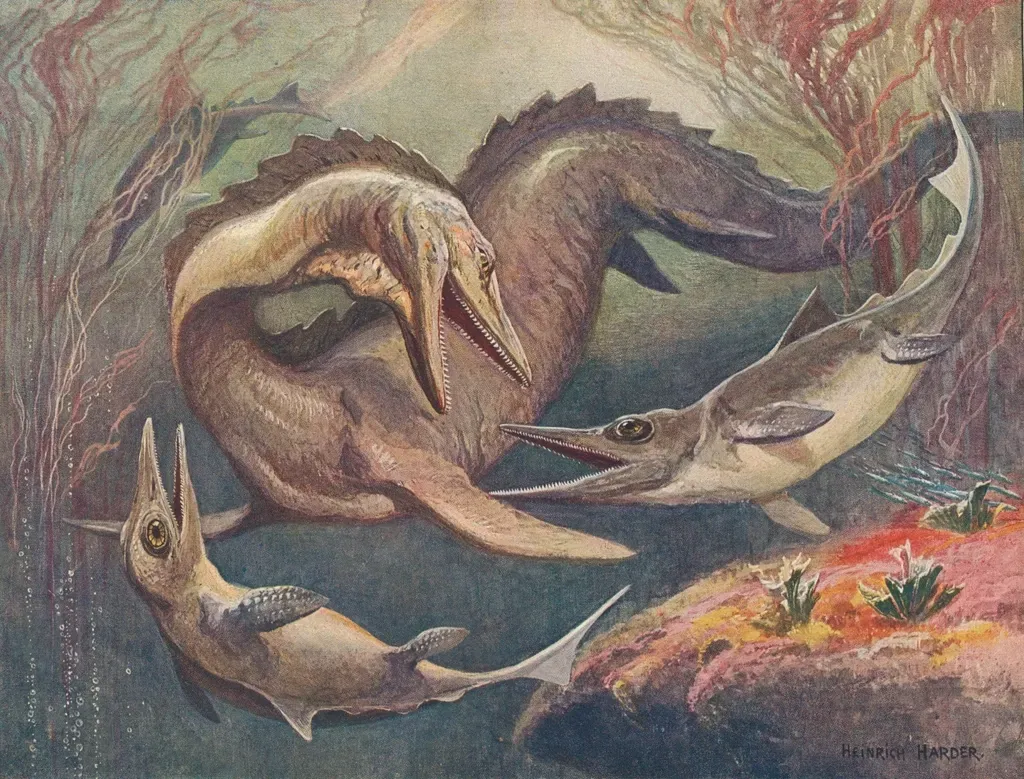
Now this is where things get really wild. A fossil represents the oldest evidence for predation on megafauna by marine tetrapods, showing a thalattosaur approximately four meters in total length in the stomach of a Middle Triassic ichthyosaur about five meters long, with the predator having grasping teeth yet swallowing the body trunk of the prey in one to several pieces. Let that sink in. An ichthyosaur ate another marine reptile that was nearly as big as itself.
This prehistoric sea was filled with enormous marine reptiles, some growing longer than 10 meters, that occupied a previously unseen seventh level of the food chain, and the discovery of predators operating at a seventh trophic level highlights just how rich and complex the ecosystem once was. Today’s oceans typically max out at six trophic levels, with killer whales and great white sharks at the top. The ancient seas were even more complex, with super-predators stacked higher in the food chain than anything alive today.
Hunting Strategies and Behavior
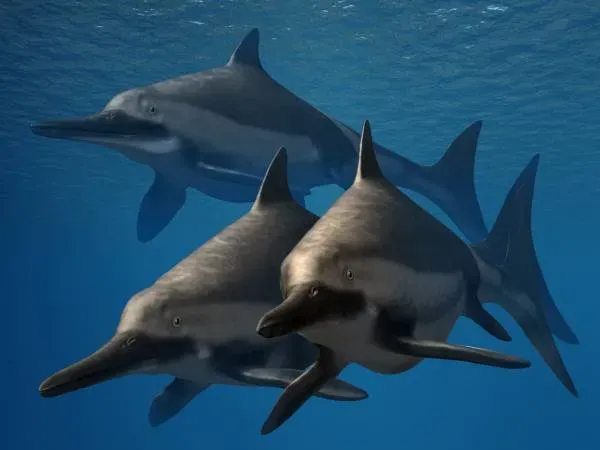
Ichthyosaurs weren’t just mindless eating machines. They were sophisticated hunters with diverse strategies. These predators mastered a variety of hunting strategies, including suction feeding, ram feeding, and pursuit predation to dominate their marine environments, with their streamlined bodies and powerful tail movements allowing them to swiftly navigate through the water, while their large eyes aided in spotting prey in low light conditions. Each technique required different anatomical features and behaviors, showing just how adaptable these creatures really were.
Some evidence even suggests they may have hunted cooperatively, though I’ll admit the jury’s still out on that one. Some ichthyosaurs may have engaged in cooperative hunting, and by working together, they could corner schools of fish, making it easier to feed. If true, that would make them even more formidable as apex predators. Imagine a pack of massive, intelligent marine reptiles coordinating attacks on prey. Terrifying and impressive in equal measure.
Why Did They Disappear?
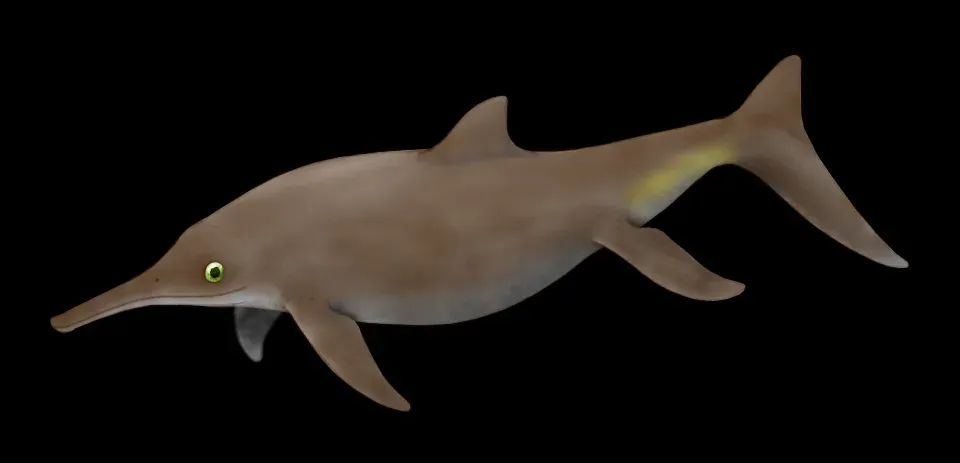
After dominating the oceans for roughly 160 million years, ichthyosaurs vanished long before the asteroid that killed the non-avian dinosaurs. A first extinction event in the beginning of the Cenomanian eliminated two of the three feeding guilds still present, leaving only an unspecialized apex predator group, then the second extinction event took place during the Cenomanian-Turonian boundary event, a marine anoxic event, after which just a single lineage survived before disappearing about 93 million years ago. It wasn’t a slow decline but rather two abrupt events that wiped them out.
The most likely culprit? Overspecialization. The overspecialisation of ichthyosaurs may be a contributing factor to their extinction, possibly being unable to keep up with fast teleost fish, which had become dominant at this time. They had become so perfectly adapted to their specific ecological roles that when conditions changed, they couldn’t adapt quickly enough. Meanwhile, less specialized competitors like mosasaurs thrived by being more flexible in their hunting strategies and dietary preferences.
It’s a sobering reminder that even the most successful predators can fall victim to changing circumstances. For millions of years, ichthyosaurs were the undisputed masters of their domain. They survived mass extinctions, competed with countless other marine predators, and evolved into forms both bizarre and beautiful. Yet ultimately, the same specialization that made them apex predators also sealed their fate when the oceans changed in ways they couldn’t match.
What do you think made these ancient hunters so successful for so long? Was it their speed, their size, or something else entirely? The story of ichthyosaurs reminds us that nature’s most fearsome predators aren’t always the ones that survive the longest.